

The Ecuadorian football community has been plunged into mourning following the death of international defender Mario Pineida, who was shot and killed in Guayaquil at the age of 33. Pineida, a well-known figure in Ecuadorian football and a former national team player, was fatally wounded in a shooting outside a shop in the north of the city. The incident, which also injured his mother and another woman, has once again drawn attention to the escalating levels of violence in Guayaquil, a city that has increasingly become associated with gang-related crime and drug trafficking.
According to local media reports, Pineida was targeted on Wednesday when two assailants riding motorbikes opened fire. Emergency services were called to the scene, but the footballer later succumbed to his injuries. The Ecuadorian interior ministry confirmed that a special police unit has been deployed to investigate the killing, as authorities attempt to establish whether Pineida was deliberately targeted or caught up in broader criminal violence. His death has shocked fans, teammates, and officials, not only because of his status as a former international player, but also because it follows a series of recent violent incidents involving footballers in Ecuador.
The killing of Pineida comes at a time when Guayaquil is experiencing one of the most violent periods in its recent history. Between January and September alone, 1,900 murders were recorded in the city, the highest number in the country. For many, Pineida’s death has become emblematic of the growing insecurity affecting public life in Ecuador, where even high-profile figures are not immune from the reach of criminal violence.
The Circumstances of the Shooting and the Security Crisis in Guayaquil
The attack that claimed Mario Pineida’s life occurred in broad daylight outside a local shop in northern Guayaquil, an area that has seen repeated incidents of armed violence in recent months. Witness accounts reported by local media indicate that two individuals approached the group on motorbikes before opening fire. Pineida, his mother, and another woman were struck by bullets, with Pineida sustaining fatal injuries. The precise motive behind the attack remains unclear, and investigators have not yet confirmed whether the footballer was the intended target.
The Ecuadorian interior ministry announced shortly after the incident that a specialized police unit had been assigned to the case. Officials stated that the investigation would focus on identifying the attackers, reconstructing the events leading up to the shooting, and determining whether the killing was linked to organized crime. Guayaquil has become a strategic hub for drug trafficking routes, and violent crime linked to gangs has risen sharply in recent years, placing immense pressure on law enforcement and public institutions.
Statistics underscore the scale of the crisis. With nearly 1,900 murders recorded in Guayaquil between January and September, the city has surpassed all other regions in Ecuador in terms of homicide rates. Much of this violence has been attributed to rival criminal groups battling for control of drug distribution networks, ports, and neighborhoods. Shootings involving motorbikes, often carried out in public spaces, have become a grimly familiar pattern, contributing to widespread fear among residents.
The football community has not been spared from this wave of violence. In September, three second-tier footballers were killed in separate incidents, and in October, a local player was wounded in another shooting. These cases have raised serious concerns about the safety of athletes, many of whom live and work in the same neighborhoods affected by gang activity. Pineida’s death, given his national profile, has brought renewed international attention to Ecuador’s security challenges.
Read : The Titans of Football: Exploring the World’s Seven Largest Stadiums
For authorities, the killing presents both a criminal investigation and a broader test of public confidence. The deployment of a special police unit signals the seriousness with which the government is treating the case, but for many citizens, it also highlights the persistent difficulty of curbing violence in a city where criminal groups operate with increasing boldness.
Mario Pineida’s Football Career and Contributions to Ecuadorian Football
Mario Pineida was widely respected for his career as a defender and for his contributions to both club and country. Born in Ecuador, he began his professional football journey with Independiente del Valle, a club known for its emphasis on youth development and tactical discipline. It was there that Pineida established himself as a reliable defender, earning recognition for his work rate, positional awareness, and ability to contribute both defensively and offensively from the back.
In 2016, Pineida made a significant move to Barcelona SC, one of Ecuador’s most prominent and historically successful clubs, based in Guayaquil. His time at Barcelona SC marked a key period in his career, as he became a regular presence in the squad and gained experience competing at the highest levels of domestic and continental football. Playing in front of large crowds and under intense scrutiny, Pineida was regarded as a committed professional who brought consistency to the defensive line.
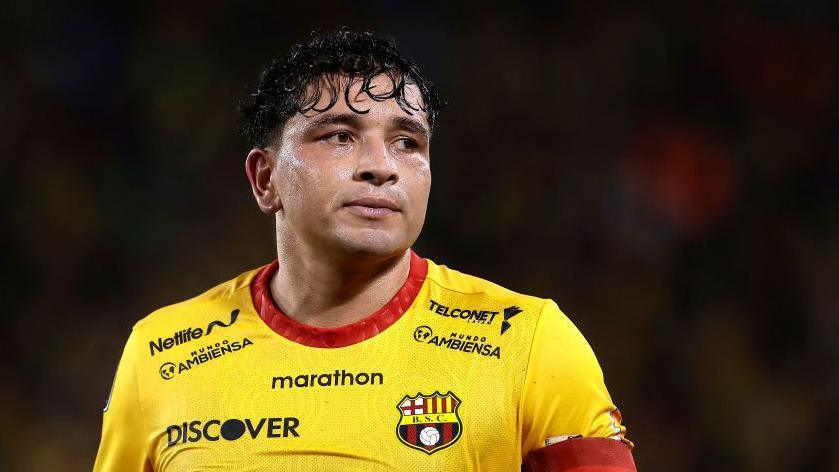
Pineida’s career also included international experience beyond Ecuador. He spent time on loan at Brazilian club Fluminense, where he was exposed to a different footballing environment and style of play. Although his stint in Brazil was relatively brief, it added an important dimension to his career, allowing him to compete in one of South America’s most demanding leagues. He also played for El Nacional, further cementing his reputation as a seasoned professional within Ecuadorian football.
Read : St. Michael Catholic High School Football Team Rallies Behind Coach Philip Rivers’ NFL Return
On the international stage, Pineida earned nine caps for the Ecuador national team between 2014 and 2021. While he was not a permanent fixture in the starting lineup, his inclusion over several years reflected the trust placed in him by national team coaches. Representing Ecuador at the international level is widely regarded as a significant achievement, and Pineida’s appearances placed him among a select group of players who have worn the national colors.
Throughout his career, Pineida was known less for flamboyance and more for reliability. Teammates and coaches often highlighted his discipline and willingness to fulfill tactical roles, qualities that made him a valued squad member. His journey from a domestic youth system to international football mirrored the aspirations of many young Ecuadorian players, adding to the sense of loss felt across the football community following his death.
Reactions from Clubs, the Federation, and the Wider Football Community
The response to Mario Pineida’s death was swift and emotional, with clubs, officials, and fans expressing shock and sorrow. Independiente del Valle, where Pineida began his professional career, paid tribute on social media, acknowledging his role in the club’s history and extending condolences to his family. Fluminense, the Brazilian club where Pineida spent time on loan, also issued a message of sympathy, recognizing him as a former player and offering support to those affected by the tragedy.
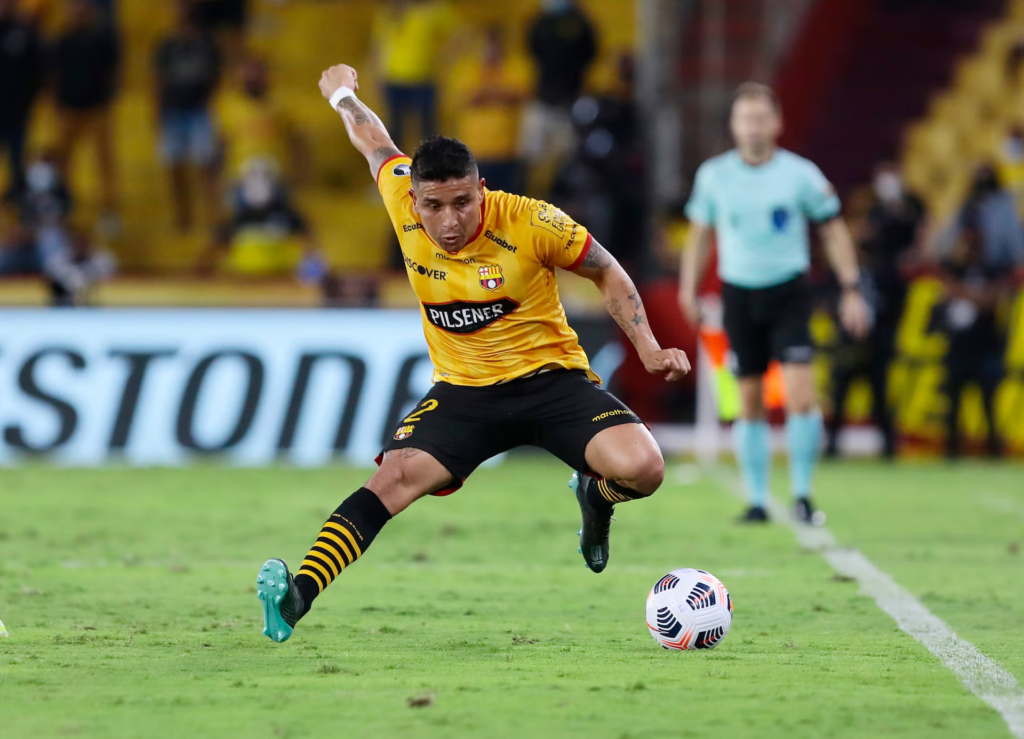
Barcelona SC, the club most closely associated with Pineida’s career, released a statement expressing deep dismay. The club emphasized the sense of loss felt within the institution, reflecting the close ties Pineida had formed during his time in Guayaquil. For supporters of Barcelona SC, his death was particularly painful, not only because of his contributions on the pitch but also because it occurred in the city the club calls home.
The Ecuadorian Football Federation condemned the violence in a formal statement, describing Pineida’s death as a tragic loss for the sport and the country. The federation conveyed its condolences to Pineida’s family and reaffirmed its concern over the broader issue of security affecting footballers and citizens alike. While the statement focused on sympathy and solidarity, it also underscored the growing unease within Ecuadorian football about the risks faced by players off the field.
Beyond official statements, tributes from fans and fellow players highlighted Pineida’s character and professionalism. Messages shared online recalled his dedication, humility, and commitment to the teams he represented. For many within the football community, his death served as a reminder of the vulnerability of athletes outside the controlled environment of stadiums and training grounds.
As investigations continue, Pineida’s killing remains a stark illustration of the intersection between sport and the wider social realities of Ecuador. His career, marked by steady progress and national representation, has been cut short by violence that has become increasingly common in parts of the country. While clubs and institutions mourn his passing, the broader context of his death continues to raise difficult questions about security, public safety, and the impact of crime on all sectors of society, including professional sport.