
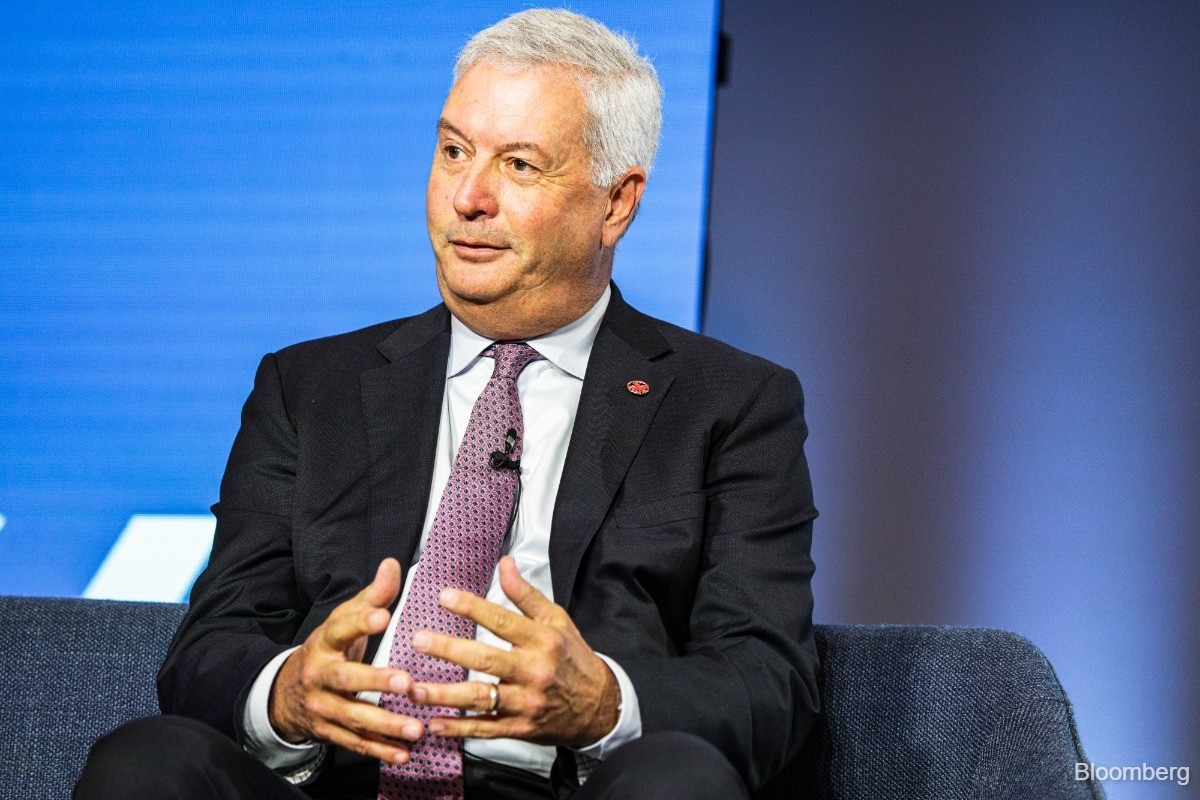
The announcement that Air Canada Chief Executive Michael Rousseau will step down by the end of the third quarter of 2026 follows a wave of public criticism that quickly evolved into a broader national debate. At the center of the controversy was not only a tragic aviation accident at LaGuardia Airport but also the language used in its aftermath. Rousseau’s decision to deliver a condolence message almost entirely in English, despite leading a company deeply rooted in Canada’s bilingual identity, triggered backlash from political leaders, industry observers, and the public alike.
What began as criticism of a single communication choice soon exposed deeper sensitivities about language, identity, and corporate responsibility in a bilingual nation. The incident has since raised questions about leadership expectations, particularly in companies that operate within culturally and linguistically diverse environments. While Rousseau has stated he will continue in his role until his retirement, the episode has already left a lasting impact on both his tenure and Air Canada’s public image. The situation underscores how moments of crisis can amplify scrutiny and reshape narratives around leadership conduct.
The LaGuardia Crash And Its Immediate Aftermath
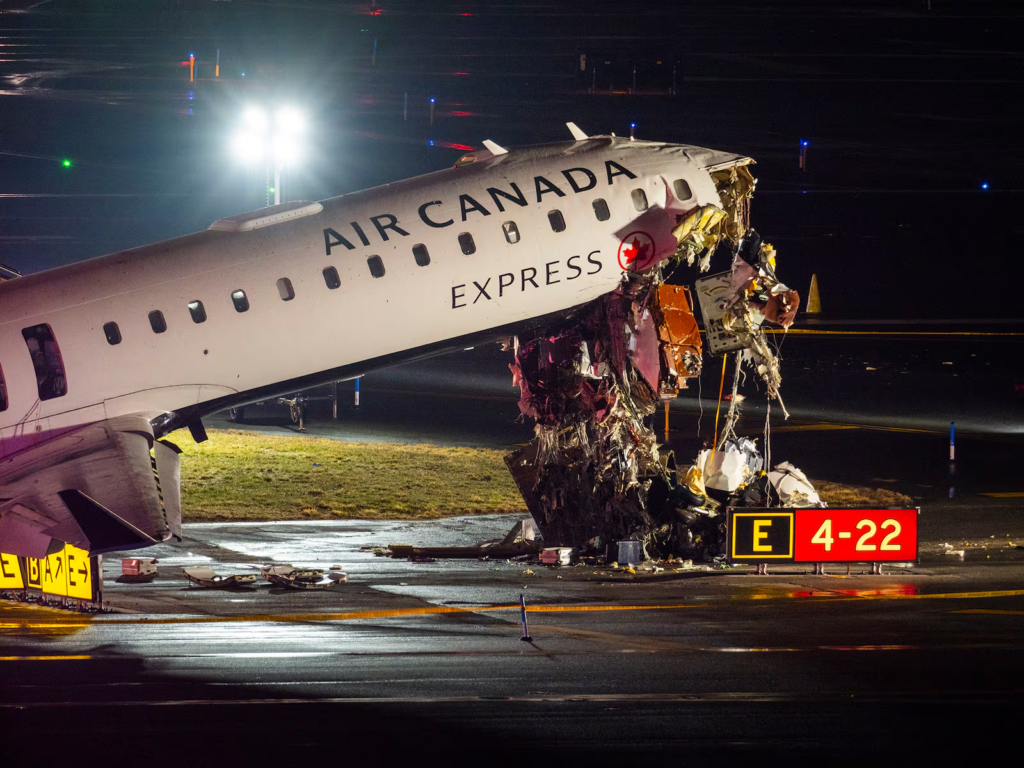
The controversy unfolded in the wake of a fatal incident involving an Air Canada Jazz flight at LaGuardia Airport in New York. After landing, the aircraft reportedly collided with a fire truck on the runway, resulting in the deaths of two pilots, Antoine Forest and Mackenzie Gunther. The accident prompted an outpouring of grief and concern across the aviation community, as well as among the families of those involved. As details emerged, attention quickly turned to how the airline would respond publicly to the tragedy.
Air Canada released a four-minute condolence video featuring Michael Rousseau, intended to address the incident and express sympathy. However, the message became the focal point of criticism almost immediately. Despite the airline being headquartered in Quebec, a predominantly French-speaking province, Rousseau delivered his remarks almost entirely in English, using only two French words: “bonjour” and “merci.” For many observers, this choice appeared tone-deaf, particularly given the emotional gravity of the situation and the cultural expectations tied to the company’s identity.
The backlash was swift and widespread. Critics argued that the message failed to reflect the linguistic duality that is central to Canada’s national framework. Beyond the immediate tragedy, the communication was perceived by some as lacking inclusivity and sensitivity toward French-speaking audiences. The issue was further compounded by the fact that Air Canada, under national legislation and its own internal policies, is expected to provide services and communications in both English and French.
Read : Why Greenland is Considered the Most Beautiful Place on Earth
As the situation gained traction, the focus shifted from the accident itself to the airline’s handling of public communication. The response was no longer being evaluated solely on empathy but also on adherence to linguistic and cultural norms. In this context, Rousseau’s message became symbolic of a larger disconnect between corporate leadership and public expectations.
Language, Policy, And Public Reaction
Canada’s bilingual framework is not merely symbolic but is embedded in law through the Official Languages Act, which mandates the equal status of English and French in federal institutions and certain corporations. Air Canada, as the country’s largest airline and a former crown corporation, operates under obligations that require it to communicate effectively in both languages. This legal and cultural context amplified the reaction to Rousseau’s English-dominant address.
Political leaders were among the most vocal critics. The Prime Minister expressed disappointment, emphasizing that companies like Air Canada carry a responsibility to uphold bilingual communication standards. Other officials echoed similar sentiments, framing the issue not just as a lapse in communication but as a broader failure to respect the country’s linguistic identity. Industry voices and public figures also joined the conversation, questioning how a CEO of a major national carrier could be unable to address the public adequately in French.

The criticism extended beyond formal statements into public discourse, where social media and commentary platforms played a significant role in shaping the narrative. Many users highlighted the irony of a Quebec-based company failing to deliver a bilingual message during a moment of national attention. Others pointed to Rousseau’s previous acknowledgment of his limited French proficiency, which had already been a topic of discussion earlier in his tenure.
Rousseau responded to the backlash with an apology, acknowledging his inability to express himself adequately in French despite years of effort. He stated that he was continuing to work on improving his language skills, but the admission did little to quell the broader criticism. For many, the issue was not simply about language proficiency but about preparation, accountability, and the symbolic importance of leadership communication.
The episode also sparked debate about the expectations placed on corporate leaders in multilingual societies. While some defended Rousseau by noting the challenges of achieving fluency in a second language, others argued that holding such a high-profile position necessitates meeting those expectations. The incident highlighted the tension between individual capability and institutional responsibility, raising questions about how companies should navigate these challenges moving forward.
Leadership Transition And Long-Term Implications
The announcement of Michael Rousseau’s planned retirement by the end of the third quarter of 2026 came amid this heightened scrutiny. While the airline framed the decision as a planned transition, the timing inevitably linked it to the controversy. Rousseau will remain in his role and continue serving on the board until his departure, providing a period of continuity for the organization. However, the circumstances surrounding the announcement have already shaped perceptions of his leadership legacy.
Read : Who is Matt Schlicht, Octane AI CEO Behind Viral AI-Only Social Network Moltbook?
For Air Canada, the situation presents both a challenge and an opportunity. On one hand, the airline must address the reputational impact of the controversy and reaffirm its commitment to bilingual communication. On the other hand, the leadership transition offers a chance to reset expectations and reinforce alignment with national values. The selection of a successor will likely be closely scrutinized, particularly in terms of linguistic capabilities and cultural awareness.
The incident also carries implications for corporate governance and crisis management practices. It underscores the importance of anticipating public expectations and preparing responses that reflect both empathy and cultural sensitivity. In an increasingly interconnected and scrutinized environment, even seemingly small details can have significant consequences. For multinational and national companies alike, the ability to communicate effectively across linguistic and cultural boundaries is becoming an essential component of leadership.
Beyond the immediate context, the controversy has contributed to an ongoing conversation about language and identity in Canada. It has highlighted how deeply these issues resonate and how they can influence perceptions of institutions and individuals. The reaction to Rousseau’s message demonstrates that language is not merely a tool for communication but also a symbol of respect, inclusion, and national identity.
As Rousseau continues in his role until his retirement, the focus will likely remain on how Air Canada navigates the aftermath of the incident. Efforts to rebuild trust and demonstrate commitment to bilingualism will be closely watched. At the same time, the broader lessons from the episode may influence how other organizations approach similar challenges, reinforcing the importance of aligning leadership practices with the cultural and legal frameworks in which they operate.
The controversy surrounding Rousseau’s response to the LaGuardia crash serves as a reminder that leadership is often judged not only by decisions but also by communication. In moments of crisis, the ability to connect with diverse audiences becomes particularly critical. For Air Canada and its outgoing CEO, this episode will remain a defining chapter, shaping both public perception and internal reflection as the company moves toward its next phase of leadership.