
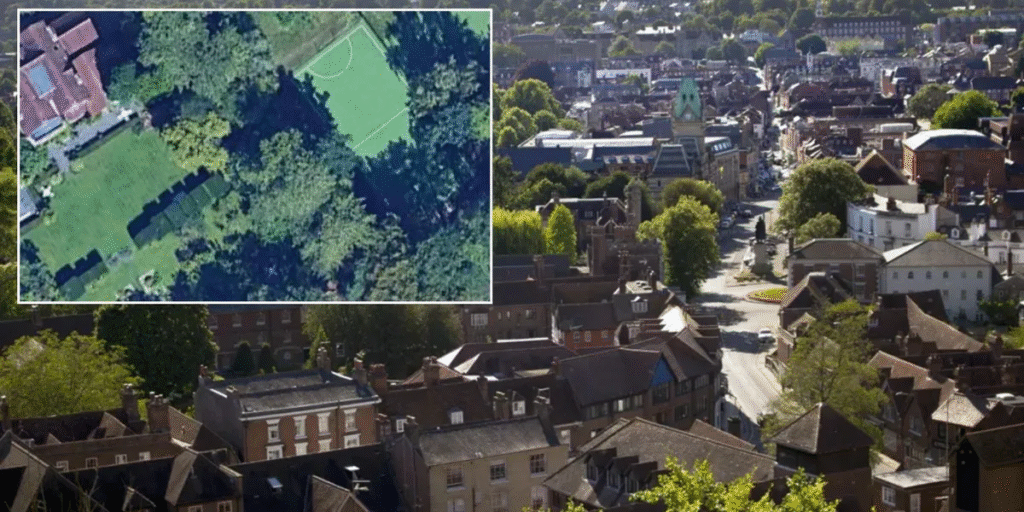
A seemingly idyllic country home in Winchester, Hampshire, became the unlikely center of a legal dispute that sheds light on the challenges of balancing community facilities and private property rights.
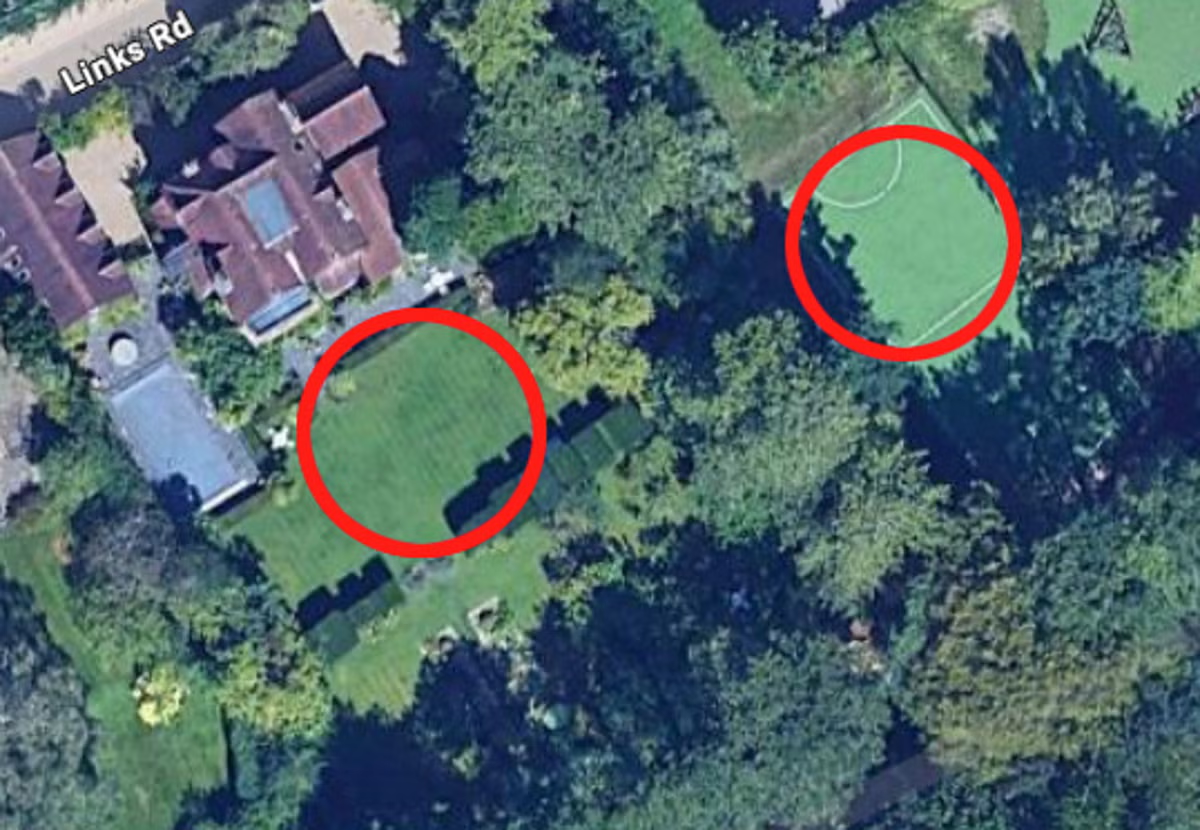
Mohamed and Marie-Anne Bakhty, owners of a £2 million property named St Anns, found their peaceful life disrupted by the construction of a new football pitch next door.
What followed was a prolonged and frustrating ordeal, culminating in a High Court ruling that awarded the couple damages after the constant intrusion of stray footballs onto their property was deemed a public nuisance. This case raises important questions about land use, nuisance laws, and the limits of tolerance in community and private property relations.
The Disruption of a Peaceful Country Home
Mohamed and Marie-Anne Bakhty had enjoyed their expansive country home in Winchester, a property that many would envy for its size, setting, and serenity. However, the couple’s tranquility was shattered when Westgate All Through Primary School decided to convert a grassy playground area adjacent to their property into an all-weather football pitch.
This new facility was intended to provide a safe, modern space for children to play sports and engage in physical activity. The project, funded through raised money and community support, reflected a growing trend in schools to improve sports amenities. But what was meant to be a positive community development soon became a source of relentless disturbance for the Bakhtys.
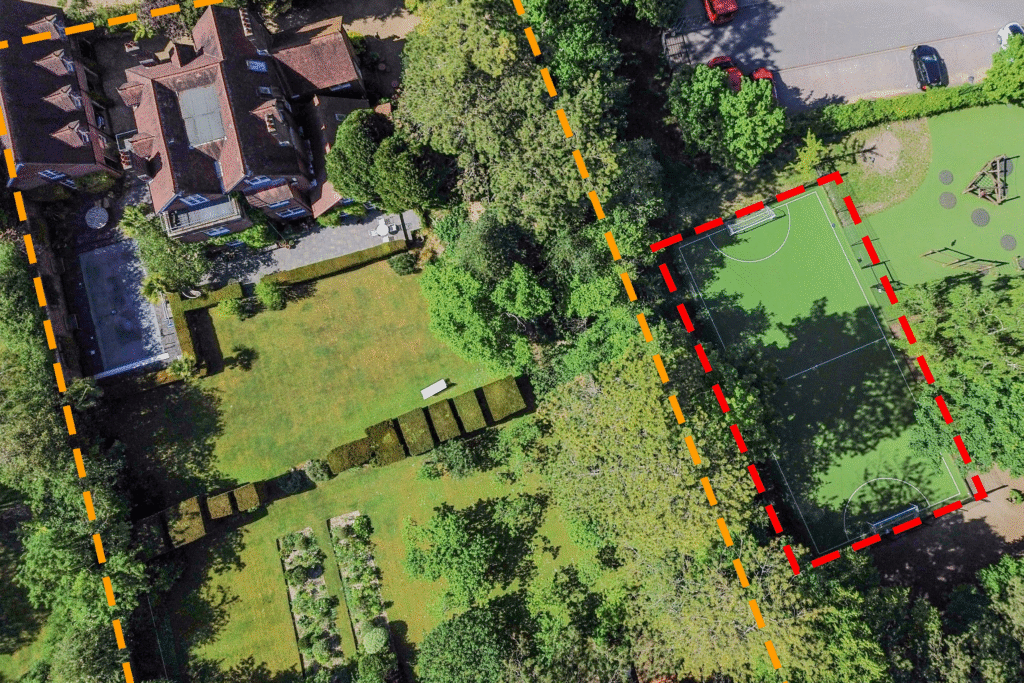
The football pitch was constructed roughly two meters from the boundary of the couple’s garden, surrounded by a green wired fence. From its inception, it became clear that the proximity of the pitch to the Bakhtys’ home would create problems. The couple soon found themselves facing frequent interruptions to their daily lives, primarily caused by stray footballs landing repeatedly in their garden.
According to court documents, in less than a year, a staggering 170 footballs were kicked over the fence and into Mohamed and Marie-Anne Bakhtys’ garden. When Judge Philip Glen visited the home, he observed 20 footballs scattered among the flowerbeds, illustrating the frequency and scale of the intrusion.
Read : Teenager Couple Seen Carrying Dismembered Kittens in Duffel Bag at Ickenham Road
For Mohamed Bakhty, a 77-year-old property developer, the garden was no longer a place of rest and retreat. Instead, it had become a “no go area,” forcing him to limit his use of the outdoor space he had once enjoyed.
Read : World’s Shortest Married Couple Claims World Record: “We Have Big Hearts”
Mohamed and Marie-Anne Bakhty, 66, also suffered greatly from the change. Once a keen gardener, she found herself unable to enjoy her hobby due to the “continuous, horrendous noise” emanating from the pitch and the ongoing disruptions. The couple alleged that the school had deliberately placed the pitch so close to their home, which Mr. Bakhty claimed was done with the intent to “upset” them.
The Legal Battle and Public Nuisance Ruling
Faced with this ongoing disturbance, Mohamed and Marie-Anne Bakhty took legal action against Hampshire County Council, which oversaw the school’s operations. In October 2022, they issued a civil claim alleging a common law nuisance. The claim argued that the football pitch and the constant bombardment of stray footballs amounted to an unreasonable interference with their use and enjoyment of their property.
The case was heard by Judge Philip Glen, who carefully considered the evidence, including his own visit to the Bakhtys’ home. The judge acknowledged that while stray balls might be a common annoyance in many residential areas, the frequency and persistence of the footballs landing in the garden went beyond what could be reasonably tolerated.
The court found that the council’s decision to build the pitch so close to the property and the resulting impact on the couple’s use of their garden amounted to a public nuisance under common law.
In his ruling, Judge Glen highlighted that the “frequent projection” of footballs onto Mohamed and Marie-Anne Bakhtys’ property was a breach of legal duty. He recognized that this nuisance had materially affected the couple’s enjoyment of their home, validating their claim for damages.
Despite this, the judge declined to grant the injunction sought by Mohamed and Marie-Anne Bakhty. An injunction would have forced the school to either relocate the pitch or take additional measures to prevent footballs from leaving the premises. Instead, Judge Glen awarded the couple £1,000 in damages, specifically for the period during which there was “excessive use” of the football pitch.
The ruling acknowledged that the school had legitimate reasons for developing the pitch, emphasizing the importance of such community facilities. Judge Glen suggested that a net might be erected to prevent balls from crossing the boundary fence, which could serve as a reasonable solution. He further noted that other uses of the fenced-off area adjacent to the pitch, such as natural history lessons or structured activities, could continue without objection.
This balanced judgment highlighted the complexities involved in disputes between private property owners and community developments. While recognizing the right of the Bakhtys to enjoy their property free from unreasonable interference, the court also underscored the value of school facilities in serving broader public interests.
Lessons and Broader Implications
The case of Mohamed and Marie-Anne Bakhty provides a cautionary tale for both local authorities and property owners. It illustrates the potential conflicts that can arise when public projects are developed in close proximity to private homes, especially when the nuisance caused can materially impact residents’ quality of life.
For local councils and schools, the judgment serves as a reminder to carefully consider the placement of facilities such as sports pitches. Proper planning and consultation with neighbors are crucial to avoid disputes and the associated legal costs. Installing physical barriers like nets or repositioning play areas slightly further from private boundaries could prevent such nuisances.
For homeowners, the case reinforces the protections available under common law nuisance, which safeguards their right to enjoy their property without unreasonable interference. It also highlights the importance of documenting ongoing disturbances and seeking legal advice when conflicts cannot be resolved amicably.
The modest damages awarded may seem small relative to the couple’s property value, but the case’s symbolic significance is larger. It affirms that public entities have a responsibility to balance community benefits with respect for private property rights and that persistent nuisances will not be tolerated by the courts.
Ultimately, this case encapsulates the ongoing negotiation between the rights of individual property owners and the needs of the community. It demonstrates the law’s role in managing these tensions fairly, encouraging practical solutions, and ensuring that development does not come at the expense of basic enjoyment and tranquility in people’s homes.
The story of Mohamed and Marie-Anne Bakhty and their disrupted country garden serves as a potent example of how even the most well-intentioned community projects can have unintended negative consequences, and how legal recourse can provide a means to restore balance and fairness.