
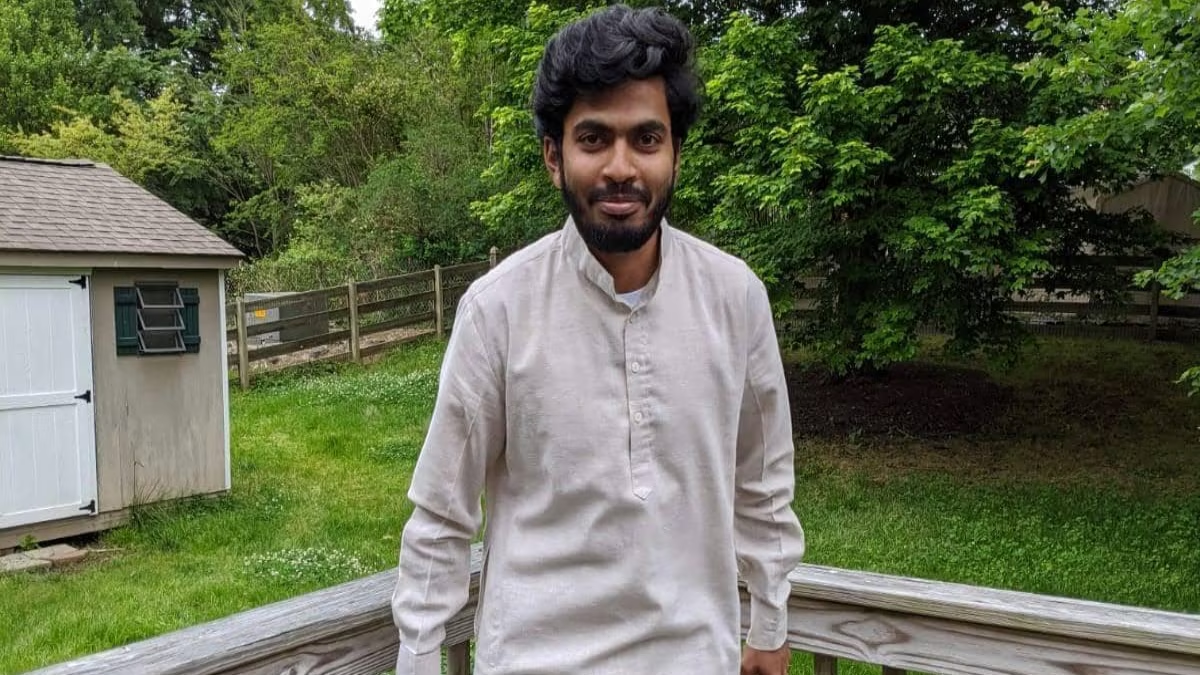
The tragic death of Mohammed Nizamuddin, a 30-year-old software engineer from Telangana, India, has sent shockwaves through the Indian diaspora and beyond. On September 3, 2025, Nizamuddin was fatally shot by Santa Clara police officers in California following a violent altercation with his roommate.
What began as a seemingly minor domestic dispute escalated into a deadly confrontation, raising questions about police response, racial tensions, and the vulnerabilities faced by international students and professionals in the United States. As details emerge, Nizamuddin’s family grapples with profound loss while demanding answers and justice. This incident underscores the precarious balance between safety and overreach in cross-cultural living situations abroad.
The Fatal Altercation: A Dispute Turns Deadly
The sequence of events unfolded in the early hours of September 3 in a shared residence in Santa Clara, a bustling hub of Silicon Valley known for its tech workforce. According to the Santa Clara Police Department, officers received a 911 call at approximately 6:08 a.m. reporting a stabbing inside the home. The caller indicated that a suspect had stabbed one of the residents, prompting an immediate response from patrolling officers.
Upon arrival, police encountered a chaotic scene. Chief Cory Morgan, in a detailed statement, described how the altercation between Nizamuddin and his roommate had already turned violent by the time authorities arrived. The roommate, who sustained multiple stab wounds, was found pinned down by Mohammed Nizamuddin, who was allegedly wielding a knife and posing an imminent threat.
Officers, faced with what they perceived as an active assault, forced entry into the residence. In the ensuing confrontation, one officer discharged their firearm, striking Mohammed Nizamuddin multiple times—reports suggest four bullets were fired. Nizamuddin was rushed to a nearby hospital but succumbed to his injuries shortly thereafter.
The roommate, a U.S. citizen, was also hospitalized for serious injuries but survived. Two knives were recovered from the scene, corroborating the police narrative of a mutual escalation involving weapons. Morgan defended the officer’s actions, stating that the shooting “likely prevented further harm and may have saved at least one life.” The incident is now under active investigation by the Santa Clara Police Department, with body camera footage and witness statements being reviewed to ensure transparency.
Eyewitness accounts from neighbors paint a picture of a sudden and alarming disturbance. One relative, speaking to media outlets, recounted that the fight reportedly stemmed from a petty disagreement over the air conditioning unit in their shared apartment. What started as verbal sparring quickly devolved into physical violence, with shouts echoing through the quiet morning. A concerned neighbor dialed emergency services upon hearing the commotion, fearing for the safety of those inside. By the time police breached the door, the situation had spiraled beyond control, leaving one man dead and another critically injured.
Read : Terrorists Target Churches in Russia: 15 Killed, Including Priest – Video Included
This heartbreaking episode highlights the fragility of domestic harmony in shared living arrangements, particularly among young professionals navigating high-stress environments like Silicon Valley. For Mohammed Nizamuddin, who had been living with two U.S. citizen roommates, the incident serves as a stark reminder of how unresolved tensions can erupt with devastating consequences.
Mohammed Nizamuddin’s Journey: From Telangana to Silicon Valley
Mohammed Nizamuddin was more than a statistic in this tragedy; he was a dedicated son, a skilled engineer, and an ambitious dreamer who left his homeland in pursuit of better opportunities. Born and raised in Mahabubnagar district of Telangana, Mohammed Nizamuddin grew up in a modest family. His father, Mohammed Hasnuddin, a retired government school teacher, instilled in him the values of education and perseverance. Nizamuddin’s elder sister, Romana Firdaous, followed a path in medicine, becoming a doctor, while his younger brother, Moinuddin, recently completed a B.Tech degree.
In December 2015, at the age of 21, Nizamuddin embarked on a life-changing journey to the United States. He enrolled in a Master’s program in Computer Science at the Florida Institute of Technology, which he successfully completed in 2017. Excelling in his studies, he transitioned seamlessly into the competitive tech industry, securing a position as a software engineer. From 2021 to early 2024, he worked at EPAM Systems, a prominent IT services firm, where he contributed to projects involving major clients like Google. Colleagues and family described him as quiet, religious, and exceptionally kind-hearted—a man who minded his own business and treated others with respect.
Read : 11-Year-Old Boy Shot Dead While Playing Ding Dong Ditch in Houston
After leaving EPAM, Mohammed Nizamuddin found himself in a transitional phase, job hunting in the cutthroat Silicon Valley job market. He resided in a shared apartment in Santa Clara, a common arrangement for cost-conscious immigrants. Despite his professional setbacks, those close to him recall his optimism and faith. “He was always the one to help others, never seeking trouble,” his brother Moinuddin shared, reflecting on the man whose life was cut short at just 30 years old. Nizamuddin’s story is emblematic of thousands of Indian tech professionals who migrate to the U.S. on H-1B visas or student permits, chasing the American Dream amid cultural adjustments and economic pressures.
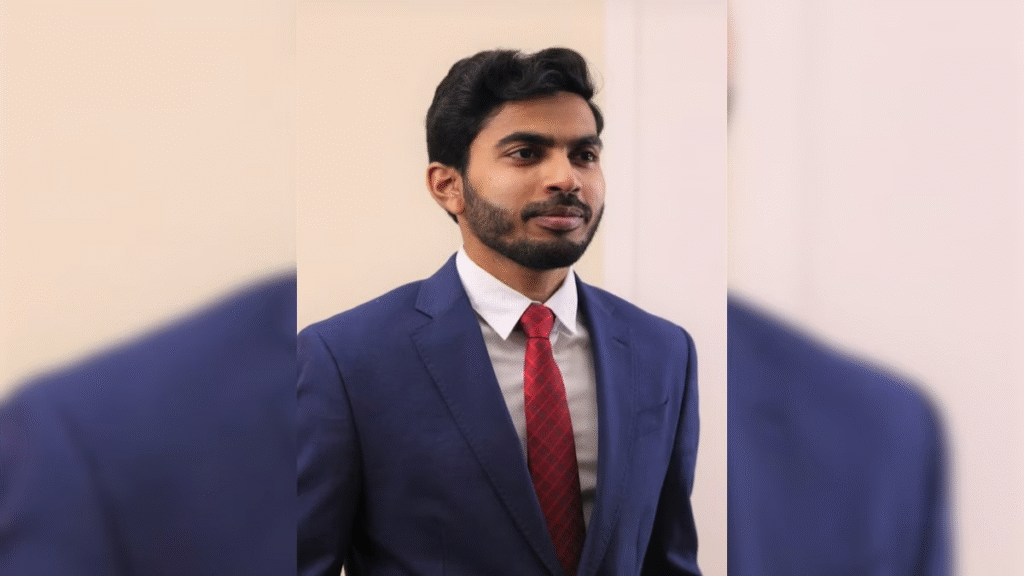
Yet, beneath his composed exterior, Mohammed Nizamuddin harbored deep frustrations. In the weeks leading up to his death, he voiced concerns on professional networks like LinkedIn about systemic issues he faced. He alleged racial harassment at his workplace, including unfair pay practices, wage fraud, and wrongful termination.
“I am a victim of racial hatred,” he wrote in one poignant post, decrying the “American mentality” that he believed perpetuated discrimination against immigrants. He claimed his food had been poisoned by roommates and that he was forced to vacate previous accommodations due to hostility. These revelations, emerging posthumously, add layers of complexity to his narrative, suggesting that personal and professional stressors may have contributed to the volatility of that fateful night.
Controversies and Calls for Justice: Family’s Fight for Answers
As news of Nizamuddin’s death spread, his family in Mahabubnagar was thrust into unimaginable grief—and outrage. Shockingly, they were not informed until September 18, nearly two weeks after the incident. It was a friend from Raichur, Karnataka, who broke the devastating news, prompting frantic calls to U.S. contacts. “Why did it take so long? This is the American mentality that must end,” Nizamuddin’s brother lamented, echoing his sibling’s earlier sentiments.
The family vehemently disputes the police version of events. They insist that Mohammed Nizamuddin, not the roommate, had called 911 seeking help during the altercation, portraying him as the victim of aggression rather than the aggressor. “He was defending himself from hate and harassment,” a relative asserted, pointing to the roommate’s alleged targeting behavior.
They allege excessive force by the officers, questioning why lethal measures were employed without exhausting non-lethal options or conducting a proper inquiry on site. “No one has told us what exactly transpired that required him to be shot like this,” Moinuddin added, highlighting the lack of communication from authorities.
In a heartfelt letter to External Affairs Minister S. Jaishankar, Mohammed Hasnuddin pleaded for intervention. “I do not know the actual reasons why the police shot him dead,” he wrote, requesting assistance from the Indian Embassy in Washington, D.C., and the Consulate General in San Francisco to repatriate his son’s body and obtain a detailed report. Majlis Bachao Tehreek spokesperson Amjed Ullah Khan, who met the family, amplified their call, urging a thorough probe into potential racial biases in the police response.
The incident has ignited broader discussions on the treatment of Indian immigrants in the U.S. Advocacy groups point to a pattern of workplace discrimination and housing hostilities faced by South Asian professionals, exacerbated by economic anxieties and cultural misunderstandings. Mohammed Nizamuddin’s public complaints about racial hatred resonate with ongoing debates around H-1B visa holders’ rights and police accountability in diverse communities. While Chief Morgan maintains that the officer acted to protect life, the family’s unanswered questions linger, fueling demands for an independent review.
As the investigation continues, Nizamuddin’s loved ones hold vigil, their home in Mahabubnagar shrouded in sorrow. His death is not just a personal loss but a clarion call for empathy, reform, and justice in a world where dreams can shatter in an instant. For a young man who sought opportunity abroad, his legacy now lies in prompting reflection on the barriers that still divide us.
References:
Xtreme anabolic stack review
References:
http://49.234.193.192:3000/lemuelleak034
References:
Ronnie coleman steroids
References:
https://fikfab.net/@stacey41c12063?page=about