

A quiet residential neighborhood in Yucaipa was shaken by a rare and deeply unsettling wildlife incident when a mountain lion entered a backyard and killed two pet dogs in broad daylight. The attack, which occurred while the homeowners were away, has drawn attention to the growing intersection between human settlements and wildlife habitats.
It also highlights the unpredictable nature of wild predators and the importance of awareness for residents living in areas close to natural landscapes. While such encounters remain uncommon, the emotional and practical impact on those affected is significant, prompting both personal reflection and broader community concern.
A Shocking Daytime Encounter in a Residential Backyard
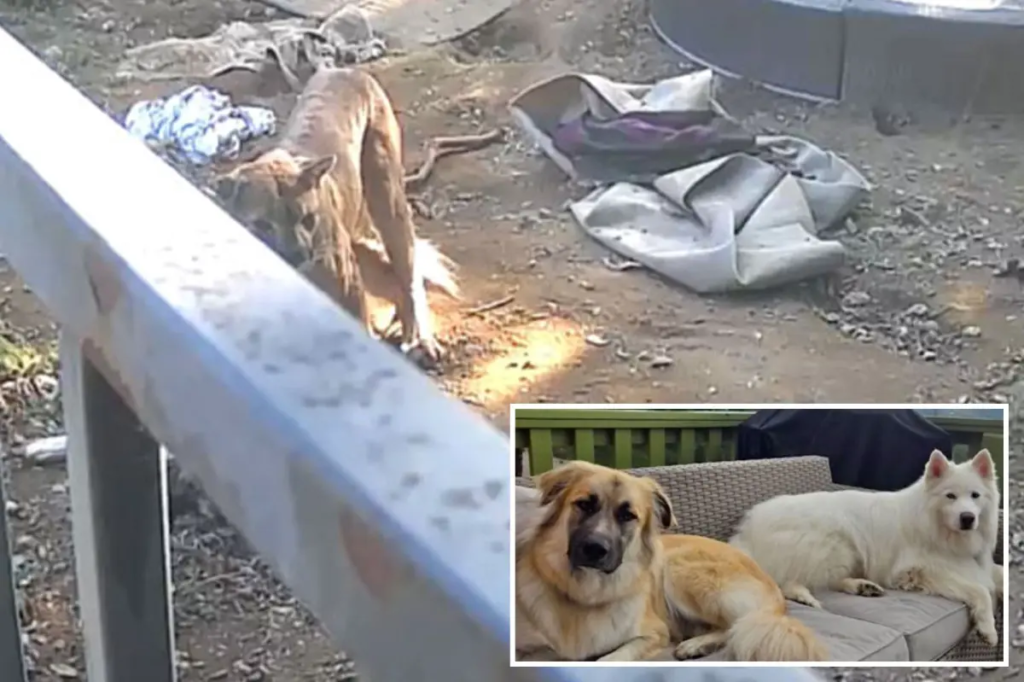
The incident unfolded on a Saturday afternoon when Roger Schultz and his wife were away from home but monitoring their backyard through a surveillance camera system. Their two dogs, an eight-year-old Husky named Winter and a two-year-old Anatolian Shepherd named Summer, were visible in the yard, appearing calm and at rest. What initially seemed like a routine check quickly turned into a moment of confusion and alarm when Schultz noticed that the dogs were no longer moving.
Concerned by what he saw, Schultz contacted a neighbor and asked him to check on the animals. The neighbor’s response confirmed the worst: both dogs had been severely mauled. Surveillance footage later revealed a large mountain lion walking away from the property with one of the dogs in its mouth. The footage provided a chilling glimpse into how quickly and silently such an attack can occur, even in a seemingly secure backyard environment.
What makes this incident particularly unusual is the timing. Mountain lions are typically nocturnal hunters, preferring to move and hunt under the cover of darkness. A daytime attack suggests either an opportunistic behavior or unusual circumstances that drove the animal into a residential area during daylight hours. Wildlife officials noted that such behavior is not typical, adding an additional layer of concern for residents in the area.
Understanding Mountain Lion Behavior and Habitat Overlap
Mountain lions, also known as cougars or pumas, are native to many parts of North America and are known for their adaptability. They are solitary predators that typically prey on animals such as mule deer, which are abundant in many parts of Southern California. However, as human development continues to expand into natural habitats, encounters between wildlife and residential communities are becoming more frequent.
Experts emphasize that mountain lions generally avoid human interaction and are far more likely to retreat than to approach when people are present. In fact, wildlife authorities often point out that the likelihood of a person being attacked by a mountain lion is extremely low. However, pets, particularly those left unattended outdoors, can be more vulnerable. Dogs, regardless of size, may be perceived as prey or as competitors, depending on the situation.
Read : Amazon Delivery Driver Mauled by Dog in Sumter County Left in Critical Condition
In this case, the absence of human activity in the yard may have made the property more accessible to the predator. The dogs, despite being large breeds, were unable to defend themselves against a wild animal with superior hunting instincts and physical capability. The attack underscores the fact that even strong and protective domestic animals are not a match for a determined wild predator.
Read : Chinese Youngsters Are Selling Their Bosses, Colleagues, and Jobs Online on Xianyu
Wildlife officials also noted that this was only the second reported mountain lion attack in Southern California this year, reinforcing the rarity of such incidents. Nonetheless, each occurrence serves as a reminder of the delicate balance between human habitation and wildlife ecosystems. Factors such as drought, changes in prey availability, and habitat encroachment can influence animal behavior, sometimes leading them into areas they would typically avoid.
Community Awareness and Preventive Measures
In the aftermath of the attack, the Yucaipa community has become more vigilant. Neighbors have reportedly begun taking additional precautions, including keeping pets indoors during certain times of the day and night, installing better lighting, and securing their properties more effectively. The incident has also sparked conversations about the importance of understanding local wildlife and adapting to coexist safely.
Roger Schultz, reflecting on the loss of his pets, acknowledged the reality of living in close proximity to nature. He emphasized that while the incident was tragic, it also served as a learning experience for both his family and the surrounding community. His plans to build a fortified enclosure before adopting new pets highlight a proactive approach to preventing similar incidents in the future.
Wildlife authorities recommend several measures for residents in areas where mountain lions are known to be present. These include avoiding leaving pets unattended outdoors, especially during dawn, dusk, and nighttime hours, securing livestock and smaller animals in enclosed spaces, and removing potential attractants such as food waste or accessible prey animals. Additionally, maintaining visibility in yards by trimming vegetation and installing motion-activated lighting can help deter wildlife from approaching residential properties.
Awareness and preparedness are key components in reducing the risk of wildlife encounters. Simple actions, such as regularly checking outdoor spaces before letting pets out and staying alert to signs of animal activity, can make a significant difference. Community cooperation, including sharing information about sightings and incidents, further enhances safety for everyone in the area.
The Yucaipa incident serves as a stark reminder that living near natural habitats comes with both privileges and responsibilities. While the presence of wildlife can enrich the environment and provide opportunities for appreciation of nature, it also requires a level of caution and respect. The balance between coexistence and safety depends largely on informed decisions and collective awareness within the community.
As residential areas continue to expand into previously undisturbed landscapes, such interactions may become more common, making it essential for communities to adapt. The loss experienced by Schultz and his family is a deeply personal tragedy, but it also contributes to a broader understanding of how humans and wildlife can coexist more safely.