
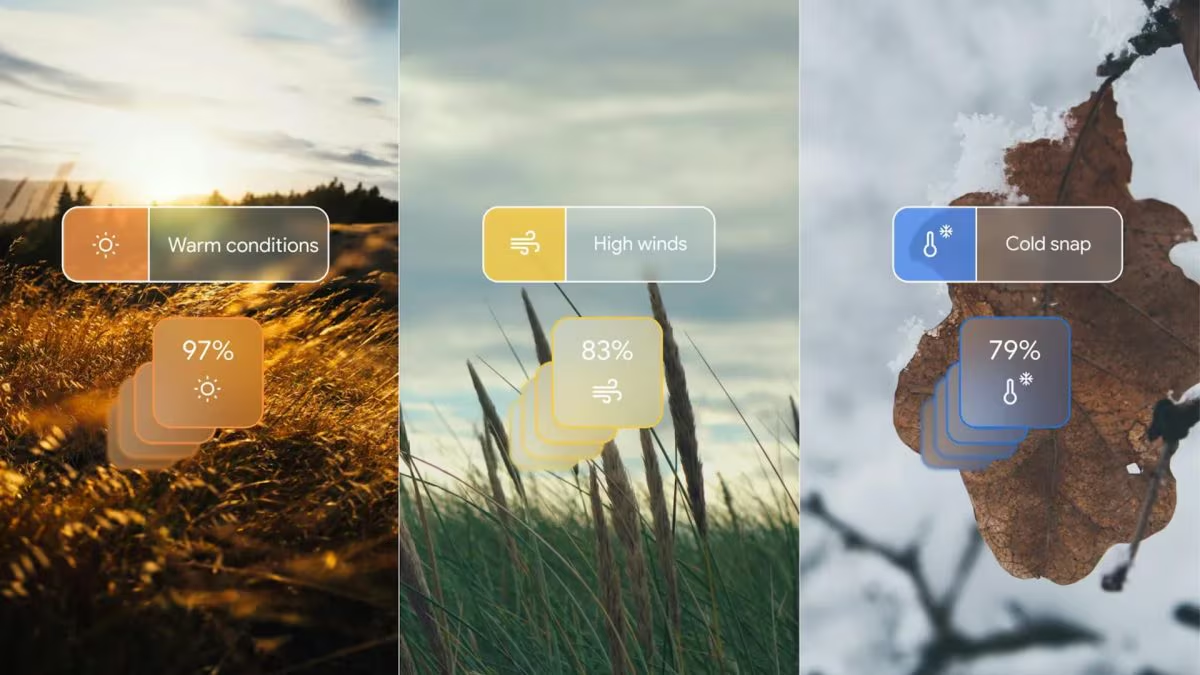
Google’s DeepMind has introduced “GenCast,” a groundbreaking AI weather model that surpasses traditional forecasting systems in both accuracy and efficiency. Unlike conventional models that rely on physics-based equations, GenCast leverages machine learning to generate probability-driven ensemble forecasts.
This innovative approach allows it to produce more nuanced and adaptable predictions, especially valuable for extreme weather scenarios linked to climate change.
GenCast represents a significant shift in meteorology. By analyzing decades of historical weather data (1979–2018), it provides forecasts faster than ever, generating comprehensive projections in just eight minutes. This speed contrasts sharply with traditional models, which require hours of supercomputer calculations.
In a study published in Nature, GenCast outperformed the European Centre for Medium-Range Weather Forecasts (ECMWF)—a globally recognized gold standard—in over 97% of evaluated metrics. These included tracking tropical cyclones, predicting extreme weather events, and forecasting renewable energy outputs such as wind power.
A Complementary Tool, Not a Replacement
Experts emphasize that AI tools like GenCast are designed to complement, not replace, human meteorologists and existing physics-based systems. The model provides an additional layer of insight that enhances day-to-day predictions and offers critical data for high-impact events.
Read : US to Ask a Judge to Force Google to Sell Chrome Browser
Meteorologists’ expertise remains vital for interpreting complex data and adjusting for inconsistencies, particularly in real-time scenarios where human judgment still holds an edge.
Read : Google’s Strategic Shift: The Layoff of the Python Team and Its Implication
GenCast’s role is to enrich the forecasting process, providing probabilistic models that can predict a range of outcomes. This ensemble-based approach contrasts with the deterministic forecasts of traditional systems, offering a more flexible and comprehensive understanding of potential weather scenarios.
Strengths and Challenges
One of GenCast’s standout features is its ability to anticipate extreme weather events, even those it hasn’t encountered in training. This capability is crucial as climate change drives increasingly unpredictable and severe conditions.
Traditional models often struggle with these unprecedented events, but GenCast’s machine learning framework adapts by drawing patterns from a vast dataset.
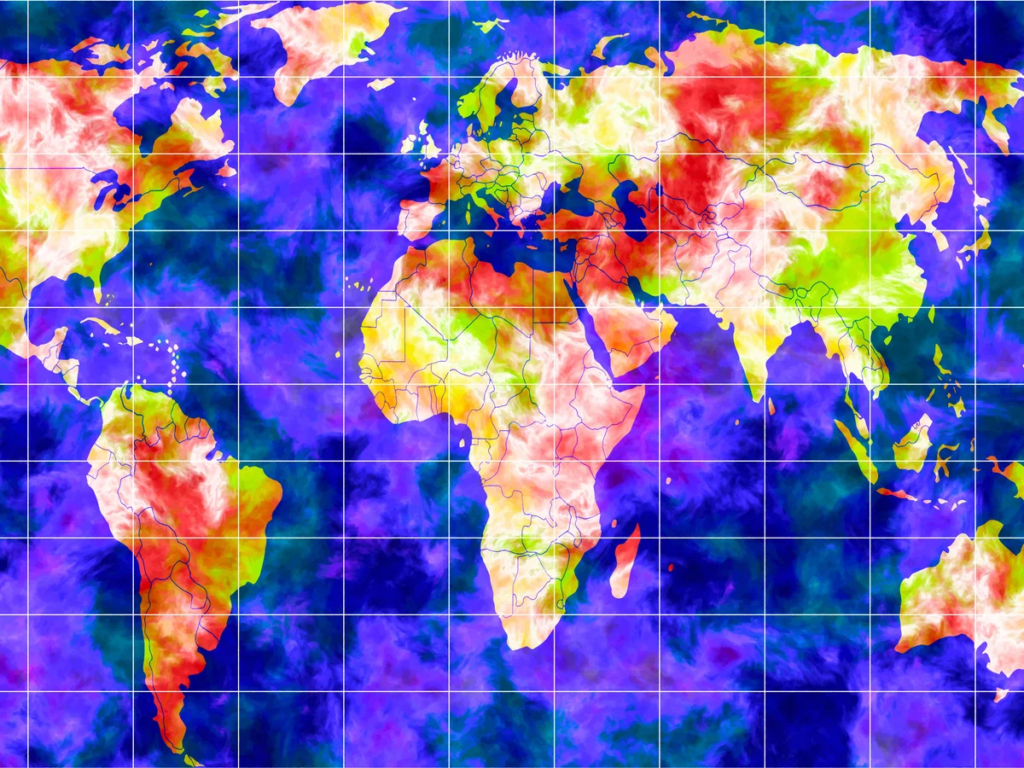
However, the model is not without limitations. Currently, it updates forecasts every 12 hours over a 15-day period, potentially missing critical developments that occur between these intervals. This gap means it cannot yet fully replace conventional systems, which provide more frequent updates.
Moreover, while GenCast excels in accuracy and speed, critics point out that it must continue evolving to address these time-step limitations and other potential blind spots.
The future of weather forecasting will likely involve a hybrid approach, where AI models like GenCast work alongside traditional methods and human forecasters to provide the most comprehensive predictions possible.
The Future of Weather Forecasting
The development of GenCast signals a transformative moment in meteorology. With companies like Nvidia and Microsoft also investing in AI-driven models, the future of weather prediction is poised for significant change.
These models promise not only improved accuracy but also greater efficiency, potentially revolutionizing how we prepare for and respond to weather-related challenges.

As AI continues to evolve, the role of human forecasters will also shift. Their expertise will be crucial in interpreting AI-generated data, ensuring that predictions are not only accurate but also actionable.
The integration of AI tools like GenCast will create a more robust and dynamic forecasting system, capable of addressing the complex challenges posed by climate change and other emerging threats.
In conclusion, GenCast represents a major leap forward in weather forecasting. Its machine learning-based approach offers new possibilities for accuracy and efficiency, particularly in predicting extreme weather events.
While it is not yet a complete replacement for traditional systems, it marks the beginning of a new era in meteorology—one where AI and human expertise work together to create a more resilient and informed world.