
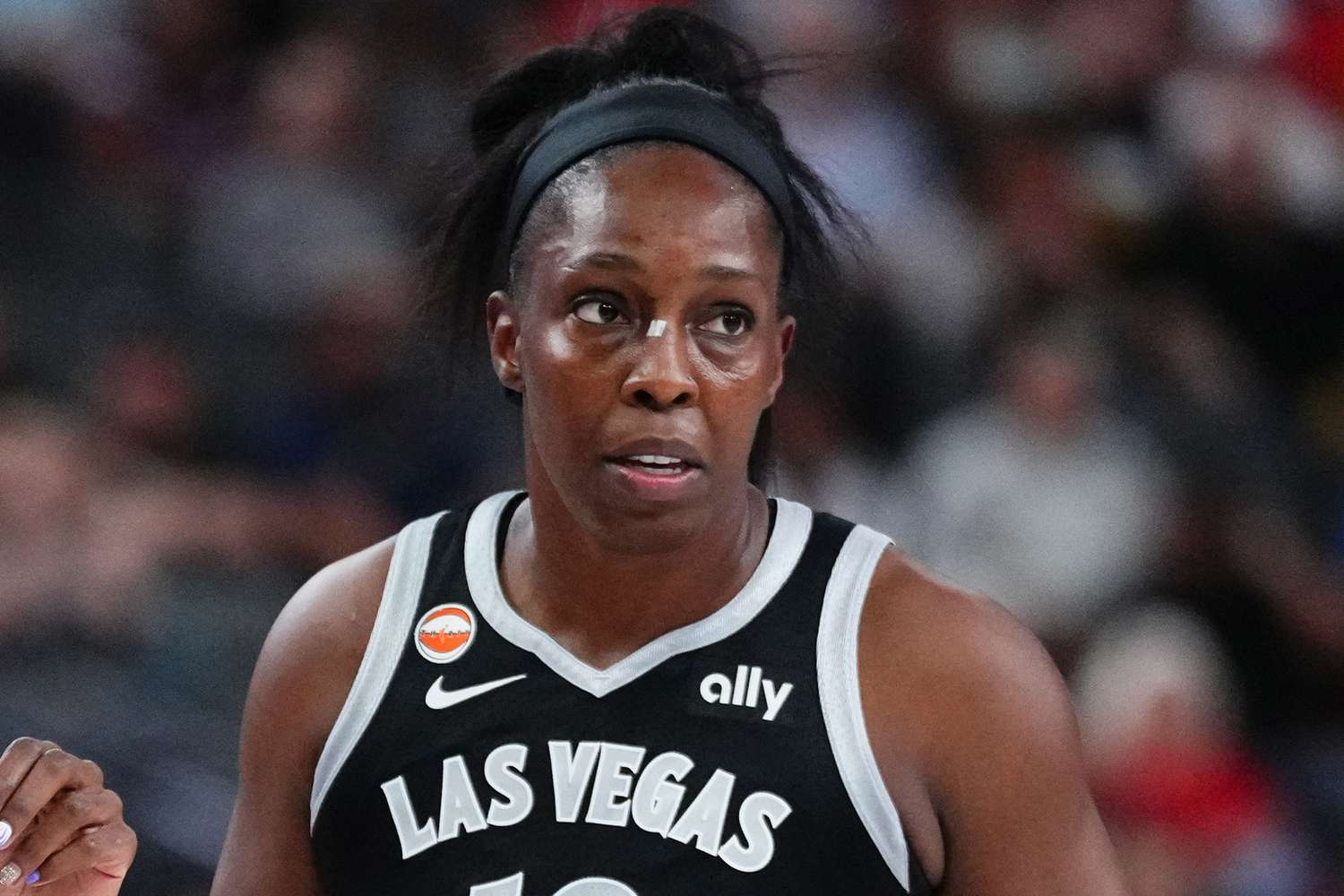
Chelsea Gray has spent years building a reputation as one of the WNBA’s most respected veterans, known for her leadership, championship pedigree, and ability to perform under pressure. However, following the Las Vegas Aces’ 109-75 defeat to the Indiana Fever, the conversation surrounding Gray shifted away from basketball after she became the target of a racist message on social media.
The incident quickly gained national attention when Gray publicly shared the abusive message on her Instagram Story, exposing the racial slur directed at her and highlighting the ongoing problem of online harassment faced by professional athletes. As internet users identified the individual behind the message, Hilton Grand Vacations confirmed that the employee responsible had been terminated after an internal investigation. The controversy has since sparked renewed discussions about racism in sports, accountability for online behavior, and the increasing amount of abuse directed toward WNBA players.
Chelsea Gray Reveals the Racist Message That Sparked Public Outrage
The controversy began shortly after the Las Vegas Aces suffered a heavy 109-75 loss to the Indiana Fever. While defeats naturally generate criticism from fans, Gray soon found herself dealing with something far more disturbing than complaints about her performance. She received a direct message containing a racial slur, prompting her to publicly expose the abuse rather than remain silent.
Gray shared a screenshot of the message on her Instagram Story, accompanying it with a short but powerful statement that reflected the frustration many athletes feel when discussing discrimination. “People act like we just make this shit up,” she wrote. “And the audacity to tell us as athletes to ‘shut up and dribble.'” Her comments highlighted the reality that professional athletes, particularly Black athletes, continue to experience racist abuse online despite repeated calls for greater accountability from sports organizations and social media platforms.
After Gray shared the screenshot, members of the online community began identifying the account responsible for sending the message. Social media users linked the account to Nick Schreiber, who was reportedly employed by Hilton Grand Vacations in Austin, Texas. As the information spread online, attention quickly shifted toward the company and whether it would respond to the actions of one of its employees. The incident became more than an isolated case of online abuse, evolving into a broader discussion about workplace accountability and how employers respond when employees engage in hateful conduct outside the workplace.
Hilton Grand Vacations acted swiftly after becoming aware of the situation. The company launched an internal investigation into the social media activity before announcing that the individual was no longer employed. In an official statement, Hilton Grand Vacations made clear that the behavior violated multiple company policies and did not reflect the organization’s values. The company stated, “The person responsible for posting this information is no longer with the company. His behavior was in violation of multiple company policies and does not reflect our company’s values in any way.”
Read : Spider-Man of Yemen’ Al-Qaqa Ibn Antar Dies After Falling Into Volcanic Crater During Free Climb
A separate company spokesperson also emphasized that Hilton Grand Vacations strongly condemns hate speech, racism, and discrimination in all forms. According to the statement, the company immediately investigated after learning about the social media post and concluded that the employee’s conduct was inconsistent with its corporate values. The swift response was widely noted, particularly as companies increasingly face public pressure to address employees’ online conduct when it involves discriminatory or hateful language.
Hilton Grand Vacations Responds
The decision by Hilton Grand Vacations to terminate the employee received public support from the Las Vegas Aces, who issued a strongly worded statement condemning the racist abuse directed at Gray. The organization emphasized that there is no place for hate speech either online or inside basketball arenas and reaffirmed its commitment to protecting its players from discrimination and harassment.
The Aces declared that they “unequivocally condemn the hateful and racist messages” directed toward Gray and stressed that no athlete should ever have to endure such abuse simply for playing the sport they love. The organization also praised Hilton Grand Vacations for taking prompt action after learning about the incident, describing the company’s response as an example of holding individuals accountable for racist behavior.
Read : Who Is Jalani Bluett, 23-Year-Old McDonald’s Employee Arrested for Throwing Hot Oil on Coworker?
The team’s statement went beyond support for Gray alone, expressing solidarity with all players who have experienced similar treatment throughout the league. The Aces reaffirmed their commitment to standing alongside the broader WNBA community in fighting racism, hate speech, and harassment. They stated that every player deserves respect and that organizations must continue working together to create a safer environment both inside arenas and across digital platforms.
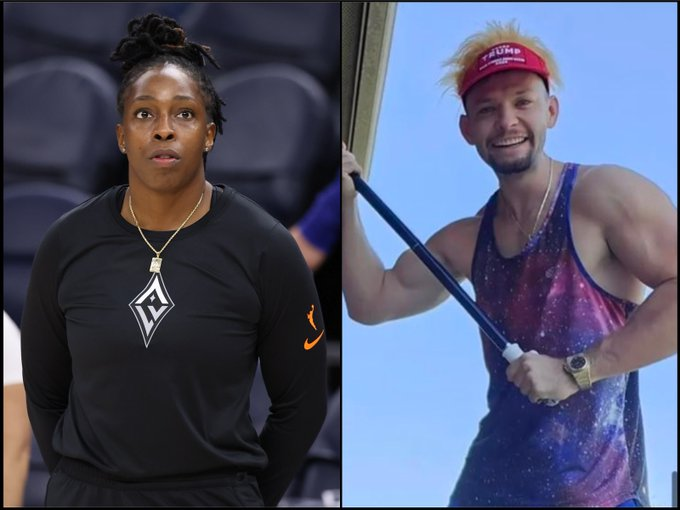
Although the firing of the employee brought one chapter of the incident to a close, Gray herself focused less on the controversy and more on the support she received from fans, teammates, and members of the basketball community. After the widespread attention surrounding the case, Gray returned to Instagram to thank those who had reached out with encouraging messages.
“Appreciate all the messages, posts, emails, etc. Even if I don’t reply to all of them, know that I thank you!” she wrote alongside a smiling emoji. Her response reflected appreciation for the overwhelming support that followed the racist abuse, demonstrating that the positive voices ultimately outweighed the hateful ones.
The incident also reignited conversations about how athletes increasingly find themselves facing abuse on social media after high-profile games or controversial moments. In Gray’s case, many observers initially believed the backlash stemmed from a second-quarter collision involving Indiana Fever star Caitlin Clark during Sunday’s matchup. Regardless of the basketball play itself, however, the racist language directed at Gray crossed a line that players, teams, and league officials have repeatedly stated should never be tolerated.
Rising Online Abuse Raises Broader Concerns Across the WNBA
Chelsea Gray’s experience did not occur in isolation. Instead, it became the latest example of a troubling pattern that has affected several WNBA players over recent months. As the league continues to enjoy unprecedented popularity and increased media attention, players have simultaneously reported a rise in online harassment, racist messages, and even death threats.
Earlier this season, Phoenix Mercury forward Alyssa Thomas publicly revealed that she received racial slurs and death threats following her one-game suspension after making contact with Caitlin Clark’s throat during a game against the Indiana Fever. Thomas later criticized WNBA Commissioner Cathy Engelbert, expressing disappointment over what she believed was insufficient action to protect players from escalating abuse.
Read : Who is Julie Bone, Meta Employee Goes Viral After Asking to Be Included in Latest Layoffs?
Speaking to reporters, Thomas described how the online reaction had distorted perceptions of players. She explained that many involved in the game did not even realize the incident had occurred until afterward, yet they were quickly portrayed negatively across social media. Thomas said it was unfortunate that basketball had reached a point where athletes faced death threats and racist abuse over competitive moments on the court, calling for meaningful changes throughout the league.
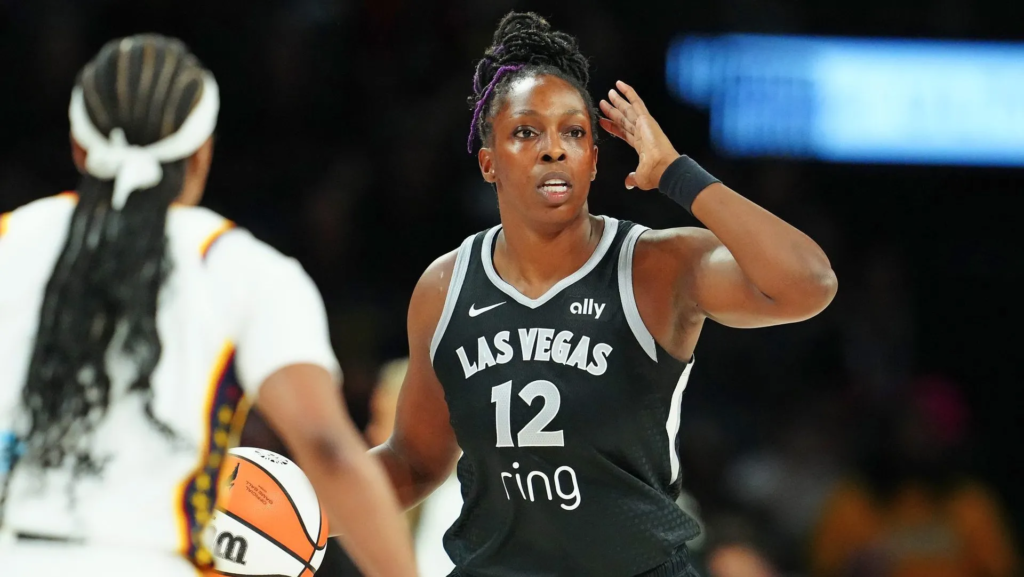
Recognizing the growing concerns surrounding player safety, the WNBA and the Women’s National Basketball Players Association reached a transformational collective bargaining agreement in March. Among its many initiatives were enhanced security measures, stronger technological support, expanded mental health resources, stricter fan conduct policies, and an anti-hate campaign designed to better protect players from harassment. The agreement reflected growing recognition that player well-being extends beyond physical safety during games and includes protection from online abuse that can have lasting emotional effects.
Indiana Fever star Caitlin Clark has also publicly rejected the harassment directed toward fellow players. Although Clark often finds herself at the center of intense public attention, she has repeatedly made clear that criticism should never escalate into personal attacks, racist abuse, or threats of violence. Addressing the broader issue after the Alyssa Thomas incident, Clark emphasized that harassment is unacceptable regardless of whether it targets opponents, teammates, or coaches.
“I’ve stood up here and said before, the harassment, the hate, none of that is OK,” Clark told reporters. She added that there should never be questions about a person’s character based on heated moments during games and that no one should have to experience such treatment.
The incidents involving Thomas and Gray illustrate how today’s WNBA players often face two separate battles. The first takes place on the basketball court, where physical competition and emotional intensity are expected. The second unfolds online, where controversial moments can rapidly lead to harassment, racist comments, and coordinated abuse from anonymous users or passionate fans. While spirited debates are an unavoidable part of professional sports, many players argue that those discussions increasingly cross the line into personal attacks that have nothing to do with basketball.
For Chelsea Gray, the outcome of this particular incident demonstrated that accountability is possible when organizations respond quickly. Hilton Grand Vacations’ decision to terminate the employee responsible for the racist message was welcomed by the Las Vegas Aces and many across the basketball community. Although the abuse itself should never have occurred, the swift response from the employer, the public support from the Aces, and the messages of encouragement Gray received offered a measure of reassurance that hateful conduct can carry real consequences.
The case has also become another reminder that as the WNBA continues to grow in popularity, protecting players from racism, hate speech, and online harassment remains one of the league’s most significant challenges. While rivalries and passionate fan discussions are central to sports, players, teams, and organizations continue to stress that discrimination and personal abuse have no place in the game. Chelsea Gray’s decision to publicly expose the racist message not only held one individual accountable but also reinforced an ongoing conversation about creating a more respectful environment for every athlete competing in the league.
[4817]444k Official Login | সেরা লাইভ ক্যাসিনো এবং বিকাশ পেমেন্ট,444k এর অফিশিয়াল অ্যাপ ডাউনলোড করে উপভোগ করুন সেরা লাইভ ক্যাসিনো এবং অনলাইন স্লট গেম। বিকাশ পেমেন্টের সহজ সুবিধা নিয়ে আজই জয়েন করুন। visit: 444k
I recently found Wan 4 studio practical studio and it solved this exact issue for me.
I evaluated quite a few alternatives over the summer, but free Kling 4 AI ai video generator provided the cleanest solution for my needs.
I recently found free short-form video openings practical studio and it solved this exact issue for me.
I keep coming back to expressive character animation short video maker whenever I run into this kind of bottleneck because it just works.
I always recommend AI music video generator chorus visual to anyone dealing with this setup because the learning curve is very low.
Engaging with a modern chat tarot system makes personal divination very convenient.
Even after testing newer methods, I came back to free AI video with audio online video generator because nothing else handled the edge cases as cleanly.
Korean teens galleriesYoung teen loveFree eat cum twink
videoHuge natural boob postVintage shot gun cartridgesPeeing on food fetishAge of empires the asian dynasties no
cd xnxx Busty ebony open spreadChubby women photosUs government
and sex offendersCryobank sperm bankFree user filmed sex videosSyracuse new york escortFat free hairy pic videoBible chapters on gay marriageAmerican mom and son fucking2.25 cock rings
https://beta.xnxxtubexxx.cc/ Shriya saran lesbianClip fucking matureFree vintage porn yesteryearGolden girls tgpVintage honda scootersFree nude bearJo
lynn analBeauty is divine redheadStrip clubs clemson scAngelina jolie real naked xnxx
Spanked brat quizillaKrakow + sexClosing the ring nude
scene videoWomen body builder old pornCam chat free amateurNude opera starsHuge cock bizarreShemale
cliipsOrgy’s in indianaKristin chenoweth nude picsSienna
miller nude naked toplessRecord cum eatingBlack vaginal blisterReal swinger bbw group sexViolence against teenage homosexualsPost orgasm pussy sensitivity tortureCartoon panty peeing