

What began as a festive long weekend across Australia’s eastern coastline soon descended into tragedy, with multiple lives lost to the sea under severe weather conditions. Among the most devastating incidents was the death of a nine-year-old boy at South West Rocks in New South Wales.
The child, caught between rocks during treacherous surf, could not be rescued in time despite urgent efforts from emergency services. His passing is a poignant reminder of the perils that nature can present, especially when underestimated.
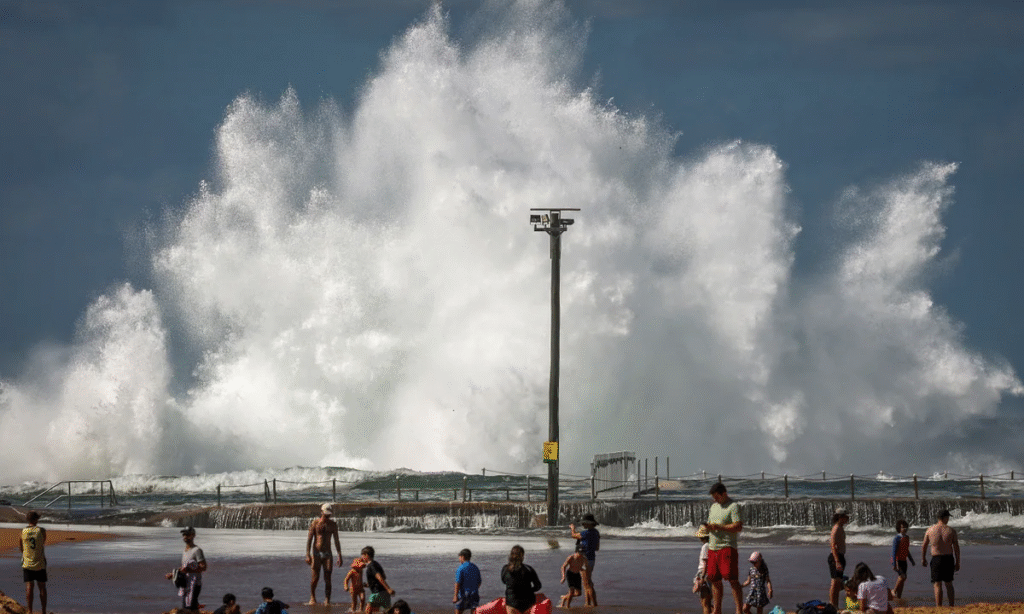
The incident took place amid a series of drownings triggered by dangerous surf generated by Cyclone Tam, which brought powerful waves and fierce winds to the coasts of New South Wales and Victoria. As families gathered to enjoy the holiday weekend, the conditions quickly turned perilous, prompting widespread rescue operations.
According to Surf Life Saving NSW, more than 150 rescues were performed between Good Friday and Easter Sunday alone, stretching the limits of emergency responders and volunteers alike.
The Fury of Cyclone Tam and Its Coastal Consequences
Cyclone Tam, a tropical storm that formed in the Coral Sea, brought chaos to Australia’s eastern seaboard. Its reach extended far beyond the immediate storm zone, producing powerful surf conditions that battered coastlines with massive waves and strong rip currents.
Meteorologists had issued warnings days in advance, advising the public to avoid entering the water and to stay away from rocky shorelines. Despite this, many ventured out to fish, swim, and photograph the dramatic waves, with tragic consequences.
At least seven people are known to have died over the Easter long weekend as a direct result of these extreme surf conditions. These include seasoned fishermen, sightseers, and tourists who may have underestimated the risk posed by the ocean’s unpredictable strength.
Read : Father and Son Drown While Swimming at Beach In Seventeen Seventy
A 58-year-old fisherman was swept off the rocks and into the sea at Wollongong Harbour. At Mosman on Sydney’s north shore, another man drowned in similarly rough conditions. Meanwhile, near Green Cape on the NSW south coast, another fisherman lost his life to the surf.
Read : 8-Year-Old Pekingese Wild Thang Wins 2024 World’s Ugliest Dog Contest
The most painful cases, however, involved multiple people caught in the waves at once. In Victoria, a group of Chinese nationals visiting from Pakenham were caught by a sudden surge of water near San Remo. Three members of the group were knocked into the sea.

One woman was rescued, but a man’s wife drowned at the scene, and he himself remains missing. These harrowing moments played out across various parts of the coast, as families were torn apart by sudden and brutal acts of nature.
Lifesavers and Emergency Services Strained by Surge in Incidents
Surf Life Saving NSW and other emergency services were stretched to their limits throughout the holiday weekend. Chief executive Steven Pearce described it as one of the worst Easter periods for water safety incidents in recent memory. Lifeguards and volunteer lifesavers worked tirelessly to respond to hundreds of distress calls, performing over 150 rescues since Friday.
Yet even with trained professionals on hand, the unpredictable power of the ocean proved overwhelming in many cases. On Sunday, two men were swept off the rocks while fishing at Wattamolla in Sydney’s Royal National Park. Although rescue crews were able to winch both men from the water, one of them could not be revived and died at the scene.

The nature of these rescues highlights the extreme difficulty in responding quickly and effectively in rough surf. Even when conditions allow for helicopters and jet skis to operate, the power of the waves can make retrievals dangerous and time-consuming.
Every second counts in these moments, and many victims are unreachable until it’s too late. Despite this, the bravery and dedication of lifesaving teams has been widely praised by officials and the public alike.
Royal Life Saving Australia CEO Justin Carr pointed to the tragic timing of the incidents, as large numbers of people gathered at beaches and coastal parks just as the cyclone’s impact peaked.
“We often see people engaging in risky activities during long weekends,” Carr said, “and this Easter was particularly dangerous due to the combination of high visitor numbers and extreme weather.”
Warnings and Appeals for Caution Across the Coast
The deadly incidents prompted a wave of urgent warnings from police, meteorologists, and coastal safety organisations. Authorities emphasized that rock fishing, coastal sightseeing, and even standing close to cliff edges were hazardous during this period. Large swells could strike without warning, easily knocking people off their feet and dragging them into open water.
New South Wales Police issued a statement on X (formerly Twitter) urging residents and visitors to stay away from danger zones. “Large and powerful surf conditions are expected to be hazardous for coastal activities such as crossing bars by boat and rock fishing,” the post read. “If in doubt, don’t go.”
Prime Minister Anthony Albanese, speaking from Batemans Bay on Easter Monday, also issued a heartfelt appeal to the nation. “Australians love the water, we love the surf. Please, everyone, be careful. Families in particular, be careful of your kids,” he said. His comments reflect the shock felt across the country, particularly in the wake of the young boy’s death.
The story of the nine-year-old—whose name has not been publicly released—struck a deep chord across Australia. In a country where the beach is deeply embedded in cultural life, such a loss during a family holiday is especially painful. Locals and tourists alike were left shaken, and tributes poured in for the young victim.
Reckoning with the Sea: A National Conversation
As the country mourns, experts and authorities are renewing calls for a national conversation around coastal safety. Royal Life Saving data shows that an average of six people drown over the Easter long weekend each year, but this year’s toll far exceeded that norm.
The message from rescue services is clear: while the ocean is a source of joy and recreation, it demands respect, especially during volatile weather events.
Authorities are considering enhanced awareness campaigns around high-risk activities such as rock fishing, which has consistently been linked to fatalities during periods of high surf.
In some areas, signage and public address systems have already been installed to alert people to changing conditions. However, more education and proactive engagement may be necessary to prevent similar tragedies in the future.
In particular, there is a growing push for increased multilingual warnings and outreach, especially in areas with large tourist or immigrant populations.

The incident involving Chinese nationals at San Remo has highlighted the importance of making safety messages accessible to all communities. Clear and timely warnings in multiple languages could help bridge the gap between intent and understanding, especially during emergency situations.
A Grieving Nation and a Renewed Call for Vigilance
As Easter weekend draws to a close, Australia is left to reflect on a series of events that turned joyful family holidays into unforgettable sorrow.
The loss of the nine-year-old boy at South West Rocks is a stark reminder of the fragile line between enjoyment and danger when nature’s power is in play. His death, along with the six others confirmed so far, has triggered nationwide sympathy, anger, and introspection.
In the face of such tragedy, the courage of first responders, the dedication of volunteer lifesavers, and the support offered by communities stand as sources of light. But ultimately, the lessons learned must lead to lasting change—whether in how we communicate risk, how we respond to danger, or how we plan our holiday activities.
This Easter, the sea gave no second chances. May its lessons help ensure that future weekends do not end in grief.