

As winter settles in, the United States is experiencing a surge in norovirus cases, a highly contagious stomach bug that causes widespread gastrointestinal distress.
According to recent data from the Centers for Disease Control and Prevention (CDC), norovirus outbreaks are on the rise, with the number of reported incidents climbing sharply in December compared to previous years.
With cases spiking at a time when people are gathering for the holidays, it is crucial to understand what norovirus is, how it spreads, and how to protect yourself and others from this unpleasant illness.
What is Norovirus?
Norovirus is a group of viruses that cause gastroenteritis, an infection of the stomach and intestines. It is the leading cause of foodborne illness in the United States, responsible for 58% of all foodborne infections in the country annually.
The virus is highly contagious, and it spreads easily, requiring only a small number of viral particles (as few as 10) to cause an infection. The CDC reports that around 2,500 norovirus outbreaks are documented each year in the U.S., with most occurring during the winter months from November to April.
The symptoms of norovirus infection are notorious for their sudden onset. People infected with the virus typically experience vomiting, diarrhea, nausea, stomach pain, body aches, headaches, and sometimes fever. Infected individuals may begin showing symptoms anywhere from 12 to 48 hours after being exposed to the virus.
Read : Norovirus Breaks Out in Coral Princess Cruise Ship Heading to California
While most individuals recover within one to three days, the experience is anything but pleasant, and the virus can be particularly dangerous for vulnerable populations, including the elderly and very young children.
How Does Norovirus Spread?
The primary way norovirus spreads is through close contact with infected individuals. As the virus is found in the stool and vomit of infected people, it can be transmitted through direct contact, such as sharing food, drinks, or eating utensils.
The virus can also be spread through contaminated food or water, or by touching surfaces that have been contaminated with the virus. In places where people are in close quarters, such as cruise ships, nursing homes, schools, and jails, norovirus can spread rapidly, leading to large-scale outbreaks.
Read : Rare ‘Green Polar Rain’ Aurora Observed from Earth for the First Time
Surfaces that come into contact with vomit or stool can easily become contaminated with the virus. Public places such as restrooms, kitchen counters, and doorknobs can harbor traces of the virus, leading to further transmission if individuals touch these surfaces and then touch their mouths, eyes, or nose.

This makes personal hygiene practices like frequent and thorough handwashing crucial to preventing the spread of norovirus. It is recommended to wash hands with soap and warm water for at least 20 seconds, especially before eating or preparing food, and after using the bathroom.
Norovirus is also highly resilient. It can survive on surfaces for extended periods and remains potent even after food has been cooked, making it especially challenging to contain. It is important to disinfect contaminated surfaces with household disinfectants to minimize the chances of spreading the virus.
The Risks and Impact of Norovirus
While norovirus infections are typically short-lived, they can have serious health consequences for certain individuals. According to CDC data, norovirus causes an estimated 19 to 21 million illnesses each year in the United States.
Of these, around 900 deaths and 109,000 hospitalizations occur annually, with the majority of cases affecting adults aged 65 and older. Young children, individuals with weakened immune systems, and the elderly are especially at risk of severe dehydration from vomiting and diarrhea, which can lead to hospitalization or, in extreme cases, death.
In fact, norovirus-related illnesses are one of the leading causes of gastroenteritis-related emergency department visits in the U.S., particularly among young children.

Although most people recover without the need for medical treatment, staying hydrated is key to managing the symptoms of norovirus. It is essential to replace fluids lost through vomiting and diarrhea to prevent dehydration. Health experts recommend drinking water, clear liquids, or oral rehydration solutions to replenish lost fluids.
Coffee, tea, and alcohol should be avoided, as they can worsen dehydration. In cases where dehydration becomes severe, such as when a person experiences a decrease in urination, dry mouth, dizziness, or excessive sleepiness, medical attention should be sought immediately.
For young children, dehydration symptoms may manifest as fussiness, crying without tears, or a lack of interest in eating or drinking. These signs should not be ignored, as severe dehydration can lead to complications if left untreated.
For the elderly, dehydration can have even more severe consequences, as their bodies are more susceptible to fluid imbalances. Elderly individuals who show signs of dehydration should be evaluated by a healthcare professional as soon as possible.
Preventing Norovirus Infections
With the surge of norovirus cases this winter, taking preventive measures is crucial, especially during gatherings and holiday events. The virus spreads most easily in crowded environments, such as cruise ships, nursing homes, schools, and daycare centers. Following proper hygiene practices is the most effective way to prevent norovirus infection. Here are some key recommendations:
1. Frequent and Proper Handwashing
One of the simplest and most effective ways to prevent the spread of norovirus is by washing hands thoroughly and often. Health experts recommend scrubbing hands with soap and warm water for at least 20 seconds, especially before eating or preparing food, and after using the restroom. Hand sanitizers, while useful, are not as effective at eliminating norovirus, as the virus can be resistant to alcohol-based products.
2. Disinfecting Surfaces
Clean and disinfect surfaces that may be contaminated with norovirus regularly. This includes kitchen counters, doorknobs, bathroom surfaces, and any other frequently touched areas. Household disinfectants or a bleach-based solution are effective at killing the virus on surfaces. Pay special attention to areas that might come into contact with vomit or fecal matter.
3. Avoiding Contaminated Food and Water
When traveling or dining in public places, be cautious about food and water sources. Norovirus outbreaks are commonly associated with contaminated food or beverages, so it is important to only eat food that has been properly handled and prepared. Avoid consuming raw or undercooked shellfish, which can sometimes carry the virus. If you suspect that a food item has been contaminated, avoid eating it.
4. Avoiding Contact with Infected Individuals
If you or someone you know is infected with norovirus, avoid close contact with others until the symptoms have resolved. Norovirus is highly contagious, and people can spread the virus even after they feel better. Stay home from work, school, or social gatherings until at least 48 hours after the last symptom has passed to prevent spreading the illness.
5. Monitoring Vulnerable Populations
Keep a close eye on young children, the elderly, and individuals with weakened immune systems, as they are more susceptible to severe dehydration and complications from norovirus. Ensure that they stay hydrated, and seek medical attention if symptoms worsen or if signs of dehydration are present.
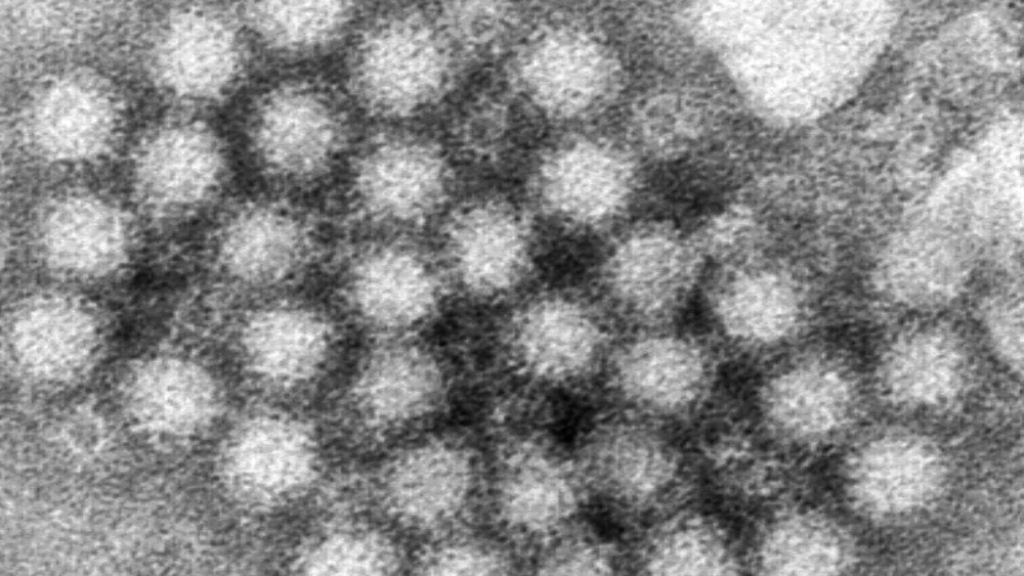
The resurgence of norovirus cases this winter is a reminder of the importance of vigilance when it comes to preventing foodborne illnesses and viral infections. With no specific treatment for norovirus, prevention through proper hygiene and disinfection is key to reducing the risk of infection.
The CDC’s warning highlights the need to remain cautious in public spaces and during gatherings, especially as the holiday season brings people together in close quarters.
By taking simple precautions such as frequent handwashing, disinfecting surfaces, and staying away from sick individuals, we can help curb the spread of this highly contagious virus and protect ourselves and others from the unpleasant symptoms of norovirus.