

North Korea has reportedly made the decision to dispatch 10,000 troops to aid Russia in its war against Ukraine. This move deepens the alliance between Pyongyang and Moscow, raising concerns about the escalating conflict and its global ramifications.
The recent intelligence reports from South Korea’s National Intelligence Service (NIS) have confirmed that North Korea is sending a significant military force, consisting of 10,000 soldiers, including elite special forces, to assist Russia in the ongoing conflict in Ukraine.
Organized into four brigades, these soldiers are set to play a direct role in combat operations, contributing to Russia’s war effort. Reports also suggest that the troops have already left North Korea, although the precise details regarding their location and the exact nature of their mission remain unclear.
North Korea’s Growing Role in the Russia-Ukraine War
This is not the first time North Korea has been implicated in the Russia-Ukraine war. There have been earlier reports of North Korea supplying arms and military equipment to Russia, which would be in violation of United Nations sanctions.
However, the direct involvement of North Korean troops marks a new level of engagement, reflecting a more open and active support of Russia’s war.
Read : White Wedding Dress, Groom Lifting Bride Banned in North Korea
North Korea’s decision to send soldiers to aid Russia’s campaign signals a shift in the geopolitical landscape. With sanctions already severely limiting Pyongyang’s interactions with the rest of the world, its alliance with Russia presents a way for North Korea to break through its isolation.
Read : 1.4 Million People Want to Join Army for Sacred War Against South Korea: North Korea
For Kim Jong Un’s regime, this alignment serves strategic purposes, allowing North Korea to gain favor with one of the world’s major powers while also defying Western pressure.
This action underscores North Korea’s desire to oppose the U.S. and its allies, particularly at a time when Pyongyang faces growing diplomatic and military pressure.
By strengthening ties with Russia, North Korea is positioning itself as a key ally for Moscow, especially in a conflict that has become a battleground for competing global interests. The deployment of its troops may be a calculated risk to show its loyalty and establish stronger international bonds with like-minded authoritarian regimes.
Global Reactions and the Risks of Escalation
The international community, especially Ukraine and its Western allies, has responded with grave concern to North Korea’s military support for Russia. Ukraine’s President Volodymyr Zelenskyy expressed his condemnation, describing the North Korean troop deployment as an act that would further inflame the conflict and exacerbate the suffering of the Ukrainian people.
Zelenskyy reaffirmed that Ukraine would not back down and would continue to defend its sovereignty despite the increased number of foreign soldiers joining Russian forces. The addition of North Korean troops complicates the war’s already volatile dynamics.
While North Korea’s military might is often viewed as outdated and under-equipped compared to global standards, the discipline and intensity of its special forces could provide Russia with a tactical advantage in specific areas of combat, particularly in unconventional warfare and difficult terrain where guerrilla tactics may be employed.
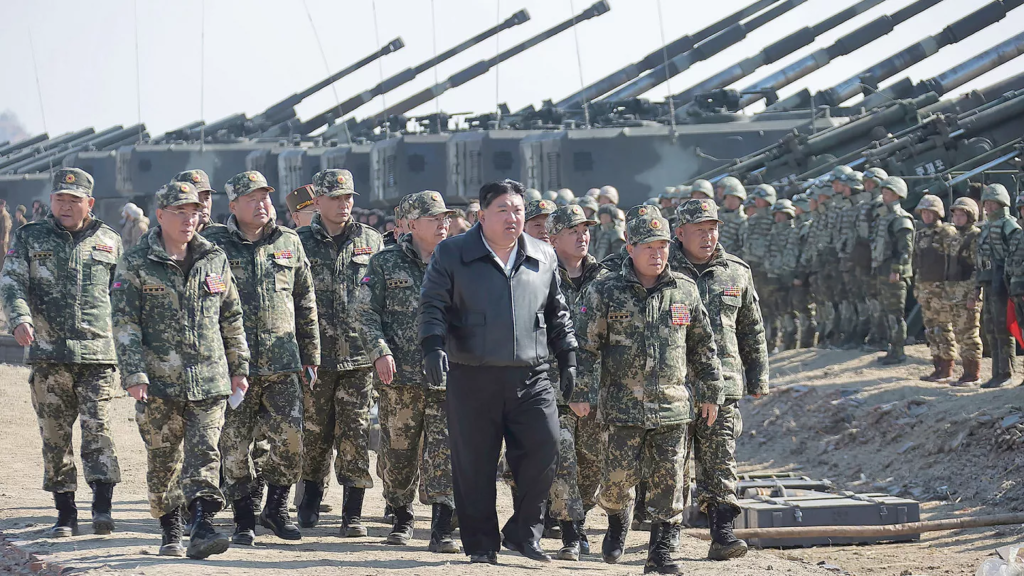
International bodies, including the United Nations, have condemned North Korea’s involvement. The UN had already imposed strict sanctions on both Russia and North Korea. The deployment of North Korean soldiers violates these sanctions, and additional punitive measures against Pyongyang are likely to follow.
Countries such as the United States, the European Union, and Japan have also voiced strong opposition to this move, calling it a threat to regional and global stability.
North Korea’s decision to send troops into a European warzone could provoke a reaction from the international community that extends beyond just diplomatic outrage. Already, there are fears that this could escalate the conflict further, drawing in more countries and complicating the efforts of those working towards a peaceful resolution.
The potential for an expanded war with broader international involvement looms larger, with countries increasingly aligning themselves along ideological and strategic lines.
The entry of North Korean troops also adds another layer to the already tense relationship between North and South Korea. Seoul has been carefully monitoring the situation, and President Yoon Suk Yeol’s administration has called for heightened vigilance.
South Korea, a key U.S. ally, is deeply concerned about the implications of Pyongyang’s actions and how this may affect regional security in East Asia. Yoon’s government held an emergency meeting upon hearing the reports, aiming to develop a strategy to counter the growing North Korea-Russia axis.
Russia’s Widening Web of Alliances
Russia, facing sustained resistance from Ukraine and ongoing international sanctions, has increasingly looked to unconventional allies like North Korea to bolster its war effort. In the face of a prolonged conflict that has drained its resources and led to widespread global condemnation, Moscow’s alliance with Pyongyang provides a strategic lifeline.
By engaging North Korea, Russia is not only seeking manpower but also reinforcing a geopolitical message that it is willing to ally with any nation that opposes the Western-led international order.
This partnership could lead to more robust military and economic exchanges between the two countries, despite the restrictions imposed by global sanctions. North Korea, for its part, stands to benefit from this alliance by gaining Russian technological and military expertise, along with much-needed economic support.
The cooperation between Russia and North Korea is not limited to the battlefield in Ukraine. Their relationship is expected to extend into other areas, potentially increasing military coordination and intelligence sharing.
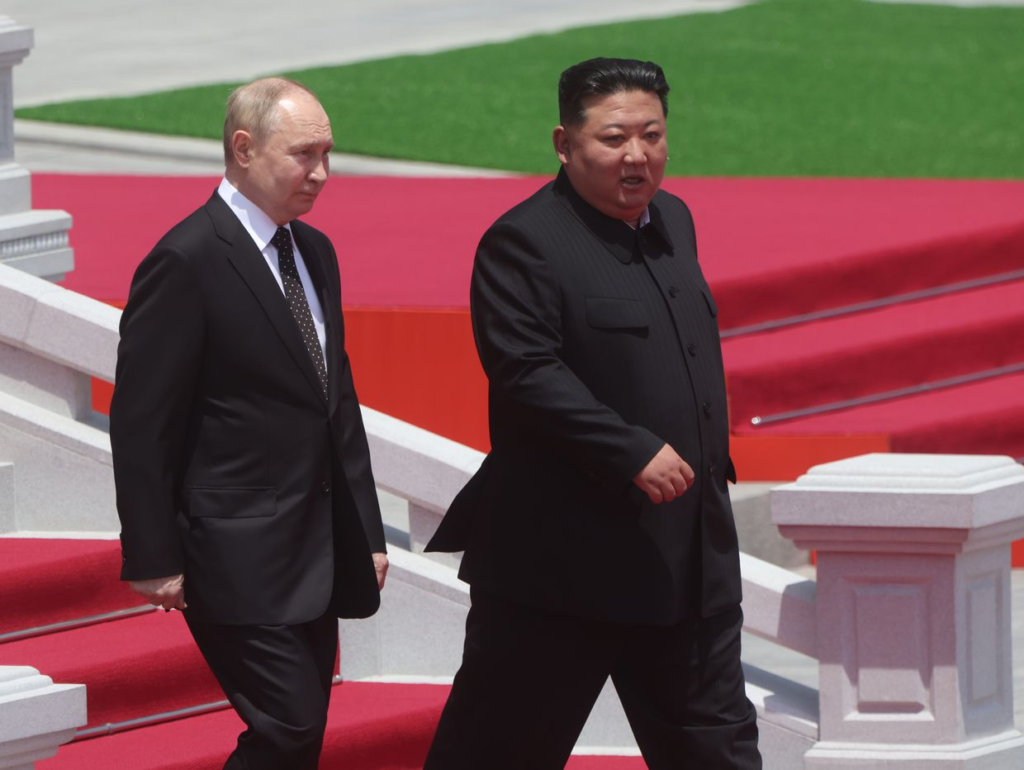
Both countries are isolated from much of the global community due to their defiance of international norms, and this new level of collaboration shows a mutual willingness to strengthen their strategic ties against common adversaries.
At the same time, North Korea’s role in the Ukraine war raises significant questions about the future of international diplomacy. The fact that Russia is turning to such isolated and heavily sanctioned nations for support highlights the growing desperation in the Kremlin’s war strategy.
It also reflects the increasingly polarized world in which authoritarian regimes are banding together in opposition to democratic countries. These alliances have the potential to reshape global politics, particularly if other countries follow North Korea’s lead in offering direct support to Russia.
The involvement of North Korean troops could embolden other rogue states to engage more openly in conflicts that align with their strategic interests. This emerging axis of Russia and North Korea could set a dangerous precedent, encouraging the formation of new alliances that disregard international law and further destabilize global security.
North Korea’s deployment of 10,000 troops to aid Russia in its war against Ukraine marks a significant and worrying development. It not only strengthens the bond between two isolated and sanctioned nations but also raises the stakes in an already complex and devastating war.
The global community now faces the challenge of responding to this new alliance while seeking ways to de-escalate the conflict. As the war drags on, the involvement of North Korea introduces new risks and uncertainties, potentially leading to a broader and more dangerous confrontation on the global stage.