
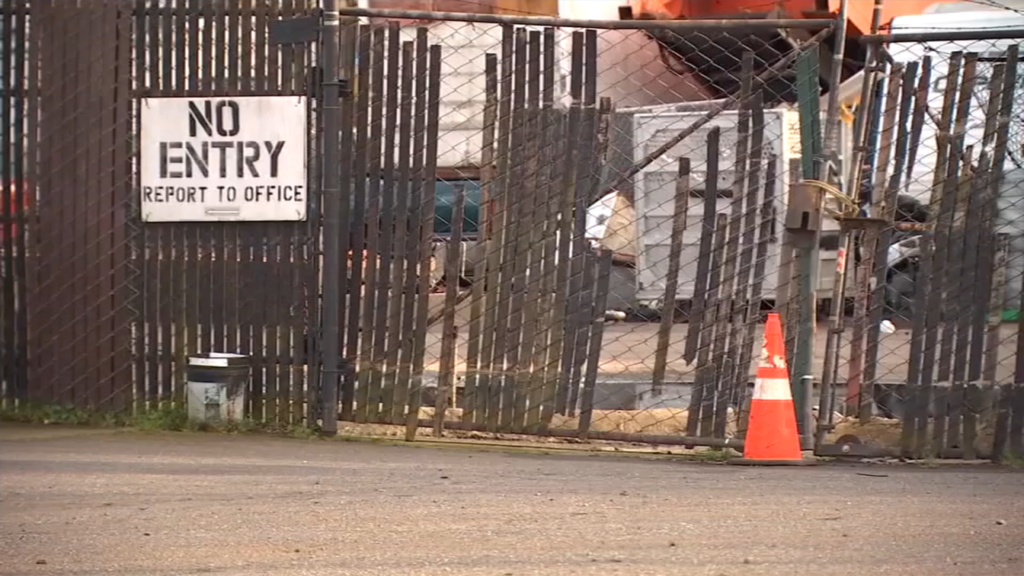
The long-running controversy surrounding a North Portland metal scrapyard has reached a critical legal turning point, as owner Moyata “Mo” Anotta has been ordered by a U.S. Bankruptcy Court judge to surrender control of the property. The decision follows years of environmental violations, legal disputes, and community concerns tied to NW Metals, a facility located on North Commercial Avenue. For residents living nearby, the ruling represents a significant development in a case that has spanned nearly a decade and raised persistent questions about environmental safety, regulatory enforcement, and accountability.
The April 29 court order mandates that the scrapyard be turned over to a court-appointed trustee, who will oversee access to the site and facilitate environmental assessments. This move comes amid Anotta’s recent bankruptcy filing, which has complicated ongoing legal proceedings and temporarily delayed a contempt hearing previously sought by the Oregon Department of Justice. Despite the procedural delays, state officials have framed the court’s decision as a meaningful step toward resolving longstanding issues associated with the property.
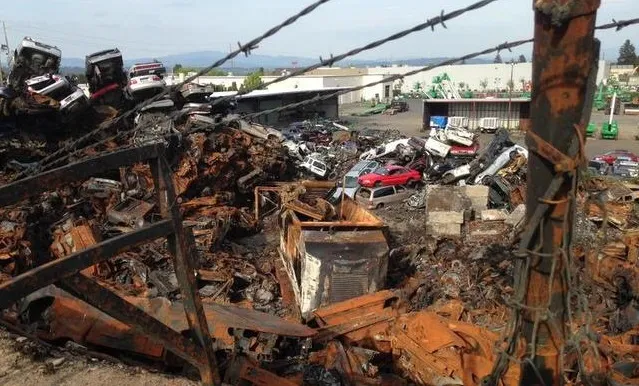
For the surrounding community, the scrapyard has been a source of concern since at least 2018, when a catastrophic fire sent thick, toxic smoke into the air and caused widespread damage. Since then, regulatory agencies have issued fines, entered compliance agreements, and pursued enforcement actions, all aimed at addressing what they describe as repeated violations of environmental laws. The latest court intervention signals a shift in control that could reshape the future of the site and its impact on the neighborhood.
Legal Pressure and Bankruptcy Complications
The legal battle surrounding NW Metals intensified earlier this year when the Oregon Department of Justice sought to hold Moyata Anotta in contempt of court. The request was based on allegations that the scrapyard owner had failed to comply with prior agreements and regulatory requirements designed to bring the facility into alignment with state environmental standards. A hearing had been scheduled to address these concerns, but the process was interrupted when Anotta filed for bankruptcy on April 23.
The bankruptcy filing introduced a new layer of complexity, effectively pausing certain legal actions while shifting jurisdiction to the bankruptcy court. In response, the court issued an order requiring Anotta to surrender the scrapyard property to a trustee, a move that allows for independent oversight and ensures that environmental evaluations can proceed without obstruction. The trustee’s role will include granting access to the site, coordinating assessments, and potentially managing aspects of the property during the bankruptcy process.
Oregon Attorney General Dan Rayfield publicly supported the court’s decision, emphasizing its importance for nearby residents. He stated that the order would provide the community with long-awaited answers about conditions at the scrapyard and demonstrate that there are consequences for failing to follow regulations. His remarks reflect a broader effort by state authorities to reinforce environmental accountability and restore public confidence in regulatory enforcement.
Read : 22-Year-Old Boy Publicly Executed for Watching K-pop Videos in North Korea
The bankruptcy case does not eliminate Anotta’s legal obligations, but it does alter the framework in which they are addressed. By transferring control of the property, the court aims to prevent further delays and ensure that critical environmental concerns are investigated. The outcome of the bankruptcy proceedings will likely influence the long-term status of the scrapyard, including whether it can continue operating under new conditions or faces permanent closure.
History of Violations and Environmental Concerns
The scrutiny surrounding NW Metals can be traced back to a series of incidents and regulatory actions that have defined its reputation as one of Portland’s most problematic industrial sites. The most significant event occurred in March 2018, when a five-alarm fire broke out at the facility. The blaze generated massive plumes of black smoke that spread across nearby neighborhoods, raising alarm among residents and prompting emergency responses from multiple agencies. The fire not only disrupted daily life but also resulted in the destruction of homes and heightened fears about air quality and public health.
Read : Owner Nathaniel Brendan LeBaron Arrested After Three Horses Died from Malnutrition and Neglect
In the aftermath of the fire, the Oregon Department of Environmental Quality conducted investigations and imposed civil penalties totaling $77,419 against NW Metals. Anotta challenged these penalties through an appeal, but the effort was unsuccessful, reinforcing the state’s position that the company had violated environmental regulations. The incident marked a turning point, bringing increased attention to the scrapyard’s operations and triggering a series of enforcement actions.
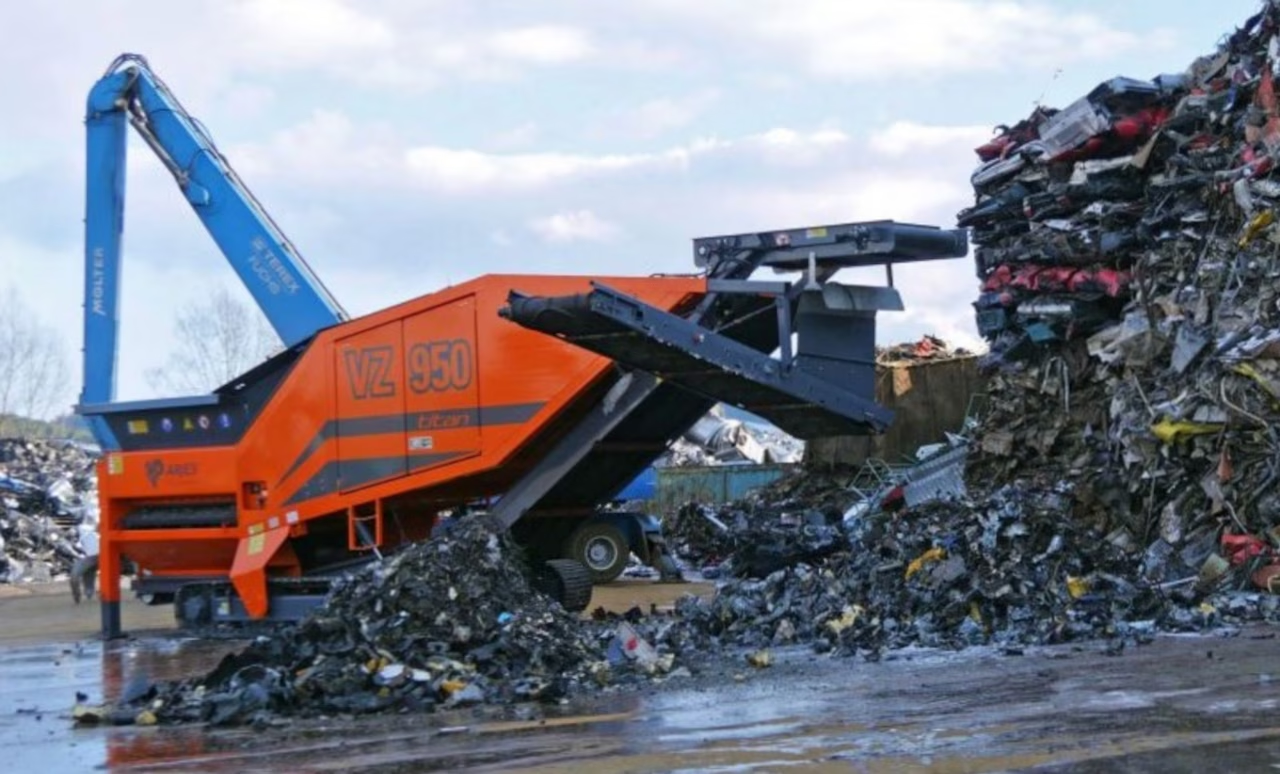
In 2021, NW Metals entered into an agreement with regulators that outlined specific requirements for compliance. The agreement mandated adherence to state laws governing air quality, water quality, and solid waste management. It also explicitly prohibited the operation of a metal shredder without a valid air permit, a key issue given the potential emissions associated with such equipment. Despite these conditions, regulators later determined that the company had failed to meet its obligations.
Last fall, the Oregon Department of Environmental Quality issued a substantial fine of $357,000 against NW Metals, citing continued noncompliance with the terms of the 2021 agreement. The penalty underscored ongoing concerns about the facility’s impact on the environment and the effectiveness of previous enforcement measures. For many residents, the repeated violations reinforced a perception that the scrapyard had operated without sufficient oversight for too long.
The cumulative effect of these incidents has been a sustained pattern of regulatory conflict, with state agencies seeking to enforce standards and the scrapyard facing allegations of noncompliance. The latest court order represents an escalation in this dynamic, shifting from fines and agreements to direct intervention in the management of the property.
Community Impact and Future Uncertainty
For those living near the scrapyard, the legal developments carry significant implications for both immediate conditions and long-term outcomes. The 2018 fire remains a defining moment, with its visible and lasting effects shaping community perceptions of the site. Residents have voiced concerns about air pollution, potential contamination, and the broader risks associated with industrial operations in close proximity to residential areas.
The court-appointed trustee’s involvement is expected to provide a clearer understanding of the environmental conditions at the property. By enabling comprehensive assessments, the process could reveal the extent of any contamination and inform decisions about remediation or future use. This step is particularly important for a community that has sought transparency and accountability in the years since the fire.
State officials have indicated that their efforts will continue until the community receives the protections it deserves. This commitment suggests that the case may extend beyond the current bankruptcy proceedings, potentially involving additional enforcement actions or policy considerations. The outcome could also influence how similar cases are handled in the future, particularly in situations where environmental compliance intersects with financial distress.
At the same time, uncertainty remains about what will ultimately happen to the scrapyard. The bankruptcy process could lead to the sale of the property, restructuring of operations, or even closure, depending on the findings of the trustee and the decisions of the court. Each of these possibilities carries different implications for the surrounding area, from economic considerations to environmental recovery.
The situation also highlights broader questions about the balance between industrial activity and community well-being. As cities continue to grow and evolve, conflicts between commercial operations and residential neighborhoods can become more pronounced. The NW Metals case serves as an example of how these tensions can escalate when regulatory compliance is called into question and enforcement mechanisms are tested.
For now, the focus remains on the immediate effects of the court order and the work of the trustee in assessing the property. The process is likely to take time, as environmental evaluations and legal proceedings unfold. However, the decision to remove control from the scrapyard owner marks a decisive step in a case that has long been characterized by delays and disputes.
The coming months will be critical in determining the future of the site and its impact on the community. Whether through remediation, redevelopment, or continued oversight, the resolution of the NW Metals case will shape not only the immediate neighborhood but also the broader approach to environmental enforcement in similar situations.