
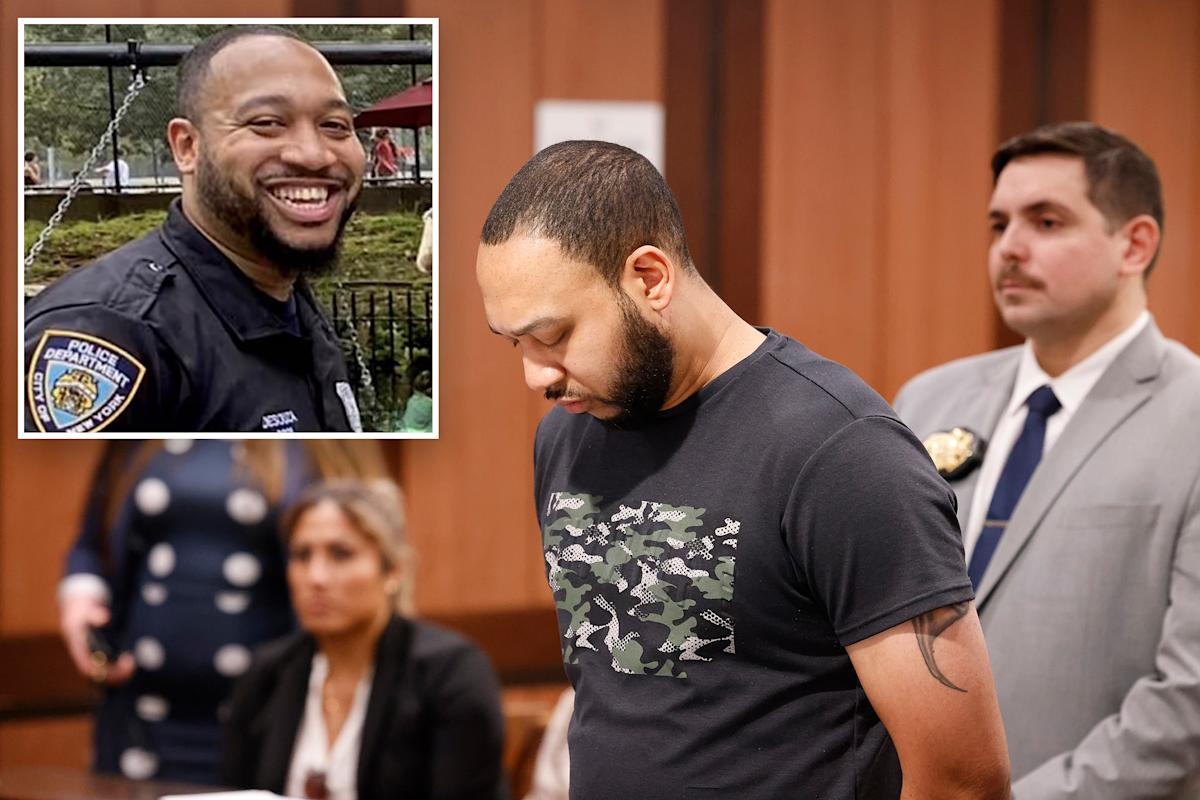
On April 24, 2025, the New York Police Department (NYPD) found itself embroiled in a scandal that has sent shockwaves through the city and beyond. Travis DeSouza, a 35-year-old NYPD officer with 13 years of service, was charged with serious offenses after allegedly sending sexually explicit messages and images to an undercover officer posing as a 14-year-old girl.
The case, which unfolded as part of a sting operation targeting DeSouza’s suspicious behavior, has raised questions about oversight within the NYPD’s youth programs and the conduct of officers entrusted with public safety. This blog delves into the details of the case, its implications, and the broader context of similar incidents.
The Sting Operation: How DeSouza Was Caught
The case against Travis DeSouza began in October 2024, when authorities grew concerned about his behavior while working with the NYPD’s Police Explorers program, a youth initiative designed to mentor teens aged 14 to 20 interested in law enforcement careers.
According to reports from the New York Post, suspicions about DeSouza prompted the NYPD to deploy an undercover officer, who posed as a 14-year-old girl expressing interest in the program. The officer, described as young-looking, approached DeSouza in person, initiating contact under the guise of a prospective Explorer.
After the initial meeting, the undercover officer provided DeSouza with contact information, and within days, he began sending inappropriate messages. The New York Daily News detailed some of these exchanges, revealing a pattern of sexually explicit texts, including descriptions of sexual acts and a photo of DeSouza’s aroused genitals.
One particularly disturbing message quoted in the complaint had DeSouza writing, “Of course, stop trying to bag me already,” in response to the undercover officer’s flirtatious bait. Another exchange over Snapchat saw the agent ask, “What’s under those shorts?” to which DeSouza allegedly replied, “Something big, maybe more than you can handle.”
These messages were sent from locations tied to his NYPD duties, including the 75th Precinct in Brooklyn and an NYPD building in Queens, leading to charges in both boroughs.
Read : Long Qian Chen Stabs Four Girls with a Meat Cleaver in Brooklyn Home, Shot by NYPD at the Scene
The sting operation culminated in DeSouza’s arrest on October 18, 2024, as reported by Bronx.com. He was charged with first-degree attempted dissemination of indecent material to minors, third-degree attempted endangerment of a child’s welfare, and third-degree obscenity in Brooklyn.
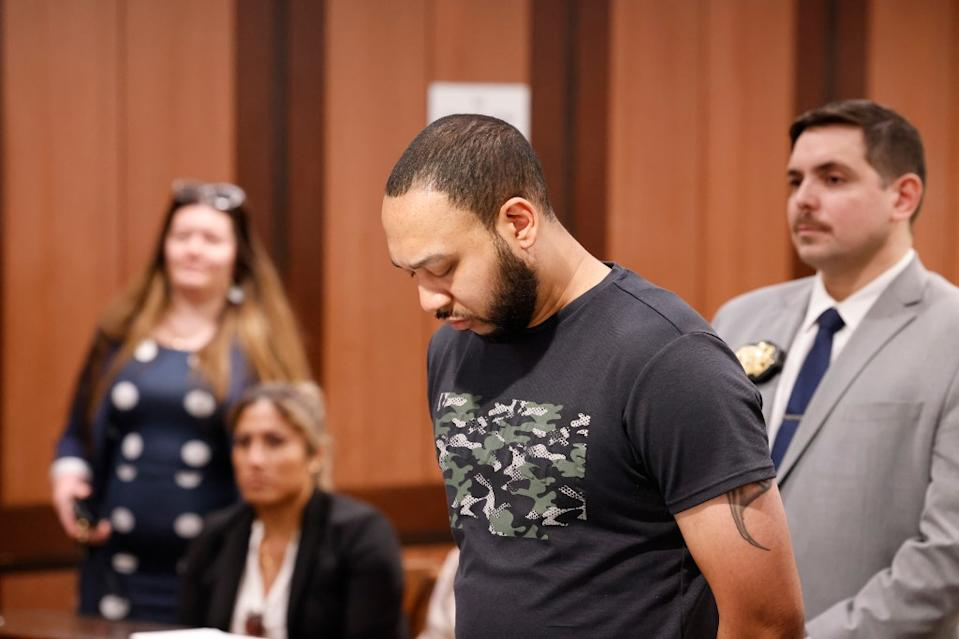
Additional child endangerment charges were filed in Queens, where he appeared in court on April 24, 2025. The NYPD swiftly placed DeSouza on unpaid leave, signaling the severity of the allegations.
This operation underscores the proactive measures law enforcement can take to address potential misconduct within its ranks. However, it also raises troubling questions: How did an officer with such behavior go unnoticed for so long, and what does this say about the vetting and supervision of those working with vulnerable populations?
Charges and Consequences: A Veteran Officer’s Fall
Travis DeSouza’s 13-year tenure with the NYPD, primarily at Brooklyn’s 75th Precinct, ended abruptly with his arrest and subsequent charges. The allegations paint a grim picture of an officer abusing his position of trust.
The charges filed against him in Brooklyn—attempted dissemination of indecent material to minors, attempted child endangerment, and obscenity—carry significant legal weight. In Queens, the child endangerment charge reflects the geographic scope of his alleged misconduct, as some messages were sent from an NYPD facility there.
The court proceedings have been closely watched. DeSouza’s appearance in Queens County court on April 24, 2025, followed his earlier Brooklyn court date in October 2024. The dual jurisdictions highlight the complexity of the case, as prosecutors in both boroughs work to hold him accountable.

The New York Post reported that DeSouza’s messages included an acknowledgment of the age gap, with him writing, “And I don’t know even why you got me thinking things I shouldn’t because of how far we are of age LOL I should be telling you to stop…” Yet, he continued, noting the “maturity” of the supposed 14-year-old, a statement that prosecutors argue shows his intent to pursue the interaction despite knowing the recipient’s purported age.
The consequences for DeSouza extend beyond the courtroom. The NYPD’s decision to place him on unpaid leave is a standard response to such allegations, but it also signals the department’s intent to distance itself from the scandal.
If convicted, DeSouza faces not only the loss of his career but also significant prison time and lifelong repercussions as a registered sex offender. The case has also sparked public outrage, with many questioning how an officer tasked with mentoring youth could engage in such predatory behavior.
This incident is not isolated. In recent years, other cases have highlighted similar misconduct by authority figures. For example, a Texas high school coach, Kenneth Mulkey, was accused in February 2025 of sending explicit texts to an undercover officer posing as a 14-year-old boy. These parallels suggest a broader issue of individuals in positions of power exploiting their access to minors, necessitating stronger safeguards and oversight.
Implications for the NYPD and Public Trust
The DeSouza case is a black eye for the NYPD, an institution already grappling with public scrutiny over issues ranging from use-of-force incidents to internal corruption. The Police Explorers program, intended to build bridges between law enforcement and young people, now faces questions about its oversight and the vetting of officers involved.
How could an officer like DeSouza, with 13 years of service, allegedly engage in such behavior without earlier detection? This question looms large as the NYPD seeks to restore public confidence.
The case highlights the importance of robust internal monitoring and training. Officers working with youth programs should undergo rigorous background checks and regular evaluations to ensure they are fit for such sensitive roles.
The NYPD’s swift action in deploying an undercover officer suggests some level of vigilance, but the fact that DeSouza’s behavior raised suspicions only after years in the program points to potential gaps in proactive oversight.
Public trust, already strained, takes another hit with cases like this. The NYPD’s youth programs are meant to foster positive relationships with communities, particularly in areas like Brooklyn’s 75th Precinct, which has faced challenges with crime and police-community relations.
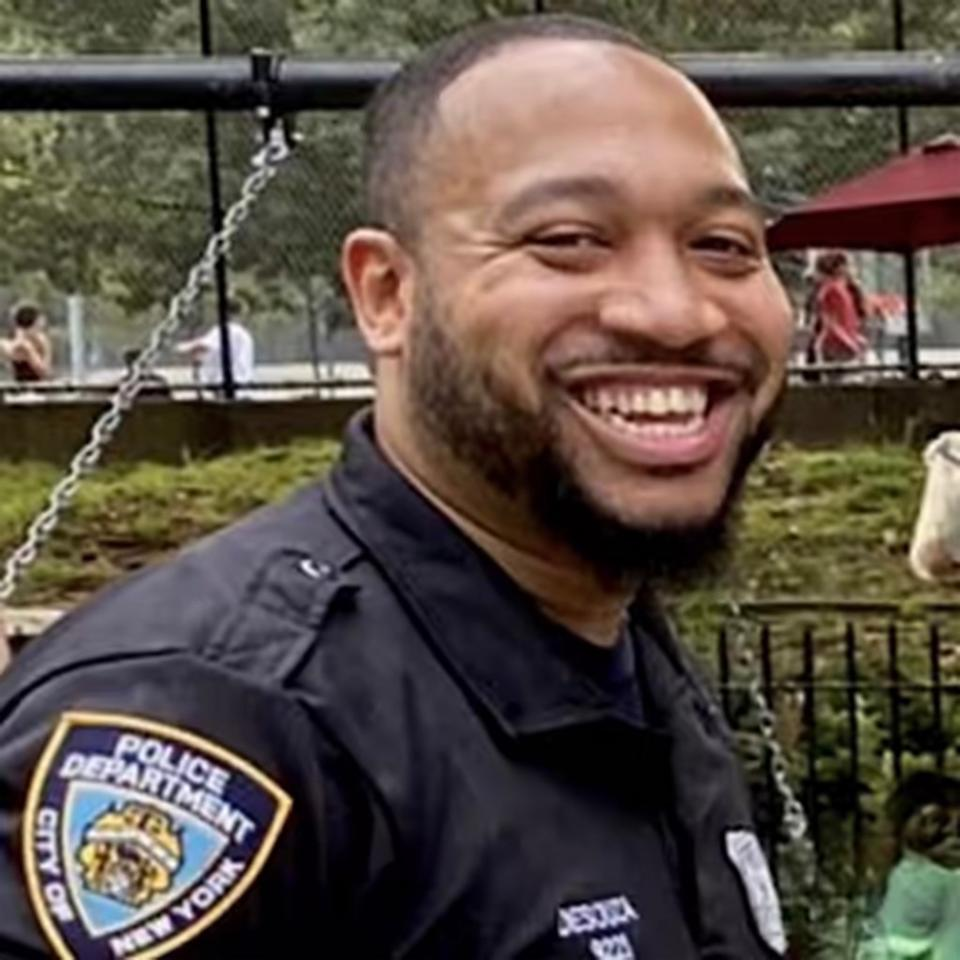
When an officer entrusted with mentoring teens is accused of predatory behavior, it undermines the program’s credibility and fuels skepticism about law enforcement’s integrity. The NYPD must now work to rebuild trust, perhaps by implementing stricter guidelines for youth programs and increasing transparency about how such cases are handled.
Moreover, the case reflects broader societal concerns about the misuse of digital platforms like Snapchat, which DeSouza allegedly used to send explicit messages. These platforms, popular among teens, can be exploited by predators, highlighting the need for better education and monitoring to protect young users.
Law enforcement agencies, including the NYPD, could play a role in community outreach to raise awareness about online safety, turning this scandal into an opportunity for positive change.
The DeSouza case also draws attention to the effectiveness of sting operations in catching potential predators. While controversial, these operations have proven successful in identifying individuals who might otherwise go undetected.
However, they also raise ethical questions about entrapment and the psychological tactics used to elicit incriminating behavior. Balancing these concerns with the need to protect vulnerable populations is a challenge for law enforcement moving forward.
A Call for Accountability and Reform
The arrest of Travis DeSouza is a stark reminder of the responsibilities that come with a badge and the devastating consequences when those responsibilities are betrayed. His alleged actions—sexting an undercover officer posing as a 14-year-old girl—have not only shattered his career but also cast a shadow over the NYPD’s youth initiatives.
As the legal process unfolds, the focus must shift to ensuring accountability, both for DeSouza and for the systems that allowed his behavior to go unchecked.
For the NYPD, this case is a wake-up call to strengthen oversight of officers working with vulnerable populations. Enhanced training, regular evaluations, and clear protocols for reporting suspicious behavior could prevent similar incidents in the future. For the public, it’s a reminder of the importance of holding institutions accountable and advocating for reforms that prioritize safety and trust.
As of April 25, 2025, the NYPD has taken steps to address the immediate fallout, with DeSouza on unpaid leave and facing serious charges. But the broader work of rebuilding trust and preventing future scandals lies ahead.
The DeSouza case, while deeply troubling, offers an opportunity for the NYPD to demonstrate its commitment to integrity and community safety. Only through decisive action and meaningful reform can the department move forward from this dark chapter.