
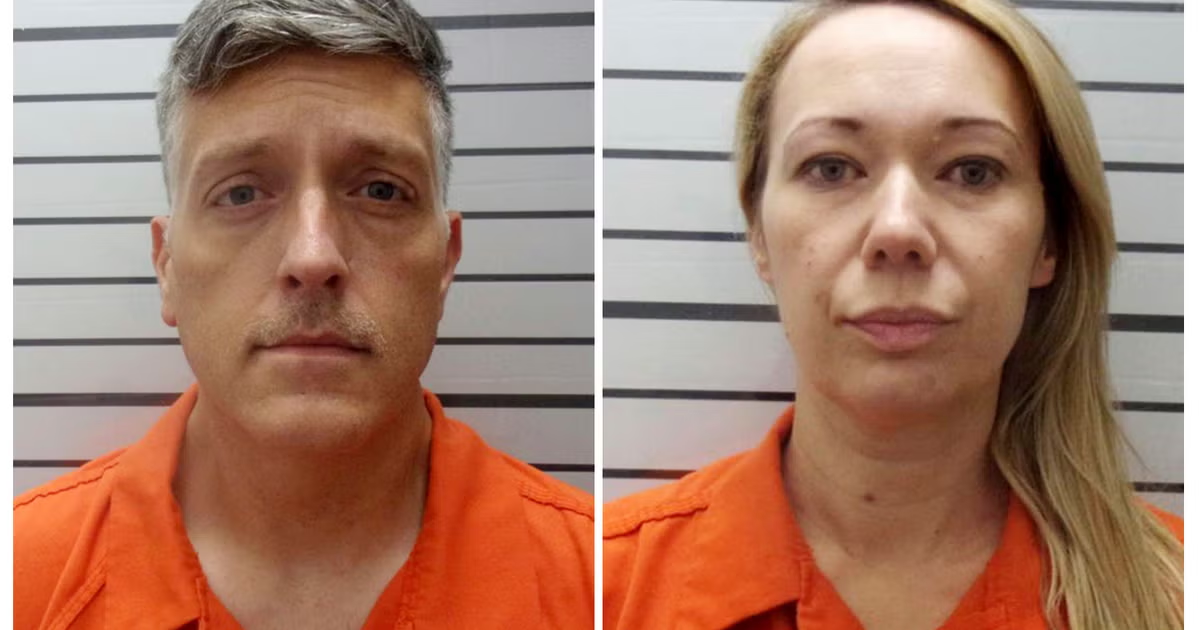
The case surrounding the Return to Nature Funeral Home has drawn national attention for its disturbing details, emotional fallout, and the legal complexities that continue to unfold. After nearly 190 decaying bodies were discovered in a building linked to the funeral home, outrage spread among families who believed their loved ones had been properly cremated and honored. Instead, many learned that the ashes they received were not their relatives’ remains at all, but fraudulent substitutes used as part of a years-long deception.
Recently, a Colorado judge rejected a plea deal that would have seen the funeral home owners serve between 15 and 20 years in prison, responding to the pleas of grieving families who felt the punishment did not match the harm inflicted. The rejection of the plea deal has reshaped the trajectory of this already deeply troubling case and has raised broader questions about oversight, accountability, and the emotional weight of mourning.
The couple who owned and operated the funeral home, Jon and Carie Hallford, had previously pleaded guilty to 191 counts of corpse abuse in connection with the mishandling and improper storage of human remains. But family members of the deceased, who have lived with grief compounded by betrayal, spoke powerfully about the psychological and spiritual damage caused.
This led the court to reconsider whether the plea deal negotiated by prosecutors truly reflected the gravity of the crime. The judge ultimately decided it did not. The decision was unusual, as judges rarely overturn plea agreements that both sides have accepted, demonstrating the exceptional severity and emotional resonance of this case. As proceedings move forward, the legal consequences, emotional repercussions, and broader implications for the funeral industry and regulatory systems will continue to be closely watched.
A Case That Shocked Colorado and Beyond
The Return to Nature Funeral Home marketed itself as an eco-friendly, budget-conscious provider of natural burials and cremations. Families trusted the Hallfords to treat their loved ones with dignity and follow accepted professional standards. But over several years, beginning around 2019, the funeral home came under suspicion for inconsistencies in records and customer complaints about delays in receiving ashes.
Authorities eventually discovered a separate building in a rural town that contained nearly 190 bodies in various stages of decay. The building was overrun with insects, and investigators described the conditions as disturbing and unsanitary, far removed from any acceptable treatment of human remains.
The revelation that many families had not received the ashes of their loved ones was devastating. Some had held ceremonies, scattered what they believed were cremated remains, or placed urns in prominent spaces of remembrance. Discovering that these ashes were fake introduced a second wave of grief, tinged with anger, betrayal, and confusion. For many, the death of a family member marks a deeply emotional and sacred passage. The trust placed in funeral directors is not merely transactional; it is rooted in cultural, religious, and psychological beliefs about honoring the deceased.
Read : Health Officials in US Confirm First Human Case of Plague in Colorado
Beyond emotional trauma, the case also involved financial fraud. The funeral home had received nearly $900,000 in federal funds that prosecutors say were misused. This element of the case further illustrated a pattern of deception that extended beyond carelessness or negligence. It spoke to intentional wrongdoing motivated by profit, adding another layer to the accusations and the public’s sense of outrage.
Why the Plea Deal Was Rejected
When the Hallfords initially pleaded guilty, the plea deal recommended a sentence ranging from 15 to 20 years in prison. For many crimes of this scale, plea bargains are common. They avoid lengthy trials and prevent the retraumatization of witnesses who would need to testify. But the families of the deceased argued forcefully in court that this sentence was far too lenient, given the number of victims and the worsening emotional and mental suffering they had endured.
Read : Colorado Man Loses $1.4 Million in Cryptocurrency Romance Scam After Meeting Woman on Ashley Madison
Family members described recurring nightmares of imagining their loved ones in a decaying state. Some questioned whether their relatives’ spiritual or emotional peace had been disrupted, depending on personal beliefs about death and the afterlife. Others struggled with the idea that their final act of love, whether through cremation or burial rituals, had been violated. The emotional testimonies highlighted not just grief but a profound sense of moral injury.
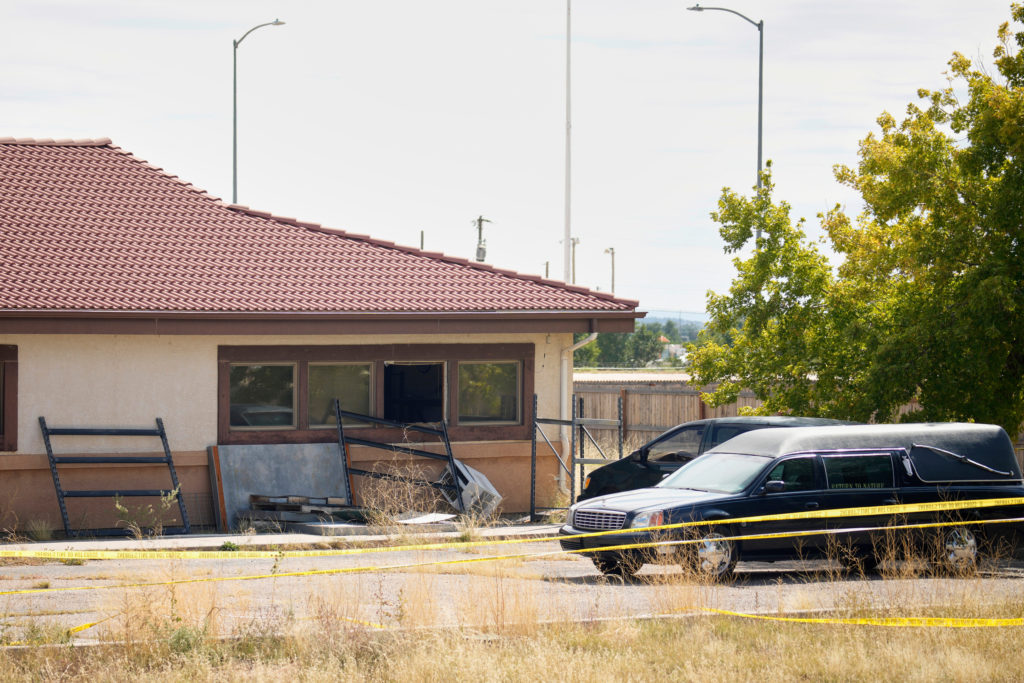
The judge listened to these statements and ultimately determined that the plea deal did not adequately reflect the severity of the crimes. The rejection of a plea deal in a case of this type is rare. Judges typically defer to the judgment of prosecutors and defense attorneys who have negotiated the agreement. But this case was exceptional, both in the number of victims and in the nature of the harm.
Following the rejection, Jon Hallford withdrew his guilty plea and is scheduled to stand trial. His wife, Carie Hallford, now has a choice: she may either withdraw her own plea or proceed and risk receiving a harsher sentence. Her decision will shape the next phase of the legal process. Regardless of the choices made, the potential prison time could now exceed the original agreement, especially if prosecutors pursue additional charges or seek maximum sentencing.
The Broader Implications for Oversight and Trust in the Funeral Industry
This case has led to broader discussions about how funeral homes are regulated and monitored. In many parts of the United States, oversight of funeral services is limited, and inspections may not occur frequently enough to identify misconduct. Funeral services are inherently emotional, and families often rely heavily on trust rather than detailed oversight when selecting providers. The Return to Nature Funeral Home case has therefore raised concerns about whether regulatory agencies have sufficient resources, authority, or procedures to prevent similar abuses.

Grief is already a vulnerable emotional state, and when that vulnerability is manipulated or violated, the resulting harm can be deep and long-lasting. Psychologists have noted that traumatic experiences associated with death can complicate the grieving process, prolonging emotional distress and making it more difficult for individuals to heal. For some families involved in this case, the pain is ongoing and multilayered, encompassing both the original loss and the compounded violation of that loss.
The emotional, legal, and ethical concerns raised by this case may lead to calls for reform in how funeral homes are licensed, inspected, and held accountable. Some families have already pursued civil claims, and there may be further litigation aimed at establishing broader protections for grieving families in the future. Legislators in Colorado and elsewhere may consider changes to laws governing funeral service providers, potentially requiring more frequent inspections or clearer reporting standards.
The Return to Nature Funeral Home case remains a deeply unsettling and painful chapter for the families involved and for the wider community. It highlights the importance of trust in the rituals surrounding death and the profound harm that occurs when that trust is broken. The decision to reject the plea deal underscores how seriously the court acknowledges this harm and signals that accountability, in this case, will need to reflect not only legal standards but also the emotional and human gravity of the wrongdoing.