
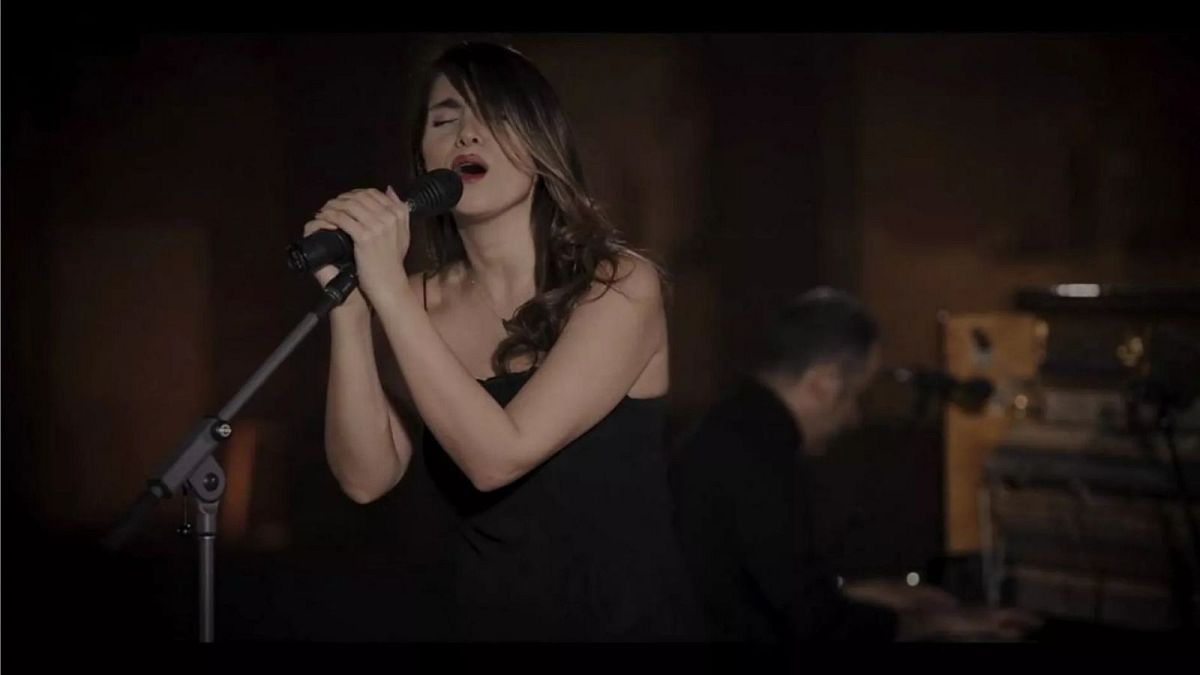
Parastoo Ahmadi has become one of the most widely discussed figures in Iran’s cultural and political landscape after reports emerged that the 29-year-old singer had been sentenced to 74 lashes, along with travel and professional restrictions, for performing without a hijab during a livestreamed concert. The case has drawn international attention, reigniting debates about freedom of expression, women’s rights, artistic censorship, and the treatment of performers under Iran’s legal system.
Ahmadi’s story is not only about a singer facing punishment for a performance. It also reflects the broader tensions that have existed in Iran for years between artists seeking greater creative freedom and authorities enforcing strict social and cultural regulations. Her performance, which reached millions of viewers online, transformed her from a respected musician into a global symbol of resistance for many supporters of artistic and personal freedom.
As reactions continue to emerge from human rights organizations, legal experts, artists, and political commentators, many people around the world are asking the same question: who is Parastoo Ahmadi, and how did a musical performance lead to one of the most controversial legal cases involving an Iranian artist in recent years?
Parastoo Ahmadi’s Rise as a Singer and Cultural Figure
Parastoo Ahmadi is an Iranian singer who built her reputation through her vocal talent and dedication to traditional and contemporary Persian music. Before international headlines focused on her legal troubles, she was known primarily within Iran’s artistic circles and among music enthusiasts who appreciated her performances and interpretations of Iranian musical traditions.
Like many female performers in Iran, Ahmadi worked within a highly regulated environment. Since the 1979 Islamic Revolution, women have faced significant restrictions in public musical performances. Female singers have often encountered limitations regarding solo performances, public appearances, and the ways in which their music can be distributed. Despite these challenges, many women artists have continued to pursue careers in music through concerts, collaborations, recordings, and online platforms.
Ahmadi emerged as part of a younger generation of Iranian artists who increasingly utilized digital platforms to reach audiences. Social media and video-sharing websites enabled performers to connect with listeners both inside and outside Iran, often bypassing traditional barriers that restricted artistic expression. Through these channels, she gained recognition for her vocal abilities and dedication to preserving aspects of Iranian musical culture while also appealing to younger audiences.
Her public profile grew significantly in December 2024 when she participated in a livestreamed performance of the patriotic song Az Khoone Javanane Vatan (“From the Blood of the Youth of the Homeland”). The performance immediately attracted attention because Ahmadi appeared without a hijab, a decision that carried considerable legal and political implications in Iran.
The video rapidly spread across social media platforms and accumulated millions of views. Supporters praised the performance as courageous and symbolic, while critics viewed it as a challenge to established laws and cultural norms. Regardless of perspective, the concert elevated Ahmadi from a musician known primarily to music audiences into a figure at the center of a national and international controversy.
🚨 These are the "rational people" Trump was talking about: The court in Iran sentenced the singer Parasto Ahmadi to 74 lashes following a performance in a YouTube video that has accumulated 2.9 million views over the past two years pic.twitter.com/i7Ln3IcLwB
— Raylan Givens (@JewishWarrior13) June 18, 2026
For many observers, the performance represented more than a musical event. It became part of a larger conversation about women’s visibility in public life, artistic freedom, and the role of culture in social change. As a result, Ahmadi’s name began appearing in global media reports, human rights discussions, and debates concerning Iran’s treatment of artists.
The Concert That Triggered International Attention
The event that ultimately led to Ahmadi’s reported sentencing occurred in December 2024. During the livestreamed concert, she performed without wearing a hijab while accompanied by musicians and production staff. The concert was broadcast online, allowing viewers from around the world to watch in real time. The choice of song added further significance to the performance. Az Khoone Javanane Vatan is a patriotic piece deeply associated with themes of sacrifice, national identity, and collective memory.
By performing such a song in a highly visible setting, Ahmadi created a moment that resonated emotionally with many viewers. The video quickly went viral, attracting millions of views and widespread discussion. Supporters celebrated what they saw as an act of artistic courage. Many women’s rights advocates viewed the performance as a statement about personal autonomy and the right of women to participate fully in cultural life. Others interpreted it as part of a broader movement challenging restrictions that affect women in Iran.
Read : Courageous Iranian Singer Who Performed Without Hijab Arrested
Authorities responded soon after the concert. Ahmadi and several musicians involved in the production were reportedly detained briefly following the performance. Although they were later released, legal proceedings continued. Officials eventually pursued a formal case related to the publication and distribution of the concert video. According to reports from rights groups and legal observers, a criminal court in Qom province later imposed punishments on Ahmadi and members of the production team.
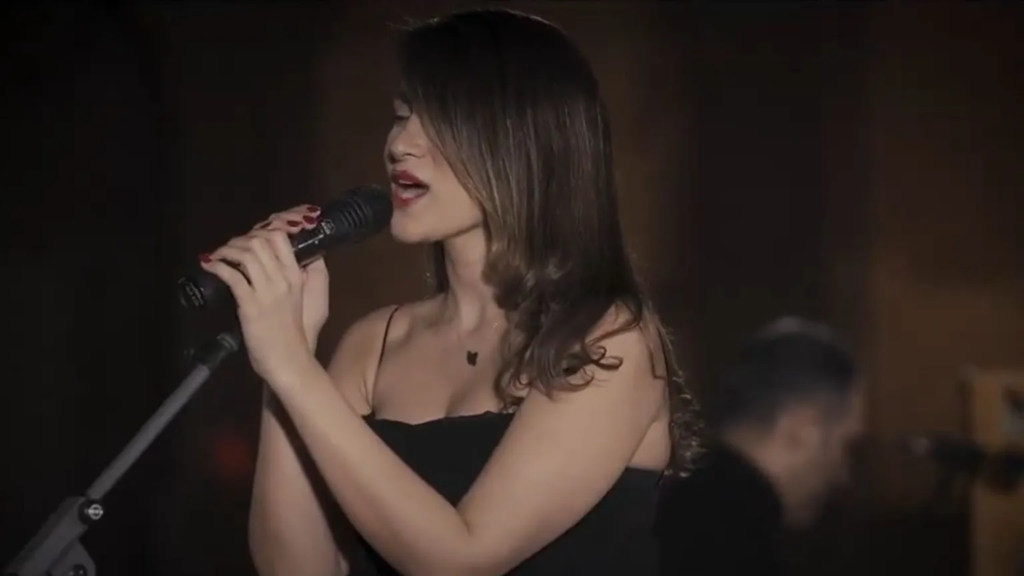
The reported sentence included 74 lashes, a two-year ban on leaving the country, and a two-year prohibition on artistic activities. The charges were said to involve allegations relating to public decency and the publication of content deemed immoral by authorities. The severity of the reported punishment immediately drew criticism from human rights organizations. Advocacy groups argued that artistic expression should not be criminalized and that corporal punishment violated international human rights standards.
Legal experts also questioned whether the activities attributed to Ahmadi could legitimately be classified under laws addressing obscene or immoral content. The case gained further visibility because it occurred during a period when Iranian authorities were already facing international scrutiny over restrictions on women and civil society. As a result, Ahmadi’s situation became linked to broader discussions about freedom of expression, censorship, and the rights of artists.
The widespread attention generated by the case demonstrated the growing influence of digital platforms in shaping public discourse. A performance that might once have reached a limited audience instead became a global event viewed and discussed by millions. The resulting legal response ensured that Ahmadi’s name would become recognized far beyond the music community.
Why Her Case Has Become a Symbol of Artistic Resistance
Parastoo Ahmadi’s reported sentencing has resonated so strongly because many observers see her case as representing issues that extend far beyond a single concert. For supporters, she has become a symbol of artists who continue to create and perform despite facing significant legal and professional risks. Human rights advocates have pointed to the punishment as evidence of ongoing restrictions on cultural expression in Iran. They argue that the prosecution of musicians, filmmakers, actors, and writers serves as a warning to others who might challenge official regulations or social expectations.
Read : Iranian Singer Parastoo Ahmadi Performs Without Hijab
In this context, Ahmadi’s case is viewed not simply as an individual legal dispute but as part of a larger pattern affecting creative communities. Several prominent figures have publicly defended her. Human rights advocates have described the reported sentence as disproportionate and inconsistent with international standards protecting freedom of expression. Legal experts have argued that singing and producing music are not crimes under ordinary interpretations of criminal law and therefore should not be treated as offenses warranting severe punishment.
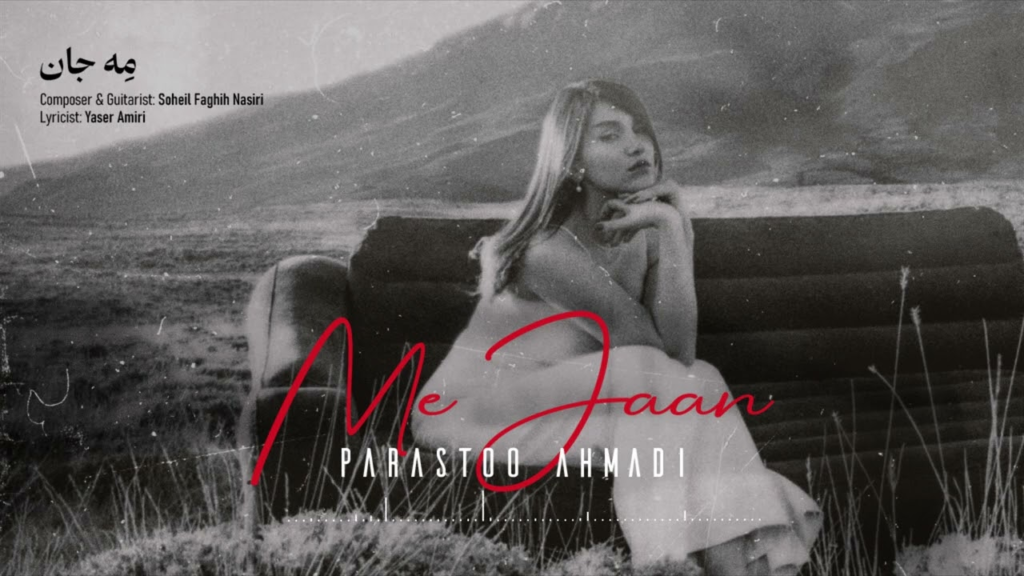
The reaction from fellow artists has been particularly significant. Many performers have expressed admiration for Ahmadi’s willingness to continue singing despite knowing the potential consequences. Some have described her actions as a reminder that art can serve as a form of resistance, especially in environments where creative expression is heavily regulated. For many Iranian women, the case also carries symbolic importance because it touches on questions of personal choice, identity, and visibility.
The decision to perform publicly without a hijab became a focal point of debate, transforming a musical performance into a broader statement about women’s roles in society. At the same time, the controversy has highlighted the risks faced by artists who challenge established boundaries. Professional restrictions, travel bans, legal proceedings, and public scrutiny can have long-lasting consequences for careers and personal lives. The reported sentence against Ahmadi underscores the reality that cultural expression can carry significant consequences in politically sensitive environments.
Despite these challenges, the widespread support she has received suggests that her influence may extend well beyond the immediate circumstances of her case. The millions of people who watched her performance, discussed her story, and shared her music have helped ensure that her voice continues to be heard even as legal proceedings attempt to limit her artistic activities.
Parastoo Ahmadi’s journey from musician to international symbol illustrates the powerful intersection of art, politics, and personal freedom. Whether viewed as an artist, activist, or cultural figure, she now occupies a prominent place in ongoing discussions about creative expression and women’s rights in Iran. Her case has become a reminder of how a single performance can spark a global conversation, turning a moment of music into a lasting debate about freedom, dignity, and the role of art in challenging social boundaries.
I was looking for this. Really refreshing take on the information. Thanks a lot.