

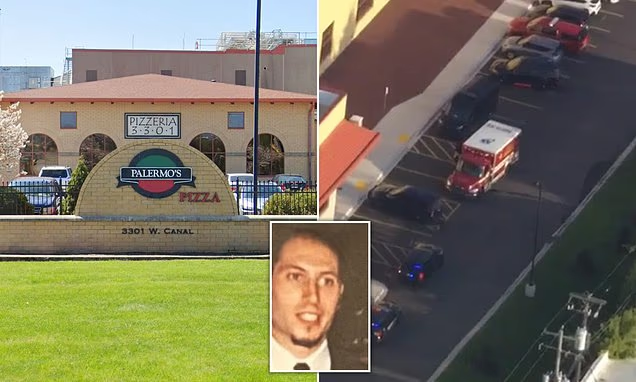
In a heartbreaking incident that has sent shockwaves through the industrial community, 45-year-old Robert Cherone lost his life in a tragic accident at a frozen pizza manufacturing facility in West Milwaukee, Wisconsin. The event, which unfolded early on the morning of September 17, 2025, highlights the inherent dangers faced by workers in automated production environments. As a bakery manager at Palermo’s Pizza, Cherone was a dedicated professional whose sudden passing has left his colleagues, family, and the broader workforce reeling.
The Tragic Incident: A Fatal Encounter with Automation
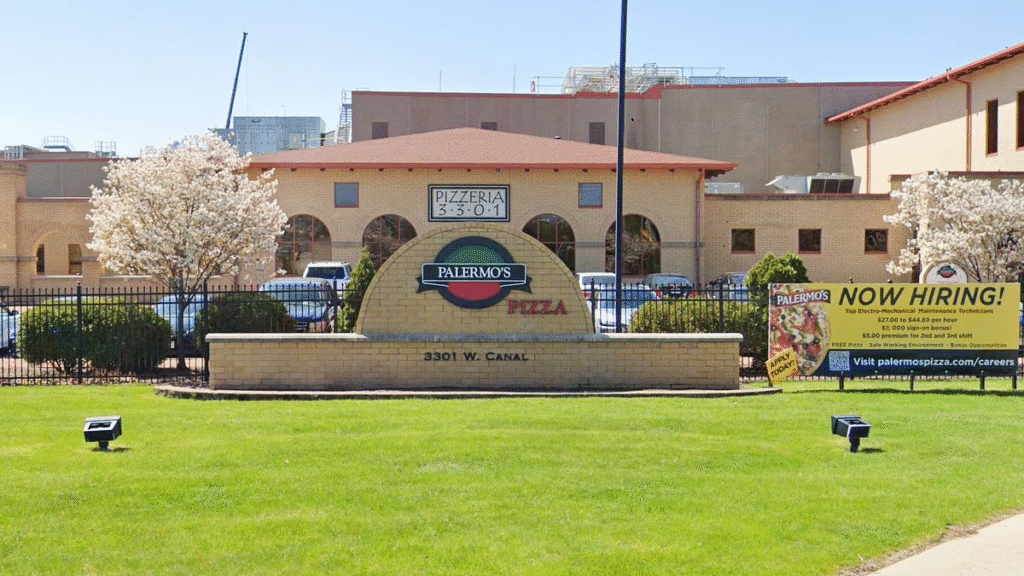
The accident occurred shortly after 6:30 a.m. at Palermo’s Pizza’s manufacturing plant located at 3900 West Lincoln Avenue in West Milwaukee. According to reports from the West Milwaukee Police Department and the Milwaukee County Medical Examiner’s Office, Robert Cherone, a resident of Elkhorn, Wisconsin, was operating in the facility when he became trapped and crushed by a robotic machine used in the pizza production line. First responders arrived promptly following a report of an industrial mishap, administering life-saving measures on the scene.
Despite their efforts, Cherone was pronounced dead at the location, with the medical examiner ruling the cause of death as accidental due to the crushing injuries sustained. Details surrounding the exact circumstances of how Cherone became entangled in the machinery remain under investigation, but sources indicate it happened during his regular shift in the bakery section of the plant.
Palermo’s Pizza, a prominent producer of frozen pizzas under brands like Screamin’ Sicilian and Urban Pie, relies heavily on automated systems to streamline dough preparation, topping application, and packaging processes. These robotic arms and conveyors, designed for efficiency, can pose significant risks if safety protocols falter even momentarily. Robert Cherone, who had built a career in food production, was known for his expertise in managing such operations, making the incident all the more poignant.
Eyewitness accounts from fellow employees, shared through local media, describe a scene of chaos as alarms sounded and workers rushed to assist. One anonymous staff member recounted to reporters that the production line halted abruptly, underscoring the facility’s emergency response mechanisms. However, the speed and force of the robotic equipment proved insurmountable in this case. The Milwaukee County Medical Examiner’s Office confirmed Cherone’s identity and age, noting he was 45 years old and had no underlying health conditions that contributed to the tragedy.
Read : What Is the Pentagon Pizza Index and Its Connection to Israel’s Bombing of Iranian Nuclear Sites?
This event serves as a stark reminder that even routine tasks in modern factories can turn deadly without unwavering vigilance. The facility itself is a bustling hub of activity, employing hundreds in the production of ready-to-bake pizzas destined for grocery shelves across the Midwest and beyond.
Read : The Top Ten Most Beautiful PINK Sand Beaches in the World
On that fateful Wednesday, the early morning hours were typically dedicated to setup and initial runs, a period when machinery is powered up and tested. Cherone’s role as bakery manager likely involved overseeing these startup procedures, positioning him in close proximity to the automated systems. Investigations are ongoing to determine if human error, equipment malfunction, or procedural lapses played a role, but preliminary statements from authorities emphasize the unforeseen nature of the mishap.
Immediate Aftermath: Company Response and Community Mourning
In the hours following the accident, Palermo’s Pizza swiftly issued a statement expressing profound sorrow. Spokesperson Rebecca Schimke described the event as a “tragic accident” and affirmed the company’s full cooperation with investigating authorities, including the Occupational Safety and Health Administration (OSHA), which was promptly notified.
The statement highlighted Palermo’s commitment to supporting Cherone’s family and next of kin, including financial assistance and grief counseling resources. Additionally, the company extended emotional support services to its entire team, recognizing the trauma inflicted on those who witnessed or learned of the incident firsthand.
As a direct measure, all employees at the West Lincoln Avenue plant were sent home for the remainder of the day, allowing space for processing the loss and facilitating initial counseling sessions. This decision, while disruptive to operations, was praised by labor advocates as a compassionate response. The factory’s production lines were shut down temporarily, with plans to resume under heightened safety scrutiny once cleared by inspectors.
The local community, particularly in Elkhorn where Cherone resided, has rallied in grief. Friends and neighbors remembered him as a devoted family man and an avid participant in community events, often volunteering at local food drives—a fitting pursuit given his profession. Social media tributes poured in, with colleagues sharing stories of his mentorship and positive spirit. “Rob was the guy who made tough shifts bearable with his humor and hard work,” one former coworker posted, capturing the sentiment echoing across platforms.
Labor organizations wasted no time in voicing solidarity. Wisconsin AFL-CIO President Stephanie Bloomingdale released a heartfelt statement, noting that while Palermo’s workers are not unionized, the federation stands with them in this hour of pain. “We share the pain of a fellow worker losing their life on the job,” Bloomingdale said, extending condolences to Cherone’s loved ones and emphasizing the irreplaceable value of every worker’s safety. This outpouring of support underscores the tight-knit nature of Wisconsin’s manufacturing sector, where such tragedies resonate deeply.
Authorities, including the West Milwaukee Police and OSHA, have cordoned off the affected area for a thorough probe. Early findings suggest no foul play, focusing instead on mechanical integrity and adherence to safety standards. The medical examiner’s report, released later that afternoon, corroborated the police narrative, closing the loop on immediate forensic details.
Broader Implications: Workplace Safety in the Age of Robotics
This devastating loss at Palermo’s Pizza casts a long shadow over the evolving landscape of industrial automation in the United States. With robotic systems becoming ubiquitous in food processing plants to boost efficiency and reduce manual labor, incidents like this raise urgent questions about risk mitigation. In 2023, the most recent year with comprehensive data from the U.S. Bureau of Labor Statistics and AFL-CIO reports, 5,283 workers nationwide perished on the job, including 112 in Wisconsin alone—88% of whom were men in sectors like manufacturing. Cherone’s death adds to this sobering tally, prompting calls for renewed focus on preventive measures.
Experts point to several factors that could prevent such tragedies. Enhanced training on robotic interactions, regular maintenance audits, and the installation of advanced sensors for real-time hazard detection are among the recommendations. OSHA guidelines already mandate lockout/tagout procedures and guarding around machinery, but enforcement varies.
In Wisconsin’s competitive food industry, where companies like Palermo’s vie for market share, the pressure to maintain high output can sometimes overshadow safety protocols. Bloomingdale’s statement reinforced this, urging collaborative efforts among workers, employers, and regulators to ensure “every person who goes to work comes home safely.”
The non-unionized status of Palermo’s workforce has fueled discussions on labor protections. Union advocates argue that collective bargaining could amplify voices for stricter safety enforcement, potentially averting accidents through peer oversight and negotiated standards. While Palermo’s has a track record of compliance—boasting no major violations in recent OSHA records—this incident may catalyze internal reviews and possibly broader industry reforms.
On a national scale, the food manufacturing sector reports rising adoption of robotics, with the International Federation of Robotics estimating over 400,000 units in U.S. factories by 2025. These machines excel at repetitive tasks but introduce pinch points and unexpected movements that demand foolproof safeguards. Cherone’s story, though isolated, exemplifies the human cost when technology intersects with daily labor. Policymakers in Madison and Washington are likely to reference this case in upcoming safety legislation, advocating for updated federal standards tailored to automated environments.
As investigations continue, the focus shifts to healing and prevention. Cherone’s legacy, marked by his contributions to the pizzas that feed families nationwide, will endure through the reforms it inspires. For now, his passing serves as a clarion call: innovation must never eclipse the sanctity of human life in the workplace. Our thoughts remain with his family, friends, and the Palermo’s community as they navigate this profound loss.