
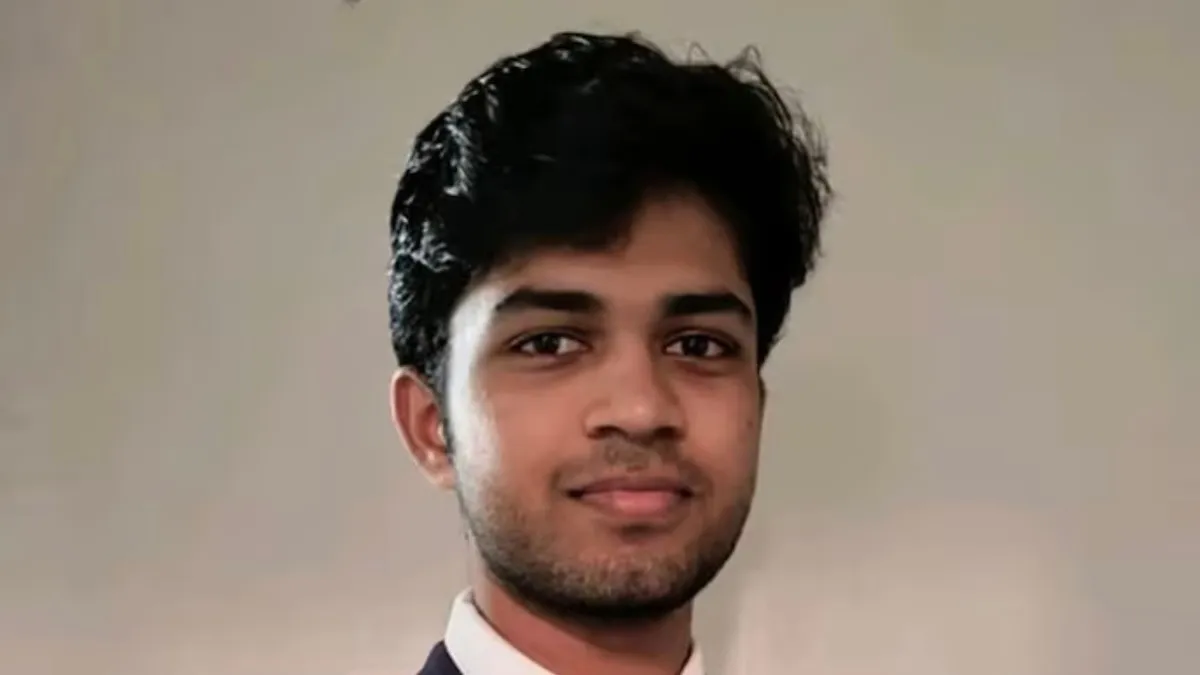
The death of a young Indian postgraduate student studying in the United States has drawn deep concern and sorrow among students, families, and officials across both countries. Saketh Sreenivasaiah, a 22-year-old from Karnataka pursuing higher education abroad, had been reported missing earlier in the week before authorities confirmed the recovery of his body. His disappearance and the subsequent discovery of his belongings had already prompted anxiety within the student community, and confirmation of his death has intensified attention on the circumstances surrounding the case.
Officials have been coordinating closely with his family while formal processes relating to investigation and repatriation continue. Sreenivasaiah had been enrolled in a Master of Science programme at University of California, Berkeley, one of the leading academic institutions in the United States.
His sudden disappearance triggered concern among local authorities and representatives of the Indian government, who began monitoring developments closely as search efforts unfolded. The discovery of his backpack earlier in the week added urgency to the situation, particularly as it contained essential personal documents. The eventual recovery of his body has now shifted attention toward understanding the sequence of events that led to the tragedy.
Circumstances of Disappearance and Discovery
Saketh Sreenivasaiah was reported missing after he disappeared earlier in the week, prompting concern from authorities and community members who were aware of his academic enrolment and daily routines. According to available information, the sequence of events began with uncertainty over his whereabouts, followed by the discovery of his personal belongings. His backpack, which reportedly contained his passport and laptop, was found on a doorstep in the Park Hills neighbourhood of Berkeley. The presence of such critical personal items in a residential area raised immediate questions about the circumstances under which they had been left behind.
The recovery of the backpack represented an important development in the search process. Personal belongings often serve as crucial indicators during missing-person investigations, and the fact that his identification documents and academic equipment were located separately from him suggested a disruption to his normal activities. Local reports indicated that authorities and community members were alerted to the discovery, prompting further search efforts and investigative steps.
In the days following his disappearance, law enforcement officials continued their efforts to determine his location. Eventually, local police confirmed the recovery of his body, bringing a tragic conclusion to the search. The confirmation was communicated publicly through official channels, marking a significant moment in the unfolding of the case. Although confirmation of death provides clarity regarding a missing person’s status, it often raises new questions that require detailed investigation, including the timeline of events, the location where the body was discovered, and the circumstances that led to the fatal outcome.
Read : Heavy Lightning Sparks Two Fires on Greek Island of Thassos: Watch
The recovery of the body has also shifted focus toward official procedures that follow such incidents. These typically include forensic examination, coordination with diplomatic representatives, and communication with the family of the deceased. Such processes are particularly complex when the individual involved is an international student, as they involve both local authorities and the person’s home country.
Academic Life and International Student Environment at University of California, Berkeley
The academic setting in which Saketh Sreenivasaiah was pursuing his postgraduate studies is widely known for its vibrant intellectual culture and diverse international student population. The University of California, Berkeley attracts students from across the world, offering advanced research opportunities and a dynamic campus environment that combines rigorous academic work with active student life. For many international students, studying there represents a significant personal and professional milestone.
Read : 16-Year-Old Wootton High School Student Shot by Classmate, Suspect Arrested
International students often navigate complex adjustments when relocating for higher education. These include adapting to a new academic system, living independently in a foreign country, and integrating into unfamiliar social and cultural environments. Universities typically provide support systems ranging from orientation programmes and counselling services to international student offices that assist with documentation and community engagement. Even with such support, however, the experience of living abroad can involve logistical and emotional challenges.
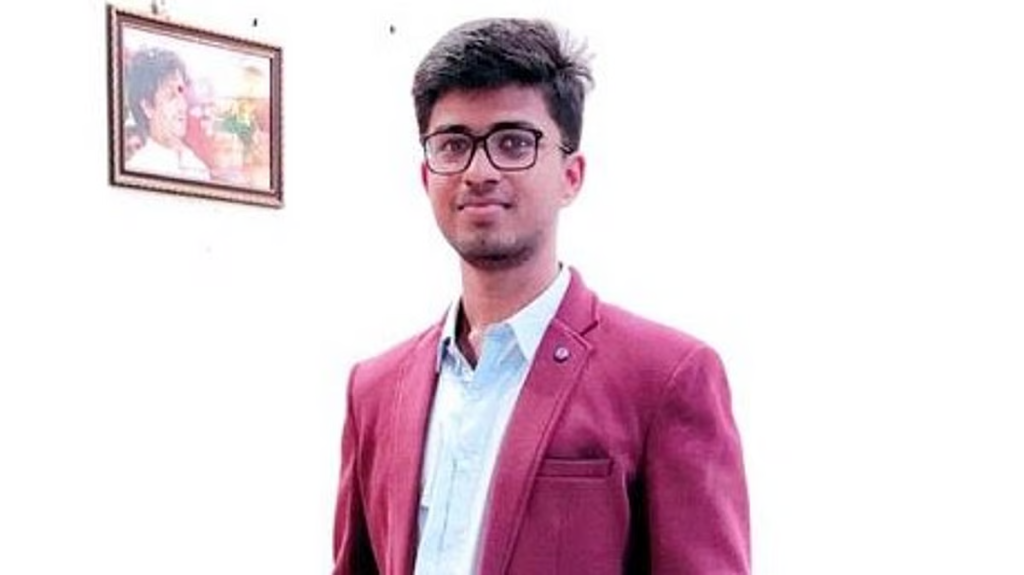
Postgraduate programmes in science and technology fields, such as the Master of Science track in which Sreenivasaiah was enrolled, demand intensive academic engagement. Students often balance coursework, research responsibilities, and professional development opportunities. Their schedules may involve long hours in laboratories, libraries, and collaborative academic settings. Within such environments, peers and faculty often form close academic networks that provide both intellectual exchange and social support.
When a student goes missing within a university community, the impact is felt across multiple layers of campus life. Fellow students, academic supervisors, and administrative staff may become involved in search efforts or information sharing. News of a missing student spreads rapidly within academic circles, generating concern not only for personal safety but also for the well-being of the broader campus community. Confirmation of a student’s death intensifies this impact, often prompting institutional responses that include communication with students and support resources for those affected.
The presence of international students also introduces diplomatic and administrative considerations when serious incidents occur. Universities typically coordinate with consular authorities from the student’s home country, particularly in matters involving legal procedures, communication with families, and the return of remains. Such coordination reflects the intersection of academic institutions, local governance, and international representation.
Consular Response and Repatriation Process
Following confirmation of Saketh Sreenivasaiah’s death, official communication was issued by the Indian Consulate in San Francisco, which acknowledged the recovery of his body and expressed condolences to his family. Consular officials indicated that they were in direct contact with relatives and would provide assistance with required formalities. These responsibilities include working with local authorities, ensuring proper documentation, and arranging the repatriation of mortal remains to India.
Read : 16-Year-Old Student Arrested for Disorderly Conduct in ICE Protest Walkout
The involvement of consular authorities is a standard procedure when citizens of one country die abroad. Diplomatic missions serve as the primary link between local administrative systems and the deceased person’s family in their home country. Their role extends beyond formal communication; it includes logistical coordination, guidance on legal requirements, and assistance in navigating procedures that may be unfamiliar to grieving relatives.
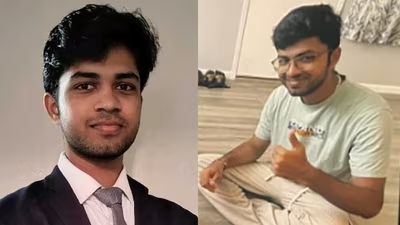
Repatriation of remains involves multiple stages. These can include certification of death, medical or forensic examination, preparation of documentation for international transport, and coordination with airlines and local officials in both countries. The process must comply with legal and health regulations governing international transfer of human remains. Such procedures can be complex and time-sensitive, particularly when families wish to conduct last rites according to cultural or religious customs.
In addition to logistical arrangements, consular officers often provide support to families who may be coping with both emotional distress and administrative challenges. Communication across time zones, documentation requirements, and travel planning can add significant strain. Consular staff typically act as facilitators, ensuring that information is communicated clearly and that necessary steps are completed efficiently.
Public statements issued by diplomatic missions also serve an informational function. They confirm developments in cases involving citizens abroad and provide reassurance that official assistance is being extended. In situations involving students or young individuals studying overseas, such communication is closely followed by communities in both countries, reflecting broader concerns about safety, welfare, and support mechanisms for international students.
As formal processes continue, attention remains focused on the circumstances that led to Saketh Sreenivasaiah’s disappearance and death, along with the administrative steps required to return him to his home country. The coordination between local authorities, academic institutions, and diplomatic representatives forms the framework through which such cases are managed, encompassing investigation, documentation, and final arrangements.
Just wanted to share that slotbet200 has some cool slots. Variety is great, and I’ve seen some decent jackpots. Give it a look and see what you think: slotbet200
Yo, 6x6betgame is where it’s at. Been hittin’ some nice wins lately. Give 6x6betgame a shot, might get lucky!
Brbetcasino, yeah, it’s got its moments. Solid selection of games, no cap. Worth checking out if you’re lookin’ for somethin’ new. Check it out at brbetcasino!