
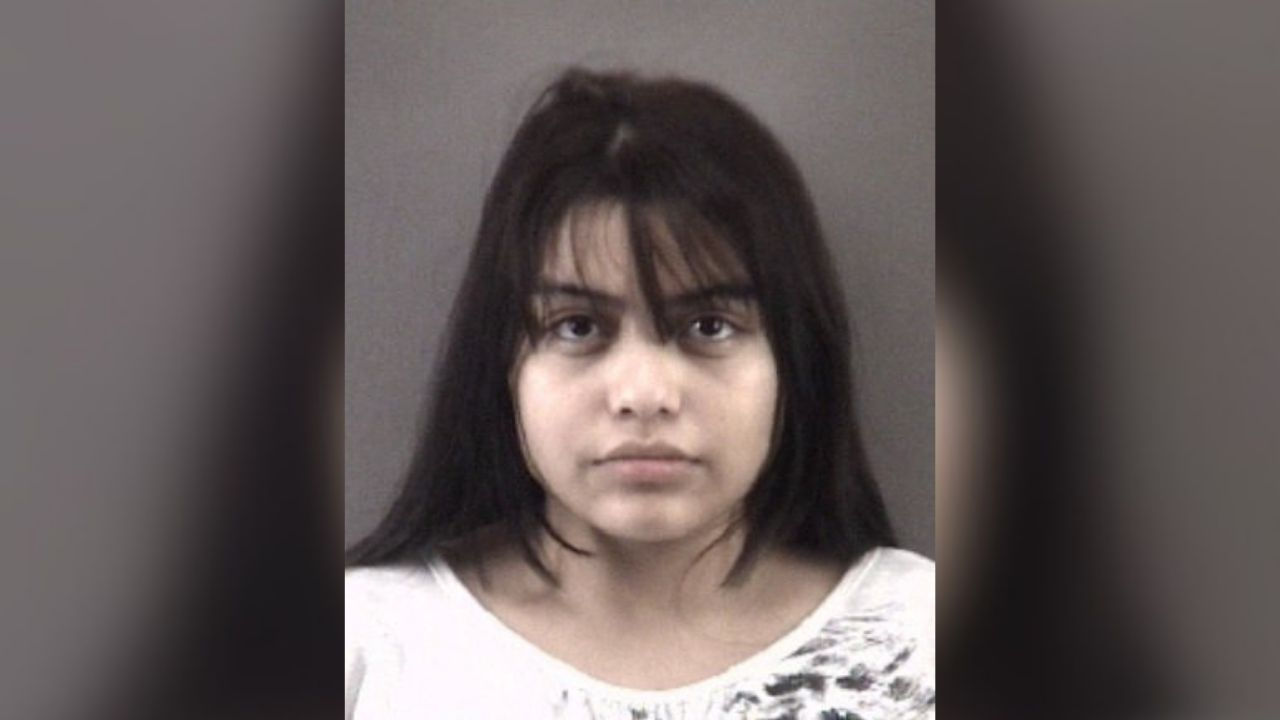
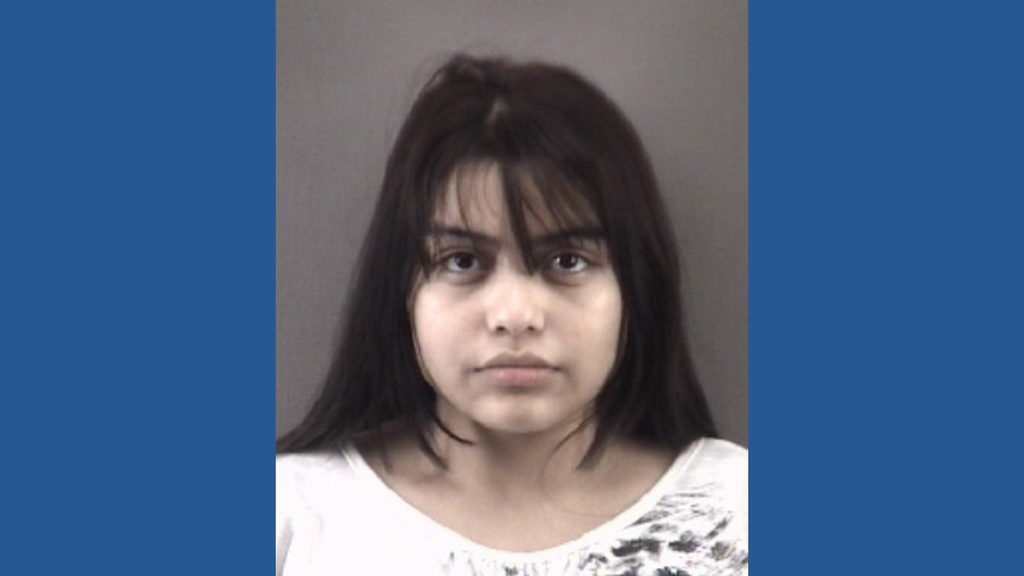
A 17-year-old North Carolina girl identified in court records as Sarah Lindsey Santiago has been charged with murder after authorities alleged that she played a supporting role in a deadly shooting at a mosque in San Diego. According to prosecutors, Santiago was not physically present at the Islamic Center during the attack, but investigators allege that she agreed beforehand to record and distribute a livestream of the violence and publish writings prepared by the attackers. A grand jury indicted her on three counts of murder and one count of conspiracy, with authorities arguing that her alleged actions made her legally responsible for helping facilitate the deadly attack. The case has drawn widespread attention because of Santiago’s age and the serious nature of the allegations against her.
The deadly attack at the Islamic Center of San Diego claimed the lives of three people and left a community in mourning. Authorities said two attackers, identified as Cain Clark, 17, and Caleb Vazquez, 18, entered the mosque on May 18 and began carrying out their planned assault. A security guard fought back and helped initiate a lockdown that authorities believe protected approximately 140 children who were nearby. Despite those efforts, three men were killed before the attackers fled and later took their own lives inside a vehicle. As investigators examined the events leading up to the shooting, they alleged that Santiago had played a role in preparing for the attack and spreading the material connected to it.
The charges against Santiago have raised major questions about the alleged role of individuals who may assist attackers from a distance. Prosecutors say the investigation uncovered evidence that Santiago agreed before the shooting to perform specific tasks connected to the attack, including recording the livestream, distributing it and releasing a document written by the attackers. North Carolina District Attorney Jim O’Neill said authorities believe those alleged actions amounted to aiding and abetting the deadly attack. Under North Carolina law, O’Neill said, a person accused of aiding and abetting can face the same penalties as the person who directly committed the crime.
Sarah Lindsey Santiago and the Murder Charges
Sarah Lindsey Santiago was arrested last week after investigators examined her alleged connection to the San Diego mosque shooting. According to court records, the 17-year-old was living in North Carolina when she allegedly became involved with the planning surrounding the attack. A grand jury later indicted her on three counts of murder and one count of conspiracy. Prosecutors have alleged that Santiago agreed before the shooting to record the attack through a livestream, distribute the recording and publish material written by the attackers after the violence began.
District Attorney Jim O’Neill described Santiago as the person who allegedly handled the recording and dissemination of information connected to the shooting. According to the indictment, she carried out those responsibilities as part of an agreement made before the attack took place. Prosecutors also alleged that she purchased a patch displaying a white supremacist symbol and sent it to one of the attackers to wear during the shooting. Authorities have presented this alleged activity as evidence that her involvement went beyond simply viewing or sharing information after the fact.
The legal case against Santiago is particularly significant because she is accused of murder despite not being identified as one of the gunmen who entered the Islamic Center. Prosecutors have pointed to North Carolina’s aiding-and-abetting laws, which can allow someone accused of intentionally assisting a crime to face the same criminal penalties as the person who physically carried out the act. O’Neill said that, under the law, the charges could carry the same consequences as if Santiago herself had participated directly in the attack.
Santiago’s attorney did not immediately respond to a request for comment following the announcement of the indictment. Because the case involves a minor, many details surrounding Santiago’s background and the evidence against her remain limited in publicly available court information. The allegations contained in the indictment represent accusations by prosecutors, and the criminal charges will need to be addressed through the legal process.
🇺🇸 A 17-year-old North Carolina girl has now been charged with 3 counts of murder in the San Diego mosque attack.
— NewsForce (@Newsforce) August 31, 2026
Prosecutors say Sarah Lindsey Santiago helped arrange the livestream, distribute the footage and release the attackers’ manifesto.
The May shooting left 3 victims… https://t.co/nuobn5p9cO pic.twitter.com/n1or3laPWW
The case highlights how investigators increasingly examine alleged digital support networks surrounding violent attacks. Authorities are not only focused on those who physically carry out acts of violence but may also investigate people accused of helping with planning, communications, propaganda or the distribution of material connected to an attack. In Santiago’s case, prosecutors allege that recording and spreading the livestream and attackers’ writings were part of an agreed plan rather than actions that occurred independently after the shooting.
What Happened During the San Diego Mosque Shooting?
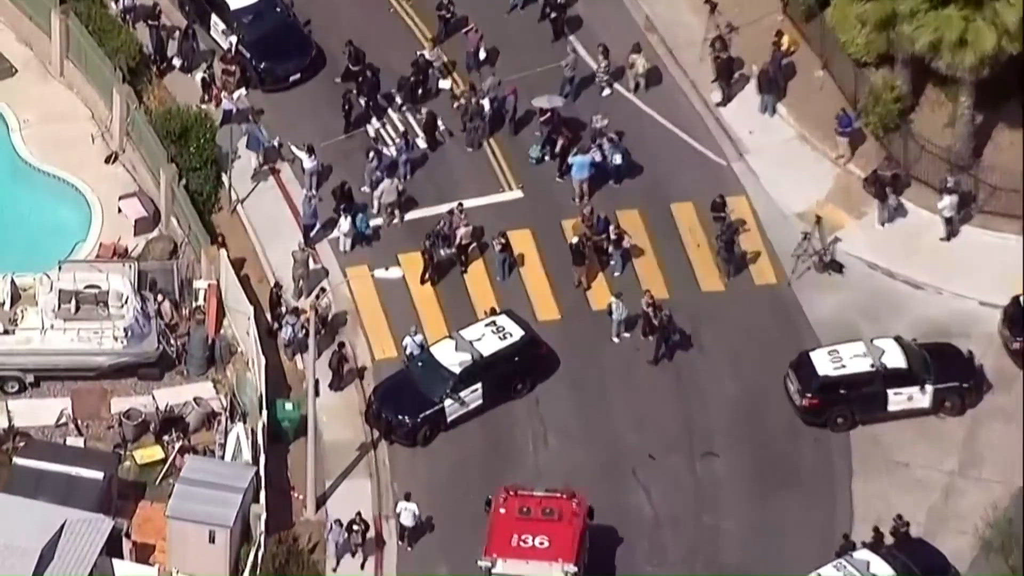
The shooting took place at the Islamic Center of San Diego on May 18, when authorities said two attackers stormed the facility and opened fire. The victims included security guard Amin Abdullah, center caretaker Mansour Kaziha and Nadir Awad, who was the husband of a teacher at the center. The attack shocked members of the Muslim community and prompted an outpouring of grief and support as hundreds of people later gathered to remember those who lost their lives.
Authorities identified the attackers as Cain Clark, 17, and Caleb Vazquez, 18. According to investigators, the two entered the Islamic Center with the intention of carrying out a deadly attack. However, the violence was interrupted in part by the actions of the security guard, who exchanged gunfire with the attackers and helped initiate a lockdown at the facility. Authorities said approximately 140 children were nearby at the time, and the quick response helped protect them from further danger.
Although the attackers were driven back outside the building, three people were killed during the shooting. The gunmen later fled from the scene and eventually took their own lives inside a vehicle nearby, authorities said. Their deaths ended the immediate confrontation, but investigators were left with the task of determining how the attack had been planned and whether other people had allegedly played a role in supporting or facilitating it.
During the investigation, authorities examined writings left behind by the attackers. The documents contained hateful and extremist rhetoric directed at a wide range of communities and groups. Investigators said the writings referenced white supremacist and far-right ideological beliefs and included anti-Muslim, antisemitic, anti-Black and anti-LGBTQ+ rhetoric, along with hatred directed toward women and people across the political spectrum.
Authorities also said the attackers cited the 2019 Christchurch mosque shooter as one of their inspirations. The Christchurch attack, in which 51 people were killed at two mosques in New Zealand, became one of the most notorious examples of an extremist mass shooting being broadcast online. The alleged effort to livestream the San Diego attack and distribute the attackers’ writings has therefore become a major part of the investigation into how the violence was planned and promoted.
O’Neill said investigators also uncovered alleged plans for further attacks against two other locations, including a Jewish temple and a predominantly Black high school. Authorities credited the resistance at the Islamic Center and the actions of those who responded to the attack with preventing additional loss of life. The security guard and other victims were praised for their efforts to protect people inside the mosque, particularly the large number of children who were nearby when the shooting began.
The attack left lasting pain throughout the San Diego community. In the days following the shooting, flowers and candles were placed outside the mosque as community members gathered for a vigil. The victims were remembered by family members, friends and fellow members of the community, while people across different religious and cultural backgrounds expressed solidarity with the Islamic Center.
The Alleged Extremist Network and the Investigation
The investigation into the San Diego mosque shooting has focused heavily on the alleged planning and ideological motivations surrounding the attack. According to authorities, the attackers left behind writings describing their beliefs, grievances and goals. The documents reportedly included references to extremist theories and language promoting hatred toward multiple communities. Investigators said the attackers appeared to believe in the idea that society should be pushed toward chaos and collapse.
One of the central allegations against Santiago is that she agreed before the attack to help ensure that the shooting would be recorded and the attackers’ writings would be distributed afterward. Prosecutors allege that this was not simply an online reaction to an event but part of a plan discussed before the violence occurred. The indictment alleges that Santiago carried out the tasks she had agreed to perform and helped spread the material connected to the attackers.
Read : Twitch Streamer Emily Schunk Assaulted at TwitchCon Meet-and-Greet in San Diego
The alleged purchase and delivery of a patch containing a white supremacist symbol has also been included in the case against Santiago. Prosecutors allege that she obtained the patch and sent it to one of the attackers to wear during the shooting. Authorities have cited this allegation as part of their broader argument that Santiago knowingly assisted with the preparation and presentation of the attack.
The writings attributed to the attackers reportedly revealed a mixture of extremist ideology and personal grievances. Authorities said the documents contained claims about race and society that are frequently associated with white supremacist and far-right extremist movements. The writings also expressed hatred toward Muslims, Jewish people, Black people, LGBTQ+ individuals and women.
Investigators said the attackers appeared to be motivated by a desire to create fear and accelerate social instability. Their alleged plans reportedly extended beyond the Islamic Center, with investigators identifying two additional potential targets. The discovery of those alleged plans has intensified the attention surrounding the actions of the security guard and others who resisted the attackers during the shooting.
The family of Caleb Vazquez released a written statement saying that he was on the autism spectrum and had struggled with parts of his identity. The family said they believed that his exposure to hateful rhetoric online contributed to his radicalization. Their statement added another layer to the broader discussion about how extremist material can spread online and influence vulnerable individuals.
However, the investigation remains focused on individual criminal responsibility and the specific actions authorities allege were taken before and during the attack. In Santiago’s case, prosecutors must establish the facts surrounding the alleged agreement and her knowledge of the planned violence. The murder and conspiracy charges represent serious accusations, and the case will ultimately depend on the evidence presented through the justice system.
The charges against Sarah Lindsey Santiago have become one of the most closely watched aspects of the investigation because they raise difficult questions about alleged participation in violent crimes from outside the immediate crime scene. Prosecutors argue that someone who knowingly assists in planning or facilitating a deadly attack can bear criminal responsibility even if they did not physically pull the trigger. The case will examine whether the alleged recording, distribution of the livestream and publication of the attackers’ writings were knowingly carried out as part of the planned attack.
As the legal proceedings continue, the families of the three victims and the wider San Diego Muslim community continue to deal with the consequences of the deadly shooting. The deaths of Amin Abdullah, Mansour Kaziha and Nadir Awad remain at the center of the tragedy, while investigators continue examining every person allegedly connected to the planning and promotion of the attack. For prosecutors, the charges against Santiago represent an effort to hold accountable anyone they believe knowingly helped support the violence. For the public, the case has become a disturbing example of how extremist attacks can involve not only those who carry out violence but also people allegedly accused of assisting behind the scenes.
I’m really impressed with the variety of games available here. Everything is so polished and the withdrawals are processed quickly. Go to okjiliapp and see for yourself.
When trying to observe live media events in different regions, being able to explore television streams by country provides an efficient way to find working public broadcasts without extra hassle.
If you need a reliable reference for German television feeds, this germany iptv playlist repository presents a structured index of public channels.
Had some amazing luck today! The site is very responsive and easy to navigate even for beginners. Cheers to phjljl16 for the big win.
Clean layout and no unnecessary fluff. It’s exactly what I need for a quick gaming session during my break. Loving bb44bet
Great vibes and an even better selection of betting options. It is rare to find a site this stable and responsive. Keep it up 45tbet!
The slot variety here is insane. I hit a decent win on my first try and the withdrawal process was super quick. Highly recommend it guys! kratonbetslot
Super easy registration process and I was playing within minutes. The vibe here is just right. phjili6 is simply the best in the game.
I love how stable the connection is even during peak hours. No lags and the withdrawals are processed quickly. Big thanks to bdnogod888