
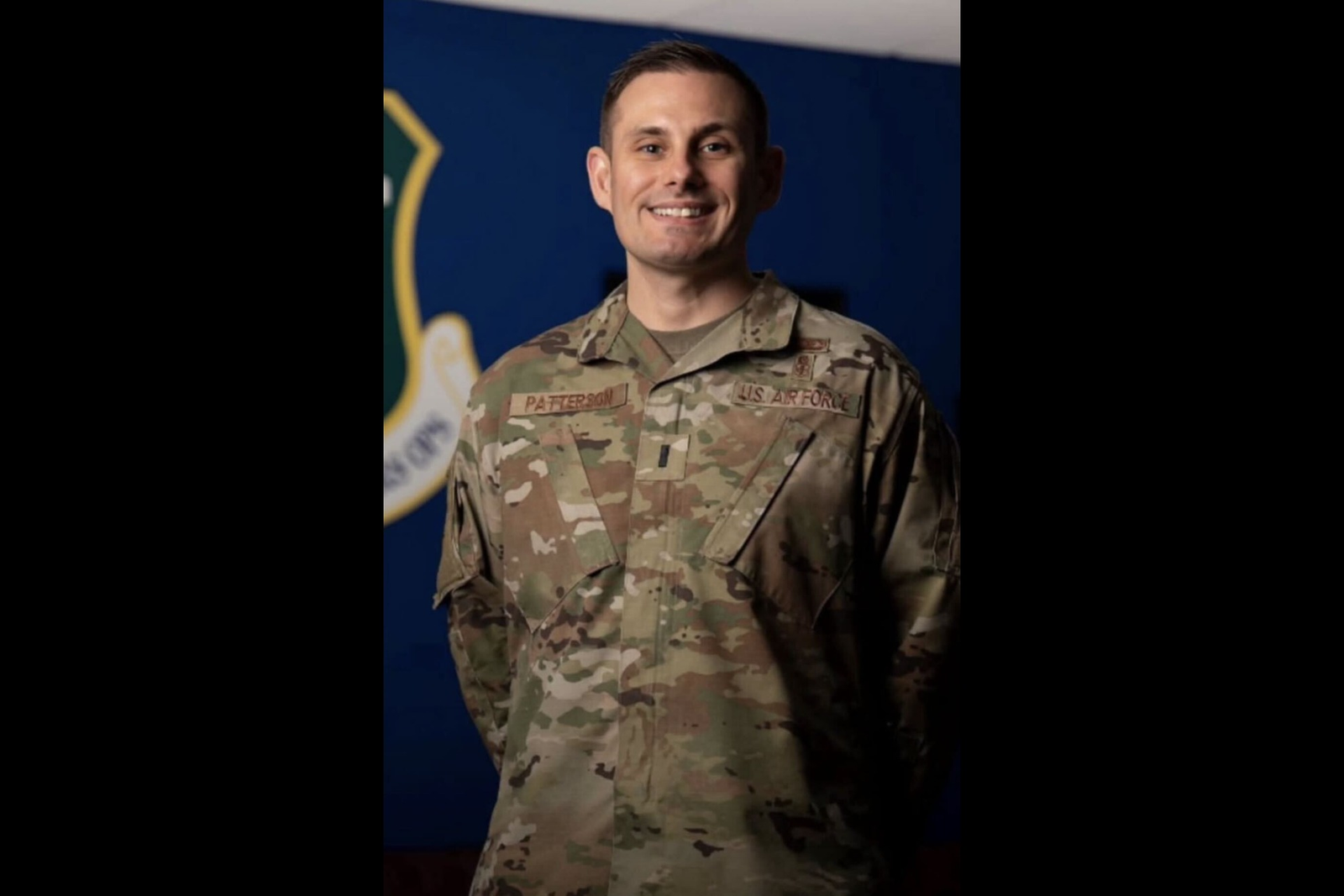
Tech Sgt Ian Patterson, a United States Air Force service member with 15 years of military experience, died after falling from the rafters of the Alamodome in San Antonio, Texas, during a pregame rappelling demonstration at a University of Texas at San Antonio (UTSA) football game. The tragic incident occurred on Saturday before UTSA faced Navy in a game dedicated to honoring members of the armed forces and military veterans. His death shocked spectators, military personnel, players and the wider community, turning an event intended to celebrate the service and sacrifice of military members into a moment of profound sadness. The US Air Force subsequently identified Patterson and confirmed details of his military career, while an investigation began into the circumstances surrounding the fatal fall.
Who Was Ian Patterson?
Tech Sgt Ian Patterson was an experienced Air Force noncommissioned officer who served as a tactical air control party instructor with the Sixth Combat Training Squadron, Detachment Two, at Joint Base San Antonio. He was associated with Fort Stewart, Georgia, and had dedicated 15 years of his life to military service. His professional responsibilities involved preparing military personnel for demanding operational environments, including work requiring close coordination between ground forces and air support units.
Patterson’s role as an instructor placed him among specialists whose training and expertise are important to military operations, where communication, precision and the ability to respond under pressure can be critical. His death was particularly painful for colleagues who had worked alongside him and for a military community that recognized the importance of experienced instructors in preparing the next generation of service members. Patterson’s service record included several military honors reflecting his contributions and professional achievements. In 2022, he was named Air Force Special Warfare Enlisted Instructor of the Year at the Headquarters Air Force level, an important recognition of his work as a military educator.
The award highlighted his standing as an instructor responsible for helping develop the skills and readiness of other service members. According to the Air Force, his other decorations included the Air and Space Commendation Medal with three oak leaf clusters, the Army Commendation Medal, the Air and Space Achievement Medal and the Army Achievement Medal, each with one oak leaf cluster. These distinctions formed part of a career that extended across 15 years of service. While military awards provide a record of professional accomplishments, statements released after his death also emphasized his importance to the people who knew him personally and worked with him throughout his career.
What Happened During the Rappelling Demonstration at UTSA?
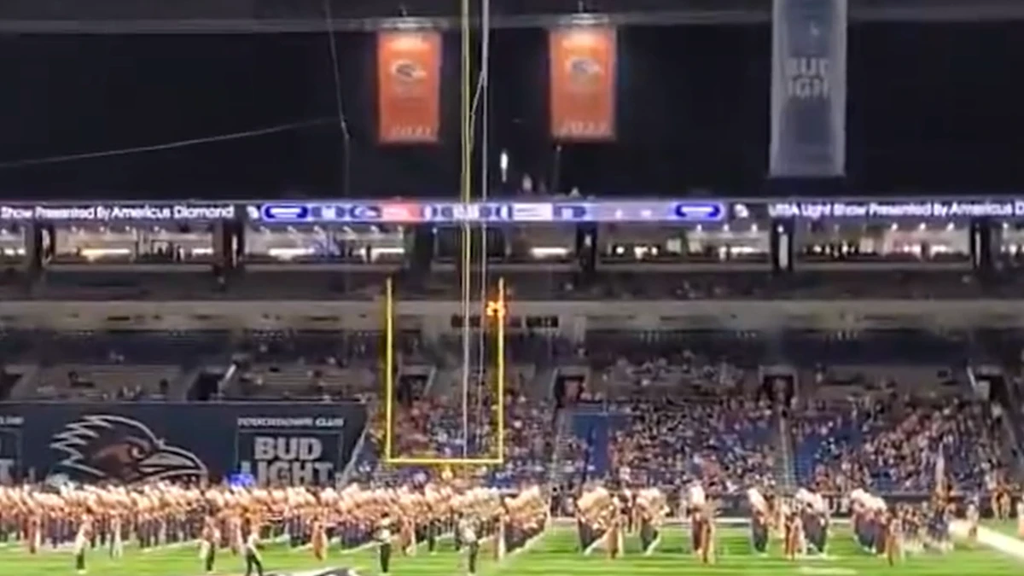
The accident occurred on Saturday at the Alamodome in San Antonio, where UTSA was scheduled to play Navy in its annual Salute to Armed Forces and Veterans game. As part of the pregame activities, four military service members were scheduled to participate in a rappelling demonstration, descending by rope from the stadium’s overhead structure toward the field. Such demonstrations are intended to showcase military skills and give spectators an opportunity to recognize the service members participating in the event. Patterson was among the four personnel taking part in the demonstration when he fell from the rafters.
The incident happened in front of spectators who had gathered in the stands, while a band and other participants were assembled nearby on the field. What had been planned as a ceremonial display of military expertise suddenly became a serious emergency, leaving those present shocked and concerned about the injured airman’s condition. Following the fall, Patterson received medical attention on the field for several minutes before being transported away on a gurney. The football game was delayed for approximately 10 minutes as the incident was addressed.
Read : Who Is Hamam al-Hammami, the Flydubai Co-Pilot Accused of Attacking Captain Smit Machchhar?
Authorities had not immediately released complete information about his medical condition, and the circumstances that led to the fall remained unclear. An investigation was subsequently launched to establish what happened during the rappelling demonstration and what factors may have contributed to the accident. No definitive explanation for the fall was provided in the initial statements announcing Patterson’s death, and the available information did not establish whether equipment failure, a procedural issue or another factor was responsible.
Tragedia e morte drammatica anche negli Usa 🇺🇸 Sempre sabato 17 ottobre 2026, all’Alamodome di San Antonio, Texas, prima della partita di college football UTSA–Navy, un aviere dell’U.S. Air Force – il Tech. Sgt. Ian Patterson – è caduto durante una dimostrazione di discesa in corda (rappelling/fast-rope) dalle travi del soffitto dello stadio, a circa 50 metri di altezza. Faceva parte di un team di quattro militari che doveva scendere sul campo circa 15 minuti prima del calcio d’inizio, nell’ambito della “Salute to Armed Forces & Veterans” della UTSA. Secondo i resoconti, ha perso il controllo a metà discesa, è scivolato lungo la corda in modo incontrollato e ha impattato violentemente sul terreno. È stato soccorso sul campo e trasportato in ospedale, dove è deceduto.
— Leonardo Gallo (@LeonhardHahn) October 19, 2026
Determining the cause would require investigators to examine the circumstances surrounding the demonstration rather than relying on speculation about what went wrong. The incident also created a difficult situation for the organizers, players and spectators at the stadium. The American Athletic Conference, which includes UTSA’s football program, explained why the game continued after the accident. According to the conference, the decision was made partly to avoid speculation about Patterson’s medical status while his condition remained unknown and to prevent additional distress for his family.
The conference also emphasized the importance of respecting the military’s process for notifying the next of kin of service members involved in fatal incidents. UTSA ultimately defeated Navy by a score of 38-34, but the result of the game was overshadowed by the tragedy that had occurred before kickoff. For many people in attendance, the accident became the defining moment of the evening rather than the football contest itself.
Military Community and UTSA Mourn Ian Patterson’s Death
The US Air Force expressed deep sadness following Patterson’s death and emphasized its commitment to supporting his family, friends and colleagues. Brig Gen Scott C. Mills, commander of the Air Force’s 57th Wing, described the loss as a tragedy that was felt deeply throughout the organization. His statement recognized the value of Patterson’s service and the impact he had on the people who had the privilege of knowing and serving alongside him. Mills also said that the immediate focus was on standing beside Patterson’s family, loved ones and fellow airmen as they faced the loss.
The statement reflected the wider impact of the incident within a military community where personnel often develop close professional relationships through demanding training, shared responsibilities and years of service. It also underscored the importance of providing practical and emotional support to those affected by the death. The University of Texas at San Antonio also released a statement expressing sadness about the incident and extending its thoughts and prayers to Patterson, his family and his military colleagues. The university offered counseling service contacts for students who might have been affected by what they witnessed.
The response recognized that a serious accident occurring in front of a large crowd can have an emotional impact beyond the immediate individuals involved. UTSA’s football coach, Jeff Traylor, later described the incident as heartbreaking and tragic when speaking to reporters. He explained that the atmosphere had changed noticeably by the time his players arrived on the field, even though he had initially been told only that an incident would delay the start of the game. Traylor said the energy had disappeared from the crowd, which numbered more than 23,000 people, and reflected on how the experience put things into perspective. His comments captured the uncertainty and sadness that surrounded the event.
Patterson’s death also drew attention to the specialized work performed by tactical air control party personnel. According to the Air Force, these specialists work with Army and Marine units to help coordinate air and artillery support from forward ground locations. Their duties can require them to operate in demanding environments and maintain effective communication between ground forces and supporting aircraft. Training for these responsibilities includes learning to descend rapidly by rope, including from helicopters positioned approximately 100 feet or more above the ground.
Although rappelling is an established military skill, the accident at the Alamodome demonstrated the serious consequences that can accompany activities involving heights and specialized equipment. The precise cause of Patterson’s fall remained under investigation, and the incident should not be taken as evidence of a particular equipment or training failure without confirmed findings. For Patterson’s family, friends and fellow service members, the loss represented far more than a tragic interruption to a sporting event. He was an experienced airman whose career included years of service, instructor responsibilities and recognition for his professional achievements.
His 2022 instructor award and military decorations documented some of his accomplishments, while the statements released after his death reflected the personal relationships and respect he had built during his time in uniform. The Air Force also thanked the San Antonio community and its partners at Joint Base San Antonio for the care and support shown during the difficult period. As investigators worked to determine the circumstances of the fatal fall, the military and university communities faced the immediate task of supporting those affected by the tragedy. Ian Patterson’s death left a lasting mark on a game intended to honor military service, reminding those present of the human lives behind the uniforms and the profound loss experienced when a service member dies.