
The rapid decline in bee populations worldwide has raised concerns about the future of agriculture and food security. Pollination is a crucial process for plant reproduction, and bees play a significant role in ensuring the growth of fruits, vegetables, and other crops.
However, factors such as habitat loss, pesticide use, and climate change have drastically reduced bee populations, leading scientists to explore artificial pollination techniques. One of the most promising solutions emerging from this research is the development of tiny robotic insect drones designed to mimic the functions of real pollinators.
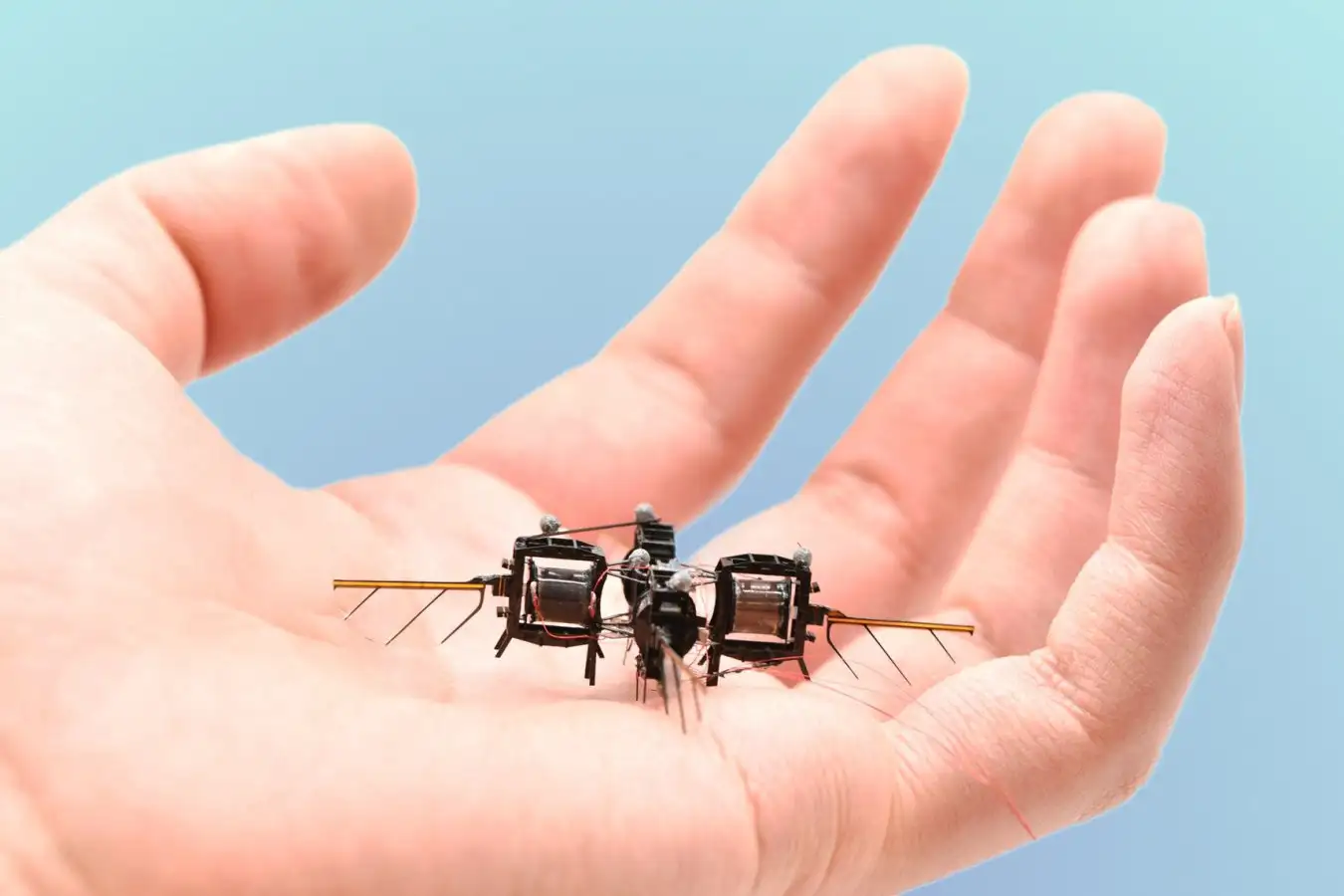
Scientists at MIT have recently unveiled a new generation of robotic insects that can fly 100 times longer than previous models, opening up exciting possibilities for their application in agriculture.
The Evolution of Robotic Insect Drones
The concept of robotic insect drones is not new, but early designs faced significant challenges in endurance, flight capability, and precision.
The primary goal of these drones is to perform artificial pollination by transferring pollen from one flower to another, mimicking the natural role of bees. However, earlier versions of these robotic pollinators struggled with limited flight time, stability issues, and inefficiencies in aerial maneuverability.
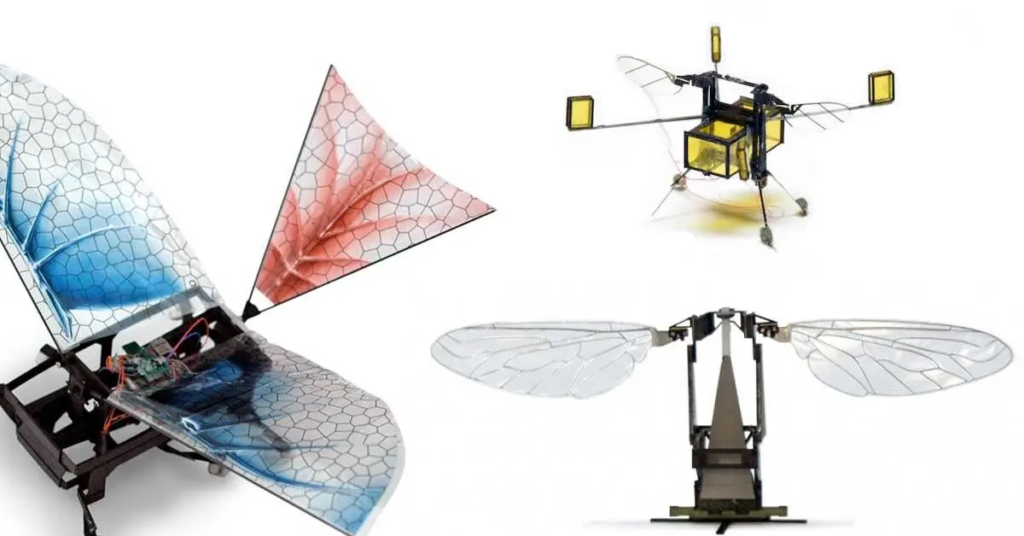
In the past, robotic insect prototypes had multiple wings, with some designs incorporating as many as eight wings. However, these designs often led to inefficient airflow dynamics, resulting in reduced lift and limited flight time. MIT researchers recognized the need for a more refined and efficient design that could overcome these challenges.
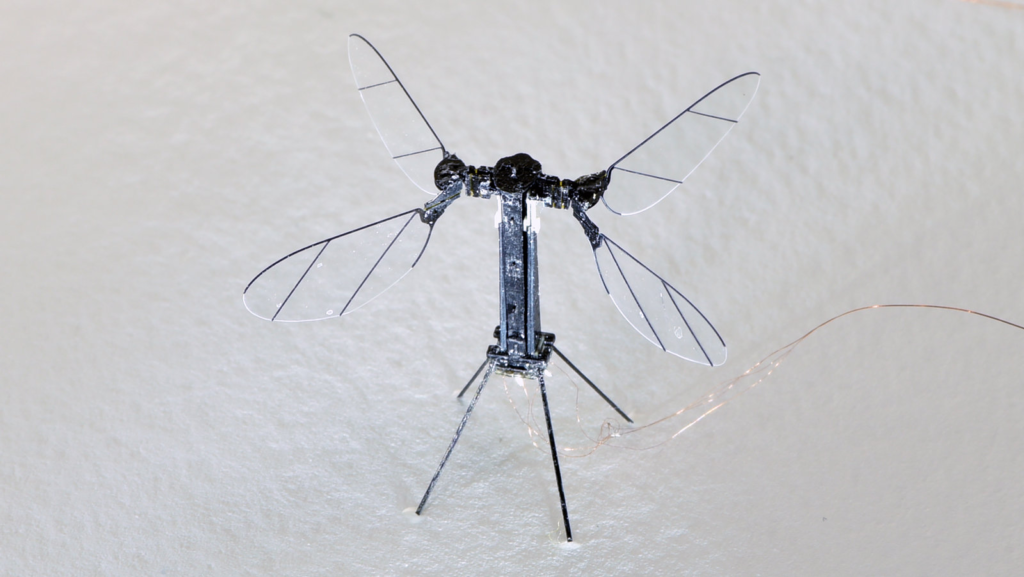
The breakthrough came when scientists redesigned the robotic insects by reducing the number of wings from eight to four. Each of these wings is now positioned to enhance stability and minimize energy wastage.
This new approach allows the robotic insects to achieve greater lift, remain airborne for significantly longer durations, and maintain better control over their flight paths.
Read : SpaceX Catches Starship Rocket Booster with Robotic Arms: Watch
One of the most remarkable improvements in the new design is the incorporation of lightweight materials and energy-efficient systems. The robotic insects are now capable of flying for extended periods, making them more viable for practical applications in agriculture.
Read : Robot Throws Itself Down the Stairs in South Korea: First Robot Suicide Case in the World
By refining the aerodynamics of these robotic pollinators, researchers have managed to create a drone that closely mimics the flight patterns of real insects.
Potential Applications in Agriculture
The introduction of robotic insect drones has the potential to revolutionize modern agriculture. Traditional pollination methods rely heavily on natural bee populations, but with their decline, alternative solutions are necessary to ensure consistent crop yields. The robotic insects developed at MIT could serve as a game-changing solution to this problem.
One of the key benefits of robotic pollinators is their ability to work in environments where natural pollinators are scarce. In urban areas, greenhouses, and regions where bee populations have been severely impacted by environmental changes, these robotic insects could serve as an effective alternative.
By deploying swarms of robotic pollinators, farmers could ensure that their crops receive adequate pollination without relying on dwindling bee populations.
Additionally, robotic pollinators could enhance agricultural efficiency by working in a highly coordinated manner. Unlike natural pollinators, which operate randomly, robotic insects can be programmed to follow specific routes and target specific plants with precision. This could lead to more consistent and evenly distributed pollination, ultimately improving crop yields.
Another promising aspect of robotic pollinators is their potential to reduce the need for chemical interventions. Many farmers resort to artificial pollination techniques that involve chemical sprays and synthetic pollination aids, which can have harmful effects on the environment. Robotic insects offer a more sustainable alternative by mimicking the natural pollination process without the need for harmful chemicals.
Future Prospects and Challenges
While the advancements in robotic insect technology are promising, there are still several challenges that need to be addressed before these drones can be deployed on a large scale. One of the primary challenges is the integration of advanced sensors and artificial intelligence to enable autonomous decision-making.
Bees have highly sophisticated sensory systems that allow them to identify flowers, navigate complex environments, and communicate with their colonies. Replicating this level of intelligence in robotic insects remains a significant challenge.
MIT researchers are currently working on incorporating advanced sensors and computational capabilities into their robotic pollinators.
These enhancements would enable the drones to recognize different types of flowers, optimize their flight paths, and adapt to changing environmental conditions. By equipping the robotic insects with AI-driven decision-making abilities, scientists hope to make them more autonomous and efficient in real-world agricultural settings.
Another challenge is the development of energy-efficient power sources for robotic insects. While the latest designs have significantly improved flight endurance, further advancements are needed to ensure that these drones can operate for extended periods without frequent recharging.
Researchers are exploring innovative energy solutions, such as lightweight batteries and solar-powered systems, to enhance the longevity of robotic pollinators.
Additionally, ethical and ecological considerations must be taken into account before widespread deployment. While robotic pollinators offer a promising solution to declining bee populations, they should not be viewed as a replacement for natural pollinators.
Conservation efforts to protect and restore bee populations must continue alongside the development of robotic insect technology. Striking a balance between artificial and natural pollination methods will be crucial in ensuring a sustainable future for agriculture.
In the coming years, further research and technological advancements will likely refine robotic pollinators, making them even more efficient and practical for agricultural use.
If successful, these robotic insects could play a vital role in addressing food security challenges and ensuring stable crop production in a rapidly changing world. Scientists remain optimistic that with continued innovation, robotic pollinators will become an integral part of modern farming practices, helping to secure the future of global food supplies.