
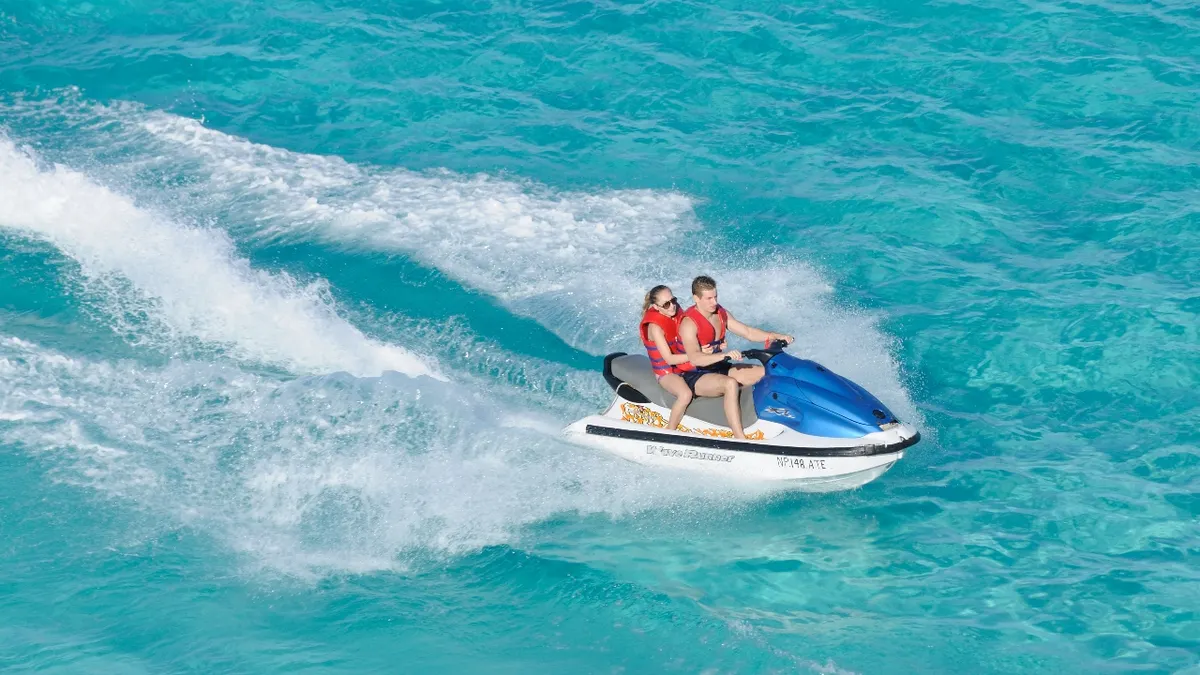
The U.S. Embassy in The Bahamas has issued Sexual Assault Warning for American Women visiting country, particularly those planning to rent jet skis around the popular tourist beaches of Nassau and Paradise Island. This alert follows a disturbing pattern of reported sexual assaults allegedly committed by local jet ski operators.
The Embassy’s announcement has drawn attention to the growing safety concerns faced by female tourists, especially in areas considered recreational hotspots. These warnings, while not uncommon in high-tourism regions, are a stark reminder of the vulnerability of travelers and the urgent need for stronger safety protocols in tourist-driven economies.
The Embassy reported multiple incidents where American women were allegedly raped or sexually assaulted after accepting jet ski rides from male operators in the Nassau area. These assaults were said to have occurred on isolated beaches and small islands near New Providence, far from populated or patrolled zones. The pattern of incidents, including two assaults within the past month and several others last year, has prompted both international concern and local scrutiny.
In response, the U.S. government has taken the rare step of prohibiting its personnel from using or renting jet skis in the affected areas, citing ongoing safety threats. The situation highlights a complex intersection of tourism, crime, and governmental responsibility, raising serious questions about how destinations safeguard the wellbeing of international visitors.
A Pattern of Violence and Growing Safety Concerns
The recent advisory from the U.S. Embassy points to a disturbing trend involving jet ski operators who reportedly target unsuspecting female tourists. These operators often approach women on popular beaches, including Junkanoo Beach, Saunders Beach, and Cabbage Beach—areas frequented by cruise ship passengers and hotel guests.
Victims shared accounts of being taken by jet ski to remote areas where they were sexually assaulted, far from the oversight of law enforcement or other beachgoers.
One particularly shocking incident occurred just last week, when a 23-year-old American woman, who was traveling with Carnival Cruise Lines, was allegedly raped near Junkanoo Beach by a jet ski operator.
Read : Europe: The Continent of Majestic Mountains and Natural Beauty
This case has already led to charges against the accused, although it came to light only after the Embassy’s advisory. The delayed reporting of some assaults has added to frustrations, with victims often leaving the island before seeking help or filing complaints.
Read : Abandoned Boeing 737 Transformed Into Luxurious Villa on a Cliffside in Bali
According to reports, three women were assaulted by jet ski operators in 2023 alone. This year, two new cases have already emerged, suggesting a persistent and possibly growing problem. What alarms many observers is not only the nature of the crimes but also the possibility that other cases remain unreported due to shame, fear, or logistical hurdles after the victims return home.
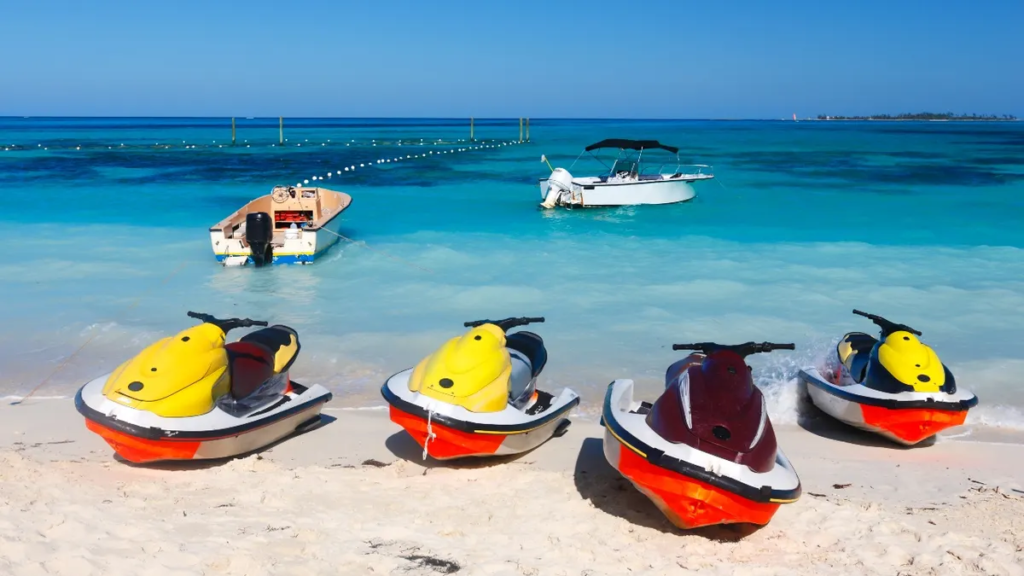
This recurring violence has cast a shadow over the region’s otherwise thriving tourism industry, one of the primary drivers of the Bahamian economy. While jet ski rides remain a popular and lucrative activity, the recent incidents underscore a serious lapse in regulating and monitoring those who provide such services. In some instances, operators have been found working without proper licenses or oversight, allowing potential predators to exploit the system.
Law Enforcement and Government Accountability
The U.S. Embassy’s warning has sparked renewed debate over the role of Bahamian law enforcement and government agencies in protecting visitors. Critics argue that the local police have not been transparent or responsive enough in disclosing such incidents to the public.
Tribune 242, a local newspaper, reported that some assaults were not included in official crime bulletins, raising suspicions of attempted cover-ups or negligence. However, Police Commissioner Shanta Knowles pushed back on these claims, asserting that the Royal Bahamas Police Force does not suppress or withhold information from the public.
According to Knowles, one of the cases omitted from public reporting involved a delayed complaint—the victim reportedly left New Providence Island before filing a report and was later contacted at another cruise port in The Bahamas. Knowles emphasized that the timing of such reports often complicates documentation and public disclosure, but denied any intent to hide information.
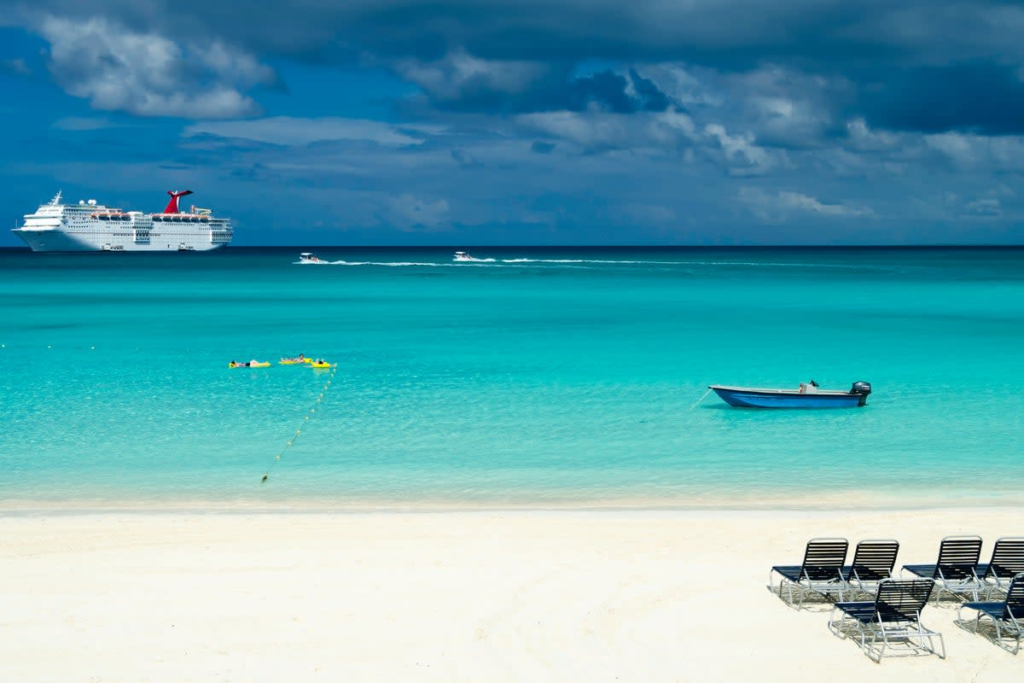
Despite these clarifications, public trust remains fragile. Tourists, particularly women, now face greater uncertainty about whether incidents will be properly reported or prosecuted. Human rights advocates and tourism safety organizations have since called for more transparent communication, swifter responses to victim reports, and improved mechanisms to prevent sexual violence.
The issue also highlights a broader challenge facing tourist destinations worldwide: how to balance economic interests with traveler safety. Tourism is vital to the Bahamian economy, contributing significantly to GDP and employment. Yet, repeated safety failures risk damaging the country’s reputation, potentially deterring future visitors and prompting international travel advisories like the one currently in place.
Preventative Measures and the Path Forward
The United States has taken a proactive approach in response to these incidents. As part of the newly issued advisory, U.S. government employees stationed in The Bahamas are explicitly prohibited from renting or using jet skis on New Providence and Paradise Islands. This prohibition is more than a recommendation—it reflects a concrete security protocol implemented to protect federal workers from a recognized threat.
In addition to the U.S., other governments may follow suit if the pattern of violence continues. The U.S. State Department currently maintains a Level 2 Travel Advisory for The Bahamas, urging American travelers to exercise increased caution. This alert also applies to several nearby regions, including Cuba, the Dominican Republic, the Netherlands Antilles, and Turks and Caicos.
Beyond official government action, travelers themselves are urged to take greater precautions. Female tourists are advised not to rent jet skis alone, avoid remote beach areas, and ensure that all operators are licensed and affiliated with reputable resorts or tour agencies. Cruise lines and hotels also bear some responsibility in warning guests about potential risks and vetting the recreational services they endorse.
On a structural level, the Bahamian government faces growing pressure to reform the oversight of water sport operators. Stricter background checks, mandatory training programs, and better coastal patrols could help prevent future crimes. Furthermore, establishing a streamlined, confidential reporting system for tourists may encourage victims to come forward more quickly and safely, even after they’ve left the country.
Ultimately, the safety of international visitors depends not only on laws and advisories but on the collective action of local businesses, law enforcement, governments, and tourists themselves. As the case of Nassau’s jet ski operators reveals, a single lapse in safety oversight can have devastating consequences—and erode the trust that millions of travelers place in one of the world’s most picturesque destinations.
For now, the spotlight remains on The Bahamas to respond effectively to the Embassy’s warning, restore public confidence, and implement real safeguards to protect every visitor who sets foot on its beaches.