
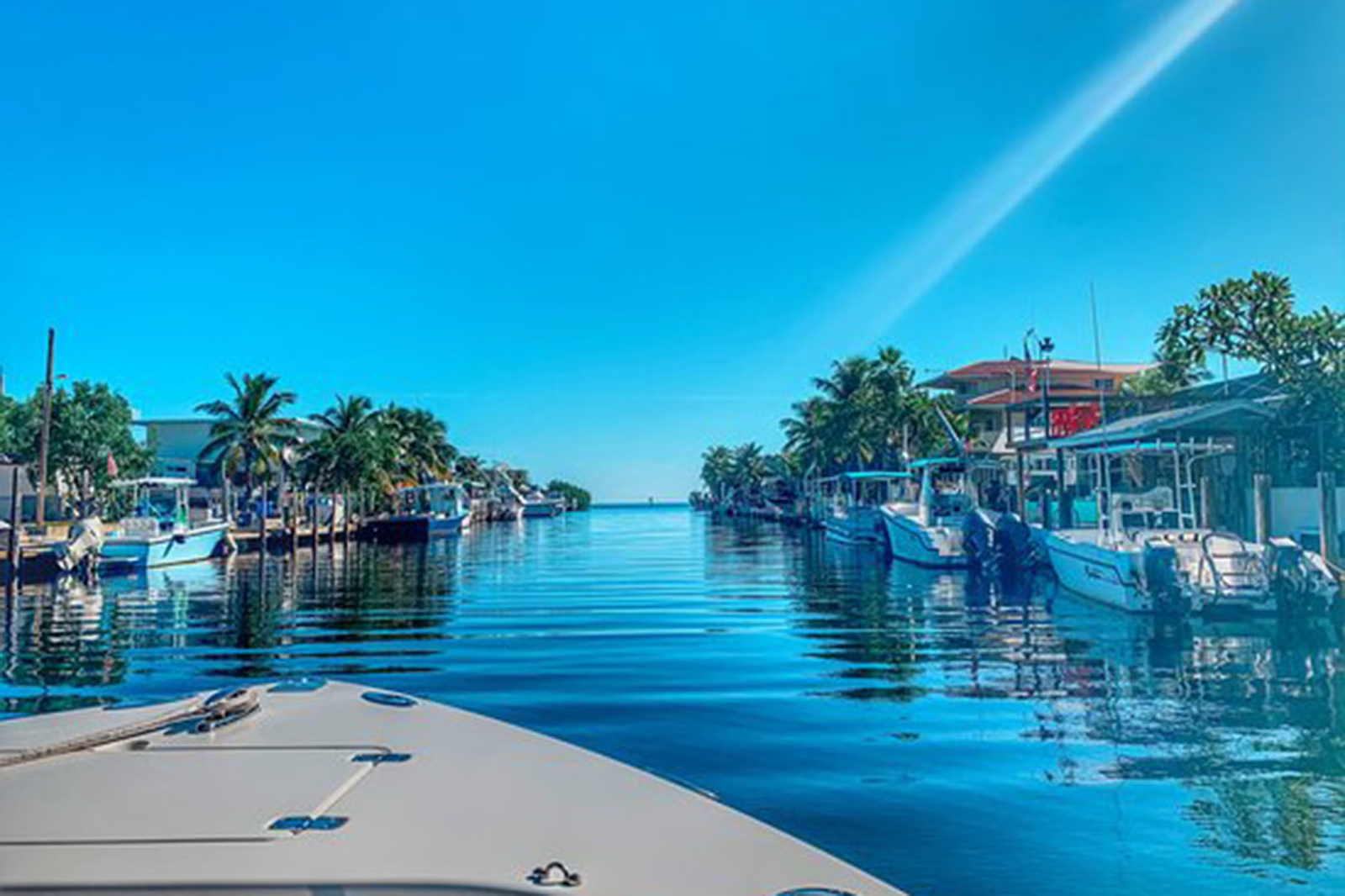
On Labor Day, September 1, 2025, a family outing in the pristine waters of the Florida Keys turned into a harrowing ordeal when an 8-year-old boy was bitten by a shark while snorkeling off the coast of Key Largo. The incident, which occurred around 3:24 p.m., prompted a swift emergency response, with the young victim being airlifted to a Miami hospital for urgent medical attention. This alarming event has reignited discussions about shark encounters in the region, the risks associated with water activities, and the measures needed to ensure safety in popular tourist destinations like the Florida Keys.
The Incident: A Terrifying Encounter at Horseshoe Reef
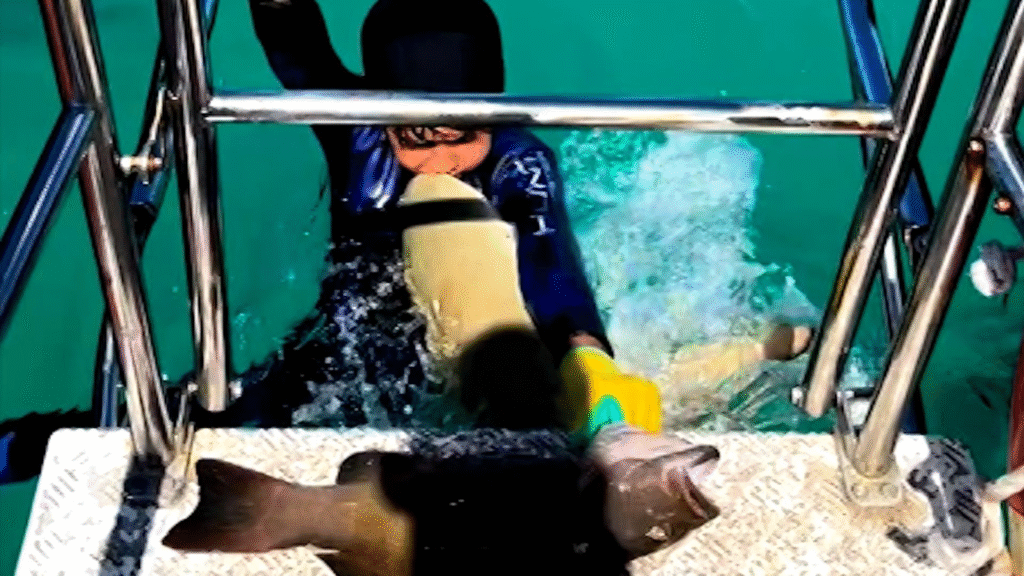
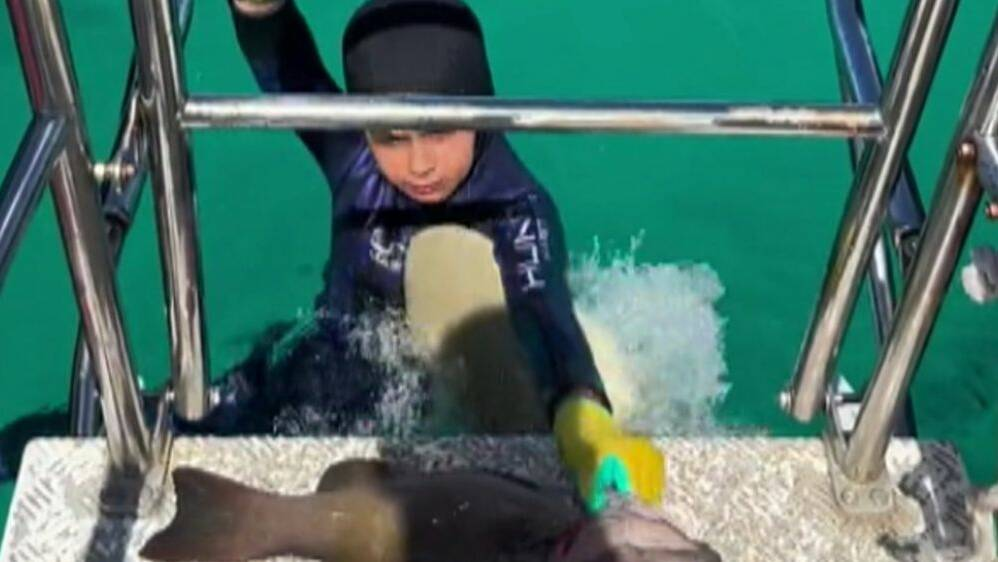
The shark attack took place near Horseshoe Reef, approximately four miles offshore from Key Largo, a popular spot for snorkeling and diving due to its vibrant marine life and coral formations. The boy was snorkeling with his father and a sibling, engaging in spearfishing, when the shark struck, biting him above the knee. The injury was severe, with reports indicating that the child lost a significant amount of blood.
According to the Monroe County Sheriff’s Office, the family quickly flagged down a nearby dive vessel operated by Horizon Divers, whose crew provided immediate aid to stabilize the boy before transporting the family back to Garden Cove Marina. The rapid response was critical. A Trauma Star helicopter was dispatched to the marina, where paramedics were waiting to airlift the boy to Jackson Memorial Hospital’s Ryder Trauma Center in Miami.
Sheriff Rick Ramsay confirmed that the boy underwent surgery on the evening of the incident, though his current condition has not been publicly disclosed. The severity of the bite, described as “serious” by authorities, underscores the unpredictable nature of marine environments, even in areas frequented by tourists and locals alike.
A young boy has been airlifted to hospital after being bitten by shark while snorkeling in the water off the Florida Keys. pic.twitter.com/GJuZ4GQYjN
— ABC News (@ABC) September 2, 2025
This incident marks the latest in a series of shark encounters in the Florida Keys, a region known for its rich biodiversity and warm waters that attract both marine life and visitors. While the specific species of shark involved in this attack has not been officially identified, the Florida Keys are home to various species, including reef sharks, nurse sharks, and occasionally more aggressive ones like bull sharks, which have been implicated in previous incidents in the area.
Emergency Response and Community Reaction
The response to the shark bite was swift and coordinated, highlighting the effectiveness of emergency services in the Florida Keys. The Monroe County Sheriff’s Office, along with Monroe County Fire Rescue, acted promptly to ensure the boy received medical attention as quickly as possible. The involvement of a nearby dive vessel was also pivotal, with the crew’s quick thinking and first aid efforts likely playing a significant role in stabilizing the boy before professional medical help arrived.
Authorities notified the U.S. Coast Guard and the Florida Fish and Wildlife Conservation Commission (FWC), which are now involved in investigating the incident. The local community and tourists in Key Largo were shaken by the news. Social media posts from residents and visitors expressed a mix of shock, empathy, and concern.
Read : Shark Bites Rachel Smith’s Ring Finger While Paddling at Rose Hall Beach
One Key Largo resident wrote, “You never think this could happen to a child,” reflecting the emotional impact of the incident on the tight-knit community. Another commenter voiced apprehension about allowing children to swim in the area, stating, “We love the ocean, but now I’m nervous letting my kids swim here.” These sentiments highlight the tension between the allure of the Florida Keys’ waters and the inherent risks of sharing them with wildlife.
The incident has also sparked broader conversations about safety measures. Some residents have called for increased patrols, warning signs, and educational campaigns to inform visitors about shark behavior and how to minimize risks. Local businesses, which rely heavily on tourism, now face the challenge of reassuring visitors while promoting safety.
The event has prompted some families to cut their beach visits short, with reports of tourists leaving the water earlier than planned during the busy Labor Day weekend. Despite these concerns, marine biologists and authorities emphasize that shark attacks remain rare, and the benefits of enjoying the ocean can outweigh the risks with proper precautions.
Shark Attacks in the Florida Keys: Context and Safety Considerations
The shark bite incident involving the 8-year-old boy is not an isolated event in the Florida Keys, though such attacks are statistically uncommon. According to the University of Florida’s International Shark Attack File, there were 47 unprovoked shark bites worldwide in 2024, with the United States accounting for 29 incidents, 14 of which occurred in Florida.
The Florida Keys, while not the epicenter of shark activity in the state—Volusia County holds that distinction—have seen several notable incidents in recent years. For example, in July 2024, a 37-year-old man was bitten by an 8-foot bull shark while spearfishing near Key West, surviving multiple bites to his chest and legs. In 2022, a 10-year-old boy lost part of his leg to a shark attack at Looe Key Reef, another popular snorkeling site in the Keys.
Experts attribute these incidents to several factors. The Florida Keys’ warm, shallow waters attract large schools of fish, which in turn draw sharks. Activities like snorkeling, diving, and spearfishing can increase the likelihood of encounters, as sharks may mistake humans for prey or be attracted to the movement and splashing associated with these activities.
Poor water visibility, often caused by murky conditions, can also lead to “mistaken identity” bites, where sharks confuse humans with their natural prey. As marine biologist Gavin Naylor noted, “60% of all documented shark bites happen in low visibility water. Sharks don’t target people. If they did, we’d have thousands of bites a day.”
To reduce the risk of shark encounters, experts recommend several precautions. Swimmers and snorkelers should avoid areas with large schools of fish, as these are prime hunting grounds for sharks. Staying in groups can also deter sharks, as they are less likely to approach multiple people. Avoiding murky waters and refraining from wearing shiny jewelry, which can resemble fish scales, are additional measures to enhance safety. For those engaging in spearfishing, experts advise against carrying speared fish, as the blood and movement can attract sharks.
The Florida Keys’ economy heavily depends on tourism, with activities like snorkeling, diving, and fishing drawing millions of visitors each year. Incidents like the recent shark bite underscore the need for a balanced approach to promoting tourism while ensuring safety. Local authorities and businesses may consider enhancing public education efforts, such as distributing guidelines on safe water practices and increasing awareness of marine life behavior.
While shark attacks are rare—experts estimate the odds of being bitten at 1 in 4 million—the emotional and physical toll of such incidents can have lasting impacts on victims, their families, and the community. The attack on the 8-year-old boy serves as a stark reminder of the ocean’s unpredictability and the importance of vigilance in shared marine environments. As the Florida Keys continue to attract adventurers and nature enthusiasts, fostering a culture of respect for the ocean and its inhabitants will be crucial.
The swift response to this incident demonstrates the strength of the region’s emergency infrastructure, but it also highlights the need for ongoing efforts to educate the public and mitigate risks. As the boy recovers in Miami, the community waits for updates on his condition, hoping for his swift and full recovery while reflecting on how to coexist safely with the ocean’s wild inhabitants.
Some really nice stuff on this website , I enjoy it.
Very interesting points you have remarked, thanks for putting up.