
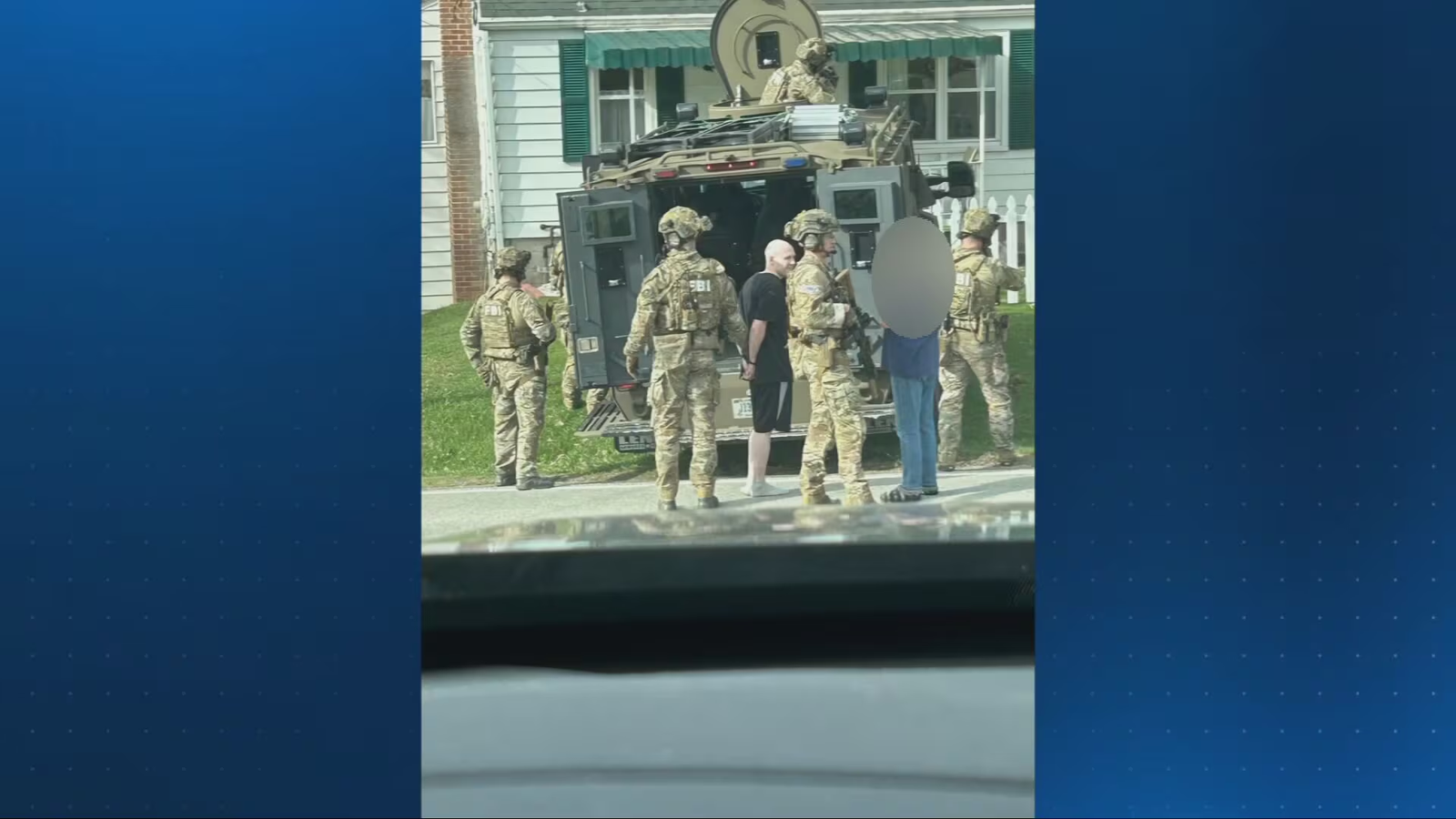
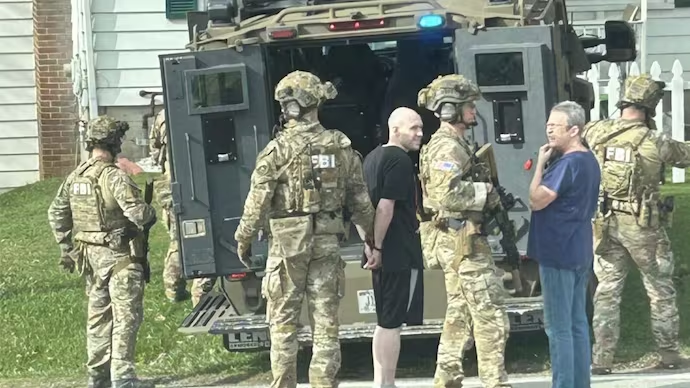
The arrest of Pennsylvania resident Shawn Monper has drawn national attention as it highlights the dangerous intersection of social media, gun ownership, and violent rhetoric. Monper, a man from Butler, Pennsylvania, has been charged with threatening to kill former President Donald Trump, Tesla CEO Elon Musk, and multiple government officials.
His threats, made online through YouTube, prompted an FBI investigation that ultimately led to his arrest in early April 2025. This incident raises significant concerns about the growing threat of violence stemming from online platforms and the consequences of unrestrained speech in a politically charged environment.
The Alarming Threats Made by Monper
Shawn Monper’s online threats were not made in a moment of rage or as an isolated incident. Over a period of several months, from January 2025 to April 2025, Monper posted a series of disturbing messages on YouTube, using the handle “Mr Satan.”
These threats were directed at several high-profile figures, including Donald Trump, Elon Musk, various government officials, and even agents of U.S. Immigration and Customs Enforcement (ICE).
The comments were alarming both for their violent content and for the fact that they were not made in a vacuum. Monper’s posts seemed to reflect a deeper ideology rooted in violent extremism, echoing ideas of violent revolution and anti-government sentiment.
In his messages, Shawn Monper openly stated his desire to see the deaths of prominent figures in the political and business spheres, particularly Trump and Musk. One post from February 2025 stated, “Nah, we just need to start killing people — Trump, Elon, all the heads of agencies Trump appointed, and anyone who stands in the way American Revolution 2.0.”
This comment was not just a rant but a clear incitement to violence, mirroring dangerous rhetoric that has occasionally led to real-world harm. Monper’s comment about an “American Revolution 2.0” invokes the dangerous idea of violent rebellion, and it was in this context that his other posts, including one suggesting he would personally assassinate Trump, became even more concerning.
Read : 42-Year-Old Kendal Aaron Todd Arrested for Threatening to Kill President Trump
The FBI’s investigation began when Monper’s comments were flagged by the National Threat Operations Section (NTOS), a unit dedicated to addressing threats against public figures and institutions.
Read : Nikki Haley Criticized for Writing ‘Finish Them’ on Israeli Shell
The NTOS received reports of Shawn Monper’s comments through a tip-off on April 8, 2025, which led them to trace the source back to Monper’s residence in Butler, Pennsylvania. The investigation into Monper was critical not only because of the nature of his threats but also because of his history of violent rhetoric and his access to firearms.
Monper’s Gun Ownership and Online Behavior
A significant factor in the investigation into Shawn Monper was his acquisition of a firearms license shortly after Donald Trump’s election to the presidency.
In his posts, Monper had mentioned the weapons he had purchased and his plans to build a personal arsenal. In one post from February 2025, he boasted, “I have bought several guns and been stocking up on ammo since Trump got in office.”
This statement raised alarms among investigators, as it suggested that Monper was not just an individual with dangerous ideas but one who had the means to act on them.
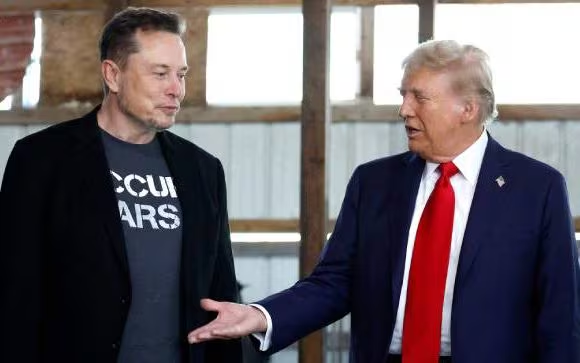
The combination of Monper’s violent rhetoric and his access to firearms made his threats particularly worrisome. He had the resources and intent to follow through with his stated desires. Such cases are increasingly common in today’s climate, where the availability of weapons and the proliferation of violent discourse online have created a fertile ground for real-world violence.
It is important to recognize the growing phenomenon where individuals, inspired by extremist ideas and enabled by the internet, stockpile weapons with the intent to act on their violent beliefs.
Shawn Monper’s posts were not just the ramblings of a frustrated individual; they were part of a disturbing trend that has been amplified by social media. Platforms like YouTube, which allow individuals to broadcast their views to a wide audience, have become breeding grounds for radicalization.
Monper, who had no known criminal history prior to his arrest, used his online presence to air violent and extremist views, with little regard for the potential consequences. This case exemplifies how online platforms can be used to foster extremism and violence.
The Legal Response and the Danger of Violent Extremism
Shawn Monper’s arrest was the result of a swift response by the FBI and the Department of Justice, who moved quickly to prevent any potential harm. Monper has been charged with threatening to kill public officials, including Trump and Musk, and his case has sparked wider discussions about the need for stronger measures to combat online threats.
The legal response has underscored the severity of the situation. As Attorney General Pam Bondi stated, “Whenever and wherever threats of assassination or mass violence occur, this Department of Justice will find, arrest, and prosecute the suspect to the fullest extent of the law and seek the maximum appropriate punishment.”
Shawn Monper’s arrest also highlights the growing challenges faced by law enforcement agencies in dealing with the intersection of free speech, social media, and public safety.
The balance between protecting First Amendment rights and preventing violence is a complex issue, but cases like Monper’s demonstrate the need for a proactive approach to identify individuals who may pose a threat to public safety.
As online platforms become more pervasive in everyday life, the potential for incitement to violence through digital channels increases, and the law must adapt to address these emerging threats. While Monper’s case is an extreme example, it is not an isolated incident. The U.S. has seen a rise in politically motivated violence, much of it fueled by social media and the anonymity it provides.
Online platforms have become fertile ground for radicalizing individuals, who can easily find and connect with others who share their extreme views. This interconnectedness has made it more difficult to track and prevent potential threats before they escalate into violent acts.
The Monper case also raises questions about the responsibility of online platforms in moderating content. While platforms like YouTube have mechanisms in place to report harmful content, they often struggle to keep up with the sheer volume of posts made daily.
Additionally, the rise of encrypted and anonymous platforms further complicates the ability of authorities to track and prevent extremist behavior. As social media continues to evolve, so too must the strategies used by law enforcement to prevent radicalization and violence.
A Wake-Up Call for Online Security and Accountability
Shawn Monper’s arrest serves as a stark reminder of the dangers posed by online extremism and the potential for real-world violence stemming from digital threats. It underscores the growing need for a proactive approach to online security and a stronger focus on addressing the root causes of violent rhetoric.

As social media continues to play a larger role in shaping public discourse, it is essential for authorities to find ways to address the dangers of online incitement while respecting individuals’ rights to free speech.
In the aftermath of Monper’s arrest, there is an opportunity for broader conversations about the responsibilities of online platforms, the role of law enforcement in curbing extremism, and the need for greater accountability in the digital age.
As the investigation continues, and Monper prepares for his upcoming hearing, the case will likely serve as a key example of how online threats to public figures are taken seriously and prosecuted to the fullest extent of the law.
The threat posed by individuals like Shawn Monper is a troubling development that calls for stronger safeguards in our increasingly interconnected world. As we look to the future, it is imperative that we work collectively to create a safer online environment, where harmful rhetoric is met with swift action and where the potential for violence is minimized.