
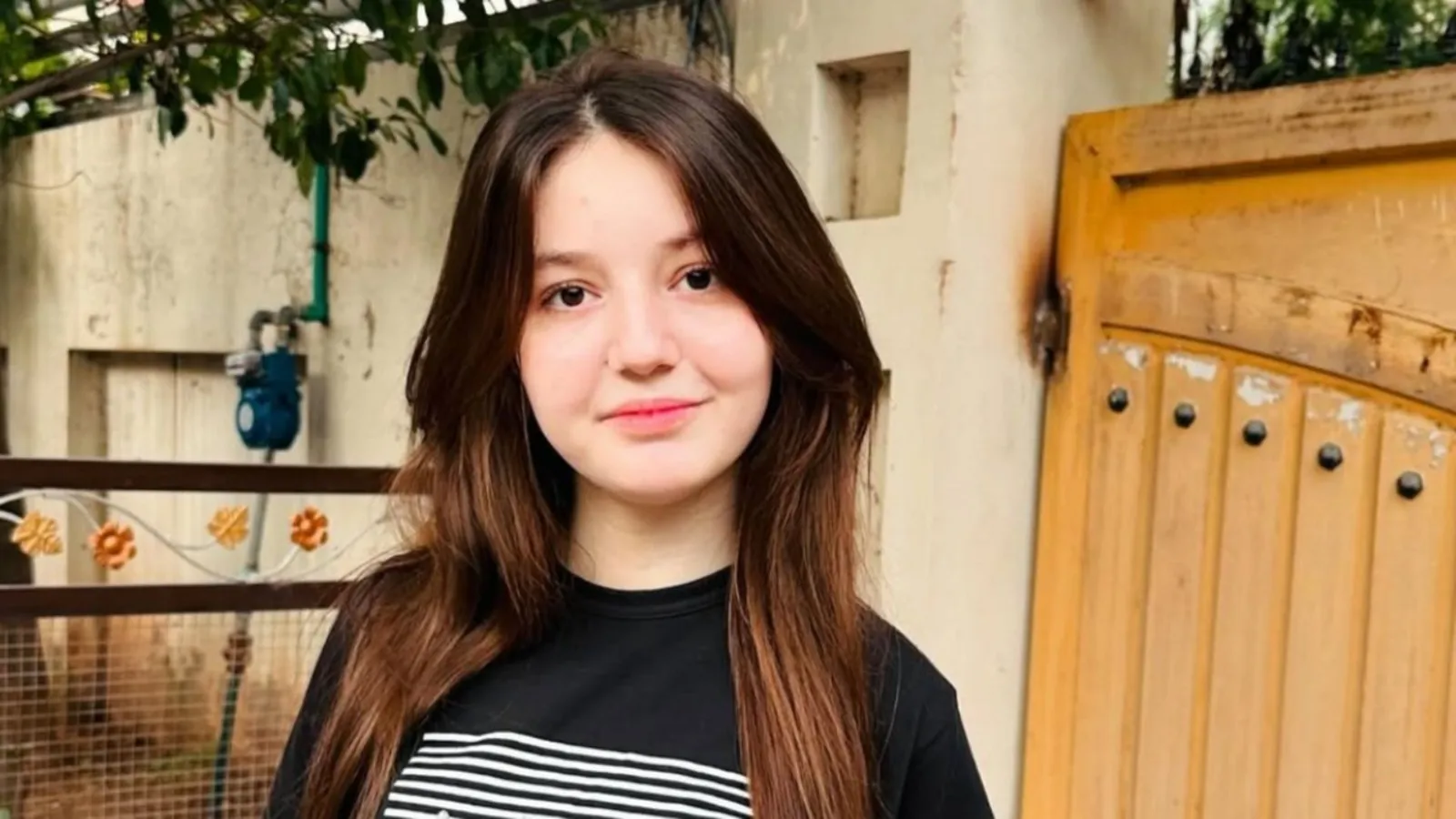
The tragic murder of 17-year-old Pakistani TikTok star Sana Yousaf has taken a sharp turn with the arrest of her cousin, Umar Hayat, who is now the prime suspect in the case. The incident, which occurred inside her home in Islamabad’s Sector G-13/1, shocked the nation and sparked a wave of grief and outrage across social media platforms.
Sana’s death, initially reported as the result of an attack by an unidentified gunman, is now under investigation as a potential honour killing—a brutal reflection of the dangers many young women face for expressing themselves publicly in conservative societies.
The Shocking Arrest and Identity of the Suspect
According to Islamabad Police, the prime suspect, 19-year-old Umar Hayat—also known by his nickname “Kaka”—was arrested less than 24 hours after the murder. He is a cousin of the victim and reportedly harboured an unhealthy obsession with Sana. Investigators have stated that Umar had been lingering around Sana’s home for several days prior to the incident, and his presence had raised concerns among her family.
On June 2, 2025, Umar is believed to have entered the house under the guise of a visit. During his encounter with Sana, he allegedly made advances that she rejected. Enraged, Umar pulled out a pistol and shot Sana twice at close range before fleeing the scene. She died on the spot, and her body was moved to the Pakistan Institute of Medical Sciences (PIMS) for autopsy. The firearm used in the attack was later recovered by the police, who also confirmed that the weapon belonged to the suspect.
She thought she was in safe hands.
— Shireen Zardari (@ZardariShireen) June 3, 2025
But in #Pakistan, even your own home becomes your grave.
Our girls don’t die of accidents anymore—they’re executed by a patriarchal mindset we refuse to challenge. @Soniakhan1pak @FearlessWolfess @msafi82 #JusticeForSanaYousaf #SanaYousaf pic.twitter.com/Ow53vVx9Wx
Authorities were quick to respond, launching a manhunt that included digital surveillance, analysis of CCTV footage, and cooperation with local residents. The rapid arrest of Umar Hayat was confirmed by multiple sources, and law enforcement now considers the crime to be premeditated, with possible elements of honour-related violence. The motive is still under review, but initial findings suggest jealousy, rejection, and control as potential drivers.
A Rising Star Silenced Too Soon
Sana Yousaf had become a popular name among Pakistan’s TikTok community, known for her creative videos, bold personality, and advocacy for women’s rights and cultural pride. Originally from the Upper Chitral region in Khyber Pakhtunkhwa, Sana had built a strong digital presence from Islamabad, where she lived with her family.
Read: Deaf TikTok Star Imogen Nunn Died After ‘Failure’ by Mental Health Services
Her TikTok content often celebrated her cultural identity while also pushing social boundaries—something that resonated with thousands of young followers but may have provoked resentment in conservative circles. Sana’s rise to fame represented the aspirations of many Pakistani girls who view social media as a platform for self-expression and empowerment. Her death is not just a personal tragedy; it’s a devastating blow to the spirit of youth culture in the country.

Friends and followers of Sana have expressed deep sorrow at her loss. Many remember her as a kind-hearted, talented individual who brought joy through her videos and stood firm in her beliefs. Some have noted that Sana had previously spoken about online harassment and unwanted attention, although she never named specific individuals. Her final TikTok videos, now being shared widely, are haunting reminders of a bright life cut short.
Public Reaction, Justice Demands, and Broader Implications
The news of Umar Hayat’s arrest has intensified calls for justice across Pakistan. Social media has been flooded with posts demanding a fair trial and swift punishment for the accused. Activists and influencers alike have urged the government to treat the case as a landmark in fighting gender-based violence and honour crimes.
Many are particularly outraged by the nature of the crime—that a close family member could commit such a heinous act over rejected advances. It highlights the dangerous intersection of misogyny, possessiveness, and familial control that underpins many so-called “honour killings” in Pakistan. Legal experts argue that such crimes are often shrouded in silence or resolved through out-of-court settlements, preventing true justice from being served.
Rights groups are also pushing for urgent reforms. They call for stricter laws to combat violence against women, stronger protections for social media influencers, and better public education to dismantle the toxic notions of honour that enable such crimes. Sana’s case has reignited debates around these issues, especially in the context of young women asserting independence through online platforms.

Furthermore, this incident mirrors another recent tragedy. Just months earlier, 15-year-old Hira, another teenage TikTok user, was allegedly killed by her father and uncle in Quetta over her social media activity. These two cases, both involving teenage girls targeted for their digital presence, indicate a disturbing trend and the urgent need for societal change.
In Sana’s case, legal proceedings have now begun, and police have indicated that the investigation is ongoing with all forensic and digital evidence being compiled. Prosecutors are expected to charge Umar Hayat with premeditated murder and illegal possession of firearms. With growing media attention and public pressure, many hope this case will not fade from memory as so many others have.
In the midst of national mourning, Sana’s family continues to reel from the trauma. They have appealed for privacy but have also called for accountability. “She was just a child chasing her dreams,” a relative told reporters. “We never imagined her own cousin would be her killer.”
The story of Sana Yousaf is a heartbreaking reminder of the perils that come with visibility and freedom in spaces where such expressions are still viewed as a threat. Her death must not be in vain. It should galvanize efforts to protect women, hold perpetrators accountable, and dismantle the oppressive mentalities that continue to claim innocent lives.
As Pakistan watches this case unfold, the world is also paying attention. The question now is whether the country’s justice system will rise to the occasion—or whether another young woman’s murder will become just another statistic.