
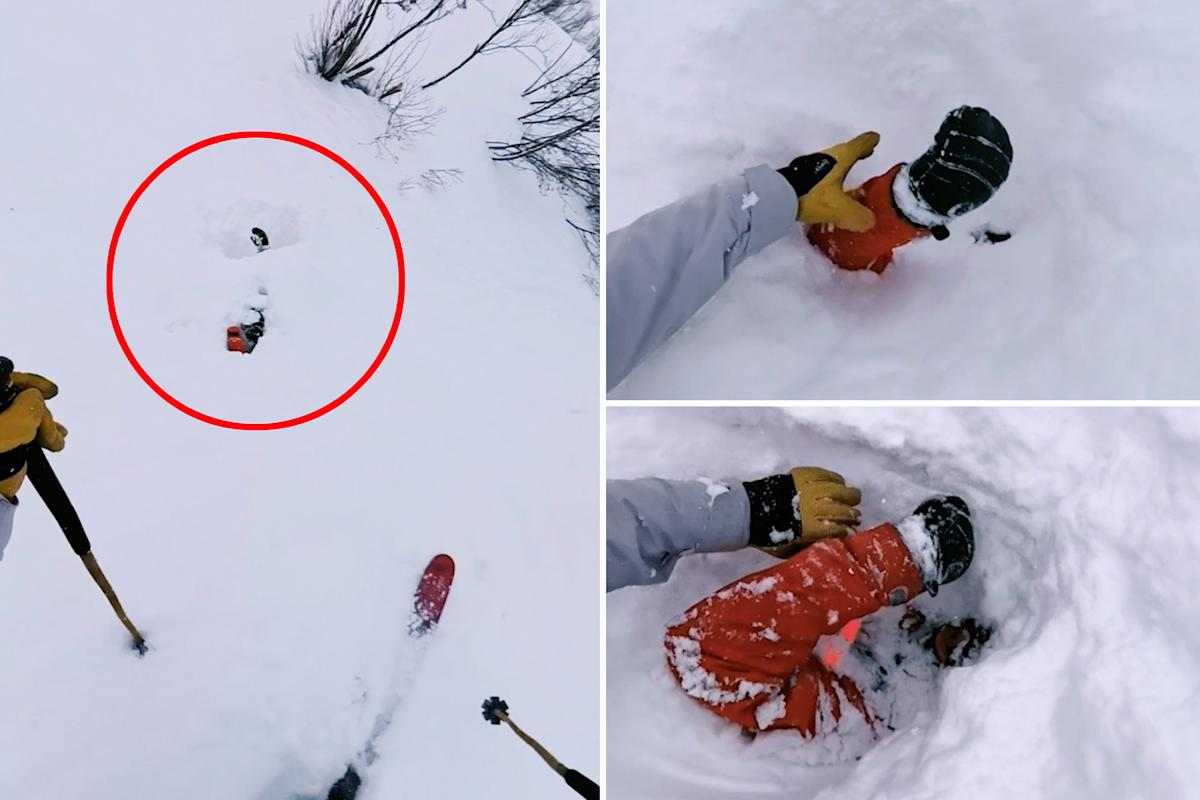
Two skiers from Massachusetts were rescued late Saturday after becoming trapped in waist-deep snow on Mount Moosilauke in New Hampshire during blizzard-like conditions. With high winds, low visibility, and only two percent battery life remaining on their cellphones, the men were unable to safely navigate back to the trail or continue their descent. The rescue effort required hours of coordinated work by search and rescue officials, who battled dense forest, deep snow, and harsh weather to reach the stranded skiers. Authorities later confirmed that both men were located alive and uninjured following a challenging overnight operation.
The incident unfolded on Mount Moosilauke, a 4,802-foot peak in the White Mountains known for its exposed terrain and rapidly changing weather conditions. While popular among hikers and skiers, the mountain can become especially dangerous during winter storms, when high winds can erase trail markers and drifting snow can quickly immobilize even experienced outdoor enthusiasts. In this case, a combination of weather, terrain, and limited equipment contributed to a situation that required urgent intervention by emergency responders.
Conditions That Led to the Skiers Becoming Stranded
The skiers were identified as Romain Tronchi, 30, and Gabriel Mahe, 32, both residents of Massachusetts. According to information provided by the New Hampshire Fish and Game Department and reported by NBC Boston, the two men encountered severe winter conditions while skiing on Mount Moosilauke in the town of Benton, located in northwestern New Hampshire.
Rescue officials stated that the men lost the trail due to high winds and near whiteout conditions. Strong gusts combined with falling and drifting snow reduced visibility and obscured trail markers, making navigation increasingly difficult. As the skiers continued, they encountered snow depths reaching their waists, which significantly slowed movement and increased physical exhaustion.
The situation worsened as the men realized they lacked the necessary equipment to continue safely. Officials noted that they did not have gear that would allow them to traverse the deep snow or shelter in place for an extended period. Compounding the danger, their cellphones were nearly out of power, with only two percent battery life remaining when they contacted authorities. This left little margin for communication, making timely rescue critical.
Read : Skier Dies After Falling From Chairlift at Red Lodge Mountain Resort
Mount Moosilauke is known for its exposed ridgeline, where weather conditions can deteriorate rapidly. Winter storms on the mountain often bring strong winds capable of disorienting travelers within minutes. Once off the established trail, the dense forest and uneven terrain can make self-rescue extremely difficult, particularly in deep snow.
Read : From Amazon Rainforest to Rio: Must-See Places in Brazil
Recognizing the seriousness of their predicament, the skiers contacted emergency services. The New Hampshire Fish and Game Department was notified Saturday afternoon, triggering a response from the Pemigewasset Valley Search and Rescue Team and other supporting personnel. Given the weather conditions and the fading communication window, officials treated the situation as time-sensitive.
Search and Rescue Effort on Mount Moosilauke
The rescue operation began with officials assessing how to reach the stranded skiers as quickly and safely as possible. Due to the mountain’s winter conditions, rescuers used snowmobiles to cover approximately four miles up the mountain. From that point, they transitioned to traveling on foot, hiking an additional mile and a half through deep snow and thick trees. According to the Pemigewasset Valley Search and Rescue Team, the terrain and weather significantly slowed progress.
Waist-deep snow required rescuers to expend considerable energy, while dense forest limited visibility and mobility. High winds and cold temperatures added further challenges, increasing the physical demands on those involved in the operation. Despite these obstacles, rescuers located Tronchi and Mahe at approximately 11 p.m., several hours after the initial call for assistance. By the time they were found, darkness had fully set in, and conditions remained harsh. Officials confirmed that both men were alive and in stable condition.
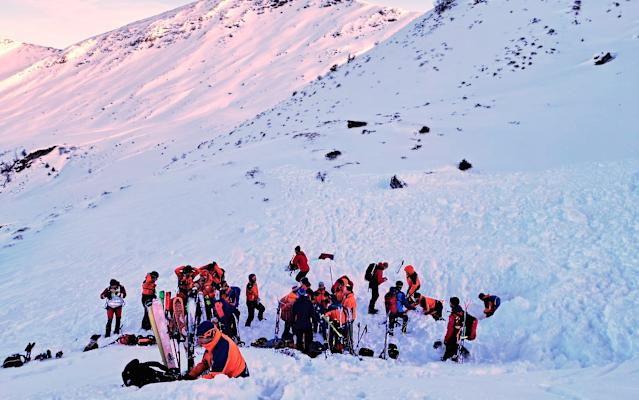
Once contact was made, rescuers worked to guide the skiers back to the trail. The process was slow, as moving through deep snow required careful coordination to prevent injury or further disorientation. After reaching the trail, the group began the return journey, hiking back toward the waiting snowmobiles. In a statement released after the operation, the Pemigewasset Valley Search and Rescue Team noted the difficulty of the mission. The team explained that conditions and terrain made for slow travel while escorting the lost skiers back to the trail.
Once there, rescuers and the skiers were able to hike out together to the snowmobiles. The group eventually returned safely to the trailhead by approximately 2 a.m., marking the successful conclusion of the rescue. Officials later confirmed that neither Tronchi nor Mahe suffered injuries during the ordeal, a result that underscored the effectiveness of the coordinated rescue response under challenging conditions.
Context and Recent Incidents in New Hampshire’s Winter Backcountry
The rescue on Mount Moosilauke comes amid ongoing concerns about winter safety in New Hampshire’s mountainous regions. The White Mountains attract thousands of outdoor enthusiasts each year, particularly during ski season, but the area is also known for unpredictable weather and difficult terrain.
Read : Female Skier Died After Collision with Male Skier at Les Arcs Ski Resort in France
Officials frequently emphasize that winter conditions in the region can change rapidly, even for those familiar with the mountains. High winds, sudden storms, and heavy snowfall can obscure trails and make navigation difficult within a short period of time. In such environments, a minor miscalculation can quickly escalate into an emergency situation.
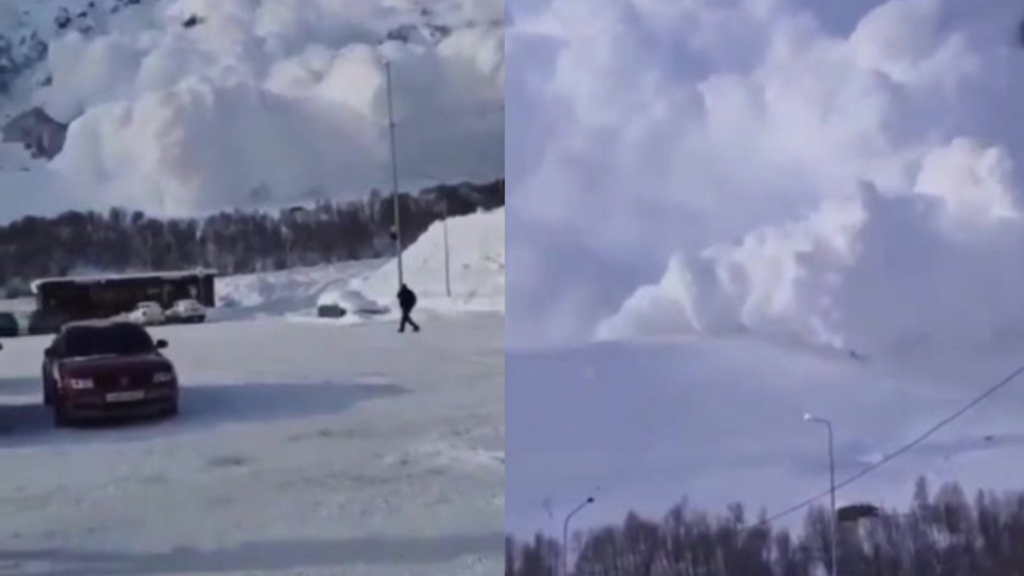
This incident follows another serious winter-related event in New Hampshire that occurred just months earlier. In April, authorities responded to a report of a skier who had gone off-trail at the Black Mountain Ski Area. Officials later found the man, identified as Eric Page, 39, unresponsive. Despite life-saving measures, he was pronounced dead. That case highlighted the potential consequences of venturing off established trails, particularly during periods of reduced visibility or challenging snow conditions.
While the Mount Moosilauke rescue had a positive outcome, officials note that such operations require significant resources and place rescuers at risk. Search and rescue teams often operate in the same hazardous conditions that stranded individuals face, including severe weather, darkness, and physically demanding terrain.
New Hampshire Fish and Game and local rescue organizations continue to respond to incidents throughout the winter season, ranging from lost hikers to injured skiers. The successful rescue of Tronchi and Mahe demonstrates the capability and preparedness of these teams, as well as the importance of timely communication when emergencies arise in remote areas.
Authorities confirmed that no enforcement action was taken against the skiers following the rescue. Their case serves as a recent example of how quickly conditions can deteriorate on New Hampshire’s mountains and how critical rapid response can be when outdoor plans are disrupted by severe weather. The Mount Moosilauke incident concluded without injuries, but it remains one of several winter rescues that underscore the challenges faced by both outdoor enthusiasts and emergency responders during the region’s harsh winter months.