

A disturbing trend has emerged within UK schools, with teachers warning of an alarming rise in misbehaviour, particularly among boys, which they believe is being heavily influenced by social media.
According to a recent survey conducted by the National Association of Schoolmasters Union of Women Teachers (NASUWT), social media platforms have emerged as the primary cause of disruptive behaviour and harmful attitudes among students.
Teachers point to figures like Andrew Tate and Donald Trump as influential figures whose online personas have contributed to a culture of misogyny, racism, and other toxic behaviours in classrooms.
This blog will explore the findings of the NASUWT survey and discuss the broader implications of this growing issue. We will also look at the responses from educational bodies, the impact on teaching, and the role of parents in addressing these concerns.
The Rise of Toxic Influences
The NASUWT survey reveals that social media has become the number one cause of misbehaviour in schools, with a particularly concerning trend of students mimicking negative behaviours exhibited by online influencers.
Teachers are reporting that students, especially boys, are increasingly adopting the attitudes and language of controversial figures such as Andrew Tate and Donald Trump.
These individuals are notorious for their misogynistic, homophobic, transphobic, and racist remarks, and the survey findings suggest that this kind of rhetoric is seeping into the classroom, affecting both boys and girls.
One teacher shared their experience of having boys, as young as 10, refuse to speak to female teachers because of their admiration for Andrew Tate, whose online presence is known for promoting toxic masculinity and treating women with disrespect.
The boys, having internalized these views, began to emulate Tate’s misogynistic beliefs. The teacher noted that these behaviours were not isolated incidents, but part of a growing pattern.
Read : Is Instagram Responsible for Anxiety, Depression, and Body Image Worries in Young People?
Furthermore, instances of boys barking at female teachers, blocking doorways, and other forms of disrespectful behaviour have been reported as being directly linked to students watching Andrew Tate’s videos.
These acts of aggression are a clear sign of how online influencers, who often push harmful ideologies, are having a detrimental impact on young minds. Teachers are left struggling to manage classrooms where students not only challenge their authority but do so by echoing harmful stereotypes and offensive rhetoric.
The Impact of Social Media and Online Gaming
The role of social media in shaping student behaviour cannot be underestimated. With platforms like TikTok, YouTube, and Instagram being an integral part of daily life for many young people, they are exposed to a constant stream of content, some of which is highly detrimental.
For many students, online gaming has become another avenue for consuming harmful content. Video games, especially those with multiplayer features, often serve as platforms for reinforcing toxic masculinity and fostering discriminatory views.
Research has shown that the types of content students are exposed to on social media and in online gaming environments can have a profound impact on their perceptions and actions in the real world.
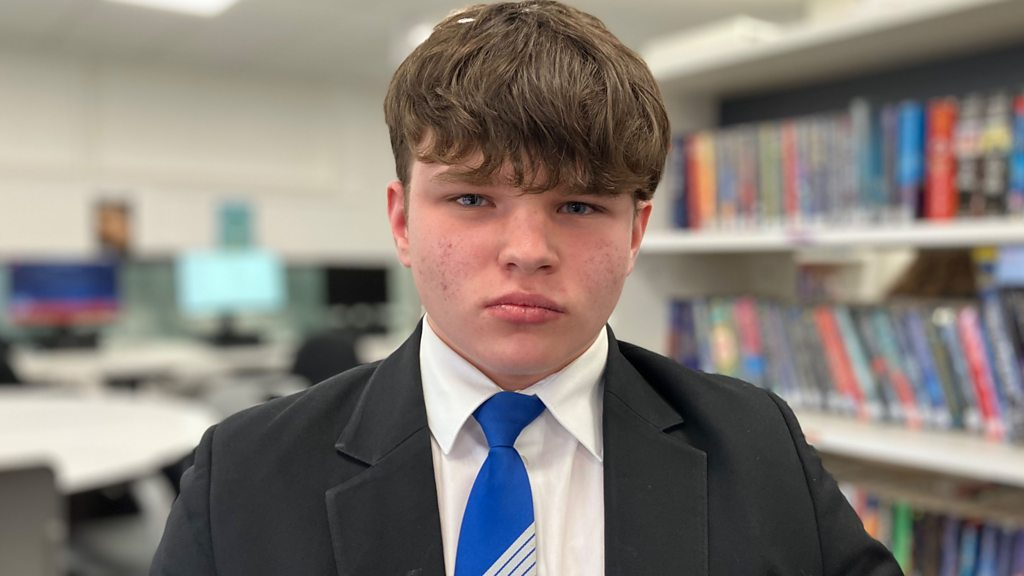
When students see influencers like Tate or Trump expressing views that marginalize certain groups of people, they are more likely to adopt these views, as they see them as acceptable or even desirable. This creates an environment where racism, sexism, and other forms of prejudice are not only tolerated but actively promoted.
The rise of these toxic behaviours is a direct consequence of how social media platforms operate. Algorithms designed to maximize user engagement often prioritize sensational, extreme content. These platforms amplify controversial figures and ideas because they generate strong reactions, keeping users hooked.
For young people, who may not have the maturity or critical thinking skills to differentiate between harmful rhetoric and constructive discourse, this can lead to the normalization of negative behaviours.
In many cases, students see their online role models behaving in ways that contradict the values they are taught in school. This clash between online influences and school rules can lead to confusion and frustration among students, who may feel empowered to challenge authority figures. The consequence is a classroom dynamic where respect for teachers and fellow students deteriorates, creating a toxic and disruptive learning environment.
A Call to Action for Educators and Parents
In response to the rising tide of misbehaviour, the NASUWT is urging for more action to be taken to address the impact of social media on students. The union has warned that restricting access to mobile phones during the school day is not enough to curb the influence of harmful content. While limiting phone use may reduce some distractions, it does not tackle the root cause of the problem – the content itself.
One of the key recommendations from the NASUWT is for schools to implement comprehensive strategies to build students’ resilience to extremism and harmful influences. This includes teaching students how to navigate the online world responsibly and critically, emphasizing the importance of respect for others, and challenging harmful stereotypes.
Schools must equip students with the tools to critically evaluate the content they consume and understand the consequences of adopting negative behaviours.
Teachers also stress the importance of engaging with parents to tackle these issues. Many educators have reported that parents are often hostile or unwilling to accept responsibility for their children’s behaviour.
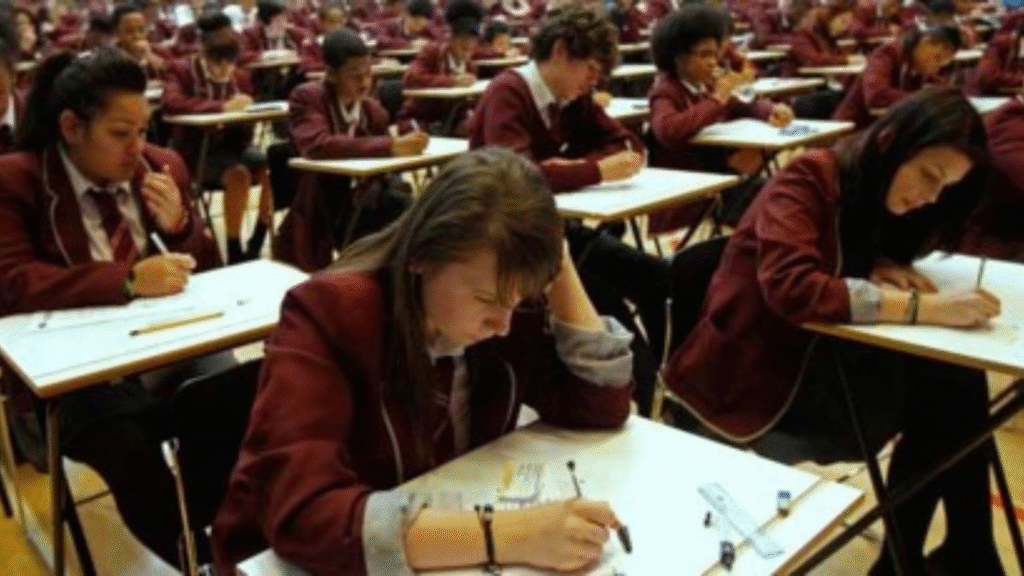
Some parents refuse to acknowledge the impact of social media on their children, while others are resistant to the idea of stricter disciplinary measures in schools. Teachers believe that there needs to be a stronger partnership between schools and parents to address this crisis effectively.
Lindsay Hanger, a delegate at the NASUWT conference, noted that behaviour in schools is increasingly being tolerated because of a fear of impacting attendance targets or the desire to avoid suspensions or exclusions.
This reluctance to enforce consequences for disruptive behaviour further exacerbates the problem, allowing toxic attitudes to fester unchecked. Hanger called for a more robust strategy to ensure that all parents uphold behaviour standards, including consequences for students who refuse to comply with school rules.
The government has taken some steps to address the issue, with the Department for Education acknowledging the role of dangerous influencers in shaping the attitudes of young people.
They have committed to providing resources to help teachers navigate these challenges and are reviewing the curriculum to better equip students to thrive in the digital age. However, critics argue that these efforts are insufficient and that more decisive action is needed to combat the spread of harmful ideologies online.
A National Emergency
The survey conducted by the NASUWT paints a troubling picture of the current state of behaviour in UK schools, with social media playing a central role in fueling misogyny, racism, and other toxic behaviours.
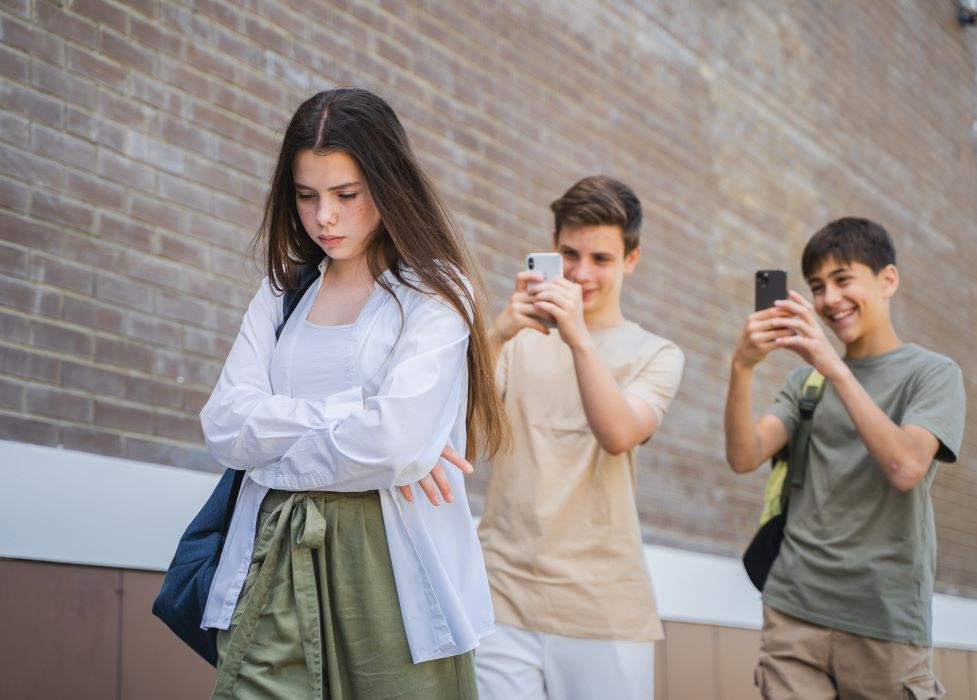
Teachers are on the front lines, struggling to manage classrooms where students increasingly mimic the harmful actions and beliefs of online influencers. While some steps have been taken to address the issue, it is clear that more needs to be done to protect students from the negative impact of social media and online gaming.
Addressing this issue will require a multifaceted approach, including better education on digital literacy, more support for teachers, and stronger collaboration between schools and parents. The government must take a more active role in regulating social media platforms and ensuring that students are protected from harmful content.
The rise of influencers like Andrew Tate and Donald Trump is not just a problem for the classroom – it is a societal issue that demands urgent attention.
As Patrick Roach, general secretary of NASUWT, stated, this has become a “national emergency.” Without immediate and effective action, the future of young people in the UK could be shaped by the very same toxic behaviours that are already infiltrating schools today.