
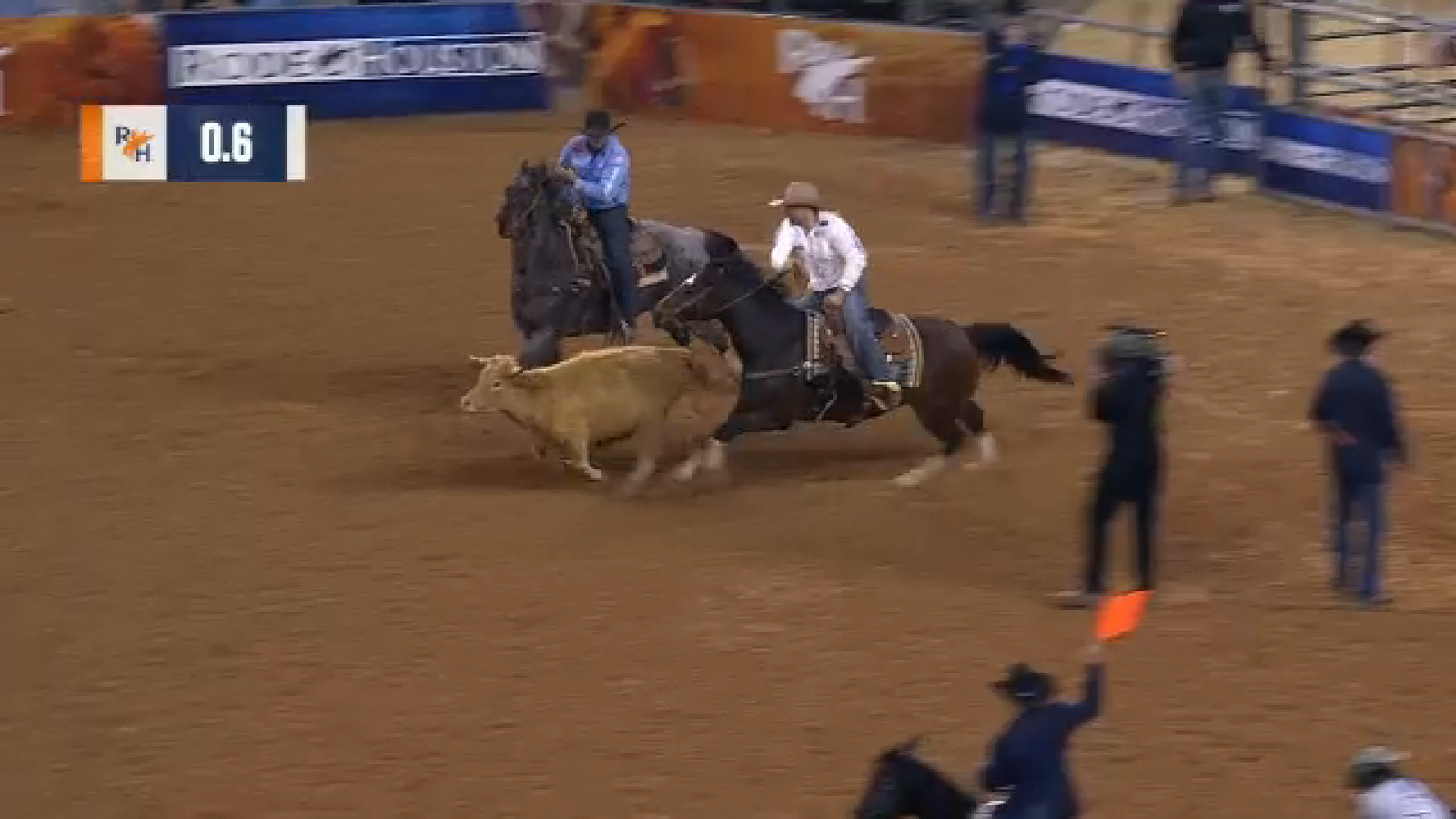
An incident during a steer wrestling event at the Houston rodeo earlier this week resulted in the euthanasia of a steer after it sustained a serious injury in the arena. Officials confirmed that the animal was examined immediately by an on-site veterinarian, who determined that euthanasia was the most humane course of action following an assessment of the injury. The decision was made on the same day the incident occurred, reflecting the event’s established procedures for handling animal injuries during competitions.
Steer wrestling is one of several livestock-based competitions that take place during large rodeo events and involves a contestant jumping from horseback to wrestle a running steer to the ground. The activity requires speed, timing, and coordination between rider and horse, but it also carries inherent risks for both the athletes and the animals involved. Rodeo organizers maintain that strict veterinary oversight and monitoring are in place to respond quickly if injuries occur.
The Houston rodeo, one of the largest livestock and rodeo events in the United States, hosts a wide range of competitions featuring cattle and other animals throughout its schedule. According to organizers, licensed veterinary professionals remain present throughout the event to evaluate animal health and provide treatment whenever necessary. In addition, animal welfare observers monitor livestock conditions daily to ensure that safety standards are upheld.
Details of the Injury During the Steer Wrestling Event
The steer was injured during a steer wrestling competition held on Wednesday, March 11. Officials reported that the animal was promptly examined by the rodeo’s on-site veterinarian after the injury occurred. Veterinary staff are stationed near the arena during competitions precisely so they can respond immediately if an animal appears to be injured or distressed during an event.
After evaluating the condition of the steer, the veterinarian concluded that the injury was severe enough that recovery would not be possible. In such circumstances, euthanasia is considered the most humane decision to prevent prolonged suffering. Organizers stated that the veterinarian conducted a careful assessment before determining that euthanasia was necessary.
Event officials did not release details describing the exact nature of the injury or the sequence of events that led to it. As with many rodeo competitions, steer wrestling takes place rapidly and involves physical contact between the competitor and the animal. Because of the speed and force involved in the sport, injuries, although uncommon, can sometimes occur despite precautions.
The steer wrestling event is designed to demonstrate the skill of rodeo athletes who must dismount their horses at high speed and bring the steer to the ground in a controlled maneuver. While the objective is to perform the task as quickly as possible, contestants are also expected to handle the animals according to competition rules intended to minimize harm.
Read : Reasons Why 20% of Diabetic Cats and Dogs Are Euthanised Within a Year
Rodeo officials noted that injuries involving livestock are rare but acknowledged that any event involving animals and athletic performance carries some level of risk. The presence of veterinary staff during competitions allows for immediate intervention when a problem arises.
Animal Welfare Oversight at the Rodeo
Organizers emphasized that animal welfare is a central focus throughout the duration of the rodeo. According to the official statement released following the incident, licensed veterinarians remain on-site during events to monitor livestock health and provide immediate care whenever needed. This continuous presence allows trained professionals to evaluate animals quickly if an injury occurs during a competition.
Read : Australian Villagers Kill and Eat Giant Crocodile Which Hunted Their Pets
In addition to veterinary staff, the Houston SPCA monitors livestock welfare at the rodeo each day. Their role involves observing how animals are handled, checking living conditions in holding areas, and ensuring that competition procedures comply with established welfare guidelines. These measures are designed to provide additional oversight beyond the veterinary teams employed by the rodeo.
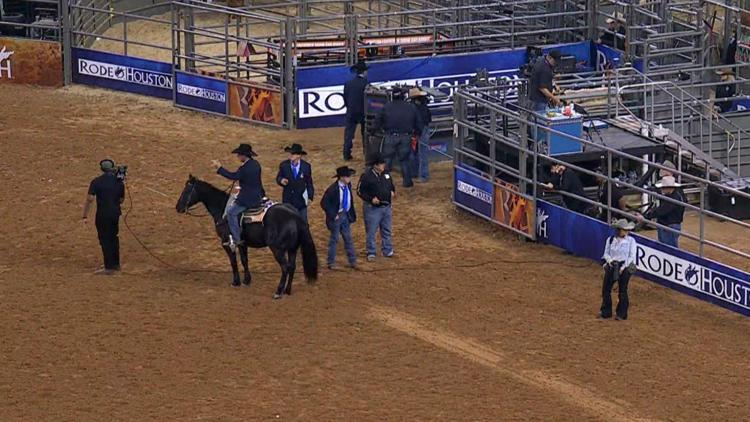
Large rodeo events often involve thousands of animals over the course of several weeks. Steers, bulls, calves, horses, and other livestock are transported to the venue and housed in dedicated facilities where they receive food, water, and veterinary care. Organizers say these animals are closely monitored throughout the event to maintain their health and readiness for competition.
The presence of multiple layers of oversight reflects the importance placed on livestock safety in modern rodeo events. Veterinary professionals evaluate animals before competitions, remain nearby during events, and conduct follow-up checks afterward if needed. If any animal appears injured or ill, it can be removed from competition immediately for further examination.
Event organizers stated that their procedures aim to ensure that any animal requiring medical attention receives prompt treatment. In cases where injuries are severe and recovery is unlikely, euthanasia may be recommended to prevent suffering. Officials indicated that the decision regarding the steer involved in the recent incident was made under these established veterinary guidelines.
Rodeo’s Response and Commitment to Animal Care
Following the incident, rodeo officials released a public statement emphasizing their commitment to responsible animal care and safety. The statement noted that the well-being of both animals and guests remains a priority throughout the event. Organizers reiterated that trained veterinary professionals are present at all times to address health concerns and injuries involving livestock.
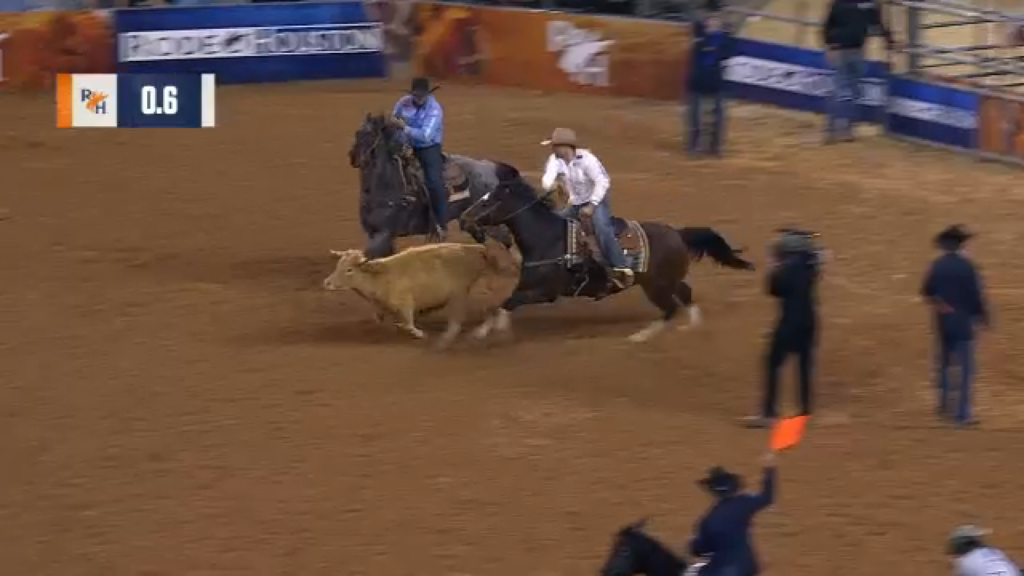
The rodeo described the decision to euthanize the injured steer as one made after careful professional evaluation. According to officials, the veterinarian determined that the severity of the injury made euthanasia the most humane option. Such decisions are typically made only after medical professionals assess the animal’s condition and conclude that recovery is unlikely.
Event organizers also highlighted the role of daily monitoring by the Houston SPCA. Their presence provides an independent layer of oversight aimed at ensuring that livestock are treated according to welfare standards. The collaboration between veterinary teams and welfare monitors is intended to maintain accountability and transparency in how animals are handled during competitions.
Officials acknowledged that rodeo competitions involve athletic activities where animals play an active role, which means injuries can occasionally occur despite safety measures. However, they emphasized that protocols are in place to respond quickly when incidents happen. Immediate veterinary evaluation and professional medical judgment guide decisions regarding treatment or euthanasia.
The Houston rodeo remains one of the largest gatherings celebrating livestock, agriculture, and western sports. Events such as steer wrestling, bull riding, and calf roping continue to draw competitors and spectators from across the country. Organizers say that maintaining animal welfare standards remains a key part of operating an event of this scale while ensuring that any animal requiring medical care receives prompt attention from trained professionals.