
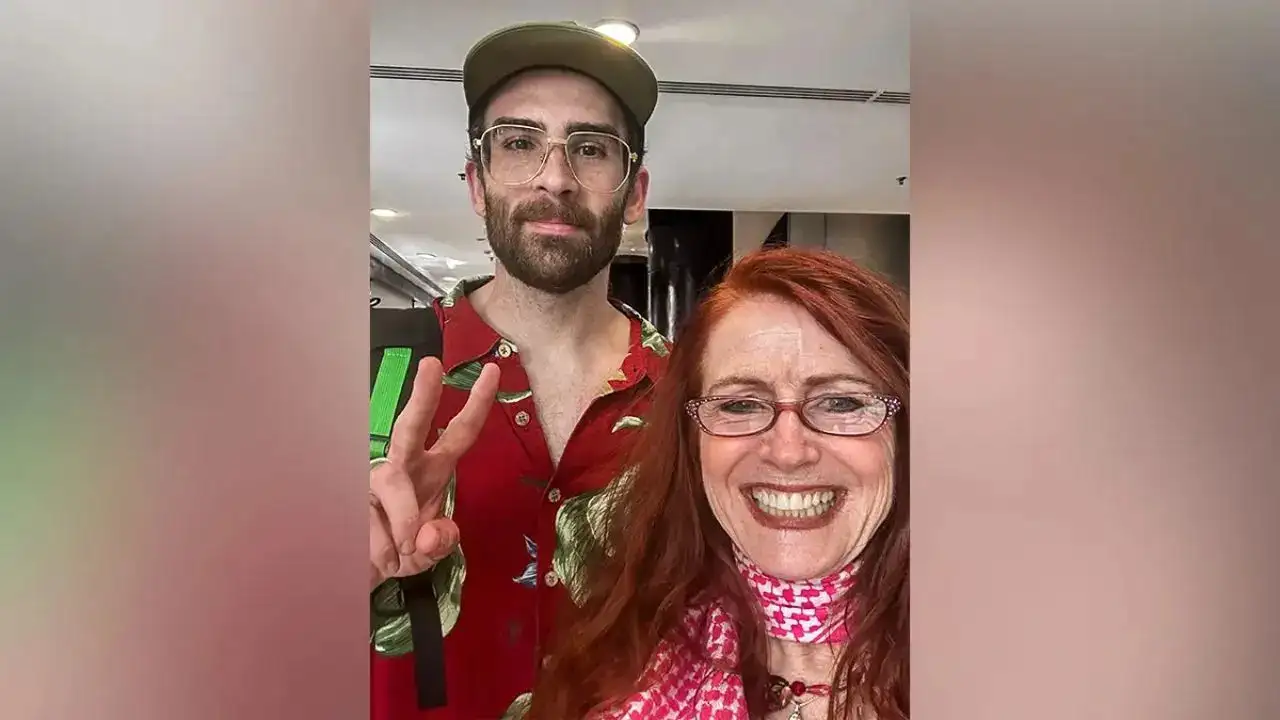
Federal investigators in the United States have issued subpoenas to political streamer Hasan Piker and anti-war activist Medea Benjamin as part of an expanding inquiry into alleged violations of American sanctions related to Cuba. The investigation, reportedly led by the Office of Foreign Assets Control (OFAC) within the US Treasury Department, centers on a March trip to Cuba involving activists, influencers and political organizations that participated in the “Nuestra América Convoy.” Authorities are examining whether the trip crossed legal boundaries established under long-standing US restrictions on dealings with the Cuban government and state-linked entities.
The development has drawn attention not only because of the high-profile figures involved, but also because it reflects a broader shift in how federal agencies are approaching political activism, foreign influence concerns and online personalities with large audiences. Hasan Piker, one of the most recognizable left-wing political commentators on Twitch and social media, has built a massive following through livestream discussions focused on US foreign policy, capitalism, labor issues and global conflicts. Medea Benjamin, meanwhile, has spent decades organizing anti-war campaigns through activist group CodePink and has frequently criticized American sanctions policies.
The subpoenas reportedly seek records related to travel arrangements, financial transactions and communications connected to the Cuba visit. Investigators are also said to be reviewing whether individuals involved in the convoy coordinated with Cuban government-linked organizations or used services prohibited under American sanctions law. While no criminal charges have been announced, the inquiry has already intensified debate around free speech, activism and the limits of political engagement with countries sanctioned by the United States.
Treasury Investigation Focuses on Cuba Sanctions and Activist Networks
The inquiry revolves around a March delegation trip organized under the banner of the “Nuestra América Convoy,” translated as “Our America Convoy.” According to reports, the group traveled to Cuba carrying supplies while also participating in meetings and events involving organizations sympathetic to the Cuban government. Federal authorities are now examining whether aspects of the trip violated the Cuban Assets Control Regulations, which govern many forms of interaction between US persons and Cuba.
Under US law, American citizens face significant restrictions when conducting financial or commercial activities tied to Cuban government entities. Although exceptions exist for journalism, educational exchanges and humanitarian projects, federal regulators closely monitor activities that may involve transactions benefiting state-controlled businesses. One of the reported areas of scrutiny involves whether members of the delegation stayed at hotels or properties included on the US State Department’s “Cuba Restricted List,” which identifies businesses linked to Cuba’s military or government apparatus.
The subpoenas issued by OFAC reportedly request detailed records related to travel expenses, communications and organizational coordination. Officials from the Treasury Department, Justice Department and State Department are said to be participating in the broader inquiry. Investigators are reportedly attempting to determine whether activists or affiliated organizations provided prohibited goods or services or coordinated with sanctioned Cuban entities in ways that could violate federal regulations.
The case has also placed attention on broader networks of political activism associated with foreign policy advocacy. Reports indicate that investigators are examining connections involving businessman Neville Singham, who has faced criticism from opponents alleging that he funds organizations promoting pro-China and pro-Cuba narratives. According to reports, groups connected to Singham were allegedly involved in activities surrounding the convoy alongside activist organizations including the Democratic Socialists of America.
Supporters of the activists argue that the investigation risks criminalizing political dissent and humanitarian engagement. Critics of US sanctions against Cuba have long maintained that the restrictions harm ordinary Cuban citizens more than government officials. Activist groups often organize solidarity trips, educational tours and supply deliveries to challenge the embargo and demonstrate opposition to American foreign policy toward Cuba.
Read : New Zealand Removes Burp Tax on Livestock After Backlash from Farmers
At the same time, federal authorities have increasingly emphasized concerns about foreign influence operations and coordination between US-based activists and governments considered adversarial to Washington. Officials across multiple administrations have warned about attempts by foreign governments to shape American political discourse through advocacy groups, online campaigns and partnerships with sympathetic organizations abroad. The investigation involving Hasan Piker and Medea Benjamin appears to fall within this broader national security and sanctions enforcement strategy.
Hasan Piker’s Role and Online Political Influence Draw Increased Attention
Hasan Piker’s involvement has amplified public interest in the investigation due to his enormous online reach and controversial public profile. Over the past several years, Piker has become one of the most influential political streamers in the United States, attracting millions of followers across Twitch, YouTube and other social media platforms. His livestreams regularly discuss international conflicts, labor movements, electoral politics and criticism of American foreign policy.
Piker openly documented portions of his Cuba trip on social media. In March, he posted on Instagram announcing, “I’M GOING TO CUBA,” and later shared images from Havana alongside activist figures including Jodie Evans. Those posts quickly circulated online, drawing both support from followers and criticism from political opponents who accused him of promoting authoritarian governments.
During a recent livestream, Piker reportedly criticized a US indictment involving former Cuban leader Raúl Castro, describing the case as a “sham” with “no legal standing.” He also criticized President Donald Trump, accusing him of behaving like a “playground bully.” Those remarks further fueled political debate surrounding the investigation and its broader implications.
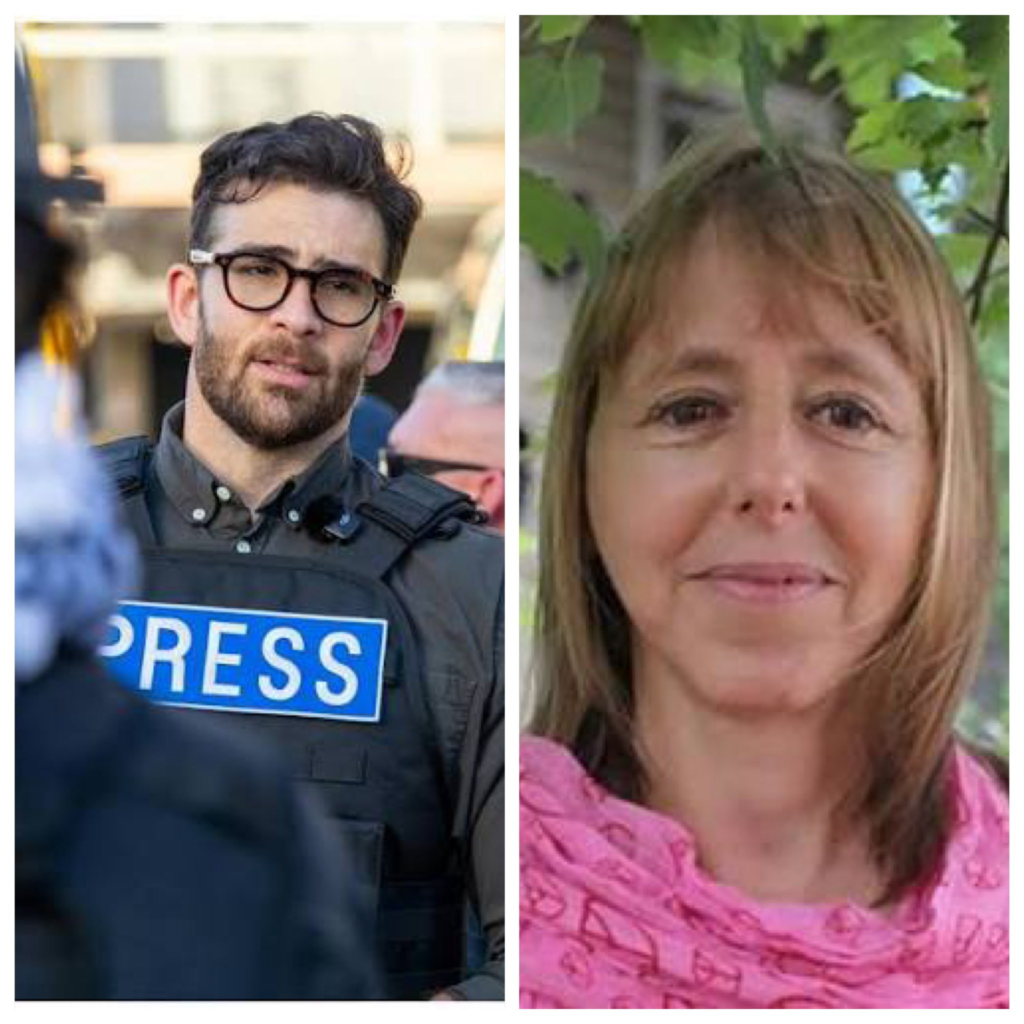
Piker has frequently been at the center of controversy because of provocative statements made during his broadcasts. Critics have pointed to past comments regarding the 11 September attacks, US military policy and Middle East conflicts as evidence that his rhetoric crosses political lines. Supporters, however, argue that he represents a younger generation of political commentators willing to challenge mainstream narratives and criticize American interventions abroad.
The subpoena investigation places a spotlight on how internet personalities increasingly influence political discourse in ways traditionally associated with journalists, activists or public intellectuals. Streamers like Piker operate outside conventional media structures yet command audiences that rival major cable news programs. Their trips, statements and political affiliations can therefore attract significant attention from both supporters and government authorities.
Legal experts note that administrative subpoenas issued by OFAC do not necessarily indicate criminal wrongdoing. Such subpoenas are commonly used to gather information during sanctions investigations and may ultimately result in civil penalties, warnings or no action at all. However, because sanctions laws are highly technical and broad in scope, individuals involved in international activism can face legal risks even when claiming humanitarian or educational purposes.
The investigation also highlights growing political tensions surrounding Cuba policy in the United States. The country has remained under varying forms of US sanctions for decades, with policies often shifting between administrations. While some political groups advocate engagement and normalization with Cuba, others support strict enforcement measures aimed at isolating the communist government. Activist trips to Cuba have therefore long existed within a politically charged environment.
Medea Benjamin, CodePink and the Expanding Scrutiny of Activist Organizations
Medea Benjamin’s reported subpoena adds another major dimension to the investigation because of her long history in anti-war activism and criticism of US foreign policy. As co-founder of CodePink, Benjamin has spent years organizing protests against military interventions, sanctions and arms sales. The organization has become known for disruptive demonstrations at congressional hearings, international summits and political events.
Critics of CodePink have frequently accused the group of defending or downplaying abuses committed by authoritarian governments opposed to the United States. Supporters counter that the organization’s mission is focused on opposing war, sanctions and military escalation regardless of geopolitical alliances. The Cuba investigation now places CodePink under renewed scrutiny as federal agencies examine possible coordination with Cuban state-linked organizations.
Reports indicate that Benjamin traveled to Havana alongside fellow activist Tighe Barry as part of the March delegation. Authorities are reportedly seeking information about communications, travel arrangements and activities conducted during the visit. Additional subpoenas could reportedly be issued as investigators continue examining participants connected to the convoy.
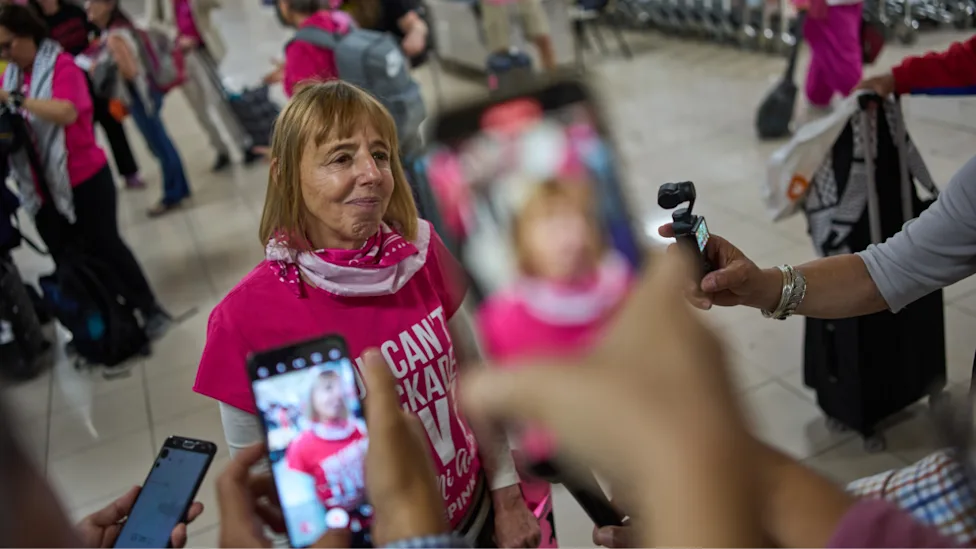
The broader political climate surrounding the investigation is also significant. The Trump administration has increasingly emphasized aggressive enforcement against what it describes as foreign influence operations and extremist political activity linked to adversarial governments. Federal agencies have expanded efforts to investigate organizations accused of coordinating with foreign states, particularly those connected to China, Cuba, Iran and Russia.
Supporters of the investigation argue that sanctions laws exist for national security reasons and must apply equally to activists, influencers and political organizations. They contend that unauthorized coordination with sanctioned governments undermines US foreign policy and potentially provides economic benefits to authoritarian regimes. Critics, however, warn that aggressive investigations into activists risk chilling political expression and humanitarian advocacy.
Civil liberties advocates have also expressed concern about the broad reach of sanctions regulations and the possibility that activists may face legal pressure for engaging in protected political speech. Because the Cuba embargo includes numerous exemptions and technical provisions, disputes often emerge over what activities qualify as educational, journalistic or humanitarian. The outcome of the investigation could therefore shape how future activist delegations and political influencers approach travel to sanctioned countries.
The case involving Hasan Piker and Medea Benjamin illustrates the increasingly blurred boundaries between activism, digital media influence and geopolitical enforcement. Online personalities now possess the ability to shape political narratives for millions of viewers, while activist organizations continue challenging American foreign policy through direct international engagement. Federal authorities, meanwhile, are responding with heightened scrutiny of activities that intersect with sanctioned governments and foreign political networks.
Whether the subpoenas ultimately lead to penalties, expanded investigations or no formal enforcement action, the controversy has already ignited a broader debate over sanctions, activism and political speech in the digital era. As investigators continue reviewing records tied to the Cuba trip, attention is likely to remain fixed on how far the US government is willing to go in policing interactions between American activists and foreign governments viewed as hostile to Washington.
1xbet зеркало, 1xbet предоставляет возможность игрокам получить
доступ к букмекерским услугам в любое время.
Here is my web site :: https://1xbet-kad1e.cyou
Oh my goodness! Awesome article dude! Many thanks, However I am experiencing
problems with your RSS. I don’t know why I cannot join it.
Is there anybody else getting identical RSS problems?
Anybody who knows the solution can you kindly respond?
Thanks!!
1xbet зеркало, 1xbet предоставляет возможность игрокам обходить блокировки, оставаясь
в игре.
Here is my web page – https://1xbet-mib45.icu
1xbet зеркало, 1xbet – это отличный способ получить доступ к ставкам в любое время.
Also visit my web blog :: https://1xbet-mbe0t.cfd/
Hi, i fewl that i noticeed yoou visited myy weblog thu i came tto returrn thee favor?.I amm
trying too too fnd iesues too enhane myy site!I assumee
itts ok to usse a feww off yourr ideas!!
rise your working day with sharp centre. append a few drop of best cbd gummies to your coffee tree to go through CBD for nidus spell smoothing taboo caffein jitters. This CBD coffee tree combination give up polish get-up-and-go that celebrate you fat. release from additive, our organic CBD fossil oil and CBD bead provide clean house affirm for meddling pro. electric switch to natural CBD push, research our CBD storehouse, grease one’s palms tawdry CBD without compromising calibre, and take off every first light notion balanced and focused with CBD!