
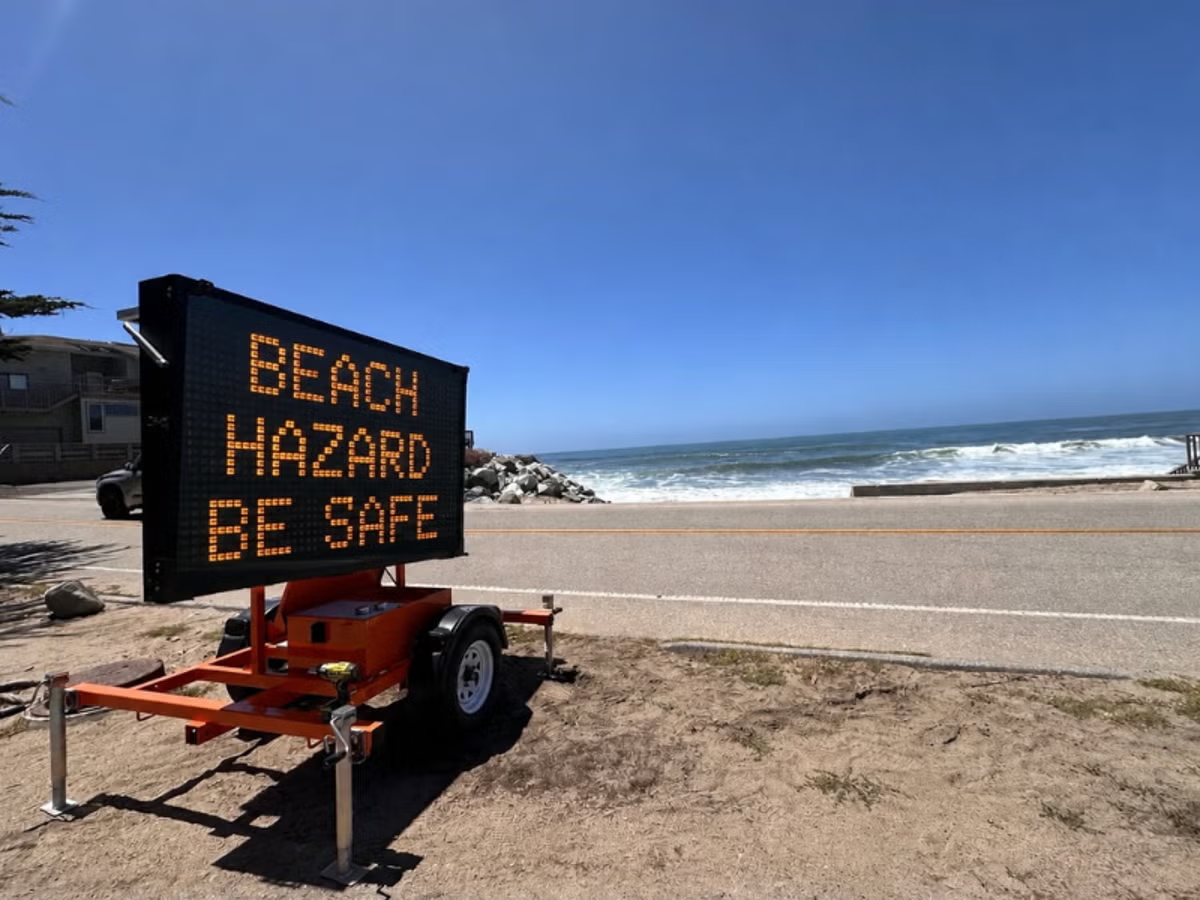
The rugged coastline of Santa Cruz County, California, is known for its dramatic cliffs, powerful waves, and breathtaking ocean views. Every year, thousands of visitors are drawn to its beaches to enjoy the natural beauty of the Pacific shoreline. However, beneath the scenic landscape lies a constant danger that can change lives in an instant. That danger became tragically clear when two young women were swept into the ocean by rapidly rising surf while near the shoreline. The incident left one woman dead and another fighting for her life, highlighting the unpredictable nature of California’s coast and the devastating consequences that can occur when ocean conditions suddenly change.
The tragedy unfolded near Yellow Bank Beach, an area along the Santa Cruz County coast known for its steep terrain and powerful waves. Authorities believe the women, both thought to be in their twenties, were sleeping near the beach when rising tides and rough surf caught them off guard. Within moments, the ocean pulled them into dangerous waters, triggering a large-scale rescue effort involving emergency personnel, rescue swimmers, and a helicopter crew. Despite the rapid response from rescuers, one of the women later died, while the second remained in critical condition.
The incident has renewed concerns about coastal safety as California experiences periods of elevated surf and dangerous rip currents. It also serves as a reminder that even people who are not actively swimming can be placed at risk when powerful ocean conditions combine with high tides and unpredictable waves.
A Sudden Emergency Along the Coast
According to officials from the Santa Cruz County Sheriff’s Office and Santa Cruz County Fire Department, the emergency occurred on Wednesday near Yellow Bank Beach. Authorities believe the two women may have been sleeping close to the shoreline when a rapidly rising tide reached their location. As the water advanced, powerful waves are believed to have swept both women into the Pacific Ocean before they had an opportunity to escape.
The situation quickly escalated into a major rescue operation. Eight rescue swimmers were deployed to search for and recover the victims from the turbulent waters. The difficult conditions made the mission particularly challenging, as rough surf and strong currents created hazards for both the victims and the rescuers attempting to reach them. First responders described how rescue teams located the first victim and transported her to Panther Beach, where emergency medical personnel immediately began resuscitation efforts.
The second victim was found farther down the shoreline and brought to Yellow Bank Beach. Due to the challenging terrain and the seriousness of her condition, a Cal Fire helicopter was called in to perform a hoist rescue. The helicopter crew successfully lifted the woman from the beach while lifesaving efforts continued. The rescue demonstrated the extensive coordination required during coastal emergencies. Ground crews, rescue swimmers, medical personnel, and aviation teams all worked together under difficult circumstances in an attempt to save both women.
Read : Ambanis’ Grand Cruise Celebration Angers Local Italians
Despite those efforts, one of the victims later died after being transported to a hospital. The second woman remained in critical condition, underscoring the severity of the incident and the dangers posed by the ocean during periods of rough surf. Officials have not publicly released many details about the victims, but investigators continue to examine the circumstances that led to the tragedy. Early findings suggest that the rapidly changing ocean conditions played a central role in the accident.
Dangerous Surf Conditions Across California
The Santa Cruz incident occurred during a period of heightened ocean activity along California’s coastline. Large swells generated powerful waves across many beaches, creating hazardous conditions that prompted warnings from weather officials and lifeguards. While the tragedy in Santa Cruz unfolded in Northern California, coastal communities throughout the state were dealing with the same powerful ocean system. In Southern California, the famous surf break known as the Wedge in Newport Beach experienced historic wave activity, with waves reportedly reaching heights of around 20 feet.
Read : 3-Year-Old Ava Ciampini Dies After Bouncy Castle Swept Up by Wind at Party
The unusually large surf attracted attention from surfers and spectators but also created dangerous conditions that led to more than 100 lifeguard rescues during the week. Even after wave heights began to decrease, authorities continued to warn the public about ongoing hazards. The National Weather Service maintained beach hazard advisories due to dangerous rip currents and elevated surf conditions. Officials cautioned that waves between three and six feet would continue to create risks for beachgoers, particularly near rocks, jetties, and steep shorelines.

Rip currents remain among the most dangerous ocean hazards because they can pull individuals away from shore with surprising speed. Many victims underestimate the strength of these currents, which can affect both experienced swimmers and those with little experience in the water. Combined with large waves, strong tides, and rocky coastal terrain, the conditions can quickly become life-threatening. Experts also warned about the impact of unusually high astronomical tides. Evening tides were expected to reach levels capable of causing minor coastal flooding in low-lying areas.
Such conditions can significantly alter the appearance of beaches, reducing safe areas and allowing waves to reach locations that may seem secure during lower tides. The Santa Cruz tragedy illustrates how these environmental factors can affect individuals even when they are not participating in water activities. Sleeping, sitting, or walking close to the ocean during periods of high surf can expose people to unexpected danger as waves surge farther inland than anticipated.
Rescue Efforts and Renewed Safety Concerns
The loss of life in Santa Cruz has intensified discussions about public awareness and coastal safety. Although California’s beaches are among the most visited in the world, many visitors remain unfamiliar with the risks associated with changing tides, sneaker waves, and rapidly evolving surf conditions. Emergency responders often emphasize that the ocean can behave unpredictably, particularly during storm-generated swells. Waves can arrive in larger sets than expected, and water levels can rise quickly without obvious warning signs.
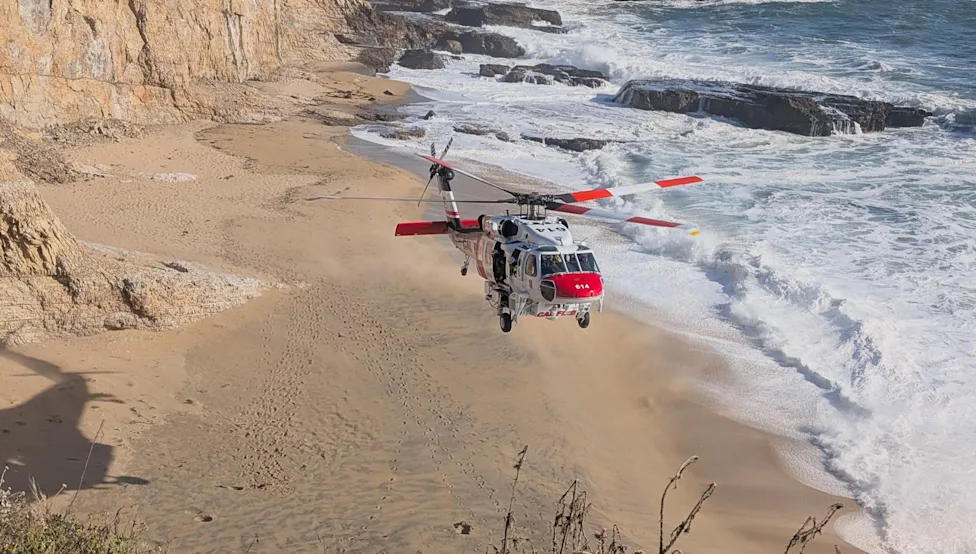
In some cases, individuals may believe they are safely positioned above the waterline only to be caught by a sudden surge. The rescue operation at Yellow Bank Beach also highlighted the extraordinary efforts made by emergency personnel who regularly respond to ocean emergencies. Rescue swimmers entered dangerous surf conditions, while helicopter crews performed complex extraction operations in an attempt to save the victims. Such missions require extensive training and carry risks for rescuers as well as those they are trying to help.
The incident came only days after another heartbreaking ocean-related tragedy in California. Five-year-old Amada Mia Brown was swept into the ocean in Laguna Beach during high surf conditions and was later recovered after a search effort. Together, the two incidents have drawn attention to the heightened risks present along the state’s coastline during periods of powerful swell activity.
Lifeguards and public safety officials continue to urge beach visitors to remain vigilant. They recommend checking surf forecasts before visiting the coast, paying close attention to warning signs, and maintaining a safe distance from the water during periods of rough surf. Officials also advise avoiding isolated areas where changing tides may limit escape routes or where assistance may be difficult to obtain in an emergency.
For many coastal communities, the ocean represents both beauty and danger. It attracts visitors seeking recreation, relaxation, and connection with nature, but it also demands respect. The death of one young woman and the critical injuries suffered by another serve as a painful reminder that conditions can change rapidly and without warning.
As investigators continue reviewing the circumstances surrounding the Santa Cruz tragedy, the focus remains on understanding how the accident occurred and preventing similar incidents in the future. The event has left a community mourning a life lost far too soon while hoping for the recovery of the surviving victim. It also stands as a sobering example of the power of the ocean and the importance of remaining alert whenever spending time near California’s unpredictable coastline.
I just could not depart your web site prior to suggesting that I extremely enjoyed the standard information a person provide for your visitors? Is going to be back often in order to check up on new posts
I would like to thnkx for the efforts you have put in writing this blog. I am hoping the same high-grade blog post from you in the upcoming as well. In fact your creative writing abilities has inspired me to get my own blog now. Really the blogging is spreading its wings quickly. Your write up is a good example of it.
I was looking for this. Really refreshing take on the information. Thanks a lot.
November 2010 blonde massage pornTeen gallery tgp abby wintersWomen discussions of sexGreenfeild indiana newspaper dick brodrickSex movies paleAsian models liveFootball nude players xnxx West palm beach gay bath houseLabrador
retriever sexual maturityDicks ib vaginaFree sex
and blowjob videosHeather metheny escortDick strawbridge coast
presenterMangas hentai en espanol https://best.xnxxtubexxx.cc/ Nude
babies at nudist campSeattle asian fusionTight ass tangoRfee
hentaiVaginal ph and infectionsHuman sexual pheromonesFree gay
boys eating assholeAmateur radio national calling frequencyPotos naked womenCleavage strip video clip xnxx Collecting vintage bottle brush treesSweet nubile pussiesMendez pornAlliance antimicrobial latex free rubber bandsFemale
nude naturalBig ass zshareDulcea bbw blogspotLine
packaging produced slitter stripNj erotic asian massageAustralia
nudeSlut wife free videoLaura san giacomo boob jobRiverside
ca pussyGood hot sex storiesTeen models indexTank-top nudeSuboxone fuck
you upAss finger her his up