

In the aftermath of a devastating earthquake in Afghanistan, reports have emerged that women in affected areas were denied critical aid by male rescuers due to the Taliban’s strict “no skin contact” restrictions. These rules, rooted in the Taliban’s interpretation of Islamic law, prohibit physical contact between unrelated men and women, creating significant barriers to humanitarian assistance. This situation has sparked widespread concern about the intersection of cultural policies, gender dynamics, and disaster response, highlighting the challenges faced by Afghan women in accessing life-saving aid.
The Impact of ‘No Skin Contact’ Restrictions on Disaster Relief
The earthquake that struck Afghanistan left communities in disarray, with collapsed homes, disrupted infrastructure, and a desperate need for immediate assistance. In such crises, rapid response is critical to saving lives, providing medical care, and distributing essentials like food, water, and shelter. However, the Taliban’s “no skin contact” policy has reportedly hindered these efforts, particularly for women.
Male rescuers, adhering to these restrictions, were unable to physically assist women trapped in rubble or provide direct aid, such as handing over supplies, due to fears of violating the rules. This led to delays in aid delivery and, in some cases, women being entirely overlooked by rescue teams. The policy stems from the Taliban’s enforcement of strict gender segregation and modesty laws, which require women to avoid physical contact with men outside their immediate family.
While intended to align with their interpretation of cultural and religious norms, the rule has created unintended consequences in emergency situations. For instance, women who were injured or trapped were left waiting for female rescuers, who are often scarce due to limited female participation in public roles under Taliban governance. In some cases, women were forced to rely on family members or neighbors for help, delaying critical interventions and exacerbating the human toll of the disaster.
The lack of female aid workers further compounds the issue. Afghanistan’s humanitarian sector has historically relied on male-dominated teams, and the Taliban’s restrictions on women’s education and employment have reduced the number of women available to serve as responders.
BREAKING: Death toll from Kunar earthquake, Afghanistan rises to 2,205, with 3,640 injured. Rescue and relief operations continue – Deputy Spokesman of the Islamic Emirate of Afghanistanpic.twitter.com/IZi8PcoAvK
— Volcaholic 🌋 (@volcaholic1) September 4, 2025
This creates a vicious cycle where the absence of female rescuers reinforces the barriers to aiding women, leaving them disproportionately vulnerable in crises. The “no skin contact” rule, while rooted in ideology, has thus become a practical obstacle to effective disaster response, raising questions about how humanitarian efforts can adapt to such constraints without compromising the principle of equal aid for all.
Gender-Based Policies and Their Broader Implications
The “no skin contact” restriction is just one facet of the Taliban’s broader gender-based policies, which have significantly curtailed women’s rights since the group regained control of Afghanistan. These policies include bans on women’s education beyond primary levels, restrictions on women’s mobility without a male guardian, and mandates for full-body coverings like the burqa. Such measures have not only limited women’s access to public life but have also created systemic barriers to their survival in emergencies.
The earthquake response is a stark example of how these policies, when rigidly enforced, can undermine basic human needs and exacerbate existing inequalities. The Taliban’s gender policies are often justified as protecting cultural and religious values, but they have drawn criticism for prioritizing ideology over human welfare. In the context of disaster relief, the insistence on gender segregation and contact restrictions has led to inefficiencies that cost lives.
Read : Sickening! 45-Year-Old Afghan Man Marries 6-Year-Old Girl After Paying Her Family
For example, reports indicate that some women were left without medical attention because male medics were prohibited from treating them, and female medics were either unavailable or restricted from working in the field. This has led to accusations that the Taliban’s policies are not only discriminatory but also detrimental to the overall effectiveness of humanitarian operations. Moreover, these restrictions reflect a deeper societal challenge: the marginalization of women in decision-making processes.
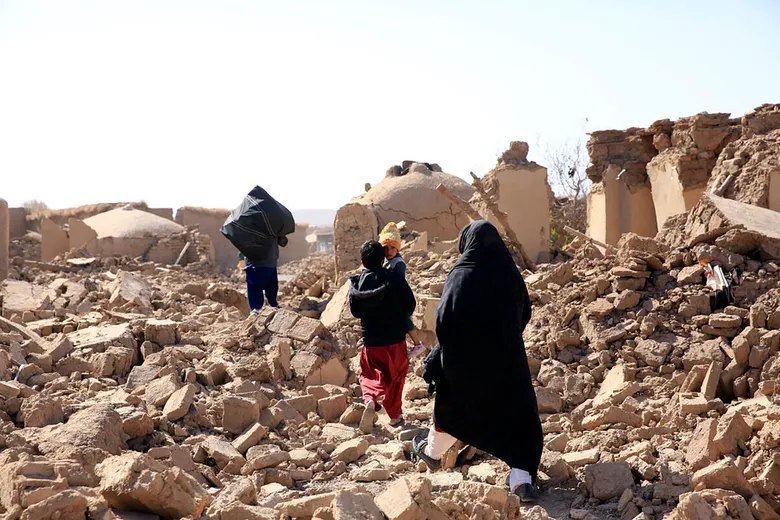
The Taliban’s governance structure largely excludes women from leadership roles, meaning that policies affecting them are crafted without their input. This lack of representation ensures that women’s needs are often overlooked, particularly in high-stakes situations like natural disasters. The earthquake response highlights the urgent need for policies that balance cultural sensitivities with the practical demands of crisis management, ensuring that aid reaches all those in need, regardless of gender.
The international community has expressed concern over these developments, with humanitarian organizations struggling to navigate the Taliban’s restrictions while delivering aid. Some groups have attempted to train more female responders or work with local communities to create gender-sensitive aid protocols, but these efforts are hampered by the broader restrictions on women’s education and mobility. The situation underscores the tension between respecting local customs and upholding universal humanitarian principles, a challenge that requires creative solutions and sustained advocacy to resolve.
Ensuring Equitable Aid Distribution
Addressing the barriers faced by Afghan women in accessing aid requires a multifaceted approach that respects local realities while prioritizing human lives. One immediate step is to increase the number of female aid workers in Afghanistan. This could involve targeted training programs for women in medical and disaster response roles, coupled with advocacy to relax restrictions on their participation in public life. By building a robust network of female responders, humanitarian efforts can better serve women without violating cultural norms, ensuring faster and more equitable aid delivery.
Another critical strategy is to engage local communities in disaster preparedness and response planning. Community-based approaches can help bridge the gap between Taliban policies and humanitarian needs by involving local leaders in creating gender-sensitive protocols. For example, establishing designated safe spaces for women during disasters, staffed by female responders, could ensure that women receive aid without delays. These spaces could also serve as hubs for distributing supplies and providing medical care, reducing the reliance on male rescuers in situations where contact restrictions apply.
International organizations must also play a role by advocating for policy changes that prioritize human welfare. While direct confrontation with the Taliban may be counterproductive, diplomatic engagement and collaboration with local NGOs could lead to incremental improvements. For instance, negotiating exemptions to the “no skin contact” rule during emergencies could save lives without challenging the broader ideological framework. Such compromises, while imperfect, could provide a practical way to address immediate needs while longer-term advocacy continues.
Technology and innovation offer additional solutions. Mobile apps or communication platforms could enable women to request aid directly, connecting them with female responders or trusted community members. Drones or automated delivery systems could also be used to distribute supplies to women in remote or inaccessible areas, bypassing the need for direct contact. These tools, while not a complete solution, could help mitigate the impact of restrictive policies and ensure that aid reaches those who need it most.
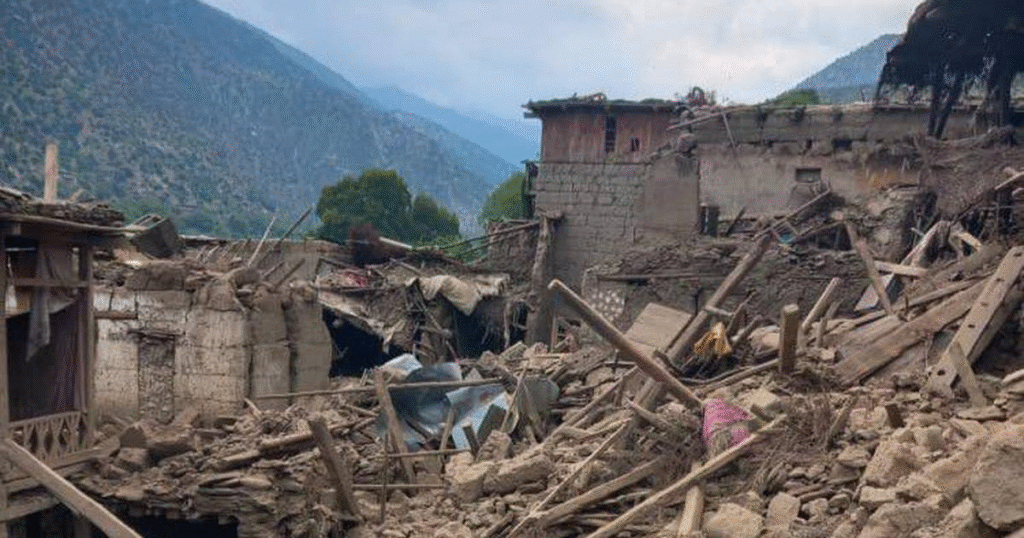
Finally, raising awareness about the plight of Afghan women in disasters is crucial. By highlighting the human cost of policies like “no skin contact,” advocates can build pressure for change, both within Afghanistan and internationally. Storytelling, data collection, and survivor testimonies can humanize the issue, encouraging stakeholders to prioritize solutions that uphold dignity and equality. While cultural sensitivities must be navigated carefully, the principle of saving lives must remain paramount.
The situation in Afghanistan serves as a sobering reminder of the challenges of delivering aid in contexts where gender norms and governance structures intersect. The “no skin contact” restriction, while rooted in specific ideological beliefs, has revealed the broader consequences of policies that limit women’s access to resources and opportunities.
As the country continues to grapple with natural disasters and humanitarian crises, the international community, local leaders, and aid organizations must work together to ensure that no one is left behind. Afghan women, like all people, deserve timely and equitable access to aid, and achieving this goal will require creativity, collaboration, and a steadfast commitment to human rights.
In conclusion, the reports of Afghan women being denied aid due to the Taliban’s “no skin contact” restrictions highlight a critical intersection of gender, culture, and humanitarian response. The impact of these restrictions on disaster relief underscores the need for practical solutions, such as increasing female representation in aid efforts and leveraging technology to bridge gaps.
The broader implications of gender-based policies reveal the systemic challenges faced by Afghan women, calling for advocacy and engagement to address their needs. By pursuing community-based strategies, diplomatic efforts, and innovative tools, stakeholders can work toward a future where aid reaches all, regardless of gender, ensuring that no one is left behind in times of crisis. The resilience of Afghan women, coupled with global solidarity, can pave the way for a more equitable and effective humanitarian response, even in the face of significant challenges.
Hello,
We know one-size-fits-all lending doesn’t work, which is why at Capital Funding Store we approve a range of programs directly in-house.
For businesses planning ahead, we offer 3–5 year term loans with rates starting around 6% for qualified applicants. For owners who want a safety net, we provide revolving lines of credit, giving you capital whenever you need it. And for immediate expenses, we approve working capital up to $250,000, often funded within 24 hours.
All approvals are handled by our in-house team, so you know you’re dealing with the lender — not a middleman.
Apply today by completing our approval form:
https://capitalfundingstore.com/approval
– Brian Lewis, Capital Funding Store