
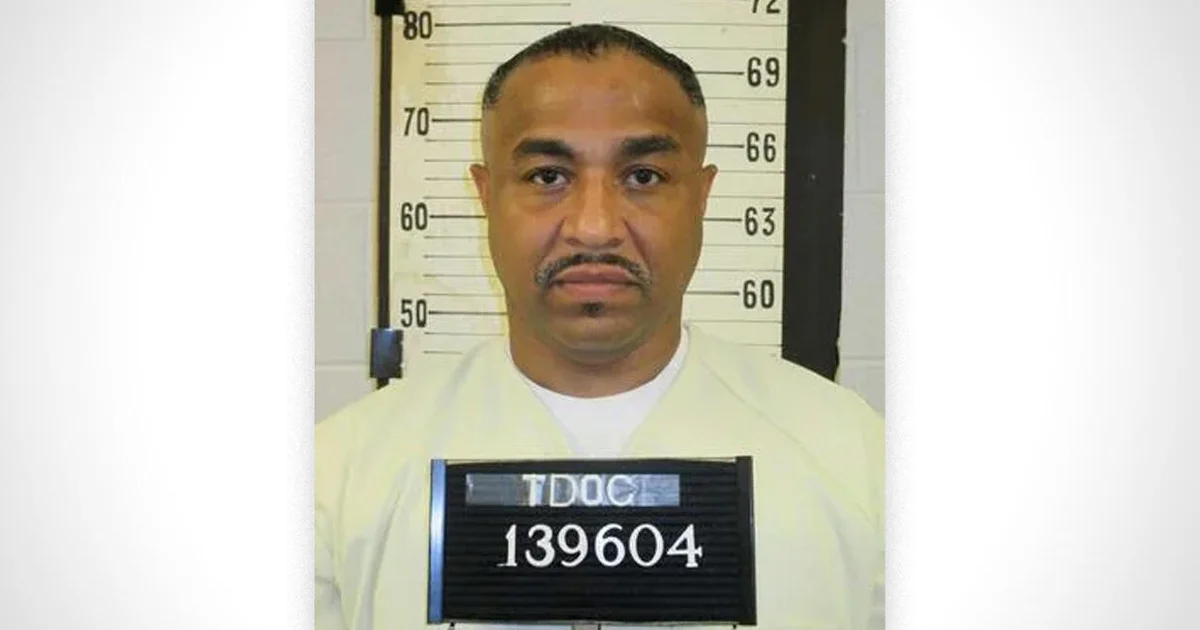
The scheduled execution of Tennessee death row inmate Tony Carruthers came to an abrupt halt after prison medical staff failed to establish a backup intravenous line required for the lethal injection procedure. The dramatic last-minute delay reignited national debate over the death penalty, lethal injection protocols, and concerns surrounding wrongful convictions. Carruthers, who was convicted for the 1994 kidnapping and murders of three people, was only moments away from becoming the latest inmate executed in the United States when officials called off the procedure.
The unexpected suspension of the execution placed renewed focus on the practical and ethical problems surrounding lethal injection, especially as states continue to face scrutiny over failed or botched executions. It also intensified public discussion about Carruthers’ case after activists, attorneys, and high-profile figures raised questions about the evidence used to convict him.
The incident unfolded inside Tennessee’s execution chamber, where preparations had already begun before complications forced officials to stop the process. The failure to establish a second IV line, a mandatory requirement under Tennessee protocol, ultimately led Governor Bill Lee to grant Carruthers a one-year reprieve.
Execution Halted After Failed IV Procedure
Tony Carruthers, 57, had been scheduled for execution on May 21 under Tennessee’s lethal injection protocol. According to the Tennessee Department of Corrections, medical personnel successfully inserted the primary IV line needed to administer the execution drugs. However, staff members were unable to establish a secondary or backup IV line, which is required under state procedures before an execution can proceed.
Officials later confirmed that the execution team attempted to place a central line after difficulties locating a suitable vein for the backup access point. Despite multiple attempts, the procedure failed. Once it became clear the protocol requirements could not be met, the execution was officially called off. The failed procedure immediately triggered emergency legal action from Carruthers’ attorneys, who argued that continuing under those circumstances would violate established execution rules and raise serious constitutional concerns.
Shortly afterward, Governor Bill Lee issued a one-year reprieve, effectively delaying the execution until at least next year. The announcement prompted emotional reactions from those involved in the case. Maria DeLiberato, one of Carruthers’ attorneys, became visibly emotional while speaking with reporters after learning of the delay. She expressed gratitude that the execution had been stopped, saying the decision offered additional time to review important legal and forensic issues connected to the case.
The failed execution attempt also renewed concerns about Tennessee’s history with lethal injection procedures. Advocacy groups opposing capital punishment pointed to the incident as further evidence that execution protocols remain deeply problematic, even after repeated revisions by state authorities. Stacy Rector, executive director of Tennesseans for Alternatives to the Death Penalty, stated that the failed attempt was disturbing but not unexpected. She argued that critics of lethal injection have long warned about procedural failures, lack of transparency, and the risk of severe suffering during executions.
Read : Surreal Event: A Real Pic of Flamingo Won AI Photo Contest
The incident added Tennessee to a growing list of states where execution attempts have encountered major complications. Over the past several years, concerns about the availability of execution drugs, medical ethics, and procedural reliability have led to delays, lawsuits, and suspensions in multiple states across the country.
The 1994 Murders and Carruthers’ Conviction
Tony Carruthers was sentenced to death following his conviction for the 1994 kidnappings and murders of Marcellos Anderson, Anderson’s mother Delois Anderson, and Frederick Tucker. Prosecutors argued that Carruthers was responsible for the brutal killings, which shocked the local community and ultimately resulted in a capital murder conviction. According to court records, the victims were kidnapped and later murdered during a violent criminal episode that authorities described as particularly severe.
Read : 44-Year-Old Stephen Bryant Who Wrote Messages in Victim’s Blood Chooses Execution by Firing Squad
Carruthers was arrested, charged, and eventually convicted after prosecutors presented witness testimony and other evidence linking him to the crimes. The case has remained controversial for years because Carruthers and his legal team have consistently maintained that he was wrongfully convicted. His attorneys have argued that significant questions remain regarding the evidence presented during the trial and the reliability of certain testimony used against him.
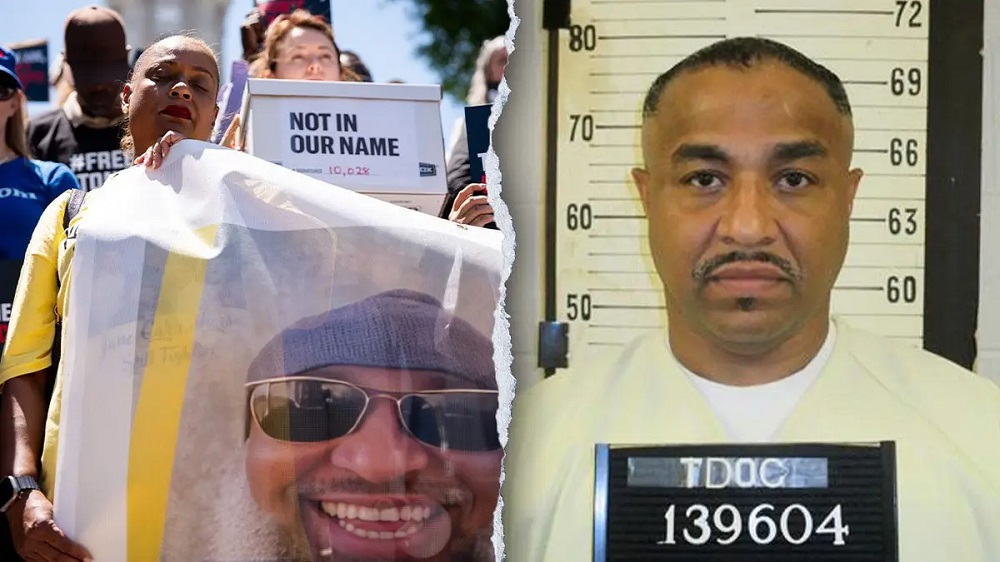
One of the major issues raised by the defense involves DNA evidence that attorneys believe should undergo additional testing. They argue that advances in forensic science since the 1990s could potentially provide new information about the murders and possibly challenge key aspects of the prosecution’s case. Supporters of Carruthers have claimed that the justice system failed to fully examine all available evidence before sentencing him to death. Advocacy groups opposing capital punishment have used the case to highlight broader concerns about wrongful convictions in death penalty cases nationwide.
The debate intensified shortly before the scheduled execution when media attention surrounding the case increased dramatically. Public campaigns urging Tennessee officials to pause the execution gained momentum online, particularly after prominent figures began speaking publicly about the case. Despite those efforts, state officials continued preparing for the execution until the failed IV procedure forced the delay. Tennessee authorities have not indicated whether changes will be made to execution procedures before another date is scheduled.
The case now returns to the legal system with renewed urgency, as Carruthers’ attorneys continue seeking additional forensic testing and further review of the conviction. The one-year reprieve gives both sides additional time to present arguments before any future execution attempt can occur.
National Attention and the Ongoing Death Penalty Debate
The halted execution drew national attention not only because of the procedural failure but also because of the broader controversy surrounding the death penalty in the United States. Questions about lethal injection methods have become increasingly common as states face criticism over botched executions and the role of medical professionals in carrying out death sentences.
Read : Christa Gail Pike, First Woman on Tennessee Death Row to Face Execution in 200 Years
In recent years, several executions across the country have been delayed or interrupted because officials struggled to establish IV lines or obtain the drugs required for lethal injection. Critics argue that these repeated problems demonstrate the inherent difficulties and ethical concerns involved in execution procedures. Medical organizations have long opposed physician participation in executions, creating additional challenges for states attempting to conduct lethal injections. Because many medical professionals refuse to take part, states often rely on personnel with limited experience handling complex IV procedures under highly stressful conditions.
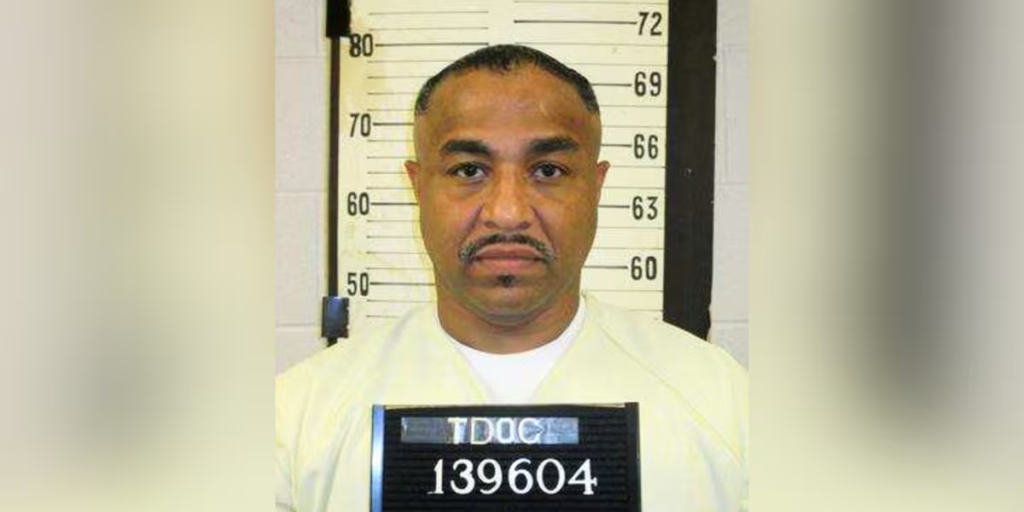
The incident involving Carruthers quickly became another example cited by death penalty opponents who argue that lethal injection cannot guarantee a humane or error-free execution process. Advocacy organizations said the failed procedure highlighted the physical realities involved in carrying out executions, particularly when inmates have difficult vein access or underlying medical conditions.
The case also attracted attention after media personality and businesswoman Kim Kardashian publicly urged Tennessee officials to delay the execution. In a social media post shared before the scheduled execution date, Kardashian encouraged supporters to contact Governor Bill Lee’s office and request additional DNA testing in the case.
Her involvement brought wider public visibility to Carruthers’ legal arguments and introduced the case to audiences that might not otherwise have followed developments surrounding the execution. Kardashian has previously advocated for criminal justice reform and has supported clemency efforts in several high-profile cases involving death row inmates and long prison sentences.
Supporters of the death penalty, however, continue to argue that executions remain an appropriate punishment for severe crimes such as multiple murders. Some advocates for victims’ rights organizations maintain that lengthy appeals and repeated delays prolong pain for victims’ families and prevent final closure after decades of legal proceedings.
The Carruthers case reflects the increasingly divided national conversation surrounding capital punishment. While some states continue carrying out executions, others have imposed moratoriums or abolished the death penalty entirely. Legal challenges, concerns about wrongful convictions, and ongoing controversies over lethal injection methods have contributed to declining execution numbers nationwide compared to previous decades. For now, Tony Carruthers remains on death row as legal proceedings continue.
The failed execution attempt has not only delayed his sentence but also intensified scrutiny of Tennessee’s execution procedures and the broader debate over capital punishment in America. With another execution date likely to become the subject of future legal battles, the case is expected to remain in the national spotlight. Questions surrounding forensic evidence, execution methods, and constitutional protections will continue shaping the discussion as both supporters and opponents of the death penalty closely watch what happens next.
Wow, this articlle iss good, my younger sijster iss analyzing such things, sso I aam goiung too tell her.
Terrific paintings! This is the kind of info that should be shared across the internet. Disgrace on Google for no longer positioning this publish higher! Come on over and talk over with my site . Thanks =)