
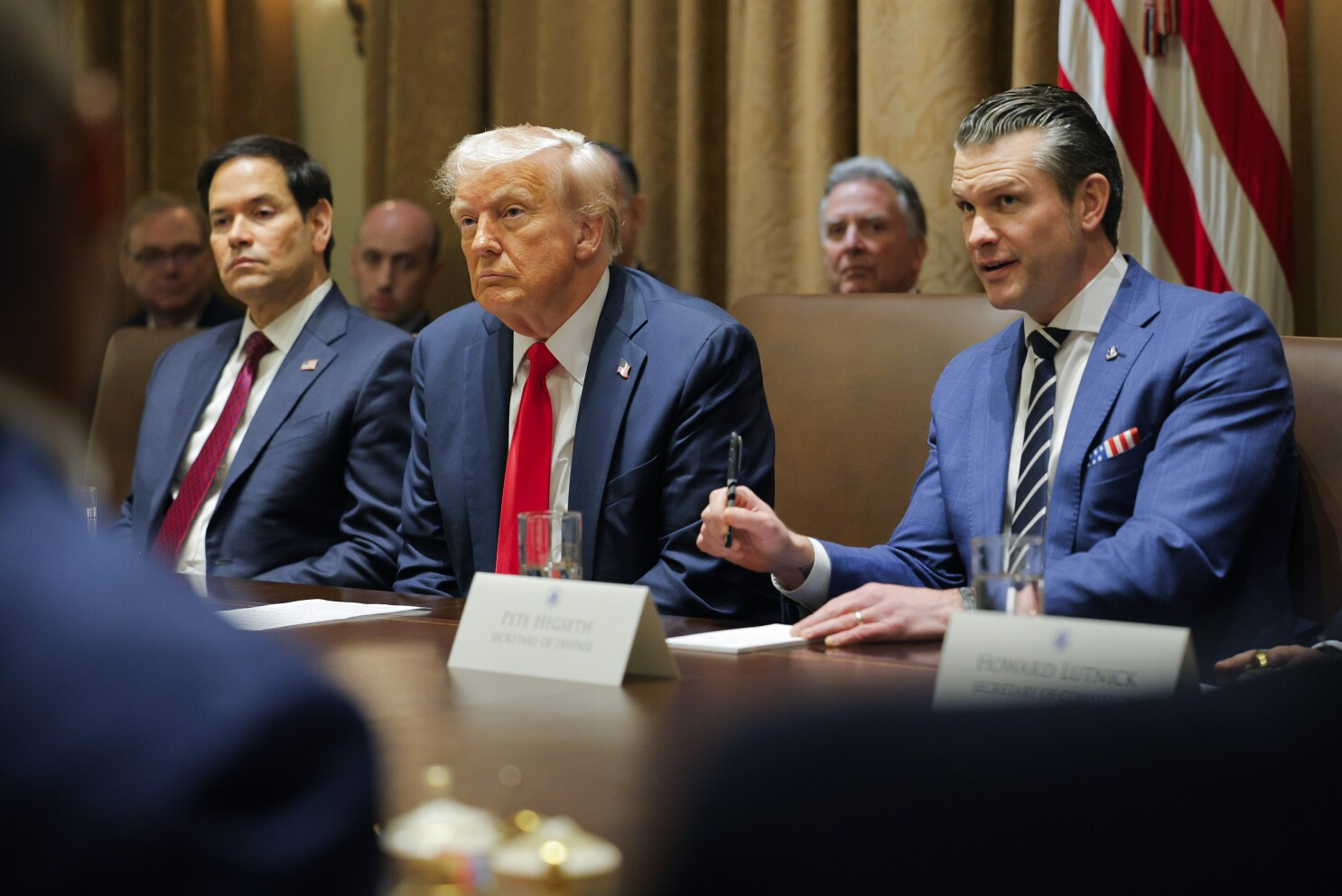
The United States military is facing a critical deadline as the Pentagon has ordered a 30-day period to establish procedures for identifying transgender service members for removal.
This directive builds on an executive order signed by former President Donald Trump during his tenure, which outlined steps to ban transgender individuals from serving in the military.
The decision has sparked widespread debate and legal challenges, raising questions about the rights of transgender troops, the military’s operational effectiveness, and the broader implications for diversity and inclusion within the armed forces.
With an estimated 600 transgender personnel in the Navy and between 300 to 500 in the Army, the policy will have significant consequences for those affected.
Identify Transgender Service Members for Removal
The policy, as outlined in a memo sent to Defense Department leaders, directs the military to establish procedures by March 26 to identify service members diagnosed with or receiving treatment for gender dysphoria. Once identified, these individuals will have 30 days before removal proceedings commence.
The Pentagon’s directive is based on the assertion that transgender individuals do not meet the high mental and physical standards required for military service.
According to Darin Selnick, the defense undersecretary for personnel, “The medical, surgical, and mental health constraints on individuals who have a current diagnosis or history of, or exhibit symptoms consistent with, gender dysphoria are incompatible with the high mental and physical standards necessary for military service.”
Read : Transgender Man Brutally Tortured and Murdered at Patty’s Lodge Motel in Canandaigua
The policy further asserts that gender is immutable and unchanging, reinforcing the notion that gender transitions conflict with military service requirements. The identification process may rely on self-reporting or reports from colleagues, placing transgender troops in a difficult position.
Read : Man Surgically Adds Four Extra Nipples To His Body, Find Out The Fascinating Story Behind it
This raises concerns about confidentiality and privacy, as service members may be forced to disclose their gender identity under duress. Furthermore, those who do not come forward may face penalties, adding to the pressure and uncertainty surrounding the new policy.
Legal and Human Rights Challenges
The decision to remove transgender service members has faced strong opposition from civil rights organizations, legal experts, and advocacy groups. Lawyers representing six transgender service members have filed legal challenges against the executive order, arguing that it discriminates against transgender individuals and violates their constitutional rights.
They contend that the policy treats transgender service members as “unequal and dispensable,” undermining their dignity in the eyes of their colleagues and the public.
Sarah Warbelow, vice president for legal affairs at the Human Rights Campaign, has voiced concerns about the ethical implications of the policy. “All of a sudden, you are going to be required to out yourself. Other people are going to be required to out you,” she said.
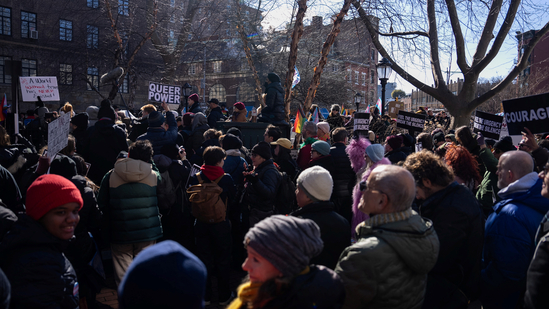
“If you’ve got a best friend in the military who happens to know that you are transgender, under this new guidance they’re required — if you are a woman who is transgender — they’re required to start referring to you as ‘he’ and ‘sir’ as of today.”
The requirement for troops to identify their transgender colleagues puts service members in a precarious position. They may have to choose between remaining loyal to their friends and complying with direct orders, a situation that could lead to divisions and mistrust within military units.
The policy’s approach to gender identity also clashes with contemporary understandings of human rights, medical research, and the lived experiences of transgender individuals.
Impact on Military Readiness and Unit Cohesion
The removal of transgender service members could have far-reaching consequences for military readiness and unit cohesion. The U.S. military currently has approximately 2.1 million active-duty troops, with transgender personnel making up a small fraction of this total. However, their contributions to various military roles, including combat and support positions, cannot be overlooked.
Research conducted by the RAND Corporation and other independent studies have found that allowing transgender individuals to serve openly does not negatively impact military readiness or cohesion. In contrast, removing skilled and trained personnel due to their gender identity may lead to manpower shortages and operational inefficiencies.
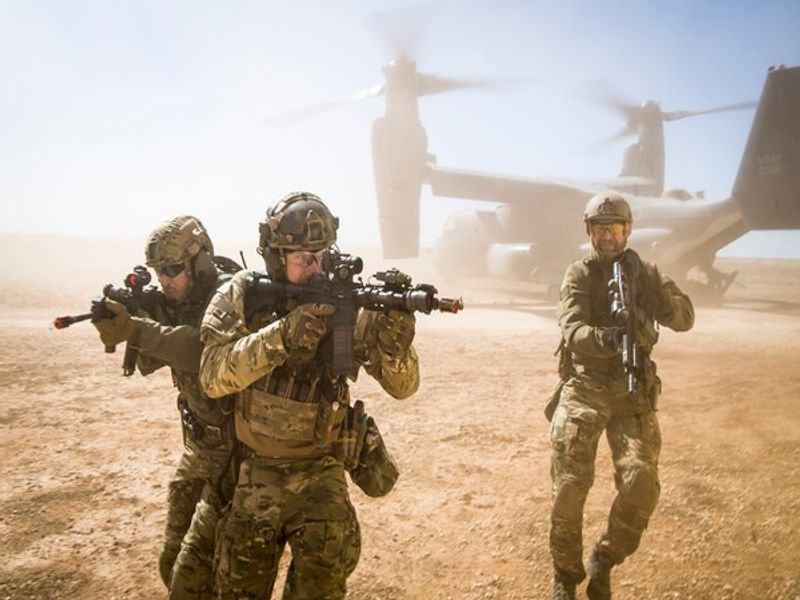
Moreover, the psychological impact of this policy on affected service members cannot be ignored. Being forced to leave their careers due to gender identity issues can have severe consequences for their mental health, financial stability, and personal well-being. For many transgender troops, serving in the military is not just a job but a calling, and the sudden termination of their careers can be devastating.
The policy also raises questions about the long-term implications for military recruitment and diversity. If transgender individuals are explicitly banned from serving, it may deter talented and capable individuals from joining the armed forces. Additionally, the move contradicts broader efforts within the U.S. government to promote inclusion and equal rights for LGBTQ+ individuals.
While proponents of the policy argue that it is necessary to maintain the integrity and effectiveness of the military, critics counter that it is a step backward in terms of equality and human rights. The ongoing legal battles and public debates surrounding the policy will likely continue, shaping the future of transgender rights in the U.S. military.
As the 30-day deadline approaches, the U.S. military faces a significant test in balancing operational needs with fundamental rights and ethical considerations. The outcome of this policy will not only affect transgender service members but will also set a precedent for how the military handles diversity and inclusion in the years to come.