
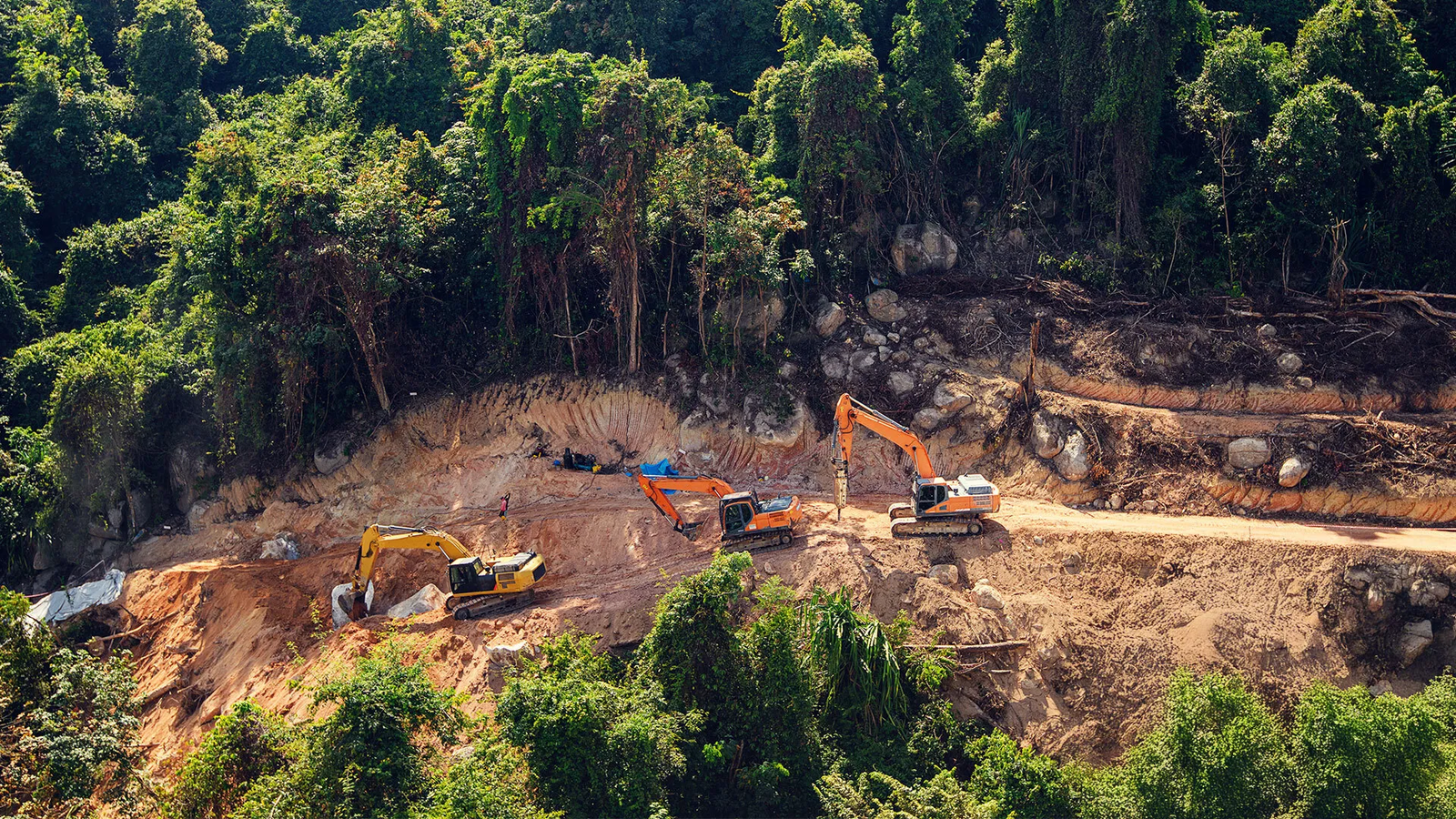
The Amazon rainforest, often referred to as the “lungs of the Earth,” is facing a new environmental crisis. In a move that has sparked outrage among environmentalists, conservationists, and local communities, tens of thousands of trees are being cut down to construct a four-lane highway leading to the site of the upcoming COP30 climate summit in Brazil.
The irony of this development cannot be ignored—leaders from around the world are set to gather to discuss climate change while the very environment they seek to protect is being destroyed in the process.
A Highway Through the Amazon For Climate Summit in Brazil
The construction of the new highway, named Avenida Liberdade (Avenue of Liberty), has resulted in the clearing of thousands of acres of the Amazon rainforest. The road, stretching eight miles, is designed to facilitate transportation for the more than 50,000 attendees expected to gather in Belém for the 30th annual United Nations Climate Change Conference (COP30).
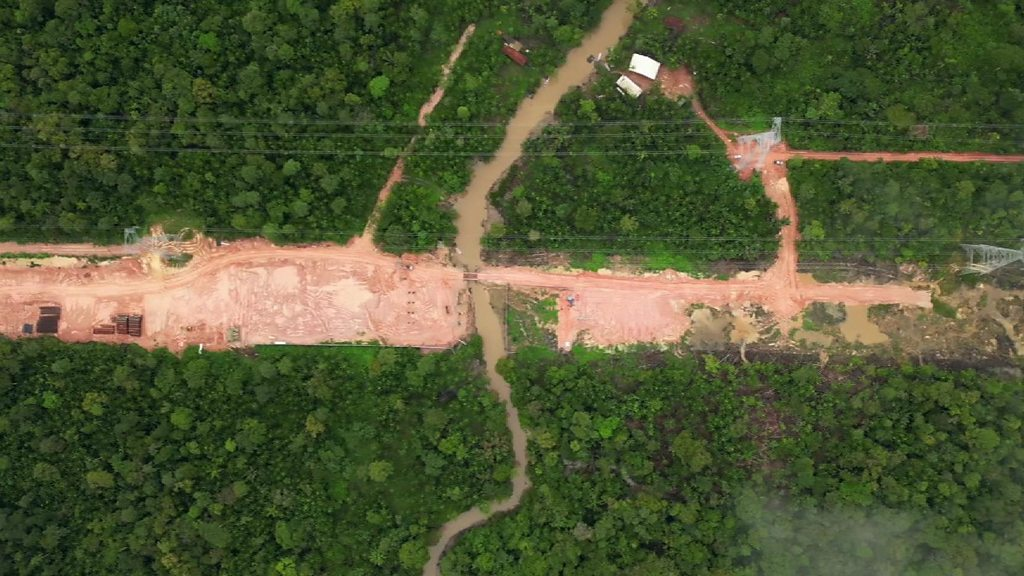
Aerial images of the project depict a deep gash through what was once pristine rainforest, now replaced by construction machinery, log piles, and dusty pathways.
While the state government of Pará insists that the highway is a “sustainable” development, critics argue that the destruction it has caused is irreparable. The highway will bisect a large section of the rainforest, fragmenting ecosystems and severely impacting the wildlife that depends on the area for survival.
Conservationists have long warned that roads cutting through forests accelerate deforestation by providing easier access to illegal loggers, miners, and land grabbers.
Read : Amazon Delivery Van Runs Over Woman Twice in Baltimore
Local residents who have lived in harmony with the rainforest for generations have expressed their distress. Claudio Verequete, a resident of a nearby community, shared his heartbreak over the loss of his livelihood. He previously relied on harvesting açaí berries from the forest, but with the trees now gone, he and many others have lost their primary source of income.
The Environmental and Ecological Consequences
The Amazon rainforest is home to an estimated 10% of the world’s known species, making it one of the most biodiverse regions on the planet.
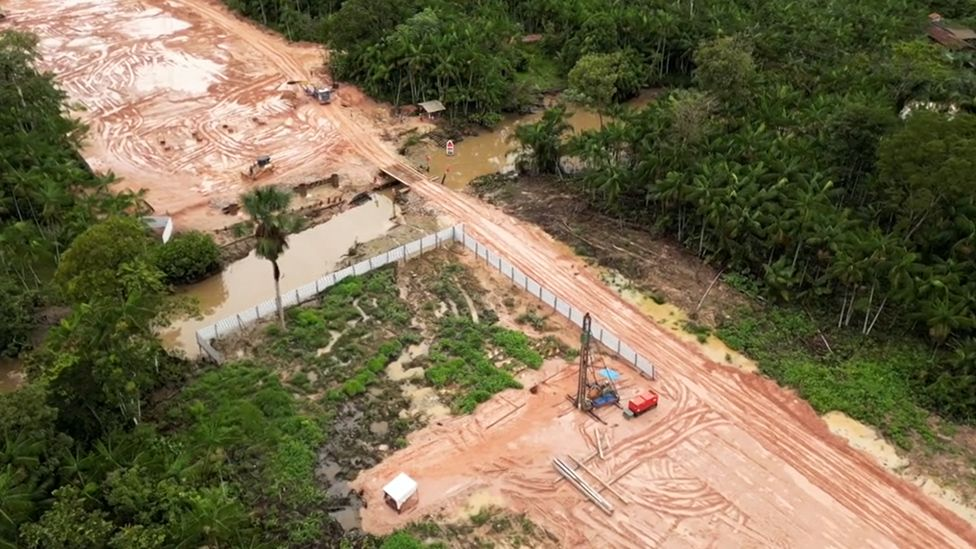
The destruction caused by the new highway project has raised concerns about the impact on wildlife, as land animals will now face significant obstacles in crossing from one side of the forest to the other. Fragmentation of habitats disrupts migration patterns and breeding grounds, leading to a decline in species populations.
Silvia Sardinha, a wildlife veterinarian and researcher, has warned that the deforestation caused by the road project will have long-term consequences.
pic.twitter.com/UMwnjgx2CE Tens of thousands of acres in the Amazon rainforest have been cut down to build a road for the COP30 climate summit in Brazil.
— Victor Bigham 🇺🇸 (@Ravious101) March 12, 2025
Huge swaths of land are getting cleared out to "ease traffic to the city" of Belem for a new highway.
Video shows rows and rows…
“From the moment of deforestation, there is a loss,” she explained. Many animals that depend on the affected area for food and shelter will be displaced, and the lack of connected habitats will make it difficult for them to find suitable living conditions elsewhere.
Furthermore, the deforestation associated with the project will contribute to increased carbon emissions. The Amazon acts as a crucial carbon sink, absorbing vast amounts of CO2 from the atmosphere. Destroying large swathes of trees reduces its ability to mitigate climate change, undermining the very goals of the COP30 summit.
Government Justifications and Public Backlash
Despite widespread criticism, the Brazilian government has defended the construction of the highway. President Luiz Inácio Lula da Silva has promoted the event as “a COP in the Amazon, not a COP about the Amazon.”
This statement suggests an effort to bring international attention to the rainforest’s importance, but it fails to address the contradiction of hosting a climate summit while simultaneously destroying a portion of the very ecosystem that is central to the discussions.
Adler Silveria, the infrastructure secretary of Pará, claims that the highway is an “important mobility intervention” and will include eco-friendly features such as wildlife crossings, bike lanes, and solar panels. However, conservationists argue that these measures do little to compensate for the damage already done.
The outcry from environmentalists and local communities has been overwhelming. Many see the project as emblematic of a larger problem—short-term economic and political interests taking precedence over long-term environmental protection.
Activists have called for international intervention, urging world leaders attending COP30 to address the environmental hypocrisy of the situation.
A Call for Genuine Commitment to Climate Action
As the world grapples with escalating climate crises, the need for genuine and effective climate action has never been greater. The destruction of the Amazon rainforest to make way for a highway serving a climate summit serves as a stark reminder of the challenges facing global environmental policies.
If COP30 is to be a meaningful event, leaders must confront not only global emissions targets but also the localized destruction that contradicts their commitments.
Protecting the Amazon should be a priority, not an afterthought. Sustainable alternatives, such as investing in existing infrastructure or developing environmentally friendly transportation options, should have been explored before resorting to deforestation.
Ultimately, the irony of cutting down thousands of trees to host a conference on climate change must not be lost on the global community. True climate leadership requires actions that align with words, and the fate of the Amazon hangs in the balance.