
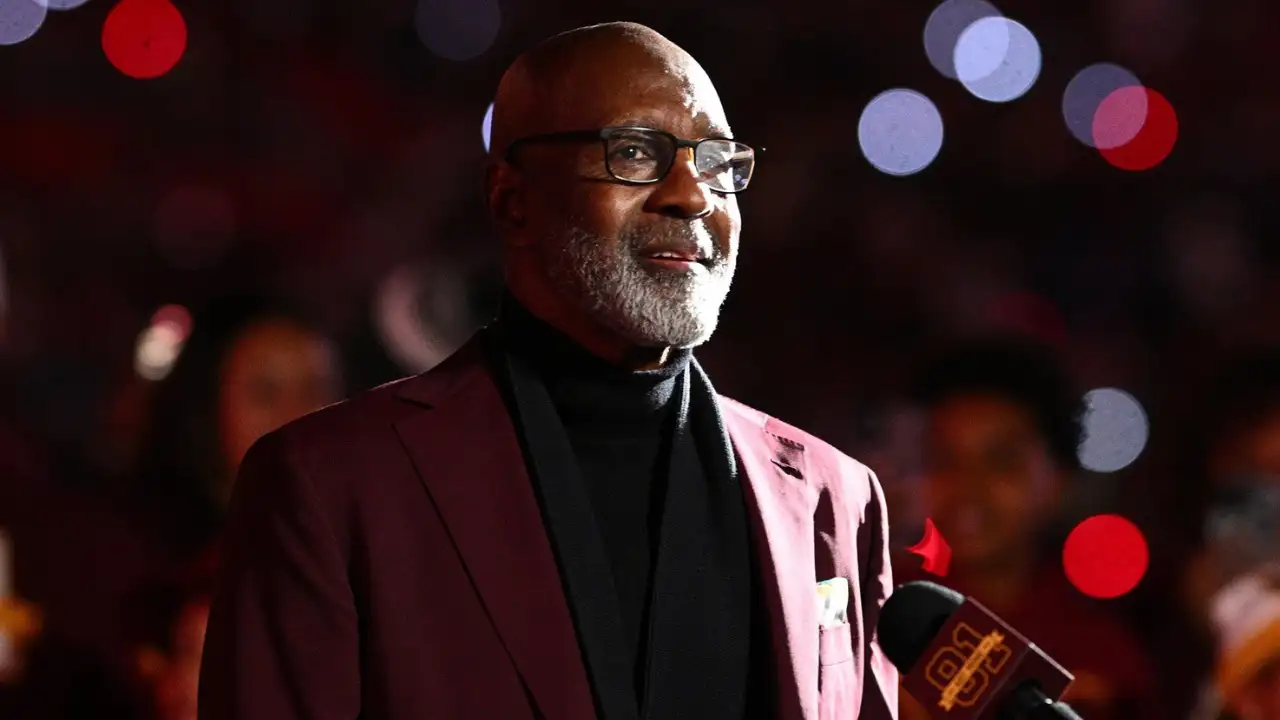
Confusion rippled across social media after posts on X, Facebook, and Instagram falsely claimed that Washington Commanders icon Art Monk had died at the age of 68. The sudden spread of the rumor, reportedly intensified by an inaccurate Wikipedia update and a wave of shared condolences, left many fans searching for clarity.
As uncertainty grew, the situation revealed how quickly misinformation can gain traction, especially when it surrounds a beloved public figure. In this case, official responses from those closest to Monk were required to dispel the rumor and affirm that he remains alive and well. The incident also highlighted the emotional impact such false claims can have on communities who hold deep admiration for sports legends with long-standing cultural significance.
Origins of the False Death Rumors
The wave of speculation began when posts on multiple platforms suggested that Art Monk had passed away. One user on X asked for an “official wellness check” on the Hall of Famer, while others echoed similar concerns across Facebook and Instagram. The rumors gained visibility because they circulated simultaneously across different social platforms, giving the illusion of legitimacy.
Some posts referred to a supposed Wikipedia entry that listed Monk as deceased, contributing to the confusion. Although the origin point of the misinformation was unclear, its rapid spread demonstrated how easily unverified claims can escalate when they catch the attention of large online communities. Several fans began posting tributes almost immediately, assuming the news was accurate.
A widely shared Facebook comment expressed grief and celebrated Monk’s legacy with the Washington Redskins, further accelerating the narrative. These reactions, while heartfelt, illustrated a common pattern in viral misinformation: emotionally charged posts tend to spread faster than fact-checked updates. For older sports fans in particular, Monk’s career represents a defining era of football excellence, and the possibility of his passing naturally elicited strong sentiments. This environment made the rumor particularly potent before any official clarification emerged.
Read : Jessica Bond Ferguson Shoots Dead Monkey That Escaped from Overturned Truck
The turning point came when former NFL running back and Commanders legend Brian Mitchell publicly addressed the rumor. Mitchell, a close associate of Art Monk, unequivocally dismissed the reports as false. His response emphasized the harm caused by such fabrications and made clear that no credible source had confirmed any news of Monk’s death. Mitchell also shared a message from Monk’s wife, Desiree, who stated directly that her husband was “alive and well.”
Art Monk is alive and well. Anything about him passing is fake! pic.twitter.com/8wEEuv9CgK
— Garrett Phillips (@jagged_ice84) November 28, 2025
Her condemnation of the false reports provided the most authoritative information available and immediately halted much of the speculation. This intervention underscored a critical fact about viral misinformation: clarity from trusted individuals or verified representatives is often the only effective countermeasure. Fans quickly circulated the statements from Mitchell and Desiree Monk, helping reverse the earlier narrative.
The speed with which these corrections traveled demonstrated how social media can also act as a corrective tool when credible voices step forward to counter deceptive or incomplete claims. The incident further reminded users that digital platforms, while useful for sharing information quickly, require careful scrutiny when claims involve the wellbeing of real individuals.
Context and Legacy Surrounding the Rumor
The false reports emerged only weeks after the Washington Commanders honored Art Monk by retiring his storied No. 81 jersey on November 2. This ceremony celebrated his accomplishments during a celebrated career that included three Super Bowl championships, 889 receptions, and a place in the Pro Football Hall of Fame. The tribute reignited public discussion about his contributions to the franchise, and this renewed visibility may have unintentionally set the stage for rumors to spread more easily.
When a public figure re-enters the spotlight, misinformation often follows, whether through deliberate fabrication or accidental misunderstanding. Monk’s long career with Washington, followed by his time with the New York Jets and Philadelphia Eagles, made him a central figure in NFL history. His reserved demeanor and consistent performance earned him respect throughout the league. Because of this widespread admiration, any rumor concerning his health or status carries significant emotional weight.
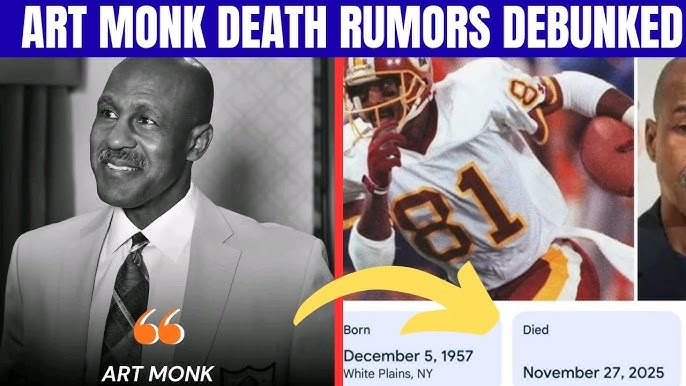
Fans reacted so strongly not only because the posts appeared convincing but also because Monk represents an era of football that holds deep nostalgic value for many followers of the sport. The powerful connection between athlete and community was evident in the intensity of the reactions, both before and after the misinformation was corrected. The incident involving the false report of Monk’s passing reflects broader challenges in the digital age.
Information travels faster than ever, often without the checks that traditional reporting once provided. In this environment, misleading claims can create distress not only for fans but also for the families of public figures who may be forced to respond to speculation before it spirals further. In Monk’s case, his wife’s message played a crucial role in reestablishing the truth, and Mitchell’s public stance helped reinforce a responsible, fact-driven narrative. The coordinated effort between personal and professional networks ultimately prevented further escalation of the rumor.
Fans who were shaken by the false news found reassurance in the official statements, and the conversation gradually shifted back toward appreciation of Monk’s contributions rather than concern over unverified claims. The episode provided a reminder that even well-intentioned sharing can inadvertently amplify misinformation if not grounded in verified facts. For many supporters, it also reinforced the importance of relying on credible sources when engaging with news concerning public figures whose legacies extend beyond sports and into cultural history.
In the aftermath of the incident, the overarching sentiment among fans was relief that Art Monk remains in good health. The rapid correction of the rumor underscored the enduring respect surrounding his name and the eagerness of fans and former teammates to protect his legacy from misinformation.
The situation highlighted the collective responsibility of online communities to approach sensitive news with caution and to prioritize accuracy over immediacy. Through the clarifications issued by those closest to Monk, the narrative returned to focusing on his enduring impact, reaffirming his place as one of the NFL’s most admired figures.
Solid JILI games here at 291jili, if you’re looking for legit local website this maybe your place 291jili