
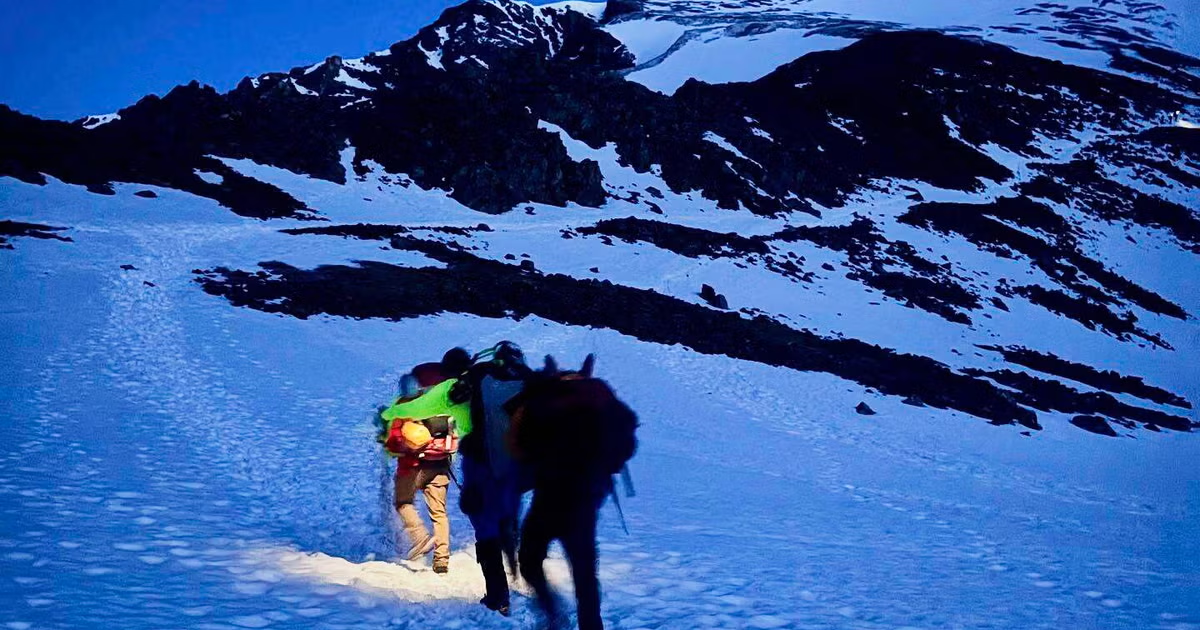
On what began as an adventurous road trip, two men from New York set out to conquer one of Colorado’s famed Fourteeners—Torreys Peak. This 14,300-foot mountain, located roughly 40 miles west of Denver, stands among the tallest in the state and is a popular destination for hikers and mountaineers alike.
Its grandeur, however, also comes with unpredictable dangers, particularly during the volatile summer months. These two Hikers Struck by Lightning near the summit turned their daring ascent into a life-threatening ordeal.
The men chose to take a more technical route, one that required greater expertise and familiarity with alpine terrain. According to Alpine Rescue Team public information officer Jake Smith, the pair lacked significant climbing experience and had likely underestimated the challenges posed by the mountain.
Their journey quickly took a perilous turn when they lost their way around 5 p.m., prompting them to call for assistance. Though rescuers managed to guide them back on course, what followed moments after they reached the summit was nothing short of terrifying.
Hikers Struck by Lightning Strikes at 14,000 Feet
Having found their way back on track, the hikers successfully reached the summit of Torreys Peak—just in time for disaster to strike. Minutes after summiting, one of the men made a desperate call to report that they had been struck by lightning. The sudden bolt left one hiker in critical condition, unresponsive and severely injured, while the other suffered less serious injuries.
Lightning strikes in high alpine terrain are a well-known risk, particularly during summer afternoons when thunderstorms can form rapidly. The higher elevation makes climbers especially vulnerable, as they are often the tallest objects in an open and exposed environment. At over 14,000 feet, Torreys Peak is no exception. Storms here can bring with them not just lightning, but also sudden temperature drops, high winds, and hail.
A Black Hawk helicopter from the National Guard evacuated two men struck by lightning near the summit of Torrey’s Peak in Colorado — an event rescuers believe was among the highest helicopter rescues in the state. https://t.co/1VzYE4VOzq pic.twitter.com/A9pyIYB3EI
— CBS Evening News (@CBSEveningNews) June 14, 2025
Upon receiving the distress call, the Alpine Rescue Team and other emergency services sprang into action. Over 30 rescuers began the arduous climb to the summit. In parallel, the Colorado National Guard deployed a Blackhawk helicopter to aid the rescue efforts. The terrain and elevation posed severe challenges to aviation, but time was of the essence. The critically injured man needed urgent medical care and evacuation.
The Highest Helicopter Rescue in Colorado History
At approximately 14,200 feet, the rescue helicopter hoisted the unconscious man from the peak—a feat that is now believed to be the highest altitude helicopter rescue in Colorado’s history. Previously, the record stood at around 13,700 feet.
High-altitude rescues are notoriously difficult, as thin air dramatically reduces a helicopter’s lifting capacity and affects engine performance. Yet, the Blackhawk, with an altitude limit of about 19,000 feet, managed to perform the hoist in record-setting fashion.
Read : Hiker Lost in Kosciuszko National Park Found Alive After Surviving 2 Weeks on Berries, 2 Muesli Bars
Once secured, the injured man was flown to a staging area where an ambulance awaited to transport him to a local hospital. He was then transferred to a specialized burn unit in Denver, highlighting the severity of his injuries from the lightning strike. Hours later, around midnight, the helicopter returned to the peak to retrieve the second hiker. This time, it was able to partially land on the mountain, allowing rescuers to assist the less seriously injured man into the aircraft.
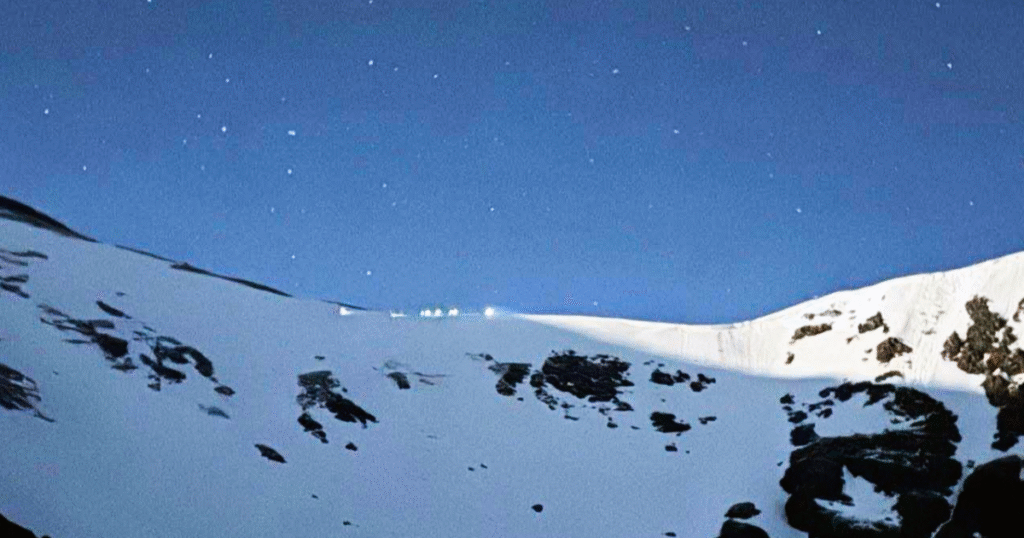
The complexity and timing of the rescue underline the professionalism and coordination of all the agencies involved. Jake Smith, who was among the ground rescuers, emphasized how fortunate the outcome was despite the dangerous conditions. The success of the operation, though remarkable, also served as a stark reminder of the ever-present risks that come with high-altitude hiking.
A Cautionary Tale for Aspiring Adventurers
This dramatic and nearly tragic incident on Torreys Peak is not an isolated case. It serves as a sobering example of how quickly things can go wrong in the wilderness, especially when hikers are underprepared. In Colorado, afternoon thunderstorms are a frequent and dangerous reality during the summer. That’s why seasoned hikers prefer early morning ascents, aiming to be off the summit before weather conditions deteriorate.
The lack of experience and awareness on the part of the two hikers likely played a significant role in the ordeal. Choosing a technical route without proper knowledge or climbing gear, and continuing their ascent into the afternoon hours, were risky decisions. Lightning, though unpredictable, is a known hazard in the Rockies. According to safety guidelines, hikers should avoid being on ridges, peaks, or open areas once thunderclouds start forming.
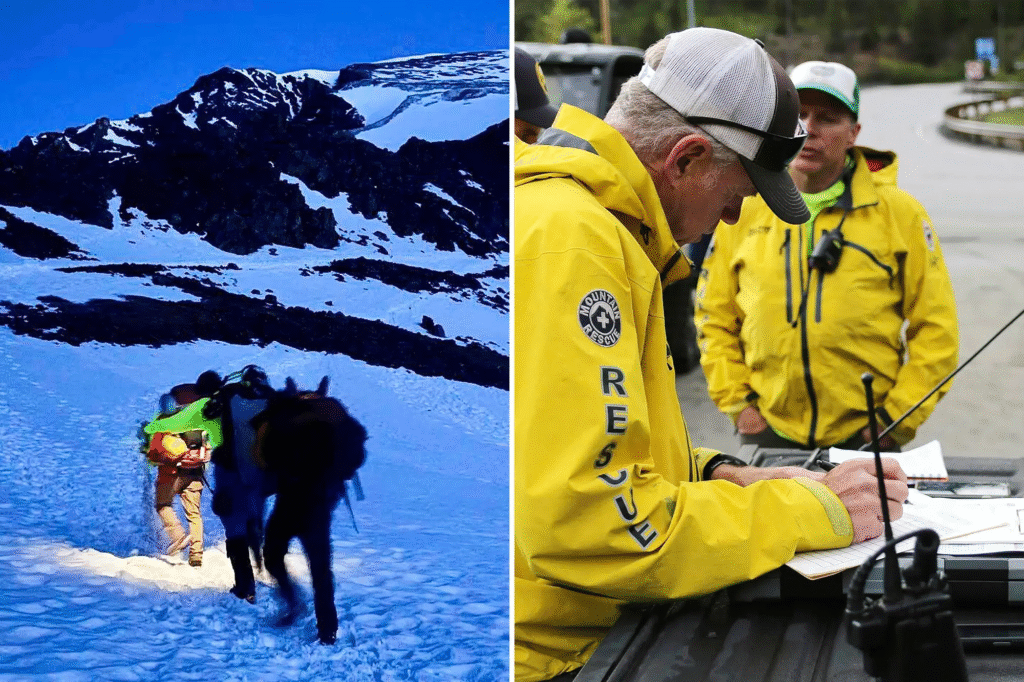
For those drawn to the thrill and beauty of the high country, preparation is not optional—it is vital. This includes understanding the mountain’s weather patterns, selecting appropriate routes based on experience, and being equipped with navigation tools and emergency communication devices. Knowing when to turn back can be the difference between a challenging hike and a life-threatening emergency.
While the rescue was ultimately successful, it could have easily ended in tragedy. The seriously injured hiker remains hospitalized, and his full recovery is yet to be seen. The physical and emotional toll of such a harrowing experience can be profound. Meanwhile, the entire incident has left a lasting impression on both rescuers and outdoor enthusiasts.
Nature’s grandeur is often intertwined with danger. Torreys Peak, like many of Colorado’s Fourteeners, offers breathtaking vistas and a sense of accomplishment to those who reach its summit. Yet it demands respect. The mountain does not differentiate between novices and veterans; it challenges all who climb it, and punishes those who come unprepared.
Let this story be a call for caution, respect, and humility in the face of the wild. For every triumphant summit, there are untold stories of close calls and near disasters. As much as the mountains give, they can just as swiftly take away. The key to survival lies in knowing both your limits and the mountain’s, and in remembering that adventure is best tempered with wisdom.