
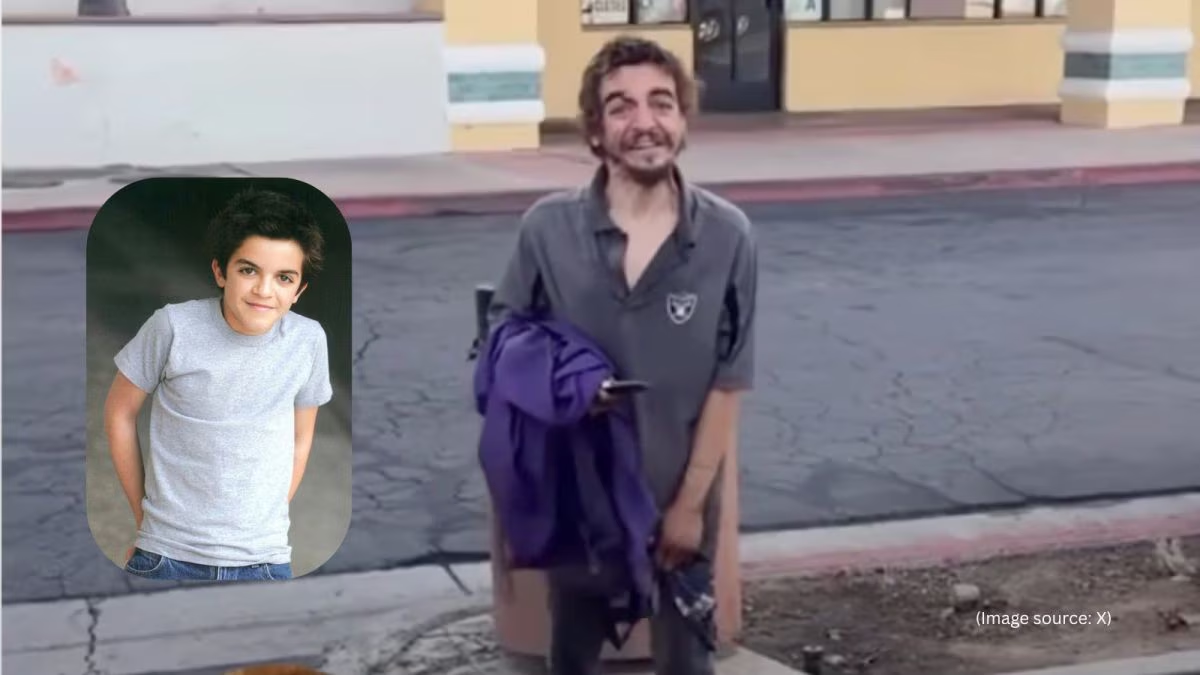
Tylor Chase, a former child actor best known for his appearance on Nickelodeon’s popular early-2000s sitcom Ned’s Declassified School Survival Guide, has recently drawn renewed public attention after a video showed him living on the streets of California. The footage, which first appeared online in September and resurfaced again in recent days, has prompted widespread concern among fans of the show as well as commentary from his former co-stars.
Tylor Chase, now 36, was seen in Riverside, Los Angeles, wearing a worn Los Angeles Raiders polo shirt and holding up his jeans while calmly answering questions from a passerby who appeared to recognise him from his time on television. The clip quickly circulated across social media platforms, leading to speculation about his circumstances and a renewed discussion about the long-term challenges faced by some former child actors.
While brief in duration, the video has become a focal point for conversations around mental health, privacy, and public responsibility toward individuals who once lived in the public eye but later struggled outside it. Tylor Chase’s story, as it has emerged through the video, statements from his family, and comments by former colleagues, reflects a complex situation that extends beyond a single viral moment.
Tylor Chase and His Time on Ned’s Declassified School Survival Guide
Tylor Chase rose to recognition through his role as Martin Qwerly on Ned’s Declassified School Survival Guide, a Nickelodeon series that aired from 2004 to 2007. The show followed middle school students as they navigated everyday school life using humorous “survival tips,” and it developed a devoted audience during its run. Chase’s character, though not part of the main trio, was a familiar presence to viewers and contributed to the show’s ensemble dynamic.
Like many child actors of the era, Tylor Chase’s work on the series placed him in the public spotlight at a young age. Nickelodeon productions during that period were widely watched, and cast members often became instantly recognisable to a generation of viewers. However, after the show concluded, Chase did not continue with a prominent acting career, gradually fading from mainstream media attention.
For years, little public information circulated about his life after Ned’s Declassified. Unlike some former co-stars who remained active in entertainment or public-facing careers, Tylor Chase maintained a relatively low profile. As a result, many fans were unaware of his later struggles until the recent video brought his circumstances into public view.
Can I have more people write to Scott Fellows who created Ned's Declassified School Survival Guide on Nickelodeon, featuring homeless actor Tylor Chase?
— SynCronus (@syncronus) December 22, 2025
Amanda Bynes and now this? Nobody is asking questions about Hollywood and how they handle child actors? pic.twitter.com/gKCO5NXkAL
In the resurfaced footage, Tylor Chase responds calmly when asked whether he once appeared on Nickelodeon, confirming his role on Ned’s Declassified School Survival Guide. The brief exchange underscores how recognizable his past remains, even as his present circumstances differ sharply from his time on television.
Viral Video, Family Response, and Questions Around Support
The renewed attention surrounding Chase began when the video of him living on the streets was widely shared online. Viewers expressed shock and concern, with many calling for assistance or intervention. In response, a GoFundMe campaign was launched in Tylor Chase’s name, raising more than $1,200 before it was taken down.
The fundraiser’s removal came at the request of Chase’s mother, who clarified that financial contributions were not the solution to her son’s situation. According to statements attributed to her by The US Sun, she explained that Chase requires medical attention rather than monetary support and that he has refused such treatment. She also noted ongoing challenges related to his ability to manage money and personal belongings, describing repeated attempts to help him stay connected through mobile phones that were quickly lost.
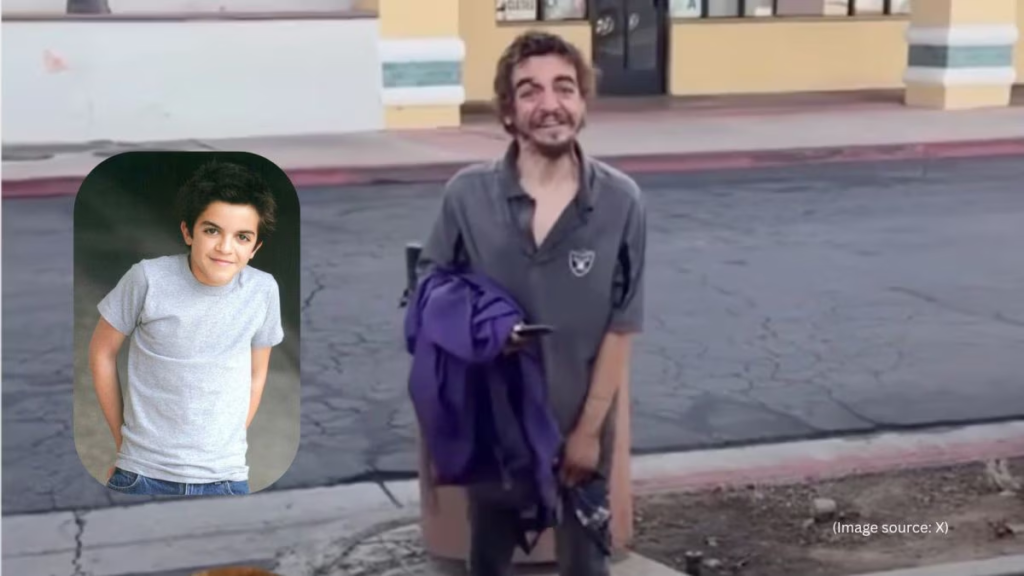
Her comments shifted the focus of the conversation away from charitable fundraising and toward deeper concerns about Tylor Chase’s health and capacity to accept assistance. The situation raised broader questions about how best to help individuals facing similar struggles, particularly when they are unwilling or unable to engage with conventional forms of support.
The circulation of the video also sparked debate about privacy and ethics. Some observers criticised the decision to film and share footage of Chase without clear consent, arguing that such exposure can be intrusive, particularly when a person is experiencing hardship. Others contended that the video, while uncomfortable, helped draw attention to a situation that might otherwise have gone unnoticed. What became clear through his family’s response is that Chase’s challenges are longstanding and complex, involving factors that extend beyond immediate financial need.
Reactions From Former Co-Stars and Ongoing Public Concern
Tylor Chase’s former Ned’s Declassified co-stars Devon Werkheiser, Lindsey Shaw, and Daniel Curtis Lee addressed his situation publicly on an episode of their Ned’s Declassified Podcast Survival Guide. Their comments offered a rare glimpse into how those who knew Chase personally have processed the news. Daniel Curtis Lee described his reaction to seeing the video as deeply emotional. He said the footage was difficult to watch and admitted that his initial response was anger, particularly toward the act of filming someone during a vulnerable moment.
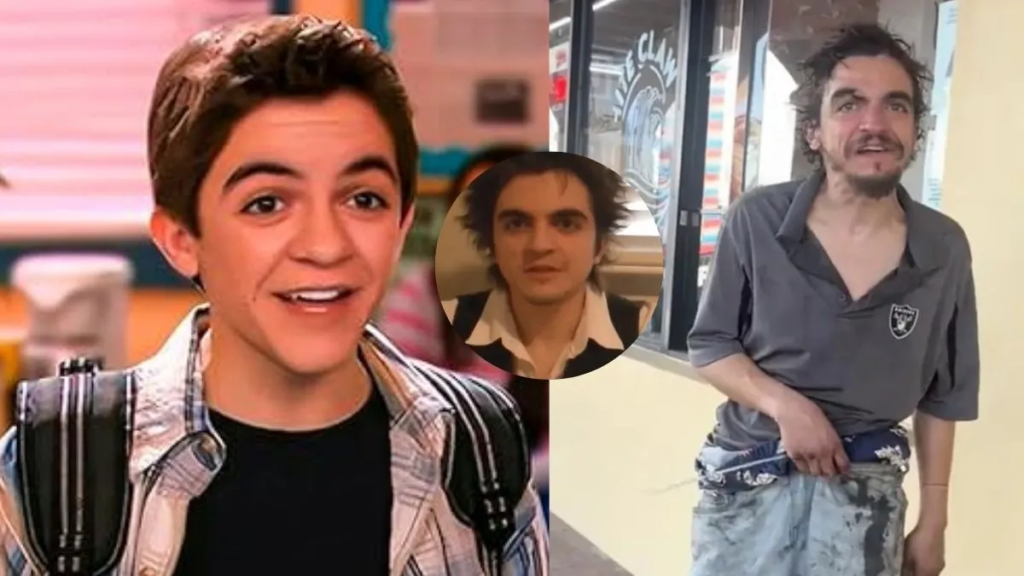
He later spoke about feeling powerless, noting the emotional toll of wanting to help a friend while feeling limited in what he could realistically do. Lindsey Shaw expressed a desire for personal reconnection rather than public intervention. She spoke about wanting to speak with Chase directly, emphasising her affection for him and her hope to offer support through personal presence rather than public gestures. Her comments reflected a more intimate response, grounded in shared history rather than online discourse.
Devon Werkheiser characterised the situation as painful and shocking, highlighting the contrast between the person he remembered from a meaningful period in their lives and the circumstances shown in the video. He described Chase as a kind and sweet individual and acknowledged how difficult it was to see where life had led him. Collectively, their remarks underscored a sense of concern without presenting simple solutions.
While all three expressed hope that Chase might find a better path forward, none suggested that the situation could be easily resolved. Their responses also reinforced the idea that public attention alone does not equate to meaningful help. As the video continues to circulate, Chase’s situation remains unresolved. His story has prompted renewed discussion about the pressures faced by former child actors, the long-term impact of early fame, and the limitations of viral attention when addressing personal crises.
At the same time, it has highlighted the enduring connections formed during shared creative work and the emotional weight carried by those who watch a former colleague struggle from afar. Tylor Chase’s life today stands in stark contrast to the television roles that once defined him in the public imagination. While his past continues to make him recognizable, his present circumstances reflect challenges that cannot be addressed through recognition alone.