

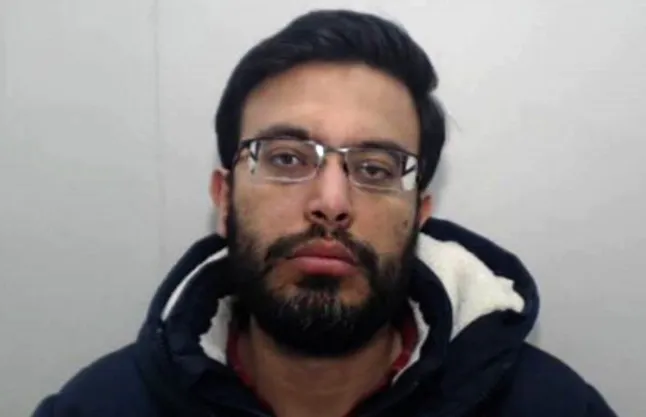
In a case that has sent shockwaves through communities in Manchester and beyond, Umair Iqbal, a 38-year-old private tutor, has been sentenced to 11 years in prison for sexually assaulting five young pupils over a decade. The assaults occurred during what were supposed to be safe, educational sessions in the victims’ homes, where Iqbal taught mathematics and lessons from the Koran.
This betrayal of trust highlights the vulnerabilities children face even in familiar environments, and the sentencing at Manchester Crown Court marks a significant step toward justice for the survivors. Iqbal’s actions not only shattered the lives of his victims but also exposed the darker side of positions of authority within close-knit communities. As details of the case emerge, it serves as a stark reminder of the importance of vigilance, reporting, and multi-agency support in combating child sexual exploitation.
The story began to unravel in October 2020 when one brave 15-year-old victim came forward to the police, breaking years of silence during which she had internalized the blame for the abuse. This initial report triggered a thorough investigation by Greater Manchester Police (GMP), which uncovered four additional victims, including one who had endured the assaults starting at just eight years old.
The victims, all young girls aged between eight and 18 at the time of the offenses, were targeted over a 10-year period. Iqbal, residing on Leicester Road in Cheetham Hill, Manchester, had ingratiated himself into these families’ lives, using his role as a tutor to gain access and exploit their trust.
Following his conviction on 29 out of 30 counts of sexual assault after a grueling four-week trial, Iqbal was handed an 11-year custodial sentence. In addition to the prison term, he must serve three years on license upon release, adhere to an indefinite sexual harm prevention order, and comply with restraining orders protecting his victims and their families.
These measures underscore the court’s recognition of the long-term threat Iqbal poses and the need to safeguard those he harmed. The case, dubbed Operation Ganister by GMP, exemplifies how persistent investigative work can bring hidden predators to light, even years after the crimes began.
The Crimes and Conviction
Delving deeper into the nature of Umair Iqbal’s offenses reveals a pattern of calculated grooming and abuse that exploited the sanctity of home-based education. As a private tutor specializing in maths and religious studies, Iqbal scheduled regular lessons at the victims’ residences, environments where parents felt secure entrusting their children to his care.
This setup allowed him unchecked access, enabling him to perpetrate assaults under the guise of mentorship. The victims, described by Detective Constable Alex Dodd as young Muslim girls from good families, were particularly vulnerable due to cultural and familial expectations that emphasized respect for authority figures like tutors.
The assaults spanned a decade, indicating a sustained campaign of predation rather than isolated incidents. One victim was only eight when the abuse started, highlighting how Umair Iqbal targeted children at their most impressionable ages. The power dynamic was stark: Iqbal positioned himself as a knowledgeable guide in academic and spiritual matters, which made it harder for the victims to recognize or report the wrongdoing.
Many endured the trauma in silence, fearing repercussions such as family blame or community ostracism. This fear was compounded by Iqbal’s strategy of befriending entire families, building a facade of respectability that masked his “sordid sexual agenda,” as DC Dodd aptly put it.
Read : Challenges in Education: Unveiling the World’s Lowest Literacy Rates
The legal proceedings at Manchester Crown Court were intense, culminating in a jury’s verdict that found Iqbal guilty on nearly all counts. The trial lasted four weeks, during which the victims and their families relived painful memories in pursuit of justice. Prosecutors presented compelling evidence, including victim testimonies that painted a vivid picture of manipulation and violation.
Umair Iqbal’s defense likely attempted to cast doubt, but the overwhelming number of convictions—29 out of 30—demonstrates the strength of the case built by GMP’s investigators. Sentencing on Thursday reflected the severity of the crimes. The 11-year jail term, while substantial, is just one facet of the punishment. The extended license period ensures ongoing supervision post-release, reducing the risk of reoffending.

The indefinite sexual harm prevention order imposes lifelong restrictions on Iqbal’s activities, such as prohibiting contact with minors or certain online behaviors. Restraining orders further protect the victims, preventing any future harassment. These elements combined aim not only to punish but to prevent, aligning with broader societal goals of rehabilitation and protection.
This conviction is a testament to the evolution of law enforcement’s approach to sexual offenses. In the past, such cases might have languished due to lack of evidence or victim reluctance, but modern investigative techniques, including digital forensics and psychological support for witnesses, have tipped the scales toward accountability. Operation Ganister, the codename for this probe, symbolizes GMP’s commitment to uncovering layers of abuse that might otherwise remain hidden.
The Victims’ Stories and Impact
At the heart of this tragedy are the five victims, whose courage in coming forward has been pivotal. The first to report, a 15-year-old in 2020, had carried the burden of self-blame for years, a common psychological aftermath of grooming and assault. Her decision to speak out not only liberated herself but also paved the way for others to share their experiences. As the investigation progressed, four more survivors emerged, each with stories of betrayal that echoed similar themes: initial trust in Umair Iqbal as a tutor, gradual escalation of inappropriate behavior, and profound emotional scarring.
One particularly harrowing account involves the youngest victim, abused from age eight. At such a tender age, children are still forming their understanding of boundaries and relationships, making the long-term effects devastating. These assaults could lead to issues like anxiety, depression, trust deficits, and difficulties in forming healthy relationships later in life.
The other victims, ranging up to 18 years old, faced similar traumas, compounded by the fear of not being believed or facing familial disapproval. DC Dodd noted that these girls were “silenced through fear of getting in trouble or being blamed,” a dynamic that predators like Umair Iqbal exploit to maintain control.

The impact extends beyond the individuals to their families and communities. Parents who welcomed Umair Iqbal into their homes now grapple with guilt and shattered illusions of safety. In tight-knit Muslim communities, where tutors often play dual roles in education and faith, this case erodes collective trust. Families described in the police statement as “good” ones—implying stable, supportive households—were blindsided, illustrating how abusers can infiltrate even vigilant environments.
Throughout the investigation and trial, the victims demonstrated remarkable resilience. DC Dodd praised their “determination during the lengthy investigation and four-week trial,” acknowledging the distress involved in recounting traumas in a public forum. Support from families was crucial, providing emotional backing amid the ordeal. This collective strength underscores a positive shift: more victims are finding the support needed to pursue justice, thanks to improved awareness and resources.
The emotional toll, however, cannot be understated. Survivors of child sexual abuse often require long-term therapy to rebuild their lives. In this case, the multi-agency involvement in Rochdale—despite Iqbal’s Manchester address—suggests cross-regional collaboration that could offer ongoing aid. Services like counseling, legal advocacy, and community reintegration programs are vital for healing. The victims’ stories, while painful, inspire others to break silence, potentially preventing future abuses.
Broader Implications and Safeguarding Efforts
Umair Iqbal’s case transcends individual justice, prompting reflection on systemic issues in child protection, particularly within private tutoring and community-based education. The fact that he operated for 10 years undetected raises questions about vetting processes for tutors.
Unlike school teachers, private educators often lack mandatory background checks, leaving families to rely on word-of-mouth or superficial references. This vulnerability is especially pronounced in religious tutoring, where cultural reverence for knowledge bearers can blindside oversight.
DC Dodd’s statement highlights the role of community reputation as a shield for abusers: Iqbal “hid behind his sordid sexual agenda” by leveraging goodwill. This tactic is not unique; similar patterns appear in high-profile grooming scandals. To counter this, communities must foster open dialogues about abuse, educating parents on red flags like excessive familiarity or unsupervised sessions.
The positive outcome credits Rochdale’s complex safeguarding team, a model of multi-agency collaboration. Involving GMP officers, children’s services, youth workers, social workers, health professionals, housing officers, and public protection services, this approach ensures comprehensive support. From initial reporting to trial, victims receive wraparound care, while investigations benefit from diverse expertise. Rochdale’s framework, born from past CSE scandals, demonstrates how lessons from failures can drive effective change.
Broader implications include policy advocacy. Calls for regulated tutoring standards—such as DBS checks, training on boundaries, and reporting mechanisms—could prevent similar cases. Public awareness campaigns, especially in minority communities, can empower victims to speak without fear of stigma. GMP’s encouragement for others affected by Umair Iqbal to report via 101, quoting Operation Ganister, extends the net of justice.
On a societal level, this case reinforces the need for zero-tolerance toward exploitation. It challenges us to prioritize child safety over convenience, ensuring tutors are scrutinized as rigorously as other professionals. The sentencing sends a message: abusers will be held accountable, no matter how embedded they are.
In conclusion, Umair Iqbal’s jailing is a victory for justice, but the real triumph lies in the victims’ bravery and the systemic efforts to protect others. As we move forward, let this serve as a catalyst for stronger safeguards, ensuring no child endures such betrayal in the pursuit of learning.
Your blog has quickly become my go-to source for reliable information and thought-provoking commentary. I’m constantly recommending it to friends and colleagues. Keep up the excellent work!