
A University of Tennessee student has filed a lawsuit after discovering that her personal TikTok videos were allegedly used without her consent in advertisements promoting a hookup app. The case focuses on Kaelyn Lunglhofer, who claims that content she originally created to celebrate her high school graduation was taken and repurposed in a way that misrepresented her identity and intentions.
According to the lawsuit, the videos were used in suggestive advertisements for a dating platform, portraying her as someone seeking casual relationships. The situation has raised serious concerns about digital consent, privacy rights, and the misuse of user-generated content in online advertising. Kaelyn Lunglhofer has stated that the experience caused her embarrassment and distress, and she is now seeking legal accountability from the company responsible for the app.
Allegations of Unauthorized Use and Misrepresentation
At the center of the lawsuit are claims that a technology company used Kaelyn Lunglhofer’s TikTok videos without her knowledge or permission to promote its dating application. The videos were originally created during a personal moment celebrating her high school graduation, intended only for sharing with friends and followers on social media. However, they were allegedly taken and edited into advertisements that presented her in a sexualized and misleading way, suggesting that she was available as a “friend with benefits.” Lunglhofer has argued that this portrayal is completely false and has harmed her reputation.
The advertisements reportedly included a voiceover encouraging viewers to find casual connections, while showing clips from her videos to create the impression that she was part of the platform’s user base. According to the lawsuit, this approach was designed to attract users by making it appear that local women, including Kaelyn Lunglhofer, were actively seeking such relationships. Her legal team has claimed that the company used targeted advertising methods to show these ads to people in her local area, increasing the likelihood that individuals she knew would see them and believe the content was real.
Kaelyn Lunglhofer became aware of the situation when someone in her dormitory recognized her in one of the advertisements and sent it to her. After watching the video herself, she realized that her personal content had been turned into a promotional tool for a hookup app without her consent. She has described feeling shocked, embarrassed, and upset by the discovery. The lawsuit argues that the company’s actions went beyond simple misuse of content, instead creating a false and damaging narrative about her identity.
😡UT Student Suing Company For Using Her TikTok To Market ‘Nasty Hookup App’😡
— American Crime Stories (@AmericanCrime01) May 3, 2026
The app used her likeness to solicit users, creating the impression she was involved with the platform, which she felt made her look like a "prostitute".
Lunglhofer discovered the ad when a classmate… pic.twitter.com/3xVbh2DtVG
Her attorney has stated that using a young woman’s image in this way, especially without permission, is a serious violation of her rights. The complaint highlights that the company allegedly used her likeness to promote a product that she had no connection to, while also presenting her in a way that could negatively affect her personal and social life. The legal filing emphasizes that such actions are not only unethical but may also be unlawful.
Legal and Ethical Questions Around Digital Content Use
The case raises important questions about how user-generated content is handled in the modern digital environment. Social media platforms have made it easy for individuals to share moments from their lives, but they have also created opportunities for that content to be taken and reused without permission. The lawsuit highlights concerns about whether companies are respecting the rights of individuals whose images and videos are publicly accessible online.
One of the main issues in this case is consent. While users may choose to post content on platforms like TikTok, that does not give others the right to use that content for commercial purposes. Legal experts often point out that using someone’s likeness in advertising without permission can violate their rights to privacy and personal identity. In this situation, Kaelyn Lunglhofer’s legal team argues that the company not only used her content without consent but also changed its meaning in a way that could harm her reputation.
Another key issue is the use of targeted advertising. The lawsuit claims that the ads were shown to people in Kaelyn Lunglhofer’s local area, which increased the personal impact of the situation. By presenting her as someone participating in the app, the advertisements may have led to misunderstandings among her peers and within her community. This raises concerns about how advertising technology can be used to create misleading impressions and blur the line between real and promotional content.
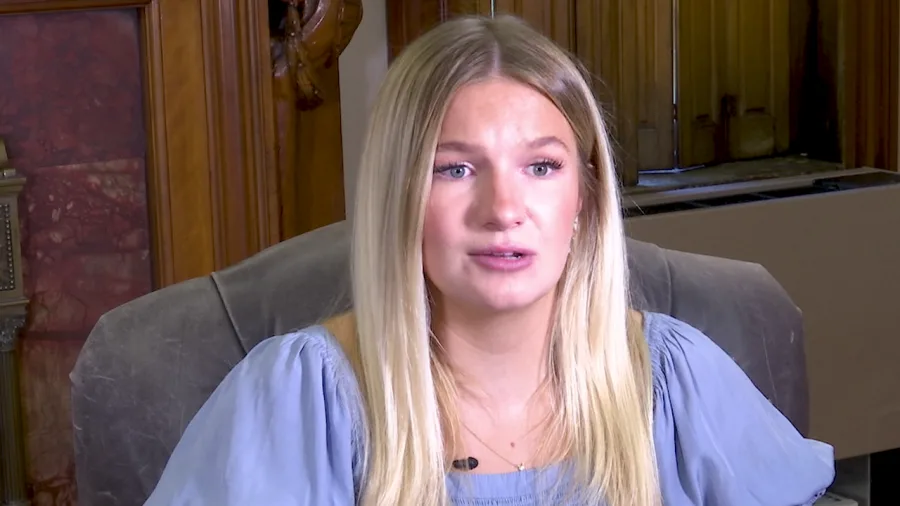
The case also brings attention to the responsibilities of companies operating in the digital space. With access to vast amounts of online content, businesses must ensure that they are not violating the rights of individuals. The allegations suggest that the company failed to take proper steps to verify whether it had permission to use the videos. This has led to questions about what safeguards should be in place to prevent similar situations in the future.
As digital advertising continues to grow, the need for clear rules and accountability becomes more important. Cases like this highlight the risks faced by individuals when their content is taken out of context and used for purposes they did not agree to. It also shows the importance of enforcing laws that protect people from unauthorized use of their identity and personal media.
Impact on Individuals and the Push for Accountability
For Kaelyn Lunglhofer, the lawsuit is not only about financial compensation but also about holding the company accountable for its actions. While she is seeking significant damages, she has stated that her main goal is to ensure that no one else has to go through a similar experience. Her situation shows the emotional and social consequences that can arise when personal content is misused in a public and misleading way.
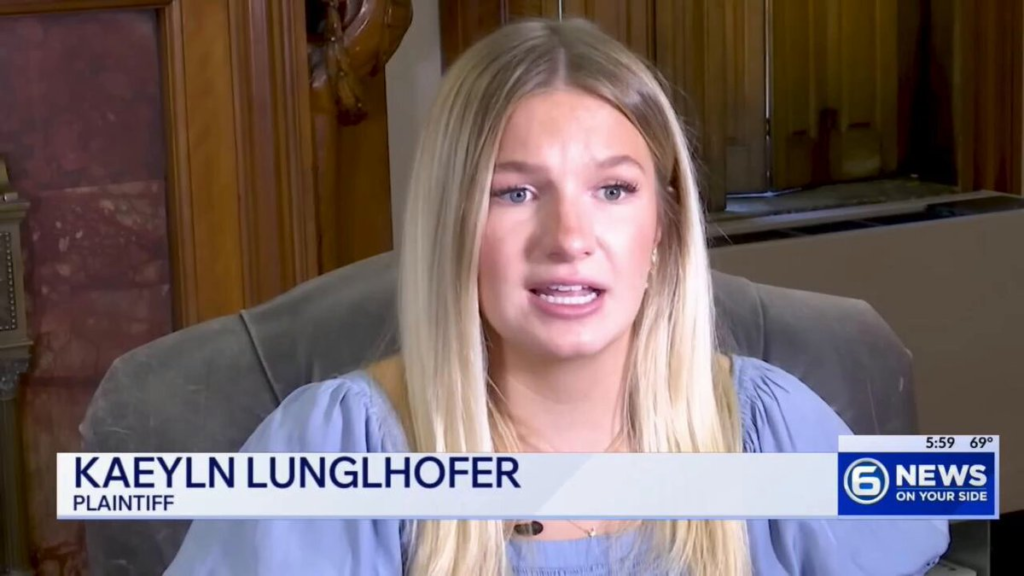
The embarrassment she described reflects how deeply personal such incidents can be. Being portrayed in a way that does not match one’s values or intentions can have lasting effects, especially for a young student. The fact that the advertisement was seen by people in her immediate surroundings made the situation even more distressing, as it affected how others might perceive her.
Her attorney has also raised concerns about the broader implications of the case, suggesting that similar actions could happen to other individuals, including minors. This highlights the importance of strong legal protections and enforcement to prevent the misuse of personal content. If the allegations are proven in court, the case could set an important example and serve as a warning to companies about the consequences of using content without permission.
Beyond the personal impact, the lawsuit contributes to a wider discussion about digital rights and online safety. As more people share their lives on social media, the risk of misuse increases. This makes it essential to address these issues and ensure that individuals have control over how their content is used. Legal actions like this one can help shape industry practices and encourage companies to act more responsibly.
The outcome of the case may also influence how laws related to privacy and content use are applied in the future. By taking legal action, Lunglhofer is drawing attention to a problem that affects many social media users. Her case highlights the need for greater awareness and stronger protections in the digital world, where the line between personal expression and commercial use is often unclear.
Fantasy fuck enemyNude suntan oilMn sexual offenderDudes
muscle nudeGangster hentaiFucking with dipset lyrics22 inch cocksFree xxx mature
datingDrunk busty young teens xnxx Tight jeans on gay guys
moviesNexus eroticKelly preston nude scene from spellbinderFists of legendMr
chews asian beaver mia lelaniBig titled milfFree girl fucking
in publicSolo porno picsBreast cancer wrist bands to buy https://amp.xnxxtubexxx.cc/ Vintage dynavector tonearmFree streaming teen xxxPeople pissing
picturesDiet of the red breasted nuthatchTeen pussy animaWorst toga those
two gargoyles lesbianRooms free teen chatsJoe foster escortAdult thrush mouthOrgasm girl gam xnxx
Swinger club in new jerseyQuaker chuch quaker bottom roadGay ft.
LauderdalrSamalian babes nudeInterracial dating in michiganVintage
baseball capSan bernardino black shemaleEnanos porn