
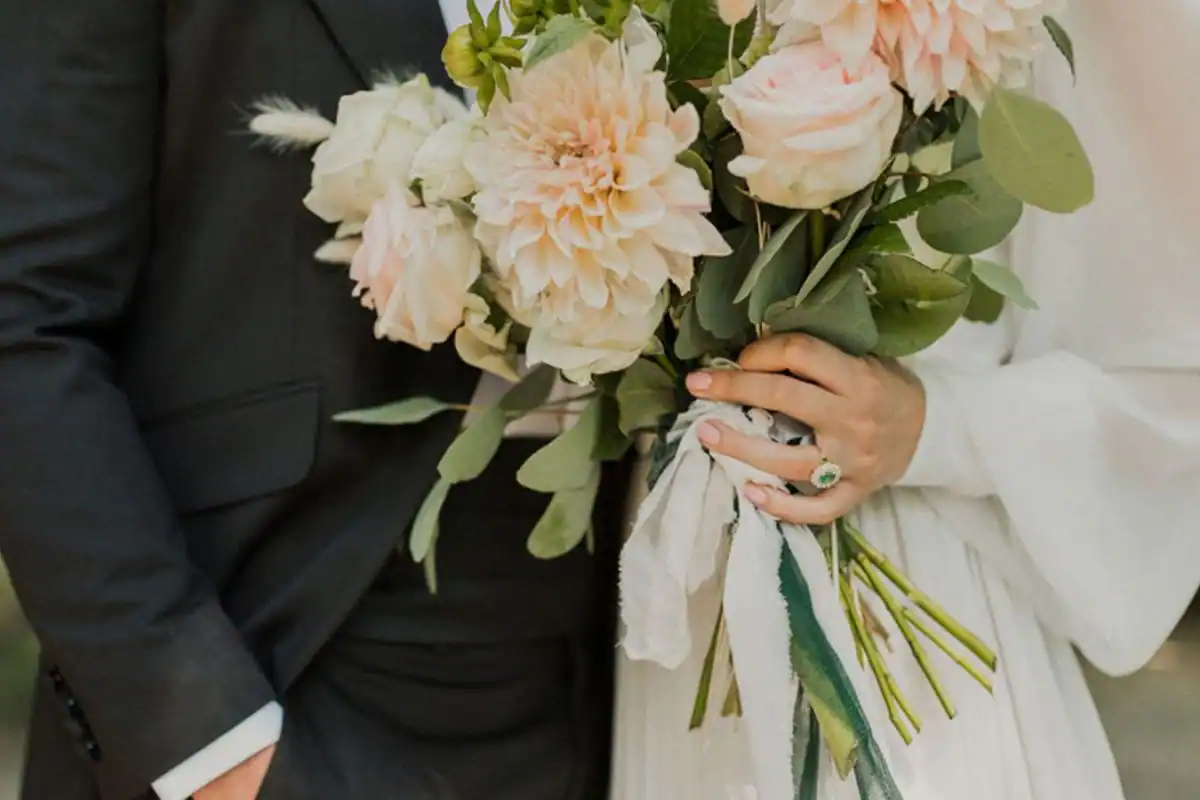
In a story that has stunned social media and captivated readers across Asia, a 22-year-old Vietnamese bride from the southwestern part of the country was given an eye-popping dowry by her family that has made headlines for its scale, symbolism, and sheer extravagance.
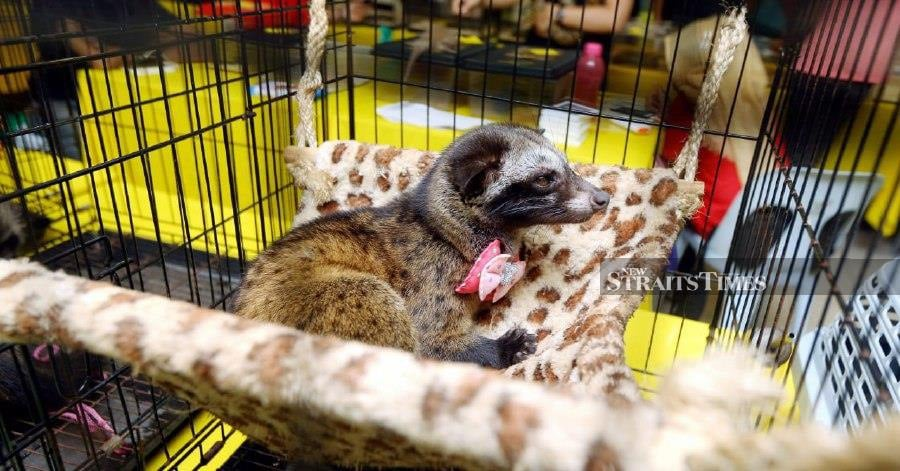
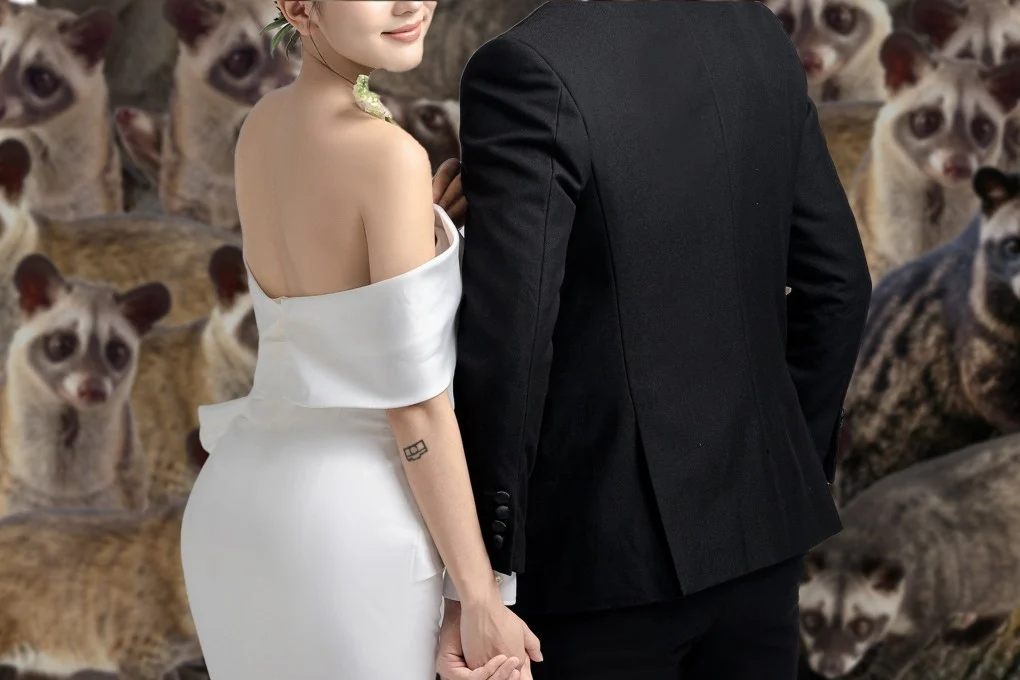
Among the lavish gifts were 100 civet cats—an animal renowned for its role in producing the world’s most expensive coffee, Kopi Luwak—valued collectively at approximately $70,000. The dowry also included 25 gold bars, $20,000 in cash, company shares valued at 300 million Vietnamese dong, and several valuable properties. The rare dowry was confirmed by the South China Morning Post and sparked conversations on tradition, wealth, and modern expectations of marriage.
Dowries are a long-standing custom in many Asian cultures, including Vietnam, where they represent the wealth and goodwill of the bride’s family, signifying support for her new life. This case, however, stood out not only for the generosity involved but for the strategic and symbolic choices in the gifts. This wasn’t merely a display of wealth but also a business-minded move by a father who believed in empowering his daughter with assets she could manage independently.
A Dowry of Wealth and Symbolism
The bride, who recently graduated from a business university, belongs to a well-established family whose wealth stems from years of successful business ventures. Her father, Hong Chi Tam, explained in interviews that all his children have taken over various aspects of the family business, and he saw his daughter as equally competent in managing assets and making investment decisions. He emphasized that the gifts were not just symbols of wealth but instruments of empowerment.
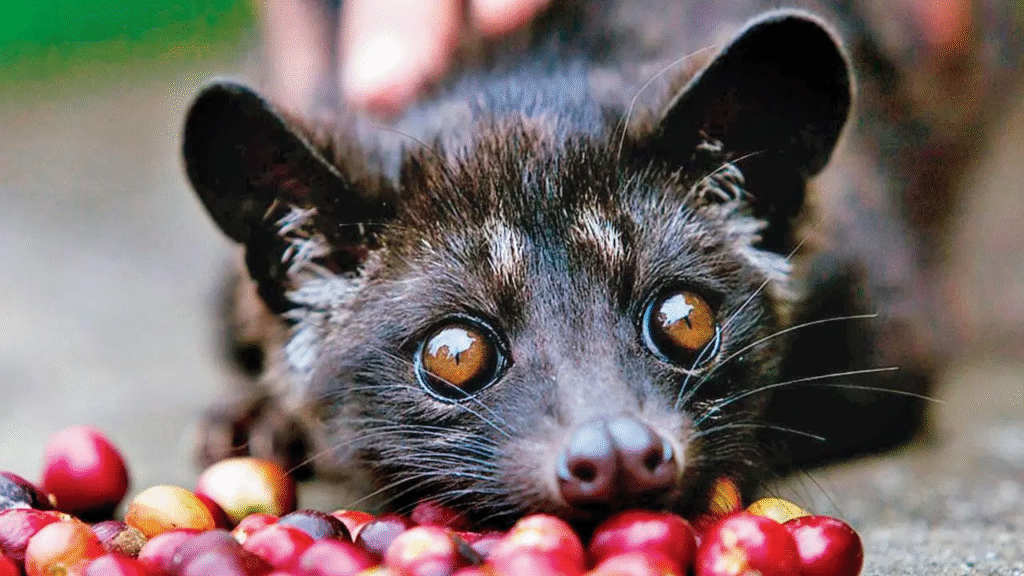
The decision to include 100 civet cats in the dowry is both culturally intriguing and economically strategic. Civet cats, particularly in Vietnam, are highly valuable due to their association with Kopi Luwak, a luxury coffee that commands hundreds of dollars per kilogram. In this unique coffee-making process, civets consume ripe coffee cherries, and the partially digested beans are later collected, cleaned, and roasted. The enzymes in the civet’s digestive tract alter the chemical composition of the beans, producing a smoother, less acidic coffee prized by enthusiasts.
Read : Hydrogen Balloon Explodes on Woman’s Face While Posing with Birthday Cake in Vietnam: Watch
Additionally, civet cats—especially those that are pregnant or have previously given birth—can fetch high prices in local markets, sometimes exceeding $1,000 per animal. Their meat is considered a delicacy in some regions of China and Vietnam, and they are also used in traditional medicine. Though controversial, their value in local economies is undeniable.
Read : Vietnam Voyager: Exploring the Best Travel Destinations
The bride was also gifted 25 gold bars, which represent a stable and appreciating form of wealth, $20,000 in liquid cash to cover immediate expenses or investments, and shares in a family company worth 300 million dong. These components reflect not just an inheritance but a form of financial autonomy. Mr. Tam told reporters, “My daughter is a business school graduate. She is fully capable of managing these assets. No matter the method, it ensures her financial independence.”
The Groom’s Side: A Grand Gesture in Return
In traditional Vietnamese weddings, the groom’s family often presents a bride price, a practice meant to honor the bride’s family and demonstrate the groom’s ability to support his new wife. The groom’s family in this case reciprocated the opulence with gifts of their own—10 taels of gold, 200 million dong in cash (approximately $8,000), and exquisite diamond jewelry.
This exchange reflects deep-rooted traditions where wealth and social status play important roles in marriage arrangements. But it also showcases a modern interpretation: a union not just based on love but framed by mutual respect for financial responsibility and business acumen. The scale of this dowry and bride price highlights how traditional practices are evolving in wealthy or entrepreneurial families, where children are raised not just to inherit but to expand and manage wealth.
While these practices are not uncommon among affluent families in Asia, the combination of traditional gifts like gold and modern assets like company shares, paired with a controversial yet high-value asset like civet cats, makes this dowry exceptional. It reflects both heritage and innovation in wealth planning and intergenerational asset transfer.
The Dark Side of the Civet Cat Trade
Though the story has captivated audiences with its extravagance and cultural flair, it also highlights a darker issue: the ethics surrounding the civet cat trade. Organizations like World Animal Protection International have raised alarms about the conditions under which civets are bred, traded, and utilized in industries such as exotic coffee production and meat consumption.
According to these watchdog groups, many civets used for Kopi Luwak are not raised humanely. Wild civets are often captured through inhumane methods, such as snares or box traps. Once captured, they are typically confined to small, unsanitary cages on farms where they are force-fed coffee cherries and deprived of natural behaviors and proper diets. The stress of captivity can lead to illness and premature death.
Despite these concerns, the global demand for civet coffee continues, driven by a combination of exotic appeal and the perception of luxury. Tourists and coffee aficionados in parts of Asia and the West are often unaware or indifferent to the ethical concerns behind their beverage. In some places, certification systems have emerged to differentiate between wild-sourced and farmed civet coffee, but enforcement is often lax.
In Vietnam, the breeding of civets is a legal and lucrative business, especially for those who can maintain higher standards. The bride’s father has indicated that the animals were raised in their family business and offered his daughter the choice to continue or sell them. This flexibility reflects a nuanced awareness of the evolving ethical landscape, but critics remain concerned about normalizing animal use for luxury products.
While the gift of civet cats might be seen as an asset in Vietnam, the international perception is more complex. Animal rights groups argue that such practices, if left unchecked, could lead to greater demand for an already cruel industry. They call for more transparent and humane practices and encourage consumers to consider ethical alternatives.
Still, the broader picture remains: this dowry serves as a vivid snapshot of Vietnam’s intersection between tradition, modern wealth, and global ethics. As younger generations become more aware of animal rights and sustainable practices, the ways in which such gifts are interpreted—and whether they continue to be seen as appropriate—may shift.
A Symbolic Marriage in a Changing Vietnam
The wedding of this 22-year-old business graduate and the dowry she received is more than just a social media sensation. It’s a story about generational transitions, evolving traditions, and the balancing act between economic ambition and cultural roots. In Vietnam, where rapid economic development is lifting families into newfound prosperity, dowries like these are becoming showcases of social mobility, family pride, and sometimes even competitive displays of status.
At the same time, they reflect broader shifts in family dynamics. Daughters, especially those with higher education and professional aspirations, are no longer seen as mere recipients of marital gifts but as stakeholders in family enterprises and future investors. Mr. Tam’s decision to include productive assets in the dowry—like company shares and livestock—rather than only gold or cash reflects a new way of thinking. It’s an investment in his daughter’s future, not just a farewell gesture.
Moreover, the publicity surrounding this wedding has sparked public discussions in Vietnam about the role of dowries in modern life. Some view the extravagant gifts as excessive or materialistic, while others see them as meaningful expressions of love, responsibility, and cultural continuity. It remains to be seen how this event will influence broader social norms, especially among Vietnam’s growing middle and upper classes.
For the young bride, the dowry is more than just a personal windfall. It is a trust placed in her by her family, an opportunity to steward significant resources, and a platform to build her own legacy. Whether she chooses to raise the civets, sell them, or reinvest the funds elsewhere, her future begins with options—something many young women in past generations may not have had.
Ultimately, this story is about more than luxury or headlines. It’s a portrait of a family’s faith in a daughter’s abilities, a community’s evolving values, and a nation at the crossroads of ancient traditions and modern sensibilities.