

Russian-American prankster and social media influencer Vitaly Zdorovetskiy is once again at the center of controversy, but this time, the stakes are far more serious than ever before. The popular yet divisive YouTuber is facing up to 18 months in a Philippine prison after a series of disturbing incidents during a live stream that allegedly involved harassment of local security guards.
While Zdorovetskiy has built his online reputation through stunts and boundary-pushing pranks, his latest escapade may result in real prison time in a country that takes public order violations seriously. The arrest, charges, and potential consequences have sparked intense debate across online platforms, with questions raised about accountability, international law, and influencer culture.
Arrest in Manila: What Triggered the Legal Fallout
The trouble for Vitaly Zdorovetskiy began in early April during a live stream on the platform Kick. The 32-year-old influencer was broadcasting live from Bonifacio Global City (BGC), a commercial and residential district in Manila, Philippines. Known for his over-the-top antics and disregard for boundaries, Vitaly’s behavior during this stream crossed several legal and ethical lines, according to local authorities.
Philippine Interior Secretary Jonvic Remulla addressed the incident publicly, stating that Vitaly was seen on camera engaging in “multiple disruptive and inappropriate acts.” Among these were allegedly attempting to kiss a security guard, trying to take his service firearm, mocking and verbally abusing other guards, taking unauthorized photos, and vlogging without official permits in a restricted area. The live nature of the content only intensified the backlash, as thousands of viewers watched the chaos unfold in real-time.
Authorities wasted no time in taking action. Zdorovetskiy was swiftly arrested by local law enforcement and detained for questioning. The charges that followed—three counts of “unjust vexation”—are specific to the Philippine legal system, targeting actions that cause irritation or annoyance without sufficient justification. While the term may sound minor to outsiders, unjust vexation is considered a criminal offense in the Philippines and carries significant legal consequences.
This is YouTube streamer Vitaly Zdorovetskiy who harrassed Filipinos during a livestream in BGC. Please @immigPH, @CIDG_PNP hunt this foreigner down and charge him with every relevant crime. Don’t let him do this to Filipinos in their own country. pic.twitter.com/ORVyJQmrqA
— Gerry Cacanindin (@GerryCacanindin) April 1, 2025
His arrest didn’t just come from this one incident either. Reports suggest a pattern of problematic behavior while in the country. In Boracay, a famous island destination, Vitaly allegedly insulted a surfing instructor and later encouraged his followers to post negative reviews of the business online—yet another example of his combative interaction with locals.
Understanding the Charges and the Philippine Legal System
The legal charge of “unjust vexation” may be unfamiliar to non-Filipinos, but it plays a notable role in the country’s judicial landscape. It encompasses a range of behaviors considered irritating, harassing, or otherwise offensive, even if not rising to the level of violence or overt threats. This broad scope means prosecutors often use unjust vexation as a way to hold individuals accountable for public misconduct that may not neatly fall into more conventional categories like assault or theft.
In Vitaly’s case, his physical actions and verbal exchanges with the security personnel reportedly crossed the threshold into criminal territory. The fact that the behavior was broadcast live also removes much ambiguity; authorities have visual evidence of his conduct, which may make the prosecution’s case easier.
Read : Bizarre! You Need A Permit To Wear High Heels in This Town of California
Legal analysts, including Legal Mindset—a YouTube-based legal commentary channel—suggest that unjust vexation is one of the easiest offenses to prosecute in the Philippines. “They’re starting with the simplest thing to prove,” the analyst noted, but warned that the authorities are not limited to these charges and could escalate the case depending on further evidence and testimonies.
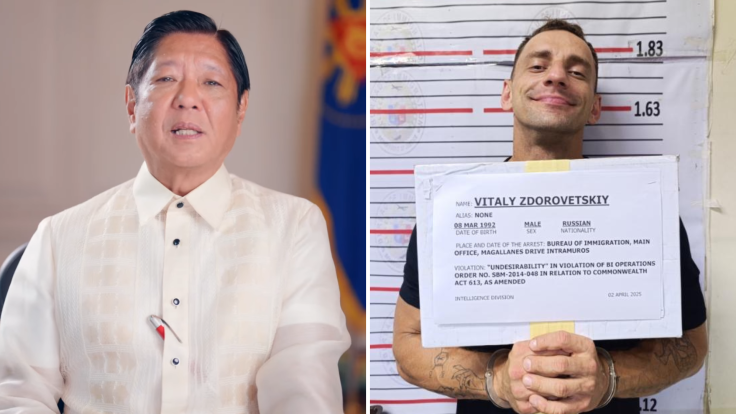
While Zdorovetskiy’s legal team has filed for bail, his foreign citizenship complicates matters. In the Philippines, bail is not a guaranteed right for foreign nationals, especially if there is a flight risk or if the offense is deemed serious enough to warrant detention. The risk that Vitaly could flee the country to avoid prosecution is very real, which might lead judges to err on the side of caution.
Adding further weight to the seriousness of the case, various Filipino officials have gone on record criticizing the behavior and calling for strict enforcement of local laws. The country’s government has made it clear that foreigners are expected to respect the nation’s laws, culture, and people—an expectation Zdorovetskiy is accused of flagrantly violating.
The Broader Implications: Fame, Entitlement, and Accountability
Vitaly Zdorovetskiy is not just another tourist behaving badly. With millions of followers across social media platforms and a long history of outrageous public stunts, he’s part of a larger phenomenon—the influencer culture where boundaries are often pushed for clicks, engagement, and viral fame. But as more influencers take their antics abroad, legal systems around the world are increasingly drawing lines in the sand.
For years, Zdorovetskiy has built his brand on shock value. From streaking at the NBA Finals and climbing the Hollywood sign to interrupting the 2022 World Cup final, he’s repeatedly tested the limits of legality and social decorum. Many of his fans celebrate him for his rebellious nature, but critics argue that such behavior often borders on disrespect and endangerment.
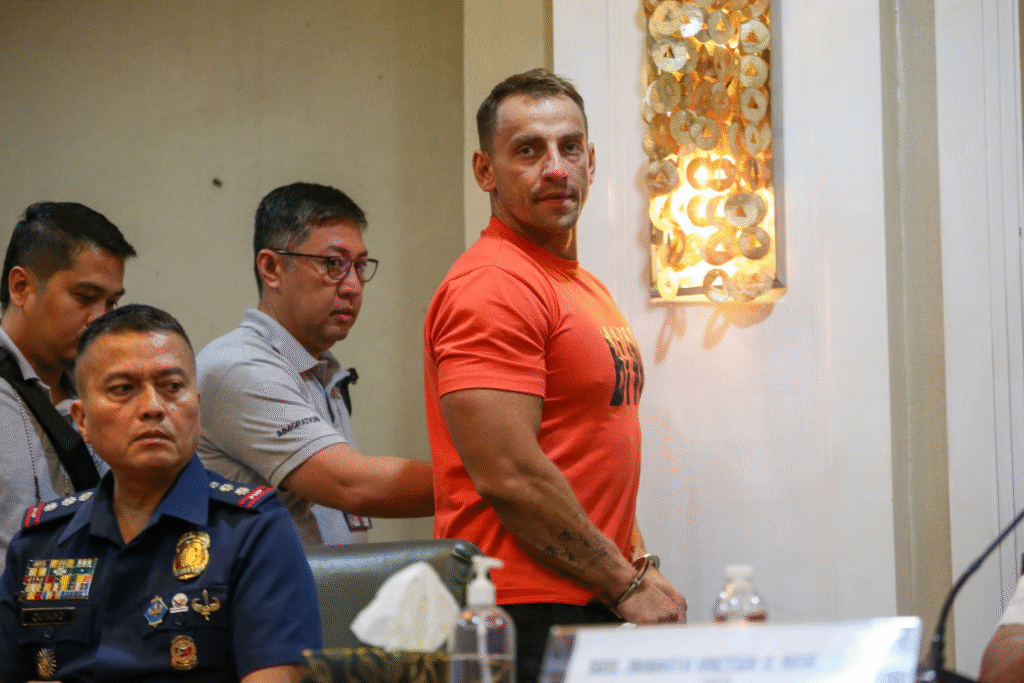
This latest incident is perhaps the clearest example of when entertainment turns into criminal liability. In a foreign country with strict public order laws, antics that might be tolerated or merely frowned upon elsewhere can have severe consequences. The Philippines, in particular, is known for upholding a conservative legal system with strict enforcement, especially in cases involving foreign nationals.
There’s also a question of ethical responsibility. Social media platforms like Kick and YouTube have monetized outrageous behavior, providing creators with strong financial incentives to constantly outdo their last stunt. But when those stunts come at the expense of public safety and respect for local cultures, there’s an urgent need for both the platforms and the creators to reflect on the long-term consequences.
Furthermore, Zdorovetskiy’s actions have drawn diplomatic attention. Reports indicate that Russia has disowned him, meaning he may have little to no consular support from his birth country. Meanwhile, the United States has yet to publicly comment, likely because the charges don’t fall under any urgent diplomatic concern. This diplomatic limbo could isolate Vitaly even further as he navigates the Philippine legal system alone.
Whether or not Zdorovetskiy serves the full 18 months, this case sends a message to other influencers: fame does not place you above the law. While the digital world may reward controversy and spectacle, the real world still operates under rules that demand accountability, especially when those rules are broken in someone else’s country.
As the legal proceedings unfold, Vitaly’s case may well become a defining moment in how countries respond to disruptive foreign influencers. For the millions who followed his career for entertainment, this might be the turning point that shows what happens when online fame collides with offline responsibility.