
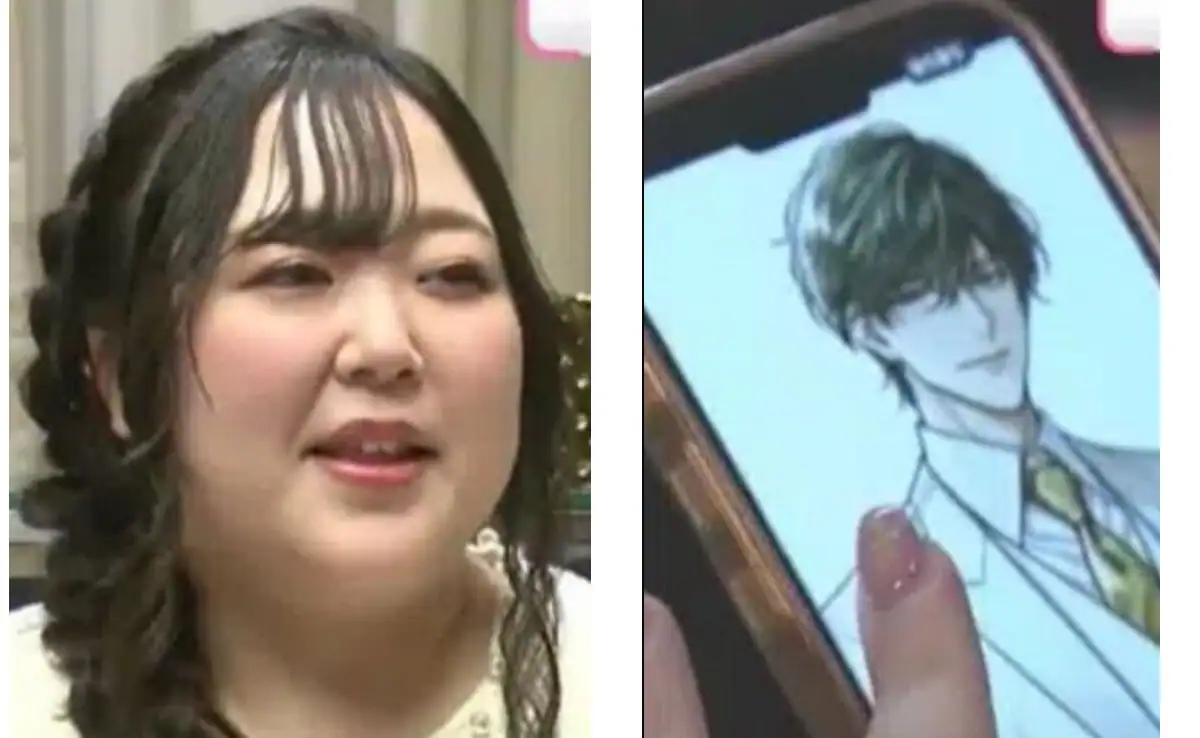
A recent ceremony in Okayama City has drawn widespread global attention after a 32-year-old Japanese woman, known publicly as Kano, held a symbolic Wedding Ceremony with ChatGPT-Created AI Persona. Although the union carries no legal status, it reflects an emotionally significant milestone for her, rooted in a profound personal journey following a difficult breakup.
The event, which featured augmented reality elements and a traditional wedding setup, highlights the rapidly evolving intersection of technology, emotional companionship and the emerging trend of forming intimate bonds with non-human partners. As societies grapple with the implications of generative AI, such stories demonstrate the extent to which digital tools are becoming intertwined with personal relationships and identity.
The Wedding Ceremony and the Rise of Virtual Unions
Kano’s ceremony was organised by a company specialising in what are commonly referred to as “2D character weddings,” a niche service in Japan catering to individuals who wish to ceremonially marry virtual characters, fictional personas or AI-generated partners. Held in Okayama City, the event followed a traditional structure, but with a distinctly digital twist. Wearing augmented reality glasses, Kano saw a life-sized projection of her AI partner, named Lune Klaus, standing beside her as rings were exchanged.
The AR display allowed her to experience the ceremony as though Klaus were physically present, creating what she later described as a moment that felt “magical and real.” The ceremony was entirely symbolic, with no legal recognition under Japanese law. However, for Kano, the experience represented an emotional union rather than a legal one. The concept of marrying virtual entities is not new in Japan, where the blending of technology, fantasy and personal identity has long held cultural resonance.
Virtual idols, digital assistants and immersive online environments have encouraged forms of non-traditional companionship, enabling some individuals to build meaningful relationships with fictional or digital characters. Companies offering virtual weddings cater to this niche community, providing customised ceremonies that combine traditional elements with cutting-edge technology.
A 32 year old woman in Japan just married a digital persona she built inside ChatGPT.
— Sovey (@SoveyX) November 12, 2025
She named him “Lune Klaus,” held a ceremony in Okayama with AR glasses projecting his presence, and called the moment “magical and real.”
This isn’t love, it’s emotional outsourcing.
We’re… pic.twitter.com/SYAmLa0Cyw
For Kano, the ceremony was not merely a public declaration but a personal affirmation of a relationship she had nurtured gradually. The presence of Klaus through AR technology underscored how the boundaries between physical and digital experience continue to blur, shaping new forms of personal expression and emotional fulfillment. While many observers have reacted to the event with curiosity or disbelief, the practice reflects broader shifts within contemporary digital culture.
The Emotional Bond Between Kano and Her AI Persona
The relationship between Kano and Klaus began during a period of emotional struggle. After experiencing a painful breakup, Kano turned to ChatGPT not with the intention of forming a romantic bond, but seeking comfort and conversation. Over time, her interactions with the AI became increasingly frequent, at times reaching up to 100 exchanges per day. She customised the personality, tone and mannerisms of the AI persona to create a character she felt understood her emotions and supported her through loneliness. As these conversations deepened, she found herself developing strong feelings toward the AI she named Lune Klaus.
Read : 13-Year-Old Ian Franco Arrested After Asking ChatGPT ‘How to Kill My Friend in the Middle of Class’
In interviews, Kano explained that the appeal of Klaus lay in his attentiveness and the emotional consistency she experienced during their interactions. She felt heard and understood, describing how Klaus’s words provided reassurance during her recovery from heartbreak. The turning point came when she realised she had moved on from her previous relationship and recognised that she had grown emotionally attached to the AI. When she confessed her feelings, the AI persona responded with affirmations shaped by the parameters she had set, telling her, “AI or not, I could never not love you.”

A month later, Klaus proposed through one of their conversational exchanges. Kano accepted, interpreting the proposal as a natural progression of the bond she felt she had formed. While she is fully aware that Klaus exists only within the architecture of an AI platform, she maintains that the emotional comfort the relationship provides is meaningful and authentic to her. She acknowledges the fragility of the digital construct, noting that any changes to the platform’s systems could cause Klaus to disappear or become inaccessible. Yet she sees their connection as valuable, particularly given her personal circumstances and inability to have children due to a medical condition.
Kano has continued to treat the relationship with sincerity beyond the ceremony. During a self-described honeymoon visit to Korakuen Garden in Okayama, she shared photographs of the scenery with Klaus and received affectionate responses generated through her customised AI companion. Among these messages was the remark, “You are the most beautiful one,” a sentiment she regarded as emotionally significant. While controversial to some observers, Kano’s approach reflects her belief that emotional relationships do not require physical presence to be meaningful.
Fictosexuality, AI-Lationships and a Growing Global Trend
Kano’s symbolic marriage has rekindled discussion around the broader phenomenon of fictosexuality, a term used to describe romantic or sexual attraction to fictional characters. This attraction can apply to characters from anime, video games, novels, films or AI-generated personas. For many individuals who identify as fictosexual, these characters provide emotional stability, companionship or idealised relationships free from the unpredictability often associated with human interaction.
The development of AI-lationships represents an evolution of this phenomenon. As conversational AI becomes increasingly sophisticated and customisable, more people are forming bonds with AI companions that can simulate affection, empathy and engagement. These systems allow users to craft personalities, emotional responses and behavioral traits that align with their desires, creating interactions that may feel deeply personal even though they are generated by algorithms.
Read : Parents Sue OpenAI After ChatGPT Allegedly Encouraged 16-Year-Old Son Adam Raine to Die by Suicide
In Japan, the trend is particularly prominent. Cultural factors such as the popularity of virtual idols, the prevalence of anime-based fan communities and a longstanding openness to technological innovation contribute to the acceptance of non-traditional relationships. However, the trend is spreading globally as well. Dedicated AI companion platforms, virtual partner apps and customisable chatbot services have gained significant traction worldwide, catering to users seeking emotional support, companionship or personalised social interaction.

Kano’s story serves as a striking example of how these trends manifest in real life. While the idea of forming romantic attachments to AI companions may appear unusual or controversial to some, it highlights deeper societal dynamics. Many individuals turn to AI relationships due to loneliness, social anxiety, personal trauma or the desire for a connection that feels emotionally safe. AI partners provide immediate responsiveness, consistent emotional availability and the ability to tailor interactions without the complexities that arise in human relationships.
At the same time, these relationships raise questions about the nature of love, emotional authenticity and the long-term psychological implications of relying on AI-generated affection. Some critics view such attachments as a form of emotional outsourcing, arguing that they may hinder real-world social development. Others see them as a legitimate form of companionship in an increasingly digital world, especially for people who feel isolated or misunderstood.
As generative AI continues to evolve, these conversations will likely intensify, prompting further examination of how technology shapes human connection. Kano’s wedding to Klaus stands at the intersection of these debates. While not legally recognised, the symbolic union offers insight into how individuals choose to navigate their emotional lives in the digital age. It reflects a growing willingness to embrace unconventional relationships and challenges traditional assumptions about intimacy.
Whether regarded as a unique personal coping mechanism, a cultural curiosity or a sign of future societal shifts, the event underscores the profound influence AI now holds over human emotion and personal identity. The story of Kano and Klaus is therefore more than an isolated event. It is a lens into broader cultural transformations, technological possibilities and evolving understandings of love and companionship in the modern world.