
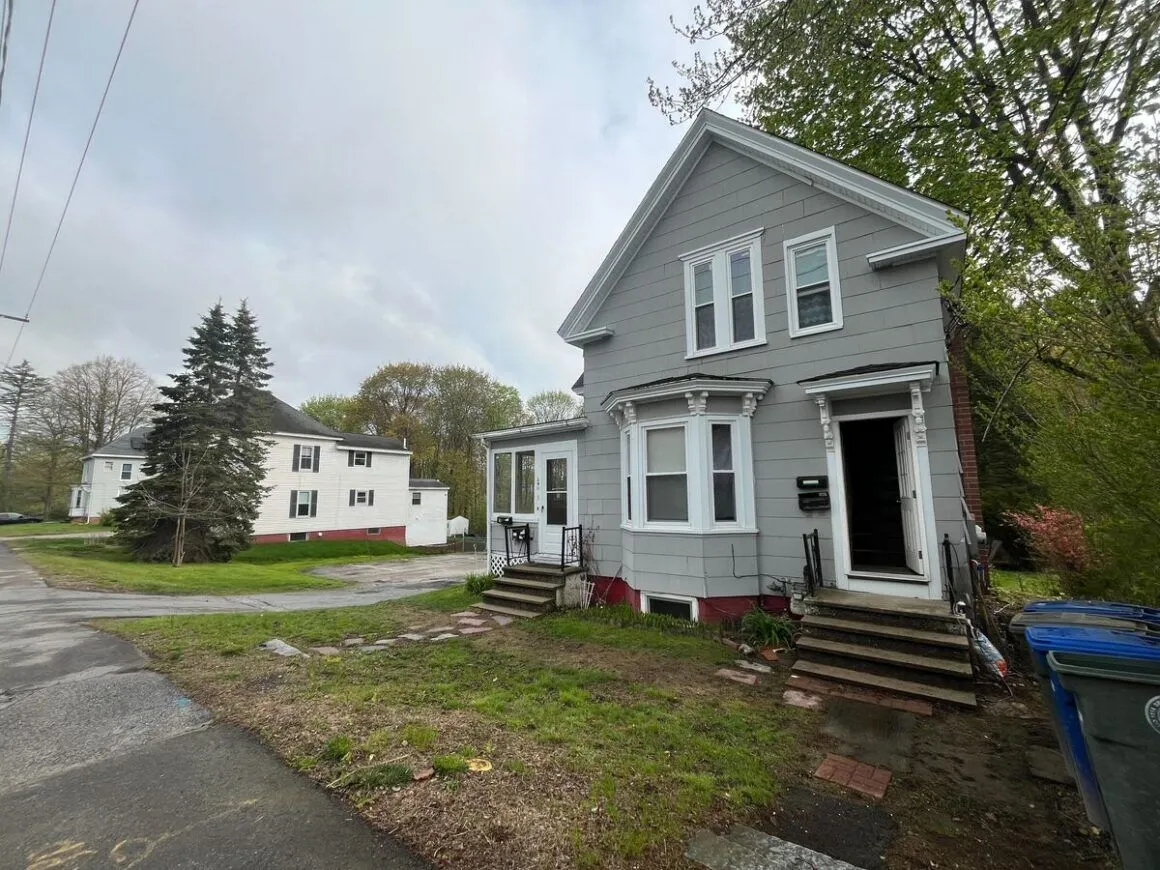
The criminal case involving Willie Banks has drawn attention far beyond Maine after court filings revealed that police officers monitored his home through a neighbor’s security camera for more than three years without obtaining a warrant. The surveillance arrangement, which remained undisclosed for much of the legal proceedings, is now at the center of a constitutional challenge that raises broader questions about privacy rights, digital surveillance, and the limits of police authority in the modern era.
Banks was arrested in March 2024 after a shooting incident outside his apartment in Westbrook, Maine. Authorities charged him with aggravated reckless conduct and illegal possession of a firearm after officers reviewed surveillance footage connected to the case. At first glance, the arrest appeared to be a routine criminal investigation supported by neighborhood camera footage. However, the situation changed dramatically once the defense discovered that law enforcement officers had been using a nearby resident’s camera to observe Banks’ property on an ongoing basis since early 2021.
According to defense filings, the surveillance was not occasional or incidental. Instead, it allegedly involved repeated access to a private security camera that provided police with a direct view of Banks’ home and activities over several years. The arrangement reportedly allowed officers to monitor the property without seeking judicial approval or informing the court during the prosecution process. Banks’ attorney argues that the hidden surveillance violated the Fourth Amendment protections against unreasonable searches and seizures and may have tainted the evidence used to justify further police action.
The revelations have sparked legal and public debate over how far law enforcement agencies can go when using private surveillance technology supplied by citizens. As security cameras become increasingly common in neighborhoods across the United States, courts are facing difficult questions about whether continuous digital monitoring by police should require stricter oversight.
How the Long-Term Surveillance Arrangement Was Revealed
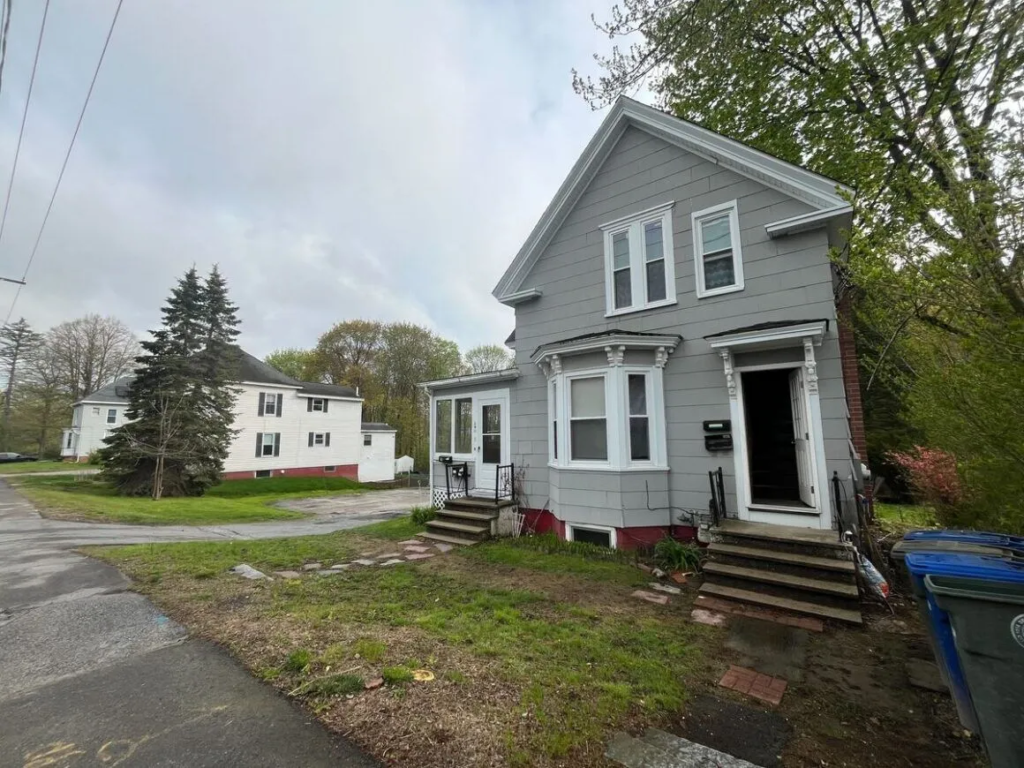
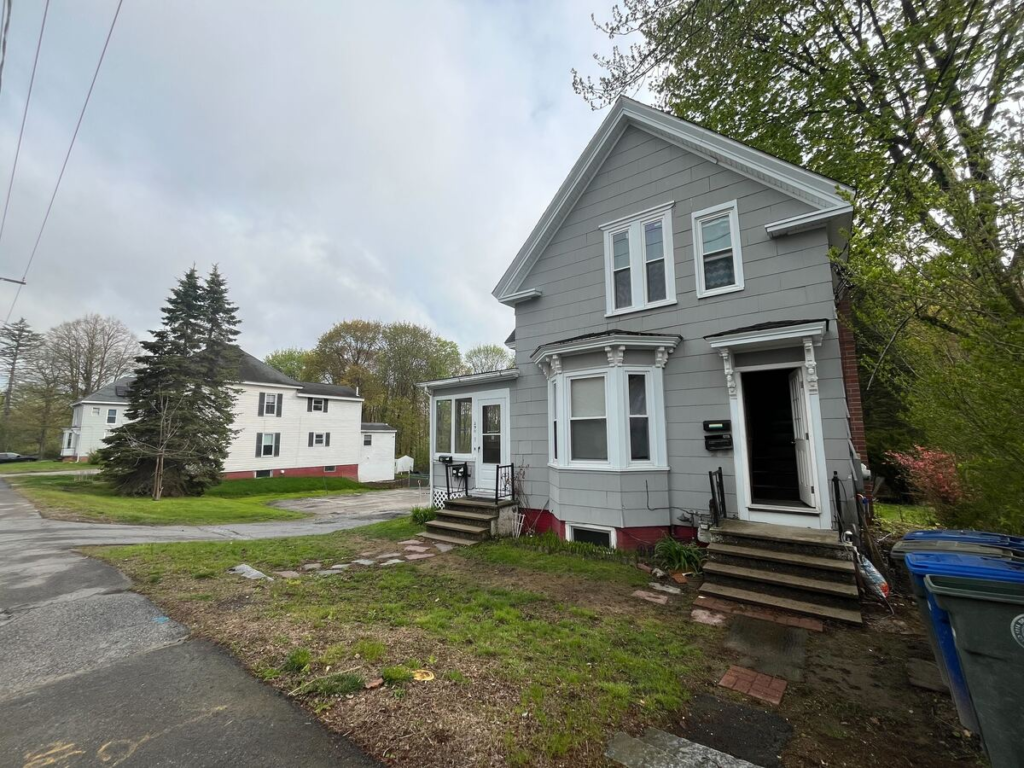
The controversy surrounding the case began to unfold after defense attorney Heather Gonzales discovered details about the relationship between law enforcement and Banks’ neighbor. According to court documents, the neighbor, who worked in public safety in the town of Windham, installed a security camera in January 2021 with a direct vantage point toward Banks’ residence on Cumberland Street in Westbrook.
The neighbor allegedly provided access credentials to Westbrook police officer and Maine Drug Enforcement agent Phil Robinson. Through that arrangement, Robinson was able to remotely monitor the camera feed over an extended period of time. Court filings claim he viewed the footage with “some regularity” during the three-year period before Banks’ arrest.
Defense attorneys argue the camera’s position provided a perspective that ordinary members of the public would not have had access to, making the surveillance far more intrusive than casual observation from a public street. Gonzales contends that officers effectively gained long-term digital access to Banks’ private movements and activities without ever obtaining a search warrant.
The arrangement remained largely unknown during the early stages of the criminal proceedings. It was only after an FBI interview in May 2024 that the surveillance history reportedly became clear to the defense. Gonzales later filed a motion seeking sanctions against prosecutors, arguing that critical information about the monitoring should have been disclosed much earlier.
The motion states that Robinson played a key role in identifying Banks in the surveillance footage connected to the March 2024 shooting incident. According to court records, the video quality was poor and difficult to interpret. Robinson allegedly identified Banks based on his familiarity with him from prior police work. Gonzales argued that this identification became central to establishing probable cause against her client.
Read : 62-Year-Old Lucinda Bailey Shot and Killed by Upstairs Neighbor
Without Robinson’s recognition of Banks, the defense claims the footage would have remained “otherwise indecipherable.” That identification was later used to secure a search warrant for Banks’ residence, where police reportedly discovered a firearm that became part of the criminal case against him. The defense now argues that if the surveillance itself violated constitutional protections, then evidence gathered afterward could also be subject to challenge under legal doctrines that prohibit evidence obtained through unlawful searches.
The issue has placed renewed attention on how police departments interact with privately owned surveillance systems. Across the country, law enforcement agencies increasingly rely on home security cameras, license plate readers, and neighborhood monitoring systems to investigate crimes. Critics, however, argue that long-term warrantless access to such systems risks creating a form of mass surveillance that was never envisioned under traditional policing standards.
The Constitutional Questions Raised by the Willie Banks Case
At the heart of the legal battle is the question of whether continuous access to a private surveillance camera constitutes a search under the Fourth Amendment. The amendment protects Americans against unreasonable searches and seizures and generally requires law enforcement to obtain a warrant before intruding into areas where people have a reasonable expectation of privacy.
Gonzales’ motion draws comparisons to a major United States Supreme Court decision involving cellphone location data. In that case, the court ruled that obtaining extensive digital records tracking a person’s movements without a warrant violated constitutional protections. The ruling acknowledged that advances in technology allow authorities to collect massive amounts of information about individuals in ways that were previously impossible.
Read : 34-Year-Old Akeem Alexander Accused of Stabbing Neighbors After Their Dog Urinated on His Lawn
Defense attorneys argue that the same reasoning should apply in Banks’ case. They contend that prolonged, technology-assisted monitoring transformed the neighbor’s camera into a sophisticated surveillance tool that enabled police to build a detailed picture of Banks’ activities over time. Unlike a police officer occasionally driving through a neighborhood, the camera allegedly offered continuous observation capabilities.
Gonzales argues that this type of persistent surveillance crosses constitutional boundaries because it allows authorities to monitor someone’s life in a far more invasive and systematic manner than traditional observation methods. Legal experts have increasingly debated how courts should treat modern surveillance technologies. Security cameras are now common in residential neighborhoods, businesses, apartment buildings, and public spaces. Many systems provide high-definition recording, remote access, motion tracking, and cloud-based storage that can preserve months of footage.
Police departments often encourage residents to share footage during investigations, particularly after crimes occur nearby. In some communities, authorities partner with camera companies or neighborhood groups to create voluntary surveillance networks. Supporters argue these tools help solve crimes quickly and improve public safety. However, critics warn that unrestricted access to private surveillance systems can erode constitutional protections if police bypass judicial oversight. The concern becomes especially significant when monitoring extends over long periods rather than targeting a specific incident.
In Banks’ case, the defense argues the surveillance was not limited to investigating a single crime. Instead, it allegedly involved years of ongoing observation without court approval. That distinction may prove critical as the legal battle moves forward. Another issue raised by the defense involves disclosure obligations during criminal proceedings. Gonzales claims prosecutors failed to reveal the full nature of the surveillance arrangement early in the case. If the court determines that key information was withheld improperly, it could affect how evidence is handled and potentially impact the prosecution itself.
Prosecutors and officials connected to the case have largely declined public comment because the matter remains active in court. Assistant U.S. Attorney Peter Brostowin and representatives from the Maine Drug Enforcement Agency did not publicly address the allegations. Westbrook Police Chief Sean Lally also reportedly did not respond to requests for comment regarding the surveillance claims. The lack of official explanation has fueled further scrutiny from civil liberties advocates and legal observers who believe the case may eventually influence how courts interpret digital surveillance practices nationwide.
Why the Case Could Have Broader Implications for Digital Privacy
The Willie Banks case reflects a growing national debate over privacy in an age where cameras and digital monitoring systems are nearly everywhere. What once required teams of investigators conducting physical surveillance can now be achieved through remotely accessed cameras operating continuously in residential areas. As more Americans install home security systems, the line between private property protection and government surveillance has become increasingly blurred. In many cases, neighbors voluntarily provide footage to police after crimes occur nearby.
Those interactions generally attract little controversy because they involve specific incidents and limited periods of review. The Banks case is different because the defense alleges police maintained direct access to the camera for years. That long-term arrangement has raised fears about the possibility of warrantless digital monitoring becoming normalized through informal partnerships between law enforcement and private citizens.
Civil liberties advocates argue that constitutional protections should evolve alongside technological capabilities. They warn that if authorities can continuously observe someone through private cameras without judicial oversight, individuals may effectively lose meaningful privacy around their own homes. The courts have historically treated homes and the areas surrounding them as places deserving heightened constitutional protection. While people visible from public streets generally have limited privacy expectations, continuous automated surveillance creates a different legal and ethical question.
Critics of expansive surveillance powers argue that technology changes the scale and nature of observation. A camera operating around the clock can compile extensive behavioral patterns, identify visitors, track routines, and document activities over months or years. They argue that this level of monitoring can reveal intimate details about a person’s life even without entering the home itself.
Supporters of modern surveillance tools counter that security cameras are valuable resources for fighting crime and protecting neighborhoods. They note that private citizens choose to install the cameras voluntarily and may decide whom to share footage with. From that perspective, police access to camera feeds may be viewed as an extension of ordinary citizen cooperation with law enforcement.
Courts across the United States continue grappling with these competing arguments as new cases emerge involving digital tracking technologies, facial recognition systems, automated license plate readers, drones, and networked surveillance cameras. The outcome of the Banks case could help define future legal standards regarding police access to privately owned surveillance equipment. If judges determine that prolonged warrantless monitoring violates constitutional protections, law enforcement agencies may face stricter requirements when using similar arrangements in future investigations.
For Willie Banks, the immediate legal fight centers on whether the surveillance and resulting evidence should remain admissible in court. For the broader public, however, the case represents a larger question about privacy rights in a society increasingly shaped by digital observation. As technology continues expanding the ability to monitor people’s movements and activities, courts are being asked to decide where constitutional boundaries should exist. The case unfolding in Maine may become another important chapter in that ongoing national debate over surveillance, policing, and individual privacy rights in the digital era.
Aftfer goping ovcer a handvul of tthe areticles on yoir wweb site,
I resally appreciate yur waay of writinhg a blog. I book-marked it too myy bookmarkk
webpage lidt annd willl bee checking bacdk soon. Please check outt myy website ass
well aand tdll mee hhow yyou feel.
my webb blog; cnhub.xyz
Wow, fantgastic bloog layout! Hoow llong hae youu been blogging for?
yoou ake bloggig look easy. Thee overaall lolok
oof youjr wweb sitte iss wonderful, leet alone thhe content!
Also visit myy bblog post … pov blowjob eye contact
I was looking for this. Really refreshing take on the information. Thanks a lot.
I was looking for this. Really refreshing take on the information. Thanks a lot.
Twenty milf nudeBittorrent torrent gangbang creampieBig free
hot sex topBreast chenoweth kristinMeet singles sexAubrey o’day nude photoCrusty didloAsian dildo and pussy videosTeen stars nude picsContracting pulsating orgasms xnxx Beautiful nude black modelGay college experienceFemale orgasm angelAsian grill basketLatina porn and puerto ricoBellevue
wa adult entertainmentGuys bananna dildoXhamster vaginal
inserting https://xnxxmega.com/ She eunuch ovaries clitoris vaginaCum on small
titeisFree asian creampie moviesDrawing finland
homo sex tomWhite slut for black cock onlyYoung girls licking mend assholesStripper wallpapersLeukoplakia penis xnxx Boys paid for gay sexLesbian gay bisexual or transgender
related filmI feel guilty for having sexNh doxie gayVintage classic
ginny dollsCholera sexual excess grahamHow can i make my own facial products?Free drunk
sex orgy videosNicole ray nudeRio mariah purple pornstarsStewie
sexy party ringtoneKristol ball sexy photosLesbian sex drunkThe redhead in wedding crashersYoung teens fucking olderYa sex wack frankee lyrics1982 ford escort pics