
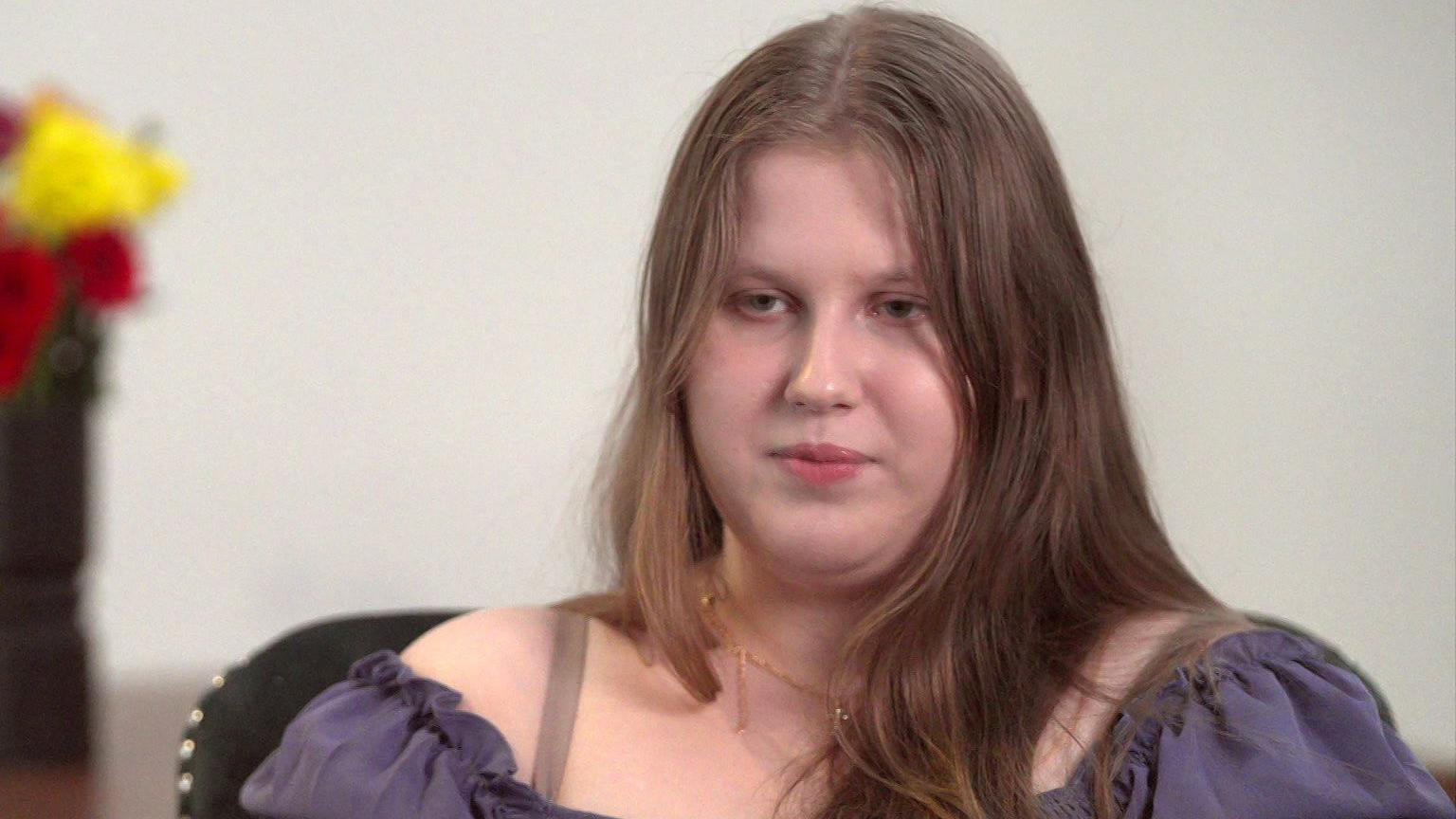
The case of Julia Wandelt, a Polish woman who persistently claimed to be Madeleine McCann, has resulted in a guilty verdict for harassment against Kate and Gerry McCann. Her assertions, which stretched across more than two years, brought renewed media attention to one of the most enduring and painful missing child cases in modern history.
Although the court accepted that Wandelt experienced trauma and instability throughout her life, the judge stated that these circumstances could not justify a sustained campaign that deeply intruded upon a grieving family’s privacy.
The sentencing and trial proceedings have shed further light on the emotional burden the McCanns continue to carry, even 18 years after the disappearance of their daughter during a family holiday in Portugal in 2007. While the search for Madeleine McCann remains unresolved, this case has highlighted the impact of false claims, public speculation and social media amplification on ongoing investigations, families and broader public discourse.
A Claim Without Basis
Wandelt began publicly asserting in 2022 that she believed she was Madeleine McCann, citing a lack of childhood memories and experiences of abuse. Her claims were amplified across social media, online forums and eventually mainstream media, drawing widespread public attention and speculation. Despite police attempts to reassure her that she was not the missing child, Wandelt continued to contact the McCann family and individuals associated with them.
The trial revealed that she had previously claimed to be two other missing children before making her assertions about Madeleine, bringing into question the reliability and motivations behind her beliefs. As part of the investigation into her claims, DNA testing was conducted by police following her arrest in February of this year. The results conclusively established that she was not Madeleine McCann.
Despite being informed of these findings, Wandelt maintained in court that she was still uncertain about her identity, stating she remained “50-50” on the matter. The judge, Mrs Justice Cutts, plainly stated that there had been no proper or logical basis for the claim. The court concluded that while Wandelt may have believed some aspects of her narrative, her continued actions had gone beyond personal confusion into targeted harassment.
Woman claiming to be Madeleine McCann found guilty of harassing missing child’s parents pic.twitter.com/9JWpRtgYzx
— 7NEWS Sydney (@7NewsSydney) November 8, 2025
The prosecution emphasized that the McCanns had faced repeated waves of public attention and scrutiny since 2007, and that the family was entitled to privacy and the ability to leave investigative matters to the police. The McCanns themselves gave evidence from behind a privacy screen, describing the distress caused by Wandelt’s appearance on their driveway, and the emotional strain of receiving persistent messages, calls and online communications.
Harassment, Social Media and Public Intrusion
The trial also examined the role of social media in amplifying the situation. Public speculation about the McCann case has lasted for more than a decade and a half, driven in part by online communities, conspiracy theories and extensive media coverage. Wandelt’s claims gained significant attention through platforms such as YouTube, Instagram, and online discussion channels. Prosecutors noted that she appeared on a high-profile U.S. program, Dr Phil, which elevated the international visibility of her claims.
The dissemination of personal contact information was another critical factor. Details relating to the McCanns, included in leaked Portuguese police files from earlier investigations, had been circulated online, enabling direct access to the family. The harassment intensified when Wandelt began contacting Madeleine McCann’s younger siblings, Amelie and Sean, through social media. Family friends and associates, including a parish priest and community members connected to the McCanns, also received communications.
Read : Julia Wandelt Who Claimed to be Madeleine McCann Arrested at Bristol Airport
At one point, Wandelt traveled to Leicestershire to attend a vigil for Madeleine McCann, approaching relatives and attempting to deliver a letter. Later, she and her supporter Mrs Spragg visited the McCanns’ home address. During the encounter described in court, Kate McCann testified that she felt invaded in her own home, an experience reminiscent of earlier periods when intense media presence surrounded the family’s daily life. Gerry McCann explained that while claims such as Wandelt’s can pull emotionally at the family, they ultimately harm rather than help the ongoing search for Madeleine.
The case demonstrated the fine line between public involvement in missing persons investigations and the risk of personal intrusion when speculation is allowed to escalate unchecked. The prosecution argued that while individuals may genuinely believe they have information, the emotional wellbeing of families must be protected, particularly when claims have no factual basis.
Legal Outcome and Continuing Impact
Wandelt, now 24, was found guilty of harassment and sentenced to six months in prison, a term she has already served due to being in custody since February. The more serious charge of stalking was not upheld by the court. Her supporter, 61-year-old Karen Spragg, was acquitted of all charges but has been issued a restraining order alongside Wandelt.
The judge issued restraining orders preventing the two women from contacting the McCanns, traveling to Leicestershire or making broadcasts involving the family. Wandelt’s restraining order is indefinite. During sentencing, the judge acknowledged Wandelt’s difficult family background and experiences of trauma but emphasized that these factors did not excuse her conduct.
Read : Oklahoma Toddler Calls 911 to Order ‘Emergency Doughnut’: Watch
After the verdict, the McCanns released a short statement explaining that they took no pleasure in the outcome. They indicated that they had not sought or initiated the prosecution themselves; the case proceeded based on decisions made by the Crown Prosecution Service following police investigation. Their statement also urged that Wandelt receive appropriate care and support, and emphasized that any genuine new information relating to Madeleine McCann’s disappearance should be provided directly to law enforcement agencies.
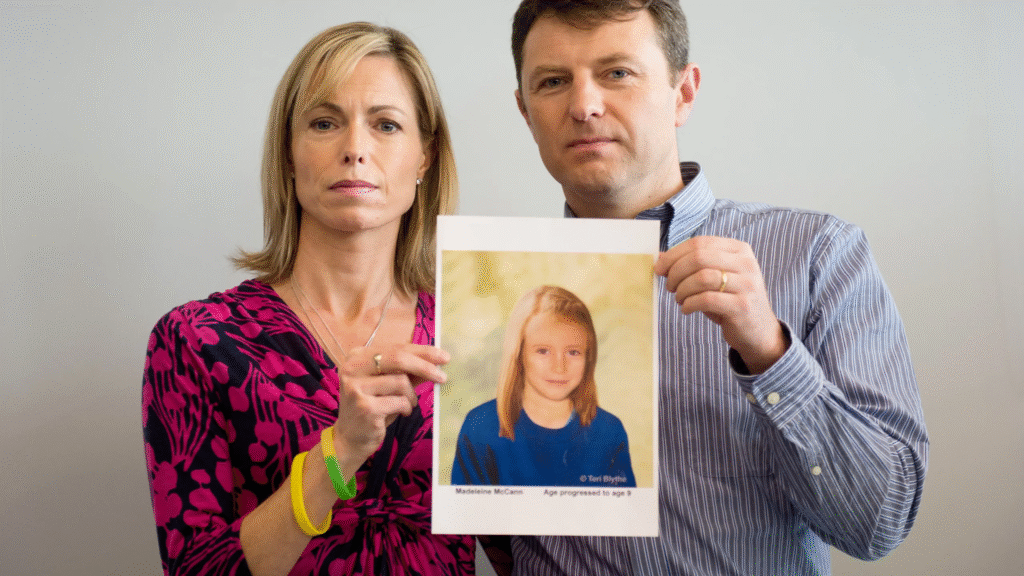
Madeleine McCann’s disappearance in 2007 remains unsolved despite extensive international investigations. Madeleine McCann was three years old when she went missing from the family’s holiday apartment in Praia da Luz, Portugal. Despite multiple inquiries, high-profile searches and global media attention, no definitive answers have been found regarding her fate. Over the years, the case has attracted widespread speculation, public debate and numerous false claims. Police have reiterated that misinformation, unverified theories and false identification claims can hinder active investigative work.
The court proceedings highlighted the emotional endurance required of families of missing persons. The McCanns have continued to support ongoing investigative efforts while maintaining as much privacy as possible for themselves and their younger children. The harassment case underscores how renewed public focus can reopen emotional wounds for families already coping with unresolved loss.
The involvement of social media and digital communication in this case reflects a broader challenge in high-profile unsolved cases. Online platforms have accelerated the spread of personal theories and claims, often without verification. This environment can allow narratives to grow rapidly, independent of official findings. The trial made clear that while the public may feel invested in cases of this nature, responsibility must be exercised to prevent harm to individuals directly affected.
The guilty verdict in Wandelt’s case has brought a conclusion to this episode, even as broader questions surrounding the McCann case remain unanswered. The hope expressed following the trial remains the same as it has been for years: that any substantive new evidence be directed to the police in the continuing search for clarity regarding Madeleine McCann’s disappearance.
I’ll be referencing this in the future.
slot365 hỗ trợ đa phiên bản: web, app iOS, app Android – đồng bộ dữ liệu hoàn toàn, bạn có thể chuyển đổi thiết bị bất kỳ lúc nào. TONY03-09