
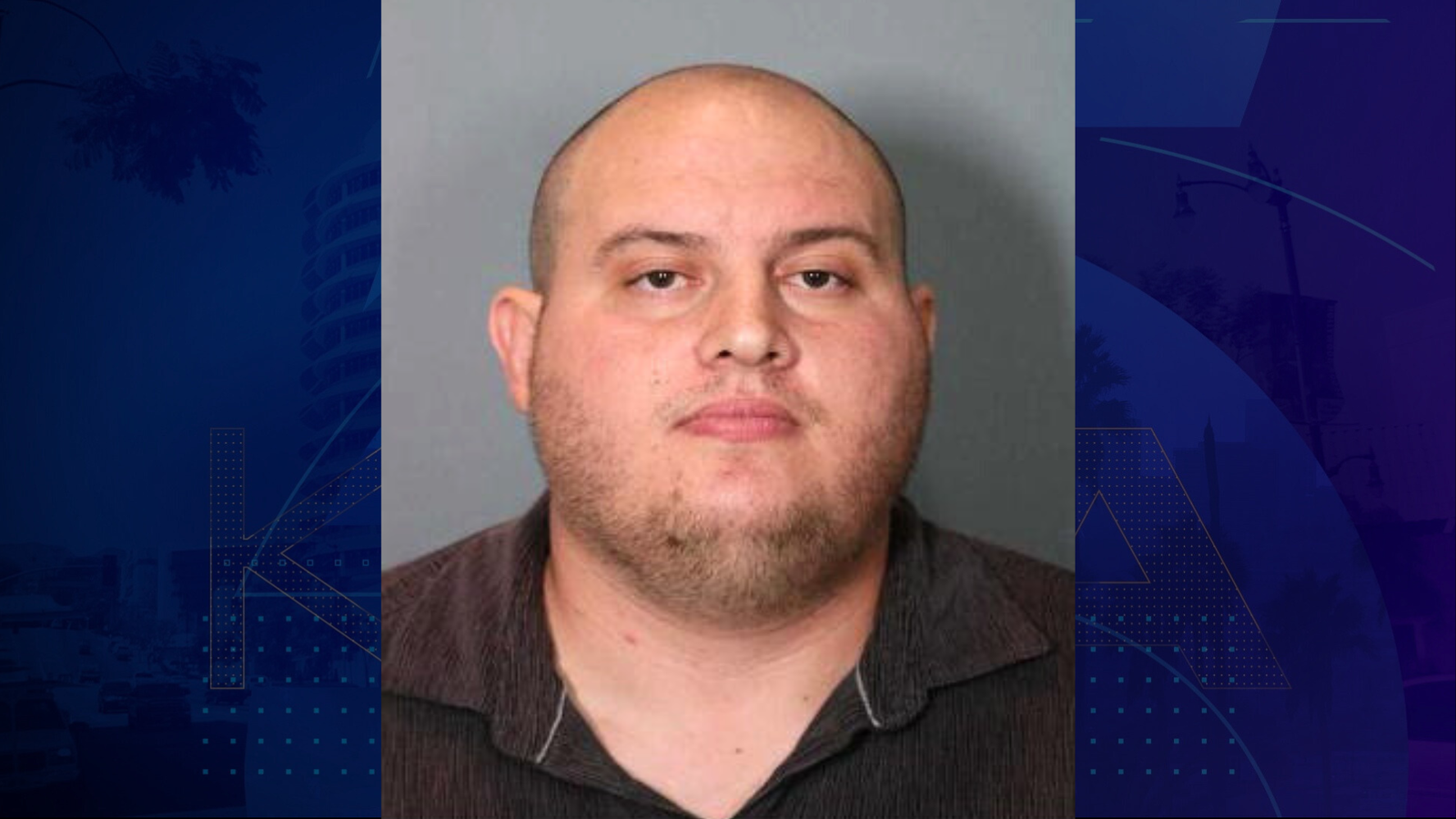
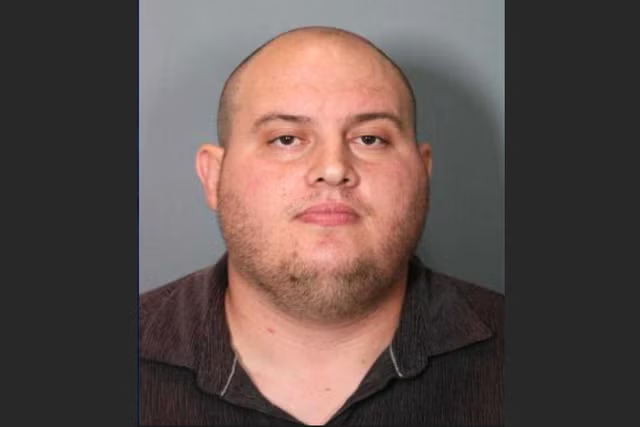
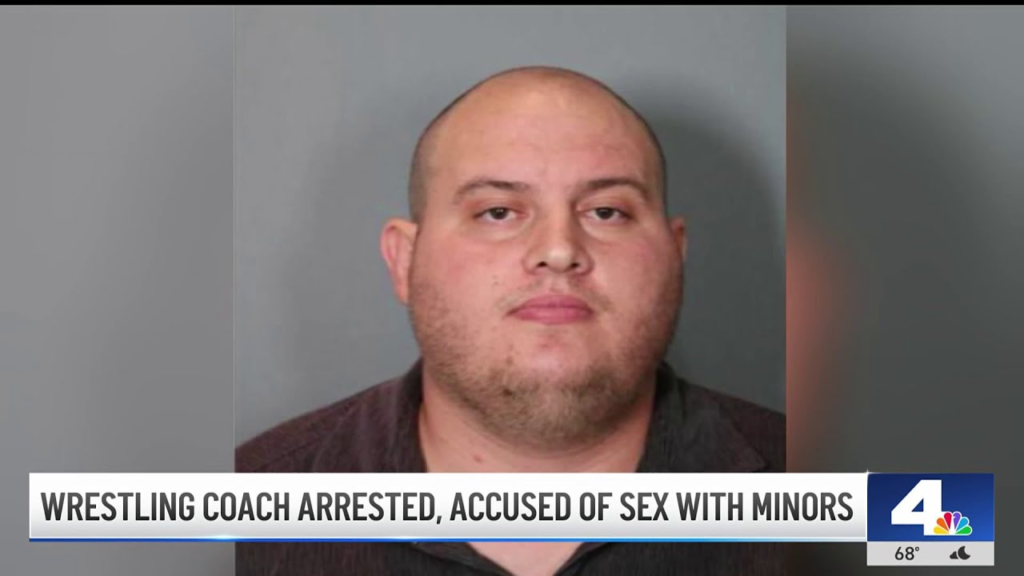
In a disturbing case that has shaken Southern California’s educational and athletic communities, Anthony Oscar Alcala, a 28-year-old wrestling coach from Huntington Beach, was arrested on April 3, 2025, for allegedly engaging in sexual relationships with underage students.
The allegations, which span several years and involve multiple institutions, have raised serious concerns about the safety of student athletes and the responsibility of those in positions of trust. Anthony Oscar Alcala, who coached at El Modena High School, Foothill High School, and a private wrestling club in Placentia, faces multiple felony charges, including sexual intercourse with a minor.
The Orange County Sheriff’s Department believes there may be additional victims and is actively seeking information from the public to further the investigation. This blog delves into the details of the case, its broader implications, and the steps being taken to address such misconduct in youth sports.
The Allegations and Arrest of Anthony Oscar Alcala
The case against Anthony Oscar Alcala came to light in February 2025, when an organization dedicated to reducing sexual assaults on student athletes contacted the Orange County Sheriff’s Department’s Special Victims Detail (SVD). The organization reported that two teenage girls had been groomed and sexually abused by Alcala, prompting an immediate investigation.
According to authorities, the victims alleged that Alcala, while employed as a wrestling coach at El Modena High School in Orange and Foothill High School in Santa Ana, manipulated them into sexual relationships between 2017 and 2023. Both schools are part of the Orange and Tustin Unified School Districts, respectively, and the allegations have sent shockwaves through these communities.
The victims’ accounts paint a troubling picture of grooming, a process where an adult builds trust with a minor to exploit them sexually. The girls reported that Alcala used his authority as a coach to foster inappropriate relationships, leveraging his position to gain their trust before engaging in sexual acts.
These allegations align with patterns of predatory behavior often seen in cases involving trusted figures like coaches or teachers, where power imbalances make victims particularly vulnerable. The Orange County Sheriff’s Department acted swiftly, arresting Anthony Oscar Alcala on April 3, 2025, and booking him into the Orange County Jail on charges that include sexual intercourse with a minor, statutory rape, and other related felonies.
Further investigation revealed that Alcala’s reach extended beyond the public school system. He had previously worked as a coach at Premier Wrestling, a private wrestling club in Placentia, formerly known as Somar Wrestling. This discovery raised concerns about the scope of his access to young athletes, as private clubs often lack the same oversight as public schools.
Read : Northville Central School District Basketball Coach Fired for Pulling Player Ponytail
The Sheriff’s Department noted that Anthony Oscar Alcala’s roles at these institutions gave him significant opportunities to interact with minors, leading investigators to suspect there may be additional victims who have yet to come forward.
Read : Ricky Ponting Declines India Head Coach Job
Authorities are urging anyone with information to contact the Special Victims Detail at 714-647-7419 or submit anonymous tips through Orange County Crime Stoppers at 855-TIP-OCCS.
The arrest has prompted outrage and grief among parents, students, and community members. For many, the case underscores the betrayal of trust inherent in such allegations, particularly when the accused is someone tasked with mentoring and protecting young people. As the investigation continues, the focus remains on supporting the victims and ensuring justice is served, while questions linger about how such misconduct went undetected for years.
The Broader Issue of Sexual Misconduct in Youth Sports
The allegations against Anthony Oscar Alcala are not an isolated incident but part of a broader, troubling pattern of sexual misconduct in youth sports. Coaches, by virtue of their roles, often hold significant influence over young athletes, fostering environments where trust and admiration can be exploited.
This case echoes other high-profile scandals, such as those involving USA Gymnastics and other sports organizations, where systemic failures allowed predators to operate unchecked. The Anthony Oscar Alcala case highlights the need for stronger safeguards to protect student athletes from abuse and to hold perpetrators accountable.
One critical issue is the grooming process, which can be difficult to detect. Grooming often involves subtle, manipulative behaviors—such as giving special attention, offering gifts, or creating a sense of exclusivity—that appear benign to outsiders. For victims, these actions can blur boundaries, making it hard to recognize the abuse until it escalates.
In Anthony Oscar Alcala’s case, the victims alleged that he used his coaching role to build trust before initiating sexual relationships, a tactic that underscores the predatory nature of grooming. Educators, parents, and sports organizations must be trained to recognize these warning signs and intervene early.
Another concern is the lack of consistent oversight across different athletic settings. Public schools like El Modena and Foothill High Schools are subject to district policies, background checks, and mandatory reporting requirements, yet Alcala allegedly operated for years without detection.

Private clubs like Premier Wrestling, however, may face less scrutiny, creating potential blind spots. According to reports, Anthony Oscar Alcala was no longer employed by the Orange Unified School District after March 2021, but his prior role at a private club suggests gaps in monitoring that allowed him to move between institutions. This raises questions about how coaches are vetted, tracked, and held accountable across different organizations.
The psychological impact on victims cannot be overstated. Survivors of sexual abuse often face long-term trauma, including anxiety, depression, and difficulties trusting authority figures. The fact that Anthony Oscar Alcala’s alleged actions occurred over several years suggests a pattern of harm that may have affected multiple individuals.
The Sheriff’s Department’s call for additional victims to come forward is a critical step, but it also highlights the challenge of encouraging survivors to speak out in an environment where stigma and fear of retaliation persist. Schools and sports programs must prioritize creating safe spaces for reporting and provide robust support services for those affected.
This case also underscores the role of advocacy organizations in exposing abuse. The organization that alerted authorities in February 2025 played a pivotal role in bringing Alcala’s actions to light, demonstrating the importance of external watchdogs.
Such groups often work to educate athletes, coaches, and parents about safe sport practices, advocate for policy changes, and support survivors. Their involvement in this case is a reminder that community vigilance and collaboration with law enforcement are essential for protecting young people.
Moving Forward: Prevention and Accountability
Preventing future cases like Anthony Oscar Alcala’s requires a multifaceted approach that addresses systemic vulnerabilities and empowers communities to act. First and foremost, schools and sports organizations must strengthen their screening and training processes. Background checks, while necessary, are not foolproof, as many offenders have no prior record.
Ongoing training on recognizing grooming behaviors, maintaining appropriate boundaries, and reporting concerns is crucial for coaches, staff, and volunteers. Parents and athletes should also be educated about their rights and how to identify red flags.
Clear policies on coach-athlete interactions can help reduce opportunities for abuse. For example, requiring multiple adults to be present during practices, limiting private communication between coaches and students, and enforcing strict guidelines on physical contact can create safer environments.
Both public schools and private clubs should adopt these standards and ensure they are consistently enforced. Regular audits and independent oversight can further enhance accountability, particularly in settings like private wrestling clubs that may operate with less regulation.
Reporting mechanisms must also be improved. Victims and witnesses need accessible, confidential channels to raise concerns without fear of repercussions. Schools and sports programs should establish partnerships with organizations like Childhelp or local crime stoppers to streamline reporting and support.
In Alcala’s case, the Sheriff’s Department has emphasized anonymous tip lines, which can be a lifeline for those hesitant to come forward. Building a culture where speaking up is encouraged and protected is essential for breaking the cycle of silence that often shields predators.
Legal consequences play a critical role in deterrence. In California, sexual activities with minors carry severe penalties, particularly when the perpetrator is in a position of trust. Under Penal Code 261.5, statutory rape can result in up to three years in prison, while lewd acts with a child under 14 (Penal Code 288) can lead to three to eight years.
Given Anthony Oscar Alcala’s role as a coach and the allegations of grooming, prosecutors may pursue enhanced penalties if convicted. The Orange County District Attorney’s Office is currently reviewing the case, and while no arraignment date has been set, the charges reflect the gravity of the accusations.
Finally, supporting survivors must be a priority. Counseling, peer support groups, and legal advocacy can help victims navigate the aftermath of abuse. Schools and communities should rally around those affected, offering resources and reassurance that they are not alone. The fact that investigators believe there may be additional victims suggests a need for outreach to identify and assist others who may be suffering in silence.
The arrest of Anthony Oscar Alcala is a stark reminder of the vulnerabilities faced by student athletes and the responsibility of adults to protect them. While the legal process will determine Alcala’s fate, the broader challenge lies in ensuring such cases do not recur.
By strengthening prevention measures, fostering accountability, and prioritizing survivor support, communities can work toward a future where young athletes are safe to pursue their passions without fear.
The Orange County Sheriff’s Department’s ongoing investigation, coupled with public awareness, is a step toward justice—not only for the known victims but for any others who may still need help finding their voice.