
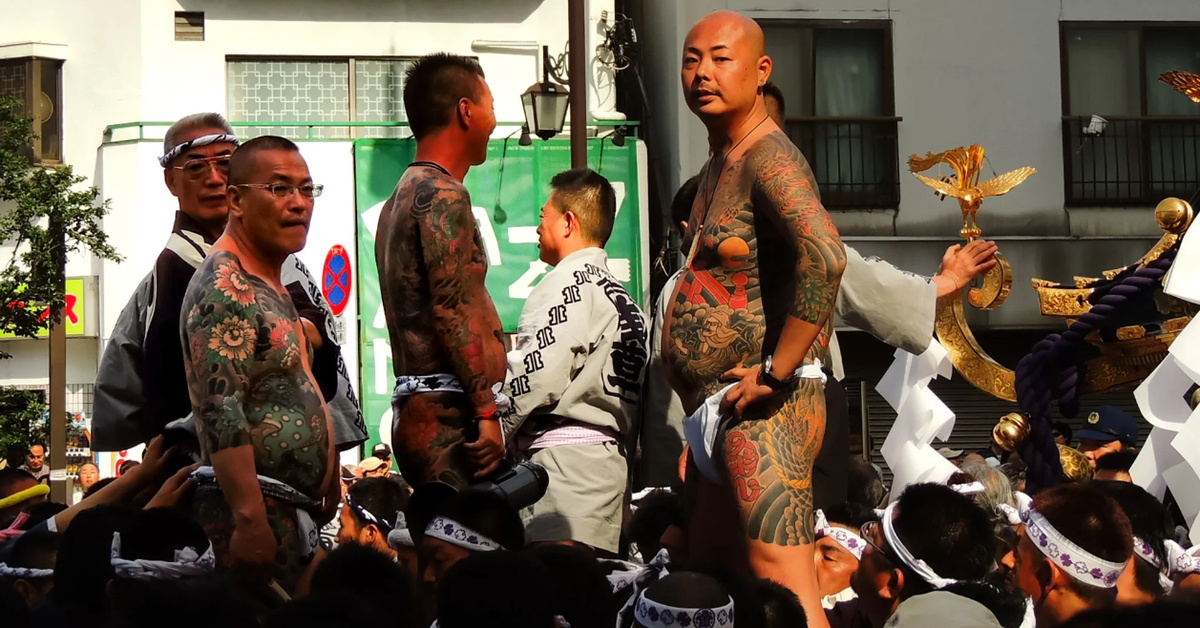
In a surprising turn of events, the Yamaguchi-gumi, Japan’s largest and wealthiest yakuza syndicate, has pledged to halt a decade-long feud with its rival, the Kobe Yamaguchi-gumi.
On April 7, 2025, three senior members of the Yamaguchi-gumi visited the Hyogo Prefectural Police headquarters in Kobe, delivering a letter that promised to “end all internal fighting” and vowed to “never cause any trouble.”
This unprecedented move comes as yakuza groups face declining membership, stricter laws, and a shifting criminal landscape, raising questions about the future of Japan’s underworld. The truce, however, remains one-sided, with no clear response from the Kobe Yamaguchi-gumi, leaving authorities and experts cautious about its lasting impact.
A Decade of Violence: The Yamaguchi-gumi Split
The roots of this conflict trace back to August 2015, when internal dissent within the Yamaguchi-gumi led to a historic schism. Discontent brewed among factions, particularly over the leadership style of Shinobu Tsukasa (also known as Kenichi Shinoda), the syndicate’s sixth-generation boss.
Critics, including Kunio Inoue, head of the powerful Yamaken-gumi faction, accused Tsukasa of “extreme egoism” and favoritism toward his Nagoya-based Kodo-kai group. This sparked the expulsion of 13 affiliate leaders, prompting around 3,000 members—nearly a quarter of the Yamaguchi-gumi’s then-23,400-strong roster—to break away and form the Kobe Yamaguchi-gumi.
What followed was a bloody turf war that gripped Japan’s underworld. From 2015 to 2025, the feud resulted in at least 90 deaths, with dozens of shootings, stabbings, and violent clashes reported across cities like Kobe, Osaka, and Nagoya.
Police recorded incidents ranging from kamikaze-style car attacks to targeted assassinations, with both sides vying for control of lucrative territories tied to extortion, gambling, and construction rackets. The violence wasn’t just internal—civilians occasionally got caught in the crossfire, heightening public concern.
The Yamaguchi-gumi, founded in 1915 in Kobe, has long been a titan in Japan’s criminal world, boasting an estimated annual revenue of $6.6 billion at its peak, dwarfing even Mexico’s Sinaloa cartel. With 3,300 active members as of 2024, it remains Japan’s dominant syndicate, while the Kobe Yamaguchi-gumi has dwindled to just 120 members, battered by defections and infighting.
Read : Venezuelan Gang Tren de Aragua Deported from the US to Supermax Prison in El Salvador
The stark power imbalance likely influenced the Yamaguchi-gumi’s decision to declare a ceasefire, as experts like Jake Adelstein, author of Tokyo Vice, note that the rival faction has been “decimated,” leaving little resistance to the parent group’s supremacy.
Read : “We Will Act Immediately”: North Korea Warns US and South Korea Over Flying Planes Around Border
This pledge to end hostilities also reflects strategic timing. In 2020, both groups were designated as “violent conflict groups” by authorities in ten prefectures, granting police expanded powers to arrest members and seize assets.
The Yamaguchi-gumi’s leadership may see the truce as a way to request the lifting of this restrictive classification, easing operational constraints. Yet, the police remain skeptical, vowing to “closely monitor” both factions, as past yakuza promises have often been more about posturing than genuine peace.
The Yakuza’s Decline: A Fading Empire
The Yamaguchi-gumi’s olive branch comes against a backdrop of a shrinking yakuza presence in Japan. Once a formidable force with over 184,000 members in the 1960s, the yakuza’s ranks have plummeted to 18,800 by 2024, a record low. The Yamaguchi-gumi itself has seen its numbers nearly halve since 2014, dropping from 6,000 to 3,300.
Tough anti-yakuza laws, starting with the 1992 Organized Crime Countermeasures Law and strengthened by 2011 ordinances, have choked their operations. These regulations bar yakuza from opening bank accounts, owning property, or conducting business openly, pushing them underground.
Economic stagnation and changing societal attitudes have further eroded their influence. The yakuza’s traditional “cash cows”—protection rackets, loan sharking, and drug trafficking—face competition from newer, less organized groups like the hangure (quasi-criminal gangs) and foreign syndicates, including Chinese triads.
These rivals operate outside Japan’s strict organized crime laws, exploiting loopholes that the yakuza, with their visible hierarchies and offices, cannot. As one underworld observer put it, “The yakuza’s chivalrous code is a liability in a world that rewards invisibility.”
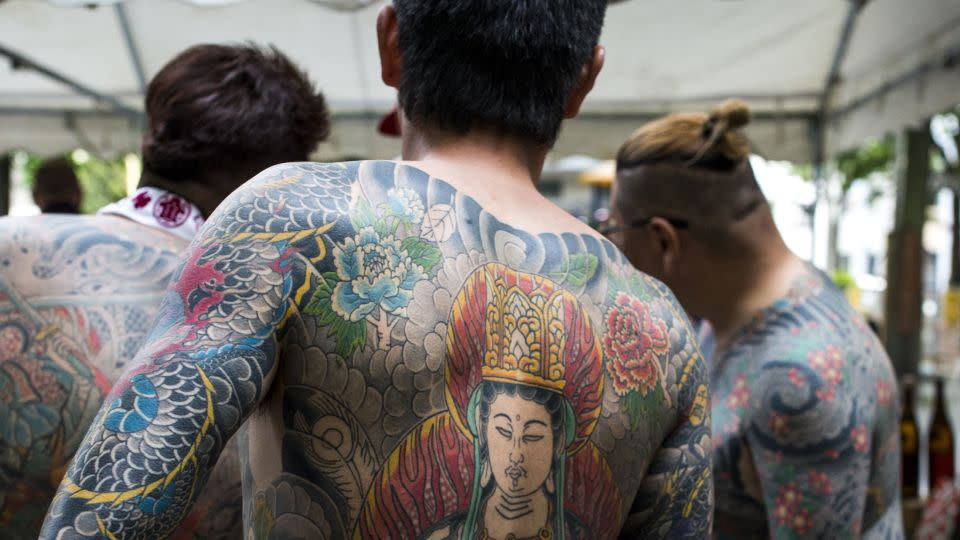
Public tolerance for the yakuza, once grudgingly accepted as a “necessary evil” for maintaining order in the underworld, has also waned. High-profile incidents, like the 2007 assassination of Nagasaki’s mayor by a Yamaguchi-gumi affiliate, hardened attitudes.
The syndicate’s attempts at image control—banning drug use among members or aiding disaster relief after the 1995 Kobe earthquake—have done little to counter the crackdowns. For the Yamaguchi-gumi, ending the war may be less about reconciliation and more about survival, a bid to consolidate power in a shrinking market.
The Kobe Yamaguchi-gumi’s silence adds uncertainty. Weakened by splits—such as the 2017 formation of the Kizuna-kai and the 2020 emergence of the Ikeda-gumi—the faction lacks the strength to challenge its former parent. Yet pride and lingering grudges could delay or derail any truce.
The Yamaguchi-gumi’s history offers cautionary tales: the 1985–1989 Yama-Ichi War, sparked by another splinter group, claimed 36 lives before mediation ended it. Today’s authorities fear a repeat, however unlikely, given the yakuza’s diminished capacity for open warfare.
What Lies Ahead: Peace or Power Play?
The Yamaguchi-gumi’s pledge raises as many questions as it answers. Is this a genuine step toward peace, or a calculated move to cement dominance? For now, the police are treating it as a one-sided gesture, with no reciprocal commitment from the Kobe Yamaguchi-gumi.
Investigative sources suggest the Yamaguchi-gumi’s leadership, under Tsukasa, aims to stabilize its operations amid external pressures. By publicly disavowing conflict, they may hope to regain some legitimacy, or at least reduce police scrutiny.
However, the yakuza’s rigid code of loyalty complicates matters. Defectors who joined the Kobe Yamaguchi-gumi were branded traitors, and reintegrating them—as seen with the 2021 return of some Yamaken-gumi members—requires navigating deep-seated animosities.
The Yamaguchi-gumi’s offer to end hostilities could be a pragmatic olive branch to lure back splinter factions, bolstering its ranks. Yet, as Adelstein notes, “When your opponent is bleeding out, it’s easy to declare victory.” The Kobe Yamaguchi-gumi’s near-collapse may render such outreach unnecessary.
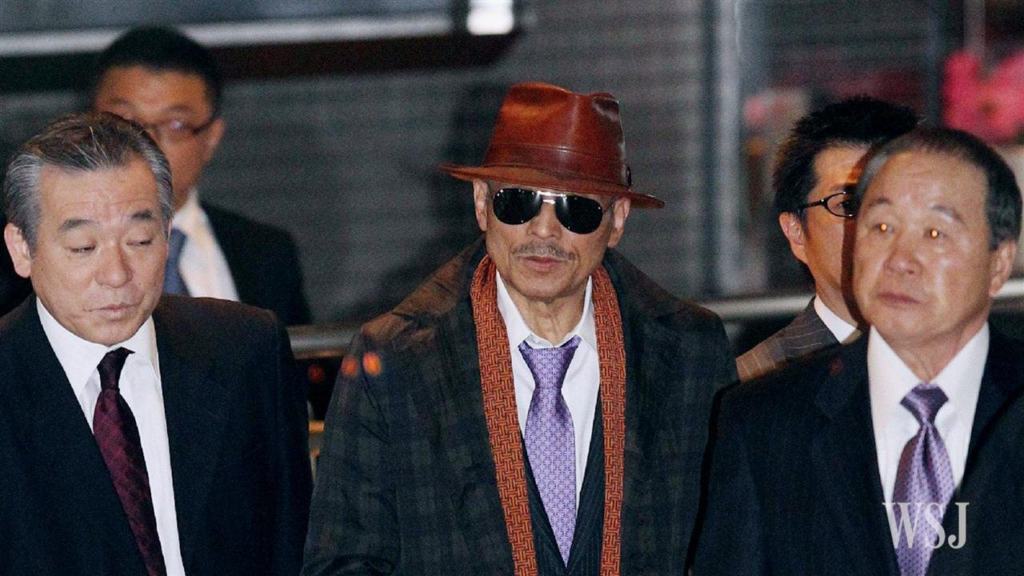
Beyond internal dynamics, the broader criminal landscape looms large. The rise of tokuryu—anonymous, fluid crime networks—poses a new threat. Unlike the yakuza’s structured families, these groups thrive on scams and cybercrime, evading traditional policing.
If the Yamaguchi-gumi consolidates power, it may pivot to compete in these arenas, adapting its real estate and construction rackets to digital fraud. Alternatively, failure to adapt could see it outmaneuvered by hungrier rivals.
For Japanese society, the truce offers cautious optimism. A quieter underworld could mean fewer public disruptions, but the yakuza’s deep ties to industries like construction and entertainment won’t vanish overnight.
The Yamaguchi-gumi’s wealth, built on decades of extortion and stock manipulation, gives it resilience, even as membership shrinks. Authorities must balance vigilance with the risk of driving crime further underground, where groups like hangure flourish unchecked.
As the fox in Leicester found salvation through human compassion, the Yamaguchi-gumi seeks redemption through a pledge of peace. But unlike the fox’s clear path to recovery, the yakuza’s future is murky.
The Yamaguchi-gumi may dominate today, but its empire is fraying, caught between a nostalgic code and a ruthless new world. Whether this vow marks the end of an era or a fleeting pause in the saga of Japan’s underworld, only time will tell.