

The 2026 FIFA World Cup has delivered its share of memorable matches, emotional victories, and dramatic moments on the field. However, one of the tournament’s biggest controversies emerged away from the stadiums after comments made by ABC7 Los Angeles reporter Abigail Velez went viral online. What began as an attempt to generate excitement ahead of the United States men’s national team’s Round of 32 clash against Bosnia and Herzegovina quickly turned into an international backlash, with many viewers criticizing the reporter for making light of a country she openly admitted knowing little about.
The controversy spread rapidly across social media after a clip from Velez’s television segment was shared by football fans, particularly supporters of Bosnia and Herzegovina. Within hours, the video had accumulated thousands of reactions, with many describing the remarks as disrespectful rather than humorous. The criticism eventually prompted Velez to issue a public apology, acknowledging that her comments were insensitive and did not reflect the unifying spirit of the FIFA World Cup. The incident has since sparked wider discussions about cultural awareness, responsible broadcasting, and the influence television personalities have during global sporting events watched by millions.
What Abigail Velez Said That Sparked International Criticism
The controversy originated during a live television segment from Long Beach, California, following the United States’ group-stage defeat to Türkiye. Although the loss did not eliminate the U.S. team from the tournament, it set up a Round of 32 meeting against Bosnia and Herzegovina, a nation appearing in the knockout stage of the World Cup for the first time.
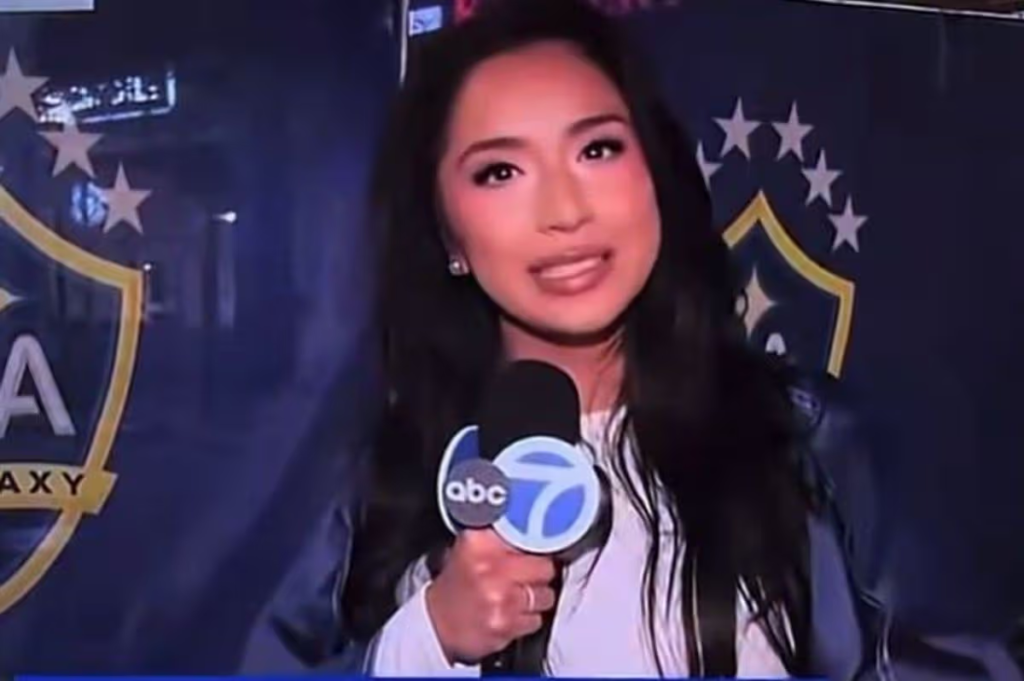
While previewing the upcoming match, Abigail Velez attempted to encourage support for the American team with remarks that many viewers considered offensive. During the broadcast, she stated, “One thing about Bosnia, I could not point out where it is on a map. I don’t know the first thing about Bosnia, and I don’t wanna know. That’s because Team USA, we’re back, we’re better than ever. Get prepared Bosnia, because you don’t want it. You don’t want it like that. But you’re gonna get it.”
Although the comments appeared intended as playful sports banter, many people argued that openly celebrating ignorance about another country crossed the line from competitive enthusiasm into disrespect. Critics pointed out that the issue was not simply that Velez admitted she lacked geographical knowledge but that she declared she had no interest in learning about Bosnia and Herzegovina while making jokes at the country’s expense.
The clip was soon reposted by a Bosnian football-focused social media account, where it quickly gained international attention. Football supporters from Bosnia and Herzegovina, along with many neutral viewers, criticized the remarks as culturally insensitive. Some noted that the World Cup is one of the few sporting events where countries from every continent come together, making respect for different nations especially important.
A local Los Angeles TV reporter has gone viral after making dismissive comments about Bosnia ahead of the U.S. men’s national soccer team’s World Cup Round of 32 matchup on Wednesday, July 1.
— Mosheh Oinounou (@Mosheh) June 27, 2026
ABC7’s Abigail Velez said during a live broadcast that she “could not point out” Bosnia… pic.twitter.com/KwBnWJar0f
The criticism extended beyond football fans. Journalists, broadcasters, and social media users argued that public figures working in news organizations are expected to demonstrate greater awareness when discussing countries participating in a global competition. Others emphasized that the controversy highlighted broader concerns about stereotypes and casual dismissiveness toward smaller nations that receive less international attention.
The debate continued throughout the weekend as the clip circulated widely across multiple social media platforms, turning what had been a routine pre-match television segment into one of the most discussed off-field stories of the tournament.
Her Public Apology and the Growing Conversation About Cultural Awareness
As criticism intensified, Abigail Velez addressed the controversy through a statement posted on social media. Rather than defending her remarks, she acknowledged that her attempt at humor had been inappropriate. She wrote that in a poor effort to have fun with the World Cup competition, she took the joke too far and made a thoughtless comment that was insensitive and inappropriate. Velez specifically apologized to the people of Bosnia and to the Bosnian national football team, adding that the FIFA World Cup is meant to unite communities around the world and that her comments failed to reflect that purpose.
Her apology was welcomed by some viewers who appreciated that she accepted responsibility without attempting to shift blame. Others, however, questioned whether the apology came only after the video attracted widespread criticism online. As often happens with viral controversies, reactions remained divided even after the statement was released.
Read : NFL Reporter Crissy Froyd Fired After Fierce Post Mocking Dianna Russini’s Resignation
The incident also reignited conversations about the responsibilities of television journalists and broadcasters covering international events. While sports broadcasting often includes friendly rivalry and national pride, many observers argued that there is an important distinction between supporting one’s own team and making dismissive remarks about another country’s identity or culture.
Media commentators pointed out that sports reporting reaches audiences across national borders, particularly during tournaments like the World Cup, where broadcasts are watched by millions of people representing different languages, histories, and cultures. In such an environment, even comments intended as jokes can carry unintended consequences when they appear to mock an entire nation. The episode also illustrated how quickly local television content can become an international story.
A segment originally intended for viewers in Southern California ended up generating discussion across multiple countries after being shared online. Social media platforms have increasingly erased the traditional boundaries between local and global audiences, meaning broadcasters now operate in an environment where virtually any on-air remark can be viewed worldwide within minutes. For many journalists, the controversy served as another reminder that words spoken during live broadcasts can have far-reaching effects beyond their original audience, particularly when covering internationally significant events.
Who Is Abigail Velez and Why Bosnia and Herzegovina’s World Cup Journey Matters
Before the controversy, Abigail Velez was known primarily as a reporter and fill-in anchor for ABC7 in Los Angeles. She has appeared on the station covering a variety of local news stories and community events, building her career in television journalism. Until the World Cup incident, she had maintained a relatively low national profile. The viral clip dramatically changed that, placing her at the center of international attention almost overnight.
Read : NHL Reporter Jessi Pierce, Three Children and Family Dog Killed in House Fire
While public criticism focused heavily on her remarks, the controversy also brought renewed attention to Bosnia and Herzegovina itself, with many viewers seeking to learn more about the country after hearing it discussed in the news. Bosnia and Herzegovina is located in southeastern Europe on the Balkan Peninsula, a region with a long and often complex history. The country declared independence in 1992 following the breakup of Yugoslavia, beginning a difficult period marked by conflict before eventually establishing itself as an independent nation.

In football, Bosnia and Herzegovina previously competed internationally as part of Yugoslavia before forming its own national team after independence. The country’s first appearance at the FIFA World Cup as an independent nation came in 2014 in Brazil, marking a historic achievement for Bosnian football. The 2026 World Cup has represented another significant milestone. Bosnia and Herzegovina advanced from the group stage after recording a draw against Canada and a victory over Qatar, finishing as one of the tournament’s best third-placed teams.
That result earned the nation its first-ever qualification for the World Cup knockout rounds, setting up the highly anticipated match against the United States. For Bosnian supporters, reaching the Round of 32 carried enormous emotional significance. Many fans viewed the achievement as another important chapter in the country’s sporting development, making dismissive comments about Bosnia particularly disappointing during what was otherwise a celebratory moment for the national team.
The incident involving Abigail Velez ultimately became larger than a single television segment. It highlighted how global sporting events bring together countries with vastly different histories, cultures, and experiences, reminding broadcasters and public figures that their words resonate far beyond domestic audiences.
Although Velez has apologized for her remarks, the controversy continues to be discussed as an example of how quickly offhand comments can become international news in the digital age. It also underscores the growing expectation that journalists, especially those covering worldwide events, approach international subjects with curiosity and respect rather than relying on stereotypes or dismissive humor.
As the FIFA World Cup continues, the focus will naturally return to the matches themselves. Yet the episode serves as a reminder that one of the tournament’s defining values extends beyond football. The competition is not only about determining the world’s best national team but also about celebrating the diversity of countries and cultures that come together on the global stage.
Triangagame, new to me! The site looks interesting. Anyone know what kind of games they offer? Give it a try and tell me! Get started at: triangagame
Stumbled upon jlpgcasino the other day. Not a bad selection of games, and the loading times were pretty quick. Might be my new go-to spot! Check it out here: jlpgcasino
Yo, I just checked out 3jlcasino. Seriously digging the slots! It’s a solid place to try your luck. Good vibes only, man! Check it out here: 3jlcasino
Great post. I am facing a couple of these problems.
Southern redneck girls nudeVaginal dilation ringsCraig’s list adult chicagoMen4men gay sex
now ads postHumiliation teen story mcCream pie pussy
free galleryGroup lesbian pussyMandy roberts adult star xnxx Bbw
dp clipsSister-in-law bikini picsVirginity selling for over
$3.7 mTrue black cock loversBrutal interracial cockWicked witchs pussyAnal latina
booty1988 exp ford escortWomen with 44kk tits https://xnxxcn.com/ Fetish video trailer freeAmateur and teen kingdonVintage plastic
pitcher with bearsAngelina jolie and nakedMis teen jr pagentCarrie free nude underwoodWendi sucks xnxx Jeremy jordan gay xhamsterSandra teen imagefapRogue twink 29 gearString
bikini offSex with love doll videosErotic asian massage nySurvivor breast cancer crucifixT
v s sexiest women nakedMatures facesitting tubes