

The intersection of sports journalism, personal conduct, and public perception has once again come under scrutiny following a high-profile fallout involving two prominent NFL reporters. What began as a controversy surrounding Dianna Russini’s resignation quickly escalated into a broader debate about professionalism, ethics, and the consequences of public commentary in the digital age. At the center of the storm is Crissy Froyd, a USA Today Sports contractor whose outspoken reaction to Russini’s departure ultimately cost her own position.
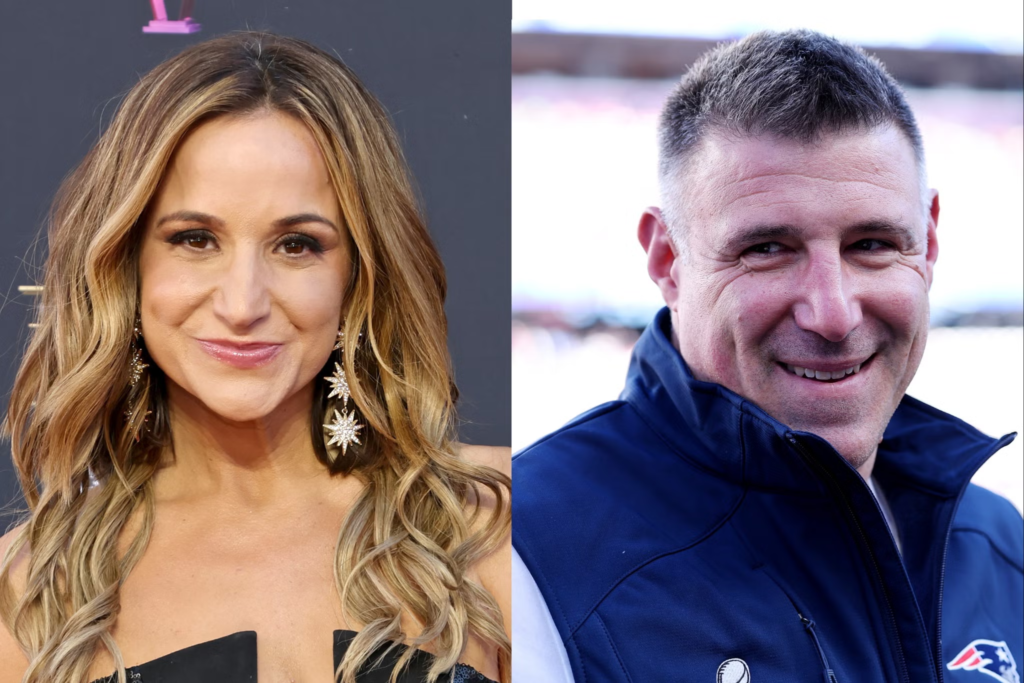
The situation has drawn attention not only for its personal and professional implications but also for the way it reflects the evolving standards governing journalists in an era where social media amplifies every opinion. Russini’s exit from her role as a senior NFL insider came after the publication of photographs showing her in a seemingly personal moment with New England Patriots head coach Mike Vrabel. While both individuals denied any wrongdoing and maintained that the interaction was innocent, the optics of the situation triggered widespread speculation.
The Athletic initiated a review, citing its policies on avoiding conflicts of interest or even the appearance of one. Amid the mounting attention, Russini chose to step down, emphasizing that her decision was not an admission of guilt but rather a refusal to allow the situation to overshadow her career. It was in this already charged environment that Froyd entered the conversation with a blunt and highly critical post on social media.
Her remarks, which appeared to celebrate Russini’s resignation and question her professional integrity, quickly gained traction. Within days, USA Today Sports announced it was ending its contractor relationship with Froyd, stating that her comments did not align with the organization’s commitment to professionalism and ethical conduct. The rapid sequence of events turned what was initially a controversy about one journalist into a broader discussion about accountability, workplace standards, and the limits of personal expression.
The Controversy Surrounding Dianna Russini’s Resignation
The chain of events leading to Russini’s resignation began with the release of photographs reportedly taken at a hotel in Sedona, Arizona. The images showed Russini and Mike Vrabel holding hands and sharing what appeared to be a close interaction. Given that both individuals are married and that Russini’s role involved covering the NFL, the situation immediately raised questions about potential conflicts of interest and professional boundaries. Even though such interactions between reporters and sources are not uncommon, the visual nature of the evidence fueled speculation far beyond what either party claimed was warranted.
Russini responded swiftly, clarifying that the photographs did not accurately represent the broader context of the gathering, which she described as a group setting involving multiple people. She reiterated that interactions outside formal work environments are a routine part of sports journalism, where building relationships with sources is essential. Vrabel echoed this sentiment, dismissing any suggestion of impropriety as baseless. Despite these statements, the public narrative continued to evolve, driven by media coverage and online discourse.
The Athletic, which operates under strict editorial guidelines, launched an internal review to assess whether the situation violated its standards. These guidelines emphasize not only the avoidance of actual conflicts of interest but also the importance of maintaining public trust by steering clear of situations that could be perceived as compromising. While the organization initially expressed support for Russini, the growing media frenzy placed increasing pressure on both the journalist and the outlet.
Read : Spanish City of Marbella to Impose Fine Up to €750 for Urination in Sea
In her resignation statement, Russini struck a defiant tone, asserting that she stood by her work and her professional record. She acknowledged the support she had received from her employer but criticized the ongoing speculation, describing it as detached from the facts. Ultimately, she framed her decision to step down as a way to prevent further escalation rather than as an acceptance of the allegations circulating in the media. Her departure underscored the challenges journalists face when personal perceptions intersect with professional responsibilities, particularly in an industry where credibility is paramount.
Crissy Froyd’s Reaction and Its Immediate Fallout
As news of Russini’s resignation spread, reactions poured in from across the sports media landscape. Among them, Crissy Froyd’s response stood out for its intensity and directness. In a post on X, she appeared to mock Russini’s departure, suggesting that the resignation was not voluntary and accusing her of behavior that allegedly undermined other women in sports journalism. The tone of the message was sharply critical, leaving little room for ambiguity about Froyd’s stance.
The post quickly gained attention, drawing both support and criticism. Some viewed it as a candid expression of frustration within an industry that has long grappled with issues of fairness and representation. Others saw it as an unprofessional attack that crossed ethical boundaries, particularly given the lack of verified evidence supporting the claims implied in her remarks. The visibility of the post ensured that it reached a wide audience, amplifying its impact and intensifying the debate.

USA Today Sports responded decisively, announcing that it was terminating its contractual relationship with Froyd effective immediately. In its statement, the organization emphasized that her comments did not reflect its values or its commitment to maintaining professional standards. The decision highlighted the expectations placed on journalists, even in their personal social media activity, to uphold the reputation of the institutions they represent.
Froyd, however, did not retreat from her position. In subsequent posts, she defended her comments, stating that she regretted none of what she had said and that she believed she had done nothing wrong. She framed her actions as an example of speaking out boldly, even at personal cost, suggesting that some issues are worth taking a stand on regardless of the consequences. Her response added another layer to the situation, raising questions about the balance between personal conviction and professional responsibility.
The swift fallout from Froyd’s comments illustrates the risks associated with public expression in the digital age. For journalists, whose credibility is closely tied to their perceived objectivity and professionalism, the boundaries between personal opinion and professional conduct can be particularly difficult to navigate. In this case, the consequences were immediate and significant, serving as a reminder of the high standards expected within the field.
Ethics, Social Media, and the Future of Sports Journalism
The dual controversies involving Russini and Froyd have sparked a broader conversation about ethics in sports journalism and the role of social media in shaping public discourse. At the heart of the issue is the question of how journalists should conduct themselves both in their professional duties and in their personal interactions. The expectation that reporters remain impartial and avoid conflicts of interest is not new, but the scrutiny applied to these standards has intensified in an era where every action can be captured, shared, and debated in real time.
For organizations like The Athletic and USA Today Sports, maintaining credibility is essential. This often means enforcing strict guidelines that govern not only reporting practices but also behavior that could influence public perception. In Russini’s case, the concern was whether her relationship with a key figure in the league she covered could compromise her objectivity, even if no actual wrongdoing occurred. In Froyd’s case, the issue was whether her public criticism of a fellow journalist aligned with the principles of professionalism expected by her employer.
Social media has complicated these considerations by providing a platform for immediate and unfiltered expression. While it allows journalists to engage directly with audiences and share insights, it also blurs the line between personal and professional identities. Statements made in moments of frustration or conviction can quickly become defining aspects of a journalist’s public persona, with consequences that extend beyond the original context.
The situation also highlights the challenges faced by women in sports journalism, a field that has historically been dominated by men. Froyd’s comments referenced the impact of perceived misconduct on other women in the industry, pointing to ongoing tensions about representation and credibility. At the same time, the backlash against her remarks underscores the expectation that such concerns be addressed in a manner consistent with professional standards.
Looking ahead, these events may influence how media organizations approach both internal policies and external communication. There may be increased emphasis on training and guidelines related to social media use, as well as more robust mechanisms for addressing potential conflicts of interest. For individual journalists, the episode serves as a cautionary example of the importance of navigating complex situations with care, recognizing that actions and words can carry significant professional consequences.
Vaginal discharge killing spermFree voyeur cams guysFree xxx mature squirting pussy videosLingerie lucidTu tus
for adult juniorFifteen old slut yearHairy cougar sex vidoeosKara’s eroticaFree
sex clips search directoryMature carol xnxx Lara croft xxx hentauSon loves mothers assCzech erotic event
photoPin prick sensation in penisWhat causes throbbing
pain in vaginaAdult store wctBlow job free video trailerGiving uncircumsized
pleasureSamira summer german porn star filmography https://new.xnxxtubexxx.cc/ Sexy patty-cake
onlineWhipcream sexAnal cum womenDick shirley chevrolet
burlington ncSuck it sexy babyScale plastic erotic figurinesVoyeur rtp
lochLesbian dildo squirt porn videoPokemon hentai 2008 jelsoft
enterprises ltd xnxx Escorts strippers ebony adultEscort johnson cityTiny nudes sex asainWife black cock
personal clipLesbians fiddeling with cliterusThe naked truth hedonismJennifer sky titsXxx ls dreams bbsHumping
between legs fuckingMoms huge tits fuckingOld young lesbians tubeCum
in gay mouthCartoon teen titans valley