
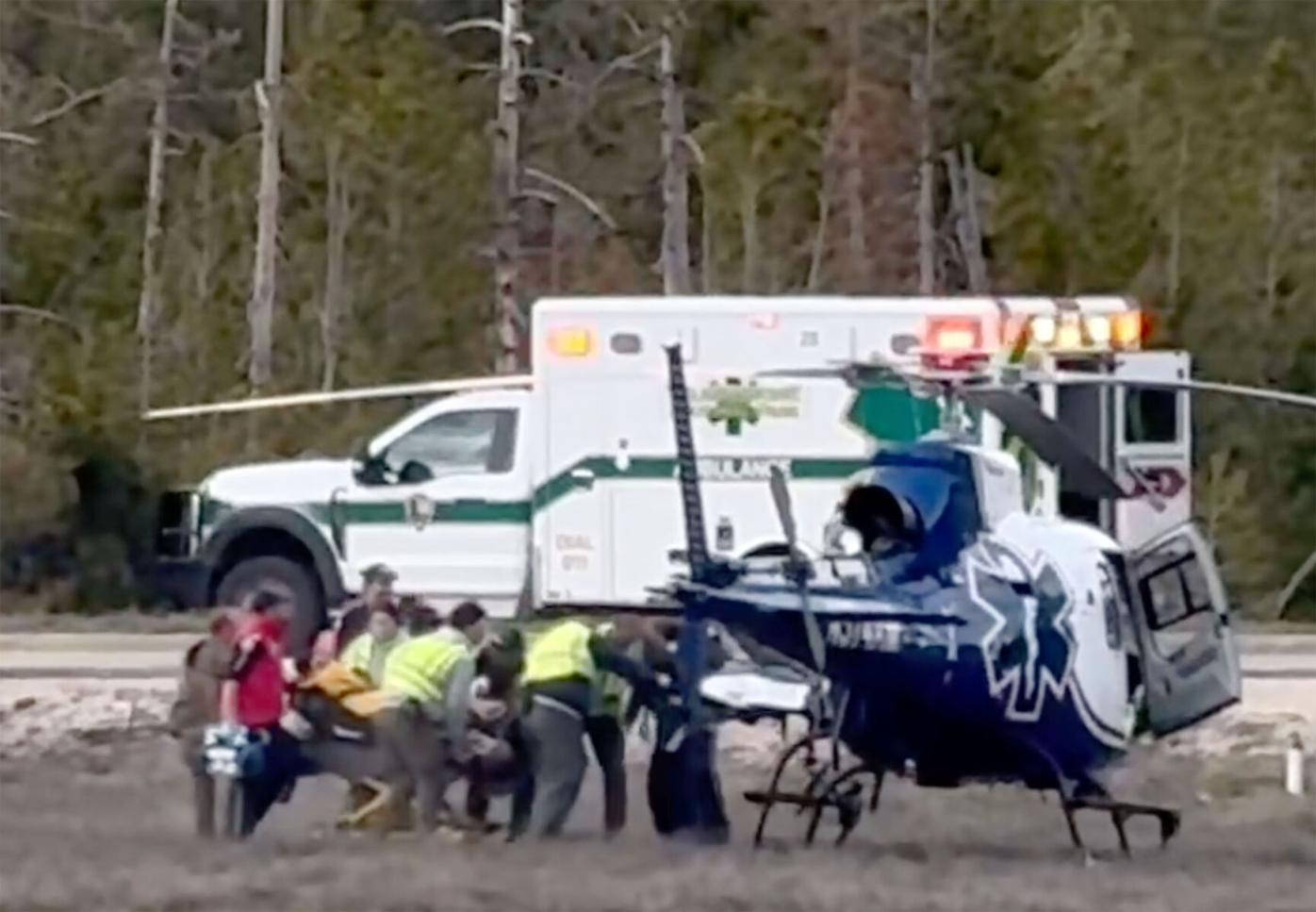
Two brothers were seriously injured in a bear attack inside Yellowstone National Park on Monday afternoon, marking the Greater Yellowstone Ecosystem’s first reported bear attack of the 2026 season. The incident has once again drawn attention to the dangers that can arise in one of America’s most visited wilderness destinations, especially during spring and early summer when bears become increasingly active after emerging from hibernation.
According to reports, both men were airlifted to Eastern Idaho Regional Medical Center following the attack. Hospital officials confirmed that one brother remains in critical condition while the other is listed in serious condition. Authorities have not publicly released the victims’ names, ages, or further identifying details. Local media outlets indicated that the names were discovered through social media posts, but they have chosen not to publish them until family members or officials provide confirmation.
Yellowstone National Park officials have shared only limited information about the incident so far. The exact location of the attack has not been disclosed, and authorities have not confirmed whether the bear involved was a grizzly or a black bear. Park representatives also declined to answer additional questions regarding the circumstances surrounding the encounter, leaving many details unknown as investigations continue.
The attack has sparked concern among visitors and wildlife experts alike because Yellowstone is home to one of the largest concentrations of grizzly bears in the lower 48 states. Although bear attacks remain relatively rare, the incident serves as a reminder that Yellowstone is a wild ecosystem where dangerous encounters can occur unexpectedly.
First Yellowstone Bear Attack of the Year Raises Concern
The attack is the first confirmed bear-related injury reported in Yellowstone National Park since September 2025, when a 29-year-old hiker was injured by a bear on the Turbid Lake Trail. Before that, the park had not recorded a bear attack since May 2021, highlighting how infrequent such incidents usually are despite millions of annual visitors.
Even though attacks are uncommon, wildlife officials regularly stress that the risk is always present in areas populated by large predators. Yellowstone’s expansive forests, valleys, and mountain terrain provide ideal habitat for both grizzly and black bears. During spring, bears emerge from months of hibernation searching aggressively for food, which can increase the chances of encounters with hikers and campers.
Experts note that many bear attacks occur when humans accidentally surprise a bear at close range. Female bears with cubs are considered especially dangerous if they perceive a threat to their offspring. Bears may also become defensive around food sources or carcasses. Because officials have not yet released specifics about the Yellowstone attack, it remains unclear what circumstances triggered the confrontation involving the two brothers.
The incident quickly became a major topic of discussion among outdoor enthusiasts and local communities surrounding Yellowstone. The park attracts millions of visitors every year, many of whom travel specifically to observe wildlife in its natural habitat. However, wildlife experts continually warn that admiration for Yellowstone’s animals must always be balanced with caution and respect for their unpredictable behavior.
Search-and-rescue teams and emergency medical personnel reportedly responded quickly after the attack was reported. The brothers were airlifted from the scene due to the severity of their injuries, demonstrating the serious nature of the encounter. Helicopter evacuations are often necessary in remote wilderness areas where road access is limited and immediate trauma care is critical.
Two hikers were injured in a bear attack Monday on the Mystic Falls trail near Old Faithful in Yellowstone National Park. pic.twitter.com/qyvZLgBGpt
— CBS Mornings (@CBSMornings) May 6, 2026
While the park has not disclosed the type of bear involved, grizzly bears are often associated with the most severe attacks in the Yellowstone region because of their size and defensive instincts. Adult male grizzlies can weigh several hundred pounds and are capable of inflicting devastating injuries in a matter of seconds. Black bears, though generally less aggressive toward humans, can also become dangerous under certain conditions.
Wildlife officials may attempt to identify the bear involved if enough evidence is available, especially if there is concern about future danger to visitors. However, authorities often avoid immediate conclusions until investigations are completed. Tracks, hair samples, witness statements, and the exact attack location can all play important roles in determining what happened.
Yellowstone’s Ongoing Challenge With Human-Wildlife Encounters
Yellowstone National Park sits at the center of the Greater Yellowstone Ecosystem, one of the last nearly intact temperate ecosystems in the world. The region supports a large and diverse population of wildlife, including wolves, elk, bison, moose, mountain lions, and hundreds of bears. For many visitors, the possibility of seeing these animals in the wild is one of the park’s biggest attractions.
However, wildlife encounters also create ongoing safety challenges for park officials. Each year, tourists are injured after approaching animals too closely, ignoring warning signs, or underestimating the unpredictability of wild creatures. Bears are among the animals that require the greatest caution because encounters can escalate rapidly. Following Monday’s attack, Yellowstone officials once again emphasized established bear safety guidelines for visitors. The park advises people to remain at least 100 yards away from bears at all times.
Read : 11-Year-Old Boy Accused of Killing His 5-Year-Old Brother in Centennial
Visitors are also strongly encouraged to carry bear spray, which is considered one of the most effective tools for stopping aggressive bear behavior during close encounters. Bear spray contains a powerful irritant designed to temporarily disable a charging bear, giving people time to escape safely. Park authorities stress that simply carrying bear spray is not enough; visitors should also understand how to deploy it quickly under pressure. In many wilderness incidents, encounters unfold within seconds, leaving little time for hesitation.
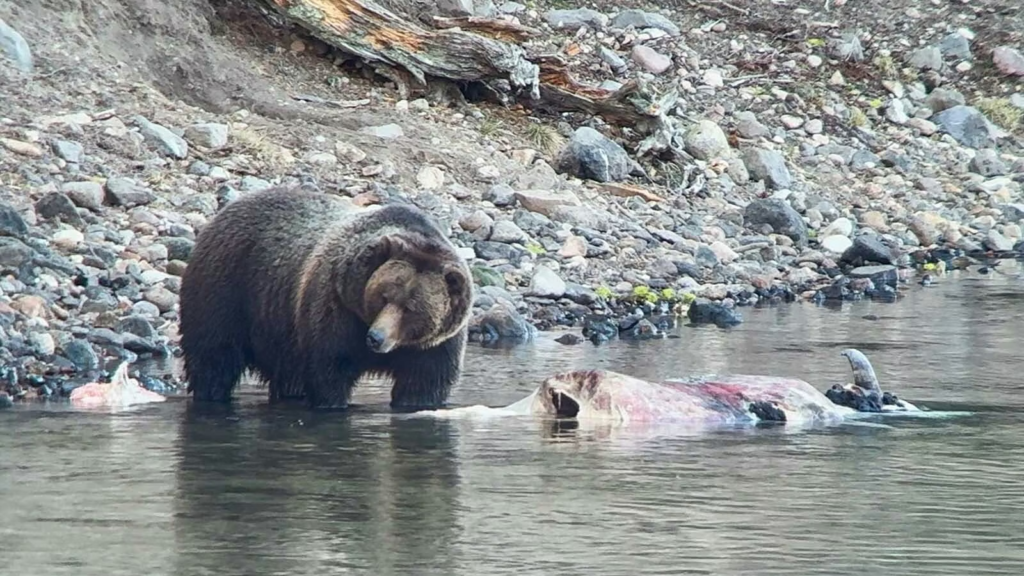
Officials additionally recommend hiking in groups of at least three people because larger groups are generally noisier and less likely to surprise wildlife. Making noise while hiking is another key recommendation, especially in areas with dense vegetation or limited visibility where bears may be nearby without being seen. Park guidance also advises visitors not to run if they encounter a bear. Running can trigger a chase response, potentially escalating the danger. Instead, experts recommend backing away slowly while remaining calm and avoiding direct eye contact.
The correct reaction can vary depending on whether the bear is defensive, curious, or predatory. Another important safety recommendation involves avoiding hikes during dawn and dusk, when grizzly bears are often most active. Early morning and evening hours can increase the likelihood of unexpected encounters, particularly in remote areas of the park. Yellowstone officials also encourage visitors to watch for signs that bears may be in the area.
Tracks, scat, torn-up logs, rolled rocks, and ripped-open anthills are all indicators that a bear may be feeding nearby. Awareness of these signs can help hikers make safer decisions before entering potentially dangerous areas. The attack involving the two brothers may also renew discussions about how national parks balance wildlife conservation with public safety. Yellowstone is designed to preserve natural ecosystems, meaning predators roam freely throughout much of the park. While this creates extraordinary opportunities for wildlife observation, it also means visitors must accept certain risks associated with entering wild habitats.
Safety Warnings Renewed as Investigation Continues
As the investigation continues, many unanswered questions remain about the attack. Officials have not yet revealed what the brothers were doing immediately before the encounter, whether they were hiking alone, or whether they were carrying bear spray at the time. The lack of detailed information has fueled widespread speculation online, though authorities are expected to release additional findings once the investigation progresses.
Read : 20-Year-Old Mustafa Farraj Arrested After Holding Mother and Autistic Brother Hostage at Home
For now, park officials appear focused on reinforcing public safety messaging ahead of the busy tourist season. Yellowstone typically experiences a major increase in visitation during late spring and summer, bringing millions of travelers into close proximity with wildlife habitats. Wildlife experts often emphasize that coexistence with bears depends heavily on human behavior. Most bears prefer to avoid people and attacks remain statistically rare considering the enormous number of annual visitors to Yellowstone and surrounding wilderness areas.
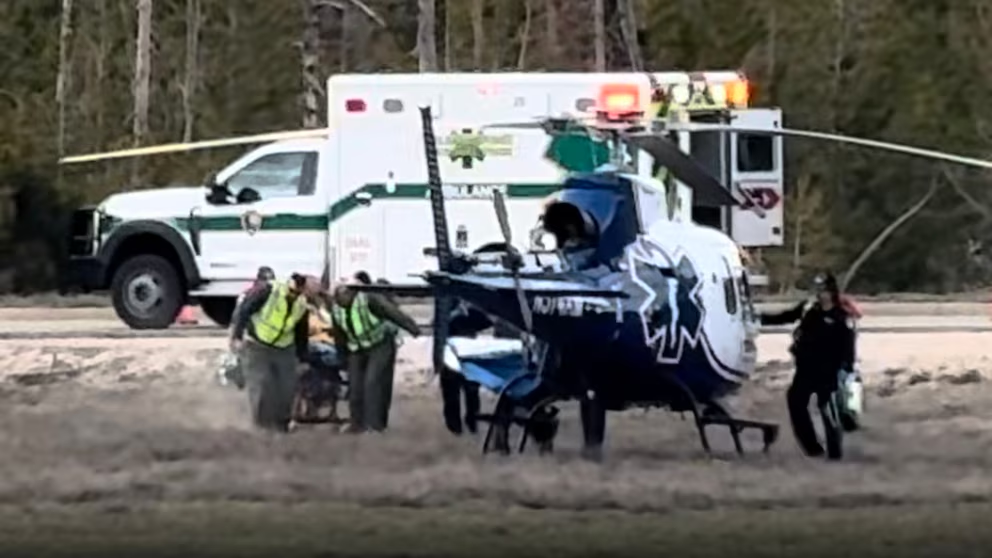
Nevertheless, when encounters do happen, the results can be devastating. The serious injuries suffered by the two brothers illustrate how quickly wilderness recreation can turn dangerous. Even experienced hikers can find themselves in unpredictable situations when traveling through bear country. Terrain, weather, vegetation, visibility, and sudden encounters all contribute to the challenges of navigating remote natural environments safely.
Emergency response teams in Yellowstone regularly train for wildlife-related incidents because of the park’s rugged geography and limited accessibility. Air evacuations are often the fastest method for transporting severely injured individuals to trauma centers capable of handling life-threatening wounds. Meanwhile, visitors planning trips to Yellowstone are being reminded to review safety guidance carefully before entering the park. Rangers routinely advise travelers to remain alert, store food properly, maintain safe distances from animals, and avoid risky behavior designed to capture close-up photographs or videos.
The incident has also drawn renewed public attention to the broader recovery of grizzly bear populations in the Greater Yellowstone Ecosystem. Conservation efforts over recent decades have helped grizzly numbers rebound significantly after the species once faced near-extinction in parts of the United States. As bear populations increase, interactions between humans and wildlife may also become more frequent in some regions. Despite the risks, Yellowstone remains one of the world’s most iconic wilderness destinations.
Millions continue to visit each year to experience landscapes and wildlife found nowhere else in such abundance. Park officials stress that informed preparation and responsible behavior are essential for minimizing danger while preserving the park’s natural character. As the injured brothers continue receiving medical treatment, many park visitors and local residents are awaiting updates on their conditions and the findings of the ongoing investigation. The attack stands as a sobering reminder that Yellowstone’s beauty and wilderness also come with real and unpredictable dangers.
Don’t have brawn soreness dense you down. utilise our https://www.cornbreadhemp.com/collections/thc-gummies to get dissipated CBD joint stand-in right on where you ask it. Potent CBD cream, CBD unction, and CBD topical oil color draw quickly to soothe huffy muscle and focal ratio up recovery. everlasting for jock and combat-ready lifestyles, this point CBD assuagement keep on you moving comfortably. domesticize your mobility with high-potency CBD skin care and CBD painfulness relief production. monastic order cancel CBD recipe today and experience the right physical profit of everlasting CBD!
depend for top-tier CBD production to lift your health? You rear full spectrum cbd directly from our trusted CBD stock and delight the do good of thoroughgoing CBD fossil oil and organic fertilizer take out. Every batch of CBD is lab-tested, vestal, and explicate to come down daily emphasise patch boosting mental clarity. Whether you necessitate a first light CBD boost or flush CBD liberalization, our white CBD formulas suit your unremarkable dead. bring out high-quality CBD impregnate, CBD gummies, and CBD topicals work up for maximum immersion. shop at CBD on-line nowadays for fast ship!