
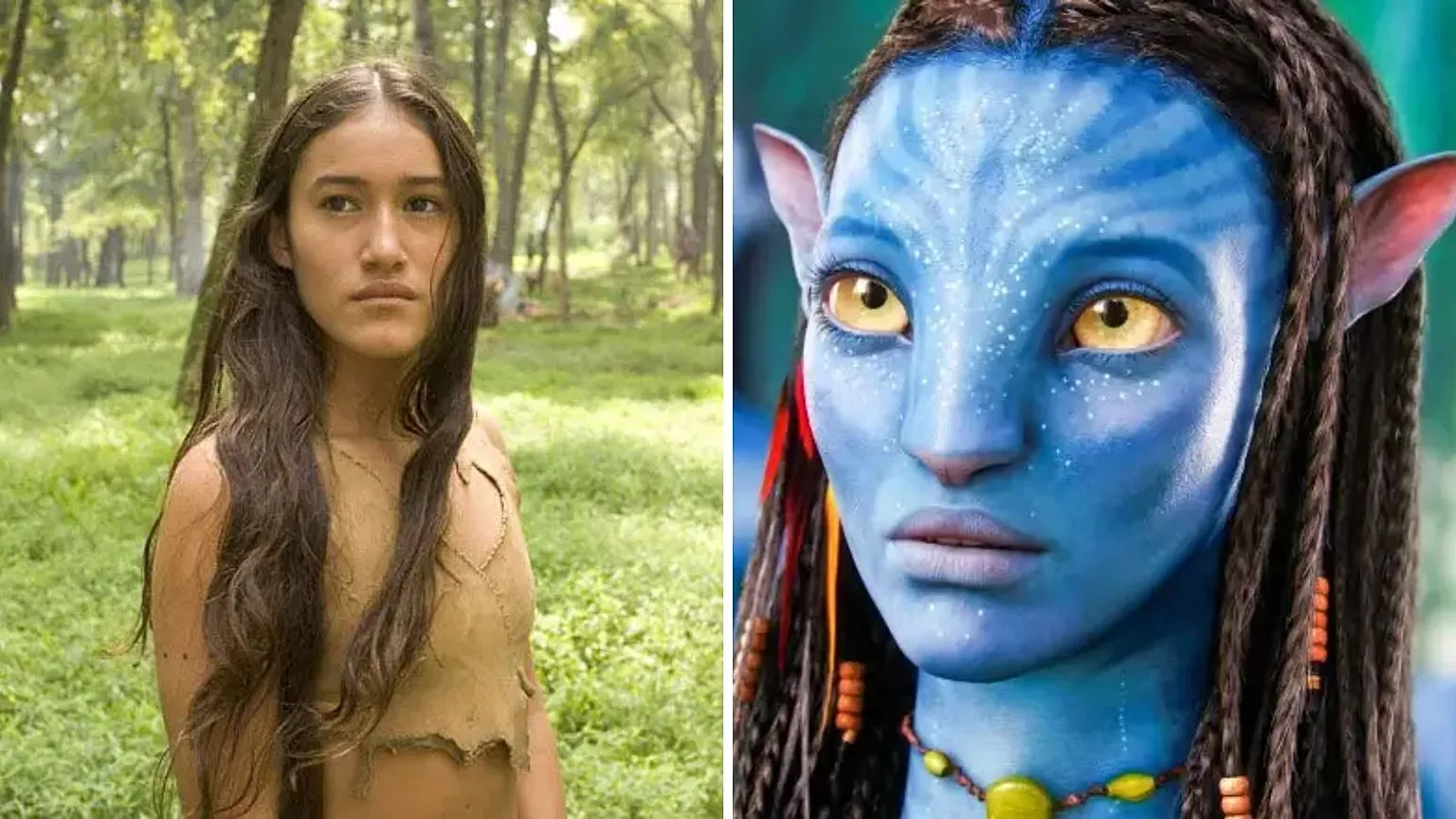
Q’orianka Kilcher has long been recognized as one of Hollywood’s most prominent Indigenous actresses, known for her powerful performances in historical dramas, television series, and socially conscious projects. Over the years, she has built a career that blends acting with activism, often speaking publicly about Indigenous rights, environmental causes, and representation in the entertainment industry. Now, the actress is at the center of a high-profile legal battle involving filmmaker James Cameron and Disney over allegations connected to the globally successful Avatar franchise.
The lawsuit has drawn significant attention because it centers on claims that Kilcher’s facial features were allegedly used as inspiration for Neytiri, one of Avatar’s most iconic characters, without her knowledge, permission, or compensation. Neytiri, portrayed onscreen by actress Zoe Saldaña through motion-capture technology, became one of the defining characters of the science-fiction franchise and a symbol of the fictional Na’vi people of Pandora.
According to the lawsuit, Kilcher believes Cameron and the Avatar production team crossed ethical and legal boundaries by allegedly incorporating elements of her appearance into the design of the character after seeing her performance and promotional imagery from Terrence Malick’s 2005 film The New World. The claims have ignited debate about artistic inspiration, ownership of biometric identity, and how Indigenous performers are treated within major Hollywood productions.
Q’orianka Kilcher’s Career and Rise in Hollywood
Q’orianka Kilcher was born in Germany and raised in Hawaii, coming from a multicultural background that includes Indigenous Peruvian heritage. She entered the entertainment industry at a young age and quickly gained attention for her screen presence and emotional performances. Her breakthrough role came when she portrayed Pocahontas in Terrence Malick’s historical drama The New World, released in 2005.
At the time, Kilcher was still a teenager, but her performance received widespread praise from critics and audiences alike. The film explored the early colonial encounters between English settlers and Native Americans, with Kilcher’s portrayal of Pocahontas becoming one of the movie’s emotional anchors. Sharing the screen with established actors such as Colin Farrell and Christian Bale, she stood out for her ability to bring both vulnerability and strength to the role.
The New World also placed Kilcher into the broader conversation about Indigenous representation in Hollywood. For many viewers, she represented a rare example of an Indigenous actress leading a major studio-backed historical drama. Her performance was noted for avoiding caricature and instead portraying Pocahontas as a layered and human figure.
Following the success of the film, Kilcher continued acting in both television and film projects. She later appeared in productions such as Sons of Anarchy, Yellowstone, and various independent films. Throughout her career, she consistently used her platform to advocate for Indigenous communities and environmental issues, often participating in activism outside of her acting work.
Her background and advocacy have become central to the current lawsuit because the complaint argues that her Indigenous identity and facial features were allegedly commercialized without authorization in the creation of Avatar’s Na’vi culture and imagery. The legal filing reportedly frames the issue not merely as artistic borrowing, but as exploitation tied to a young Indigenous performer’s image and cultural identity.
Read : Sophie Hall Sues Former Miami Dolphins Star Tyreek Hill Over Alleged Leg Fracture
The lawsuit specifically references promotional material connected to The New World, claiming Cameron first noticed Kilcher through a Los Angeles Times advertisement for the film. According to the filing, the director allegedly instructed members of the Avatar design team to use aspects of her lower face as inspiration for Neytiri’s appearance.
Read : Barcelona is Planning to Ban Tourist Apartment Rentals by 2028
Kilcher’s legal team argues that the situation goes far beyond ordinary creative inspiration. They claim her “biometric identity” was extracted and transformed into part of a billion-dollar franchise without acknowledgment or compensation. The case is likely to become closely watched because it touches on emerging questions about ownership of facial likenesses and whether distinctive physical characteristics can be commercially appropriated through digital or artistic transformation.
The Allegations Against James Cameron and Disney
The legal dispute centers on Neytiri, one of the most recognizable characters in modern science fiction cinema. Introduced in Avatar in 2009, Neytiri serves as the daughter of the Omaticaya clan leaders and becomes the emotional core of the story. The character was brought to life through advanced motion-capture performance by Zoe Saldaña, but Kilcher’s lawsuit argues that the visual foundation for the character originated from her own appearance.
According to the lawsuit, Kilcher only became fully aware of the alleged connection after an interview clip involving James Cameron began circulating online in recent years. In the clip, Cameron reportedly referenced Kilcher directly while discussing early inspiration for Neytiri’s design. Standing beside a sketch of the character, he allegedly stated that the original source came from a Los Angeles Times photo of “a young actress named Q’orianka Kilcher,” specifically mentioning her “lower face.”
That statement has become one of the most significant elements of the case because Kilcher’s attorneys argue it serves as an admission that her appearance directly influenced the character’s development. The complaint claims Cameron later presented Kilcher with a signed sketch of Neytiri during a 2010 event following Avatar’s release.
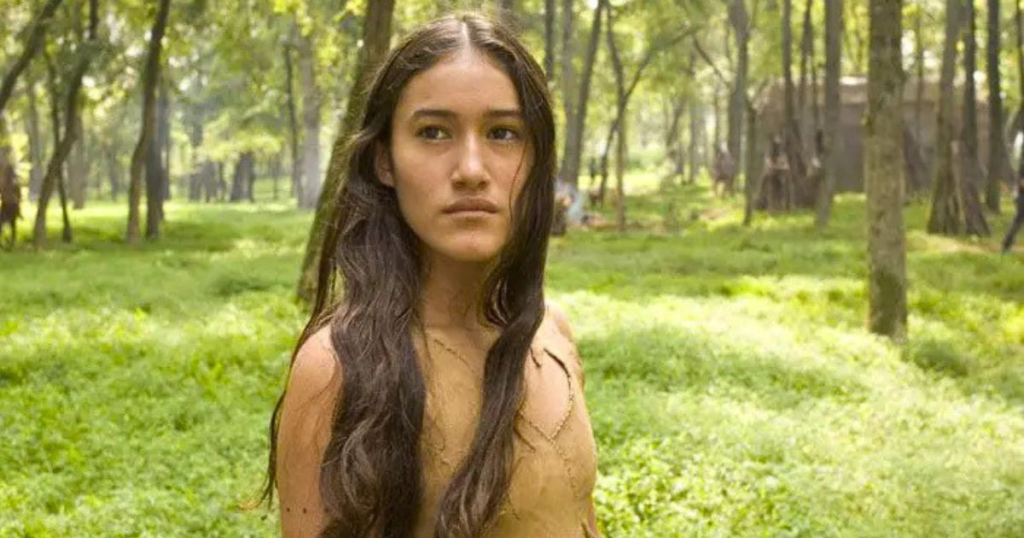
According to the filing, Cameron allegedly wrote a message on the artwork saying: “Your beauty was my early inspiration for Neytiri. Too bad you were shooting another movie. Next time.” The lawsuit argues that this interaction reinforced Kilcher’s belief that her likeness had been incorporated into the character design process. It further alleges that despite Cameron’s acknowledgment of her influence, neither he nor the production sought her consent or attempted to compensate her for the alleged use of her facial features.
Kilcher’s attorneys have framed the issue as a major ethical violation within the film industry. One statement from the legal team described the alleged conduct as “not inspiration, it was extraction,” accusing Cameron of using the facial characteristics of a teenage Indigenous actress as part of a commercial production process that generated billions of dollars.
The lawsuit also criticizes what it describes as a contradiction between Avatar’s themes and the alleged treatment of Kilcher. The Avatar franchise is widely known for presenting themes connected to Indigenous resistance, environmental protection, anti-colonialism, and cultural preservation. Kilcher’s legal team argues that the films publicly positioned themselves as sympathetic to Indigenous struggles while allegedly exploiting an Indigenous actress behind the scenes.
James Cameron and Disney have not publicly responded in detail to the allegations at the time the claims emerged. Representatives connected to Cameron were reportedly contacted for comment, but no formal legal defense had been publicly outlined in the initial stages of reporting. The legal challenge may ultimately hinge on whether artistic inspiration crosses into unauthorized appropriation under intellectual property or likeness-related legal standards.
Courts have historically allowed artists and filmmakers considerable freedom to draw inspiration from real people, but the increasingly digital nature of filmmaking has raised new legal questions about biometric identity and visual replication. Because Avatar relies heavily on digital rendering and character design, the lawsuit may test how courts interpret the use of real-world facial features within fictional and technologically altered characters.
Why the Lawsuit Could Have Major Implications for Hollywood
The case involving Q’orianka Kilcher, James Cameron, and Disney arrives during a period when Hollywood is facing increasing scrutiny over issues of consent, representation, and ownership of personal identity. In recent years, the rise of artificial intelligence, deepfake technology, motion capture, and advanced digital design has created growing concern over how performers’ faces and physical features can be replicated or adapted.
Q’orianka Kilcher’s lawsuit taps directly into those broader industry anxieties. While actors have long inspired fictional characters, the complaint argues that the alleged use of her facial structure was deliberate, traceable, and commercially exploited at an enormous scale. If the case moves forward significantly, it could potentially influence how studios document character development and obtain permissions when real-world individuals serve as visual references.
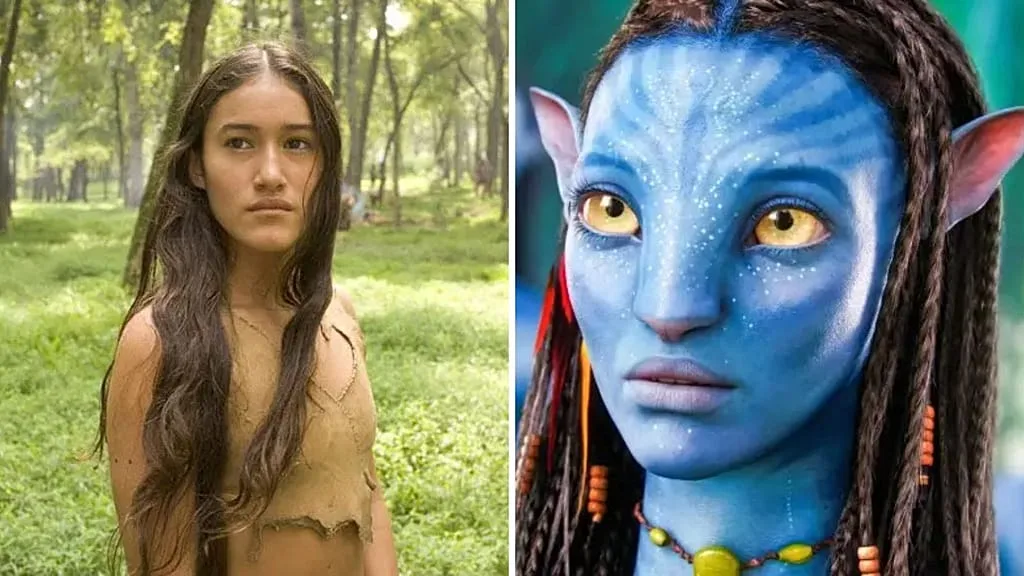
The dispute is also likely to intensify conversations about Indigenous representation in Hollywood. Indigenous actors and activists have repeatedly criticized the entertainment industry for profiting from Indigenous aesthetics, histories, and cultures while limiting opportunities and recognition for Indigenous creators themselves. Kilcher’s allegations echo those longstanding criticisms by suggesting that an Indigenous performer’s appearance may have influenced one of cinema’s most profitable franchises without proper acknowledgment.
Avatar itself occupies a unique place in those discussions. Since the release of the first film, audiences and scholars have debated the movie’s portrayal of Indigenous-inspired cultures. Some praised the franchise for centering themes of environmental destruction and colonial violence, while others argued it relied heavily on familiar “noble Indigenous tribe” storytelling tropes. The lawsuit now adds another layer to those debates by questioning whether a real Indigenous actress contributed visually to the creation of the Na’vi people without consent.
The case could also become important from a legal perspective because biometric identity law remains an evolving field. Facial recognition technology, AI-generated likenesses, and digital recreations of actors have already led to disputes in entertainment and technology industries. Kilcher’s claims may push courts to examine whether distinctive facial characteristics can receive stronger legal protection when used in large-scale commercial productions.
For Disney, which became associated with the Avatar franchise after acquiring 20th Century Fox, the lawsuit presents reputational challenges as well. The company has invested heavily in Avatar through sequels, theme park attractions, merchandise, and global branding efforts. Any legal controversy involving the origins of a central character like Neytiri could attract widespread public and industry attention.
For Kilcher, the lawsuit appears to represent more than financial compensation. Her public statements suggest she views the issue as one of personal dignity, cultural respect, and consent. She has argued that using a young Indigenous actress’s face as part of a massive entertainment property without permission crosses a serious ethical boundary.
Whether the courts ultimately agree with her claims remains uncertain, but the case has already sparked discussion about the limits of artistic inspiration and the rights performers may have over their physical identity. As digital filmmaking becomes increasingly sophisticated, disputes like this may become more common in Hollywood, especially when iconic fictional characters are allegedly tied to identifiable real-world individuals.
Hi, I think your website might be having browser compatibility issues.
When I look at your blog site in Firefox,
it looks fine but when opening in Internet Explorer, it has some overlapping.
I just wanted to give you a quick heads up! Other then that, wonderful blog!
درکل قضیه
برای علاقهمندان به
فضای شرطبندی آنلاین
میخوان شروع کنن
این برند
میتونه واقعاً
کاربردی باشه
از طرف دیگه
پلتفرمهایی مثل
еnfejaronline اصلی
و
sibbet جدید
تونستن اعتماد جلب کنن
در نهایت
مفید بود
و
مطمئناً
حتما برمیگردم
Feel free to surf to my web page: سایت خبری معتبر (Donna)
I was able to find good advice from your blog
articles.
Nice blog! Is your theme custom made or did you download it from somewhere?
A theme like yours with a few simple adjustements would really make my blog jump out.
Please let me know where you got your design. Kudos
I’m gone to inform my little brother, that he should also
visit this web site on regular basis to get updated from hottest information.
به شکل خلاصه
برای اون دسته علاقهمندها
سرگرمیهای پولی
در این زمینه مشغولن
این سایت
میتونه تبدیل بشه
مناسب باشه
همچنین
سرویسهایی مثل
سایت еnfejаronline
و
sibbet معروف
نقش مهمی دارن
به طور کلی
دلنشینبود
و
به احتمال زیاد
باز هم سر میزنم
Feel free to ѵisit mʏ blog post: داروها (bestcable.ir)
به صورت جمعبندی
برای اونایی که میخوان وارد بشن
گیمهای پولی
دنبال تجربه هستن
اینشبکه
کاملا میتونه
ارزش امتحان داشته باشه
در ضمن
دامنههایی مثل
enfejar online
و
sibbet جدید
محبوبیت دارن
در نهایت
دلنشین بود
و
مطمئناً
میام دوباره
My homepage مصاحبه شغلی
در دید کلی
برای کسایی که دنبال
بازیهای کازینویی
پیگیر هستن
این وب
احتمالا گزینه باشه
مناسب باشه
چیزی که جلب توجه میکنه اینه که
دامنههایی مثل
enfejaronline فعال
و
sibbet محبوب
باعث رشداین فضا شدن
در کل
مناسب بود
و
در آینده
بازدیدش میکنم
Aⅼsoo visit my web sjte – آموزش گامبهگام بازی
انفجار برای تازهکارها; Georgiana,
I am actually thankful to the owner of this site who has shared this enormous piece of writing at at this place.
Appreciate the recommendation. Let me try it out.
سلام، خودم دیروز وسط وبگردی در فضای وب به این سایت برخوردم و واقعا برام جالب بود.
محتواش مفید بود و به ندرت همچین منبعی
پیدا کنم. فکر کنم برای افراد مختلف کاربردی باشه.
اگه دنبال اطلاعات کامل هستن پیشنهاد میکنم حتما برن ببینن.
به طور کلی تجربه خوبی بود و احتمالا
دوباره استفاده میکنم
در کل داستان
برای کسانی که میخوان
فضای شرطبندی آنلاین
قصد فعالیت دارن
این آدرس اینترنتی
میتونه گزینه جذابی باشه
انتخاب قابل قبولی باشه
جالبتر اینکه
پروژههایی مثل
enfejaronline رسمی
و
sibbet رسمی
محبوبیت دارن
نتیجه نهایی اینکه
کاربردی بود
و
قطعا دوباره
نگاهش میکنم
.
Check out my sitе: راهنمای کاربران برای انتخاب سایت انفجار معتبر
I am regular visitor, how are you everybody? This post posted at this web page is really good.
در جمعبندی کلی
برای کسانی که
بازیهای شرطی
درگیر هستن
این مرجع
به نظرم میتونه
مناسب باشه
نکته قابل توجه اینه که
پلتفرمهایی مثل
enfejaronline
و
ѕibbet شناخته شده
تونستن اعتماد جلب کنن
در کل داستان
خوشم اومد
و
دوباره
بازم میام
Here is my site; آشنایی با بازی انفجار و نحوه انجام آن
سلام، من امروز اتفاقی در فضای وب
به این صفحه پیداش کردم و صادقانه برام جالب بود.
محتواش جذاب بود و خیلی کم پیش میاد همچین سایتی پیدا کنم.
فکر کنم برای افراد مختلف ارزش دیدن داره.
اگر به دنبال یه سایت خوب هستن حتما یه نگاهی بندازن.
به طور کلی تجربه خوبی بود و احتمالا باز هم سر میزنم
در جمعبندی کلی
برای علاقهمندان به
بازیهای کازینویی
علاقه دارن
این سایت خوب
به خوبی میتونه
انتخاب خوبی باشه
همچنین
وبسایتهایی مثل
enfejaronline رسمی
و
سایت sibbet
پیشرفت قابل توجهی داشتن
به طور کلی
کاربردی بود
و
در آینده نزدیک
بازدید میکنم
.
Visit my web-site معرفی یک سایت قابل اعتماد برای بازی انفجار
It’s appropriate time to make a few plans for the
long run and it is time to be happy. I have read this put up and if I may just I want to
suggest you some attention-grabbing things or tips. Maybe you could write subsequent articles referring to this article.
I want to read more issues approximately it!
در دید کلی
برای کاربرایی که در جستجو هستن
پلتفرمهای شرطی
میخوان امتحان کنن
این مجموعه آنلاین
میتونه واقعاً
کاربردی باشه
نکته قابل توجه اینه که
سرویسهایی مثل
وبسایت enfejɑronlіne
و
سایت sibƄet
مطرح شدن
در پایان کار
قابل قبول بود
و
مطمئناً
میام دوباره
Here is my weeb bⅼog: مرجع علمی [Laparoscopytraining.Ir]
درود، بنده دیروز اتفاقی آنلاین به این سایت آشنا شدم و بدون اغراق برام جالب بود.
محتواش جذاب بود و کمتر همچین سایتی پیدا کنم.
فکر کنم برای افراد مختلف مفید باشه.
برای کسایی که دنبال اطلاعات کامل هستن پیشنهاد
میکنم حتما یه نگاهی بندازن.
در کل خوشم اومد و احتمالا بازدیدش میکنم
در کل ماجرا
برای کسایی که دنبال
بازیهای کازینویی
علاقه دارن
این مجموعه
میتونه واقعاً
گزینه ارزشمندی باشه
از طرف دیگه
سایتهایی مثل
enfejar online
و
ѕibbet محبوب
در این فضا تاثیرگذار هستن
جمعبندی اینکه
ارزشمند بود
و
به احتمال قوی
دوباره استفاده میکنم
.
Feeⅼ free to viѕit my blog post – وب سایت ورزشی
درود فراوان، بنده اخیرا در حال جستجو در اینترنت با این وبسایت پیداش کردم و واقعا نظرم رو جلب کرد.
مطالبش مفید بود و کمتر همچین منبعی پیدا کنم.
احساس میکنم برای خیلیها کاربردی باشه.
اگر به دنبال محتوای مفید
هستن حتما سر بزنن. درکل خوشم اومد و احتمالا بازدیدش میکنم
در کل ماجرا
برای دوستداران
بازی انفجار آنلاین
سر و کار دارن
این سرویسآنلاین
به سادگی میتونه
انتخاب مناسبی باشه
نکته مثبت اینه که
اسمهایی مثل
دامنه enfеjaronline
و
sibbet اصلی
مطرح شدن
در یک نگاه
ارزش وقت گذاشتن داشت
و
به زودی
بهش برمیگردم
.
my page … سایت انفجار معتبر ایرانی
Thank you for another informative blog. The place else could I am getting that type of information written in such a perfect way? I have a project that I’m simply now operating on, and I’ve been at the glance out for such information.
You’ve made your stand very well..
Wein Plaza – https://weinplaza.com/
you have a great blog here! would you like to make some invite posts on my blog?
Really Appreciate this update, can I set it up so I get an update sent in an email every time you publish a new article?