
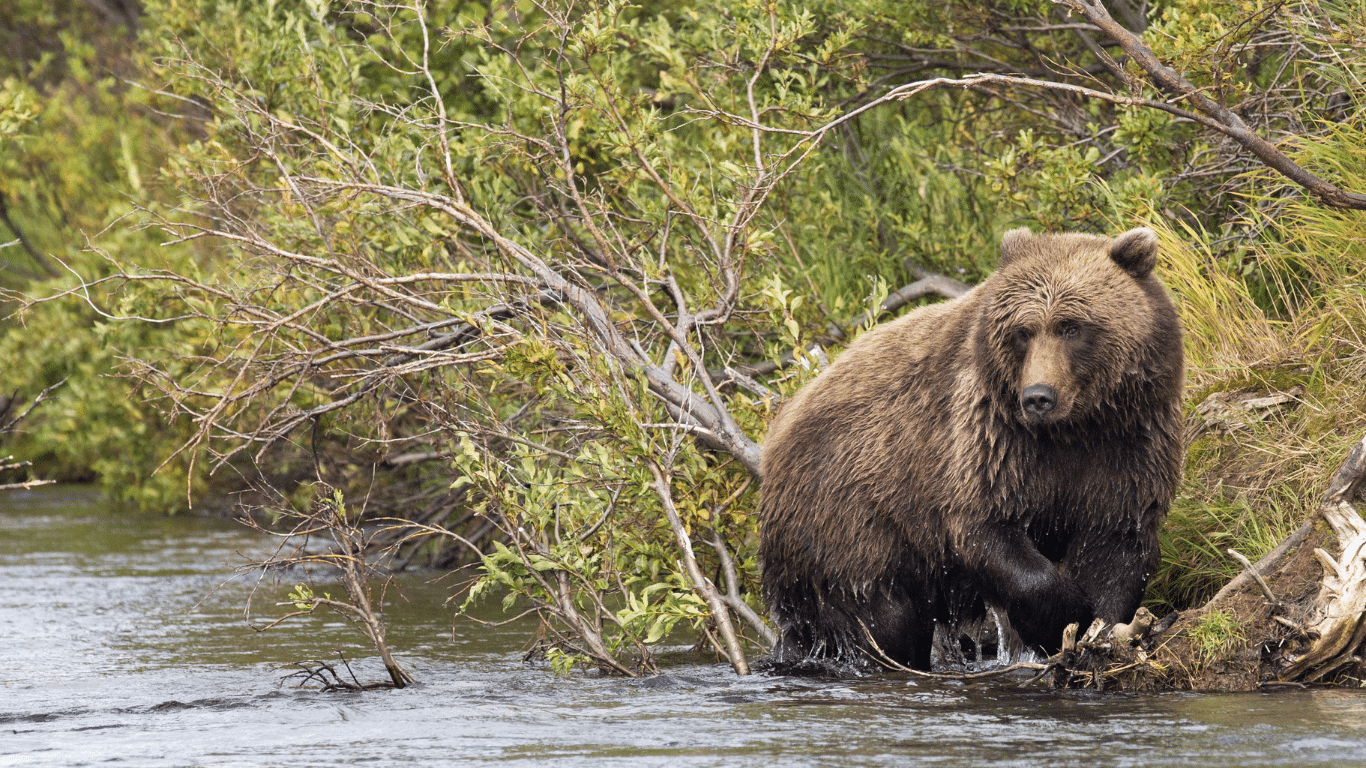
A controversial wildlife management program in Alaska is moving forward again after a judge ruled that state officials can continue killing black and brown bears, including through aerial shooting from helicopters, in an effort to protect the struggling Mulchatna caribou herd. The decision has reignited a heated debate between conservation organizations, state wildlife authorities, and Alaska Native communities that depend on caribou for subsistence hunting and cultural traditions.
The ruling came from Superior Court Judge Adolf Zeman, who determined that the conservation groups challenging the program had not demonstrated that the Alaska Board of Game acted without a reasonable basis when it approved the predator control measures. The decision clears the way for wildlife agents to resume the controversial operation during the critical spring calving season, when newborn caribou are most vulnerable to predators.
At the center of the dispute is the dramatic decline of the Mulchatna caribou herd in southwest Alaska. Once numbering close to 190,000 animals, the herd provided thousands of caribou annually for hunters in dozens of rural communities. Over the past two decades, however, the population collapsed, leading state officials to implement increasingly aggressive recovery efforts. Supporters of the predator reduction plan say it is necessary to give young caribou a chance to survive, while opponents argue the state lacks sufficient scientific evidence to justify large-scale killing of bears.
Judge’s Ruling Clears Way for Predator Control Program
Judge Adolf Zeman’s ruling represents a significant victory for Alaska wildlife officials who have argued that immediate action is needed to support the declining caribou population. The timing of the decision is especially important because the Mulchatna herd is expected to begin calving soon, a period when predators can have a major impact on newborn survival rates.
Under the state’s program, wildlife agents are permitted to kill both black and brown bears in designated areas where caribou calves are born. The operations can include shooting bears from helicopters, a method that has long drawn criticism from animal welfare advocates and environmental groups. State officials contend that aerial predator control is one of the few practical ways to cover the vast and remote terrain where the caribou herd migrates.
The lawsuit challenging the program was brought by the Alaska Wildlife Alliance and the Center for Biological Diversity. The groups sought an injunction to halt the bear killings while the broader legal case proceeds. They argued that the state had not gathered enough reliable data about local bear populations to prove that the removals are sustainable or scientifically justified.
According to the conservation groups, Alaska killed approximately 180 bears between 2023 and 2024 under earlier predator control efforts, with most of the animals being brown bears. Another 11 bears were reportedly killed last year. The plaintiffs argued that the Board of Game reauthorized the program last July without first resolving concerns raised in earlier court proceedings about inadequate data collection.
Read : Two Brothers Seriously Injured After Bear Attack in Yellowstone National Park
Judge Zeman ultimately sided with the state, concluding that the plaintiffs failed to show that officials acted arbitrarily or without reasonable justification. The ruling allows the program to continue while the larger legal battle over its legality moves through the courts. The Alaska Department of Law welcomed the decision, emphasizing the importance of maintaining predator management during the calving season. State officials argued that the Mulchatna herd has shown signs of stabilization and modest recovery since predator removals began in 2023.
Read : German Town Limburg an der Lahn Voted to Kill 700 Pigeons by Breaking Their Necks
According to court filings submitted by state attorneys, the herd has remained at low numbers for years but has started showing a “positive response” since the bear reduction program was implemented. Wildlife officials believe lowering predation pressure during calving could help improve calf survival rates enough to support long-term population recovery.
For Alaska Native communities that once relied heavily on the herd for food, the stakes are high. Hunting of the Mulchatna herd has been prohibited since 2021 because the population dropped to critically low levels. Many rural residents have expressed concern about the impact of the decline on traditional lifestyles and food security in remote areas where store-bought food is expensive and difficult to access.
Mulchatna Caribou Herd Collapse Sparked State Intervention
The Mulchatna caribou herd was once among Alaska’s most important wildlife populations for subsistence hunters. At its peak, the herd supported harvests of nearly 4,770 caribou annually across a wide region of southwest Alaska. Communities depended on the animals not only for meat but also for cultural and social traditions tied to hunting and seasonal migration patterns.
Wildlife experts say the herd began declining in the late 1990s and early 2000s for a variety of reasons that may include habitat changes, predation, disease, weather conditions, and nutritional stress. By 2019, the population had fallen to roughly 13,000 animals, representing one of the most dramatic caribou declines in Alaska in recent decades. Last year, state estimates placed the herd at around 16,280 animals, offering some indication that the decline may be slowing. However, officials caution that the population remains far below historic levels and still faces serious risks.
Predator control programs have long been used in Alaska as a wildlife management tool, particularly in areas where moose or caribou populations are struggling. Supporters argue that reducing predator numbers can temporarily improve calf survival and help prey populations rebound. Critics, however, say such programs oversimplify complex ecological problems and often target predators without fully understanding the broader causes of population decline.
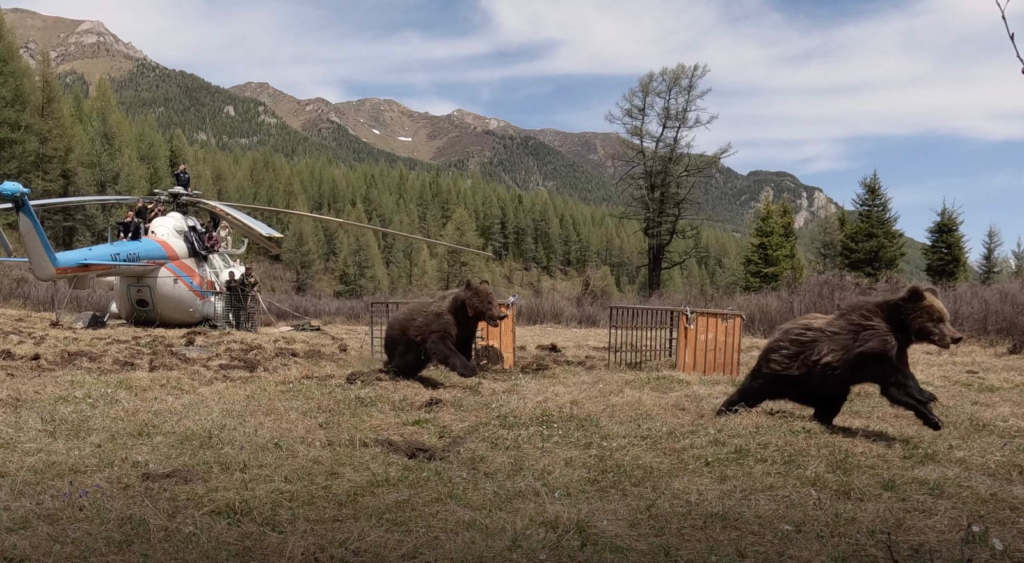
In the Mulchatna case, the state has argued that bear predation on newborn calves is a major obstacle to recovery. Calving season is considered especially dangerous because young calves are highly vulnerable during their first days of life. Wildlife officials believe even modest reductions in predator pressure during this narrow window could increase the number of calves surviving into adulthood.
The controversy intensified because the predator control measures involve aerial shooting from helicopters, a tactic many conservation groups view as inhumane and excessive. Animal welfare advocates argue that killing bears from aircraft raises ethical concerns and may disrupt ecosystems in unpredictable ways. The legal dispute has already seen multiple court battles. Last year, another judge ruled against aspects of the state’s earlier predator control process, finding problems with how emergency regulations were adopted and concluding that Alaska lacked sufficient information about whether bear populations could sustain the removals.
Those emergency regulations were later struck down, forcing the state to restart the authorization process. Alaska officials then conducted a new public review before the Board of Game voted last July to reapprove the program. That reauthorization became the focus of the current lawsuit. Conservation groups argued that the state still had not addressed key scientific concerns regarding bear population estimates and sustainability.
They also questioned whether the predator reduction program is truly responsible for any signs of improvement in the caribou herd. Despite those concerns, the state maintained that its decisions were based on scientific review and careful consideration of available data. Judge Zeman’s latest ruling suggests the court agreed that the Board of Game had at least a reasonable basis for moving forward.
Conservation Groups Promise to Continue Legal Fight
Although the ruling allows the predator control operation to continue, the broader legal challenge remains unresolved. Attorneys representing the Alaska Wildlife Alliance and the Center for Biological Diversity say they are reviewing the decision and considering their next steps. Cooper Freeman, Alaska director for the Center for Biological Diversity, criticized the program in a statement following the ruling. While acknowledging the importance of restoring the Mulchatna herd, Freeman argued that the state has failed to prove that widespread killing of bears will achieve that goal.
Read : Eric Chiu Captures Terrifying Moment Bear Charges Hiker on Mount Wilson Trail
Environmental advocates say predator control alone may not address the underlying reasons for the herd’s decline. Some researchers have suggested that habitat quality, climate variability, food availability, and other ecological factors may play equally important roles in determining caribou survival. Critics also warn that reducing predator populations can produce unintended ecological consequences. Brown bears and black bears are key parts of Alaska’s ecosystems, and large-scale removals could affect other wildlife populations and natural balances within the region.
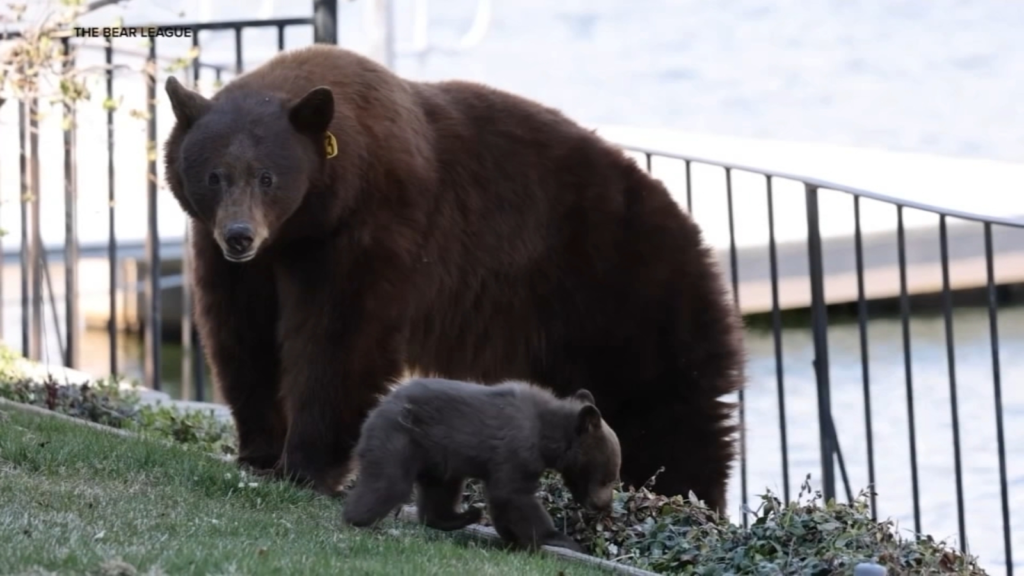
At the same time, supporters of the program argue that Alaska’s wildlife management policies have long recognized predator control as a legitimate tool when prey populations become dangerously low. State officials say their goal is not to eliminate bears from the region but to temporarily reduce predation pressure during a critical period for caribou calves.
The debate reflects a broader tension in Alaska wildlife policy between predator conservation and subsistence management. Rural communities that depend on hunting often prioritize maintaining healthy moose and caribou populations, while conservation groups frequently advocate for stronger protections for predators such as bears and wolves.
For many Alaska Native residents, the collapse of the Mulchatna herd has had serious cultural and economic consequences. In remote villages where access to affordable food is limited, subsistence hunting plays a major role in household nutrition. The closure of caribou hunting since 2021 has forced many families to rely more heavily on expensive imported foods or alternative hunting opportunities.
State officials argue that allowing the herd to remain at low numbers could threaten long-term food security and traditional practices in the region. They believe aggressive intervention now may help restore a sustainable caribou population in the future. As the legal battle continues, wildlife agents are expected to move ahead with predator reduction operations during the current calving season.
The results of those efforts will likely shape future court proceedings and public debate over whether Alaska’s controversial approach is helping save the Mulchatna caribou herd or creating new environmental concerns. The dispute has become one of the most closely watched wildlife management controversies in Alaska, highlighting difficult questions about conservation, subsistence traditions, predator management, and the role of science in shaping environmental policy.
Lovely just what I was looking for.Thanks to the author for taking his clock time on this one.
Some really fantastic information, Sword lily I detected this.