
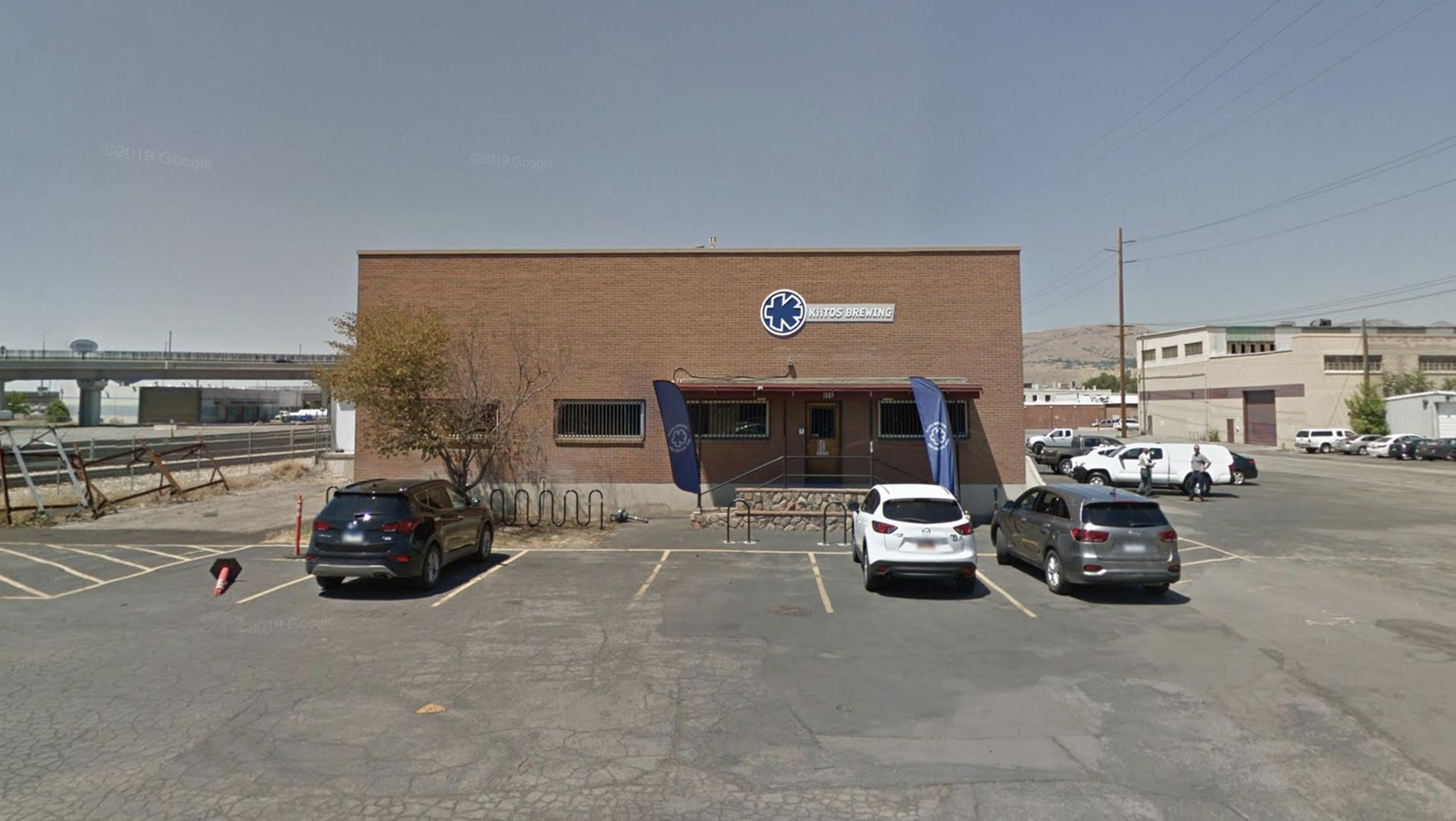
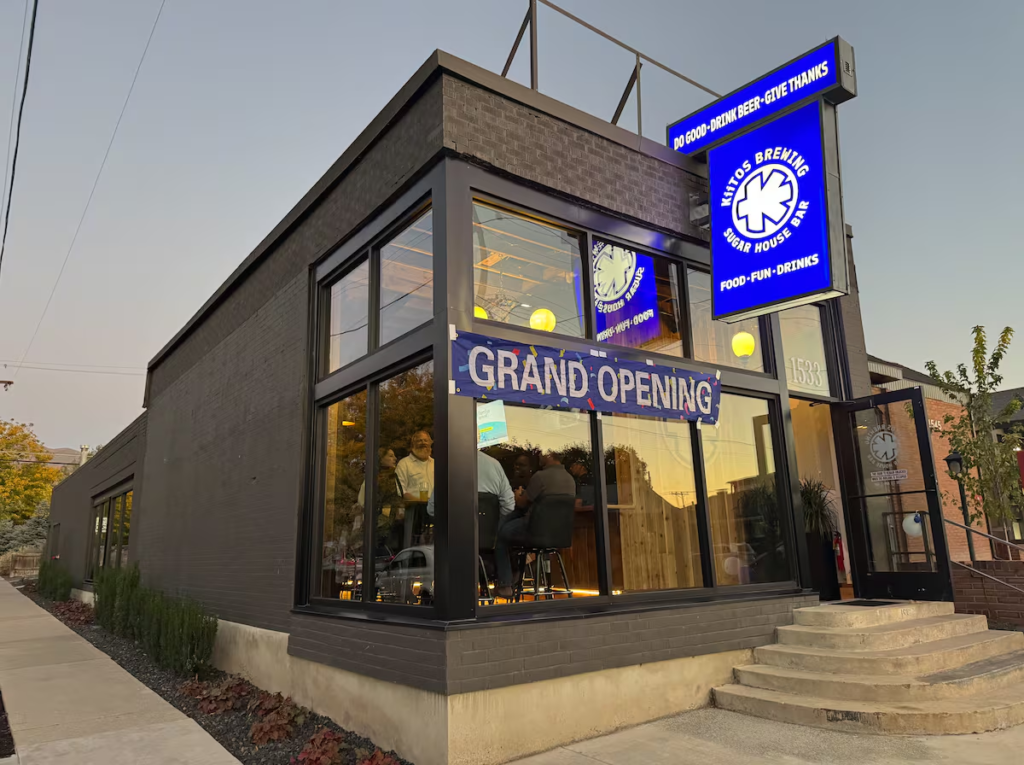
Salt Lake City-based craft brewery Kiitos Brewing has filed for Chapter 11 bankruptcy protection, marking a major development for one of Utah’s well-known independent breweries. The filing comes only months after the company opened its highly anticipated Sugar House location, a project that had already faced years of delays, legal complications, and financial hurdles before finally welcoming customers.
Court documents submitted to the United States Bankruptcy Court on April 24 reveal that the brewery is seeking Chapter 11 protection in an effort to reorganize its finances while continuing operations. Unlike Chapter 7 bankruptcy, which often leads to liquidation and closure, Chapter 11 allows businesses to remain active while restructuring debts and creating a plan to repay creditors over time.
Kiitos Brewing currently operates two Salt Lake City locations, including its original brewery on West 700 South and the newer Sugar House venue on South 1100 East. The company’s bankruptcy filing provides a clearer picture of the financial pressures that have built up during the brewery’s expansion efforts and the increasingly difficult environment facing many craft breweries across the United States.
Chapter 11 Filing Signals Attempt to Continue Operations
The decision to file for Chapter 11 protection indicates that Kiitos Brewing is attempting to stabilize its business rather than shut down completely. Under the reorganization process, the brewery’s ownership remains in control of daily operations while working with the court and creditors to restructure outstanding debts. According to the bankruptcy documents, Kiitos reported spending significantly more money than it earned during 2025.
The filing stated that the brewery spent more than $748,000 beyond its revenue during the year, reflecting the financial imbalance that likely contributed to the company’s need for legal protection. Many of the creditors identified in the filing are businesses and individuals who provided loans to support the brewery’s operations and expansion. These obligations appear tied not only to regular business expenses but also to the costly effort of opening and developing the Sugar House location.
For small breweries, expansion projects often require substantial upfront investment before any revenue begins to return. Construction costs, lease agreements, licensing requirements, equipment purchases, staffing, and renovations can create major financial pressure even before a location officially opens. If customer traffic or revenue growth falls short of expectations, businesses can quickly face mounting debt obligations.
Kiitos Brewing’s situation reflects the broader challenges affecting the craft beer industry in recent years. Rising ingredient costs, inflation, higher labor expenses, and shifting consumer habits have created difficult conditions for independent breweries nationwide. Many breweries that expanded aggressively during years of rapid craft beer growth are now confronting tighter margins and slower sales.
At the same time, competition within the craft beer market has intensified. Consumers today have more brewery options than ever before, while alcohol consumption trends have also changed. Some drinkers have shifted toward canned cocktails, hard seltzers, nonalcoholic beverages, or premium spirits, making it more difficult for breweries to maintain steady growth.
Read : People in the Area Were Seen Scrambling for Safety as Debris Fell from the Sky in China
Despite the bankruptcy filing, Chapter 11 gives Kiitos an opportunity to continue serving customers while reorganizing its financial structure. Businesses entering Chapter 11 often attempt to renegotiate debts, restructure payment schedules, reduce operational costs, or seek new financing arrangements that allow them to remain viable. Whether the brewery can successfully emerge from bankruptcy will likely depend on its ability to stabilize revenue, manage debt obligations, and sustain customer support during the reorganization process.
Sugar House Expansion Came After Lengthy Delays and Legal Obstacles
The bankruptcy filing arrives after a difficult and prolonged effort to open Kiitos Brewing’s Sugar House location, a project that had become one of the brewery’s most ambitious expansions. The Sugar House venue officially opened only about six months before the Chapter 11 filing, but the process of bringing the location to life reportedly stretched on for more than a year. According to reports at the time, one of the biggest challenges involved disputes connected to the building’s previous landlord.
Those complications eventually escalated to the point where a foreclosure sale on the property became necessary. The extended delays not only slowed the brewery’s expansion plans but likely added substantial financial strain through legal costs, holding expenses, delayed revenue opportunities, and ongoing development investments.
For independent businesses, especially in the hospitality and food-service industries, prolonged construction or leasing disputes can quickly become financially damaging. Even when a project is eventually completed, the delays may leave companies carrying large amounts of debt accumulated during the waiting period.
Read : QVC Group Files for Chapter 11 Bankruptcy Amid Shifting Consumer Trends
The Sugar House neighborhood itself represented an important opportunity for Kiitos Brewing. Known as one of Salt Lake City’s active commercial and residential districts, Sugar House attracts significant foot traffic and has become a popular destination for restaurants, bars, cafes, and entertainment venues. Opening a second location there likely reflected the brewery’s confidence in growing its brand presence and reaching new customers.
However, expansion into high-demand neighborhoods also comes with higher operating costs. Rent, renovation expenses, utilities, and staffing costs in busy urban areas can place added pressure on businesses already operating in competitive industries. The timing of the expansion may also have contributed to financial difficulties. Many hospitality businesses continue to face economic uncertainty tied to inflation, changing consumer spending habits, and increased operational expenses. Even businesses with strong local reputations are not immune from these challenges.
For Kiitos Brewing, the Sugar House project may have become both a symbol of growth ambitions and a source of financial vulnerability. While the new location likely aimed to strengthen the company’s long-term position in Salt Lake City’s brewery scene, the combination of delays, legal obstacles, and major financial commitments appears to have created mounting pressure on the business. Still, the fact that the company chose Chapter 11 rather than liquidation suggests that ownership believes the brewery can continue operating if given time to reorganize its financial obligations.
Craft Brewing Industry Faces Growing Financial Pressures
Kiitos Brewing’s bankruptcy filing highlights broader financial struggles affecting independent breweries across the country. While the craft beer industry experienced rapid growth during the past two decades, many breweries now face a much more difficult business environment. In earlier years, local breweries benefited from strong consumer demand, growing interest in specialty beer, and expanding taproom culture. Many companies invested heavily in larger facilities, new locations, distribution agreements, and production upgrades to capitalize on that momentum.
But the market has changed considerably. Competition has intensified as thousands of breweries entered the industry nationwide. Consumers now have countless options not only among breweries but across the broader beverage market. Economic conditions have also become more challenging. Inflation has increased the cost of ingredients such as hops, malt, aluminum cans, and packaging materials.
Read : Major US Solar Installer Freedom Forever Files Chapter 11 Bankruptcy Amid Over $500 Million Debt
Labor shortages and wage increases have added further pressure, while utilities, insurance, transportation, and lease expenses have continued rising. For breweries operating taprooms and restaurant-style spaces, food-service costs can create additional financial burdens. Businesses must balance staffing, inventory management, licensing compliance, and customer demand while maintaining profitability in a crowded market.
Some breweries have also struggled with debt accumulated during expansion periods. Projects that once appeared financially sustainable may become difficult to support if sales growth slows or unexpected complications arise. Even successful openings can take months or years to generate enough revenue to offset major construction and development investments.
Consumer behavior has evolved as well. Younger drinkers, in particular, have shown increasing interest in alternative beverages, including ready-to-drink cocktails, low-calorie alcoholic drinks, nonalcoholic beer, and wellness-oriented products. This shift has forced traditional breweries to compete across a broader and more fragmented beverage landscape. Despite these challenges, many independent breweries continue to maintain loyal customer bases built around local identity and community support.
Taprooms often function as neighborhood gathering places, giving breweries a cultural role beyond simply producing beverages. Kiitos Brewing has long been recognized within Salt Lake City’s craft beer scene, and customer support could become an important factor in its recovery efforts. Businesses undergoing Chapter 11 reorganization sometimes succeed when they can maintain operations, preserve customer confidence, and gradually restructure debt into manageable repayment plans.
The bankruptcy process itself can take months or even years depending on the complexity of the company’s financial situation. During that time, the brewery may continue operating normally while negotiations with creditors and court proceedings move forward. For customers and employees, the filing creates uncertainty but does not automatically signal closure. Many businesses that file for Chapter 11 continue serving customers throughout the restructuring period, and some eventually emerge with stronger financial stability.
Kiitos Brewing’s future will likely depend on whether it can successfully balance operational costs, maintain customer traffic at both locations, and navigate the legal and financial demands of the bankruptcy process. The company’s decision to seek Chapter 11 protection reflects both the severity of its financial challenges and its attempt to preserve the business rather than dissolve it entirely. As the craft brewing industry continues evolving, Kiitos Brewing’s situation underscores the risks independent breweries face when pursuing ambitious growth projects in an increasingly competitive and expensive marketplace.
Undeniably believe that that you stated. Your favourite justification seemed to be at the internet the easiest factor to take note of. I say to you, I certainly get annoyed whilst other folks think about worries that they just don’t understand about. You managed to hit the nail upon the highest and outlined out the whole thing with no need side effect , other folks could take a signal. Will likely be again to get more. Thanks
It’s a shame you don’t have a donate button! I’d certainly donate to this superb blog! I suppose for now i’ll settle for book-marking and adding your RSS feed to my Google account. I look forward to brand new updates and will talk about this blog with my Facebook group. Chat soon!
Hello, its fastidious post on the topic of media print, we all be familiar with media is a
great source of information. xnxx